In Kolior, the Elders Organised. And the Girls of the Village Are Safer for It.
After a training on harmful gender norms, the elders of Kolior formed a club that has quietly transformed how the village protects its girls and holds itself accountable.
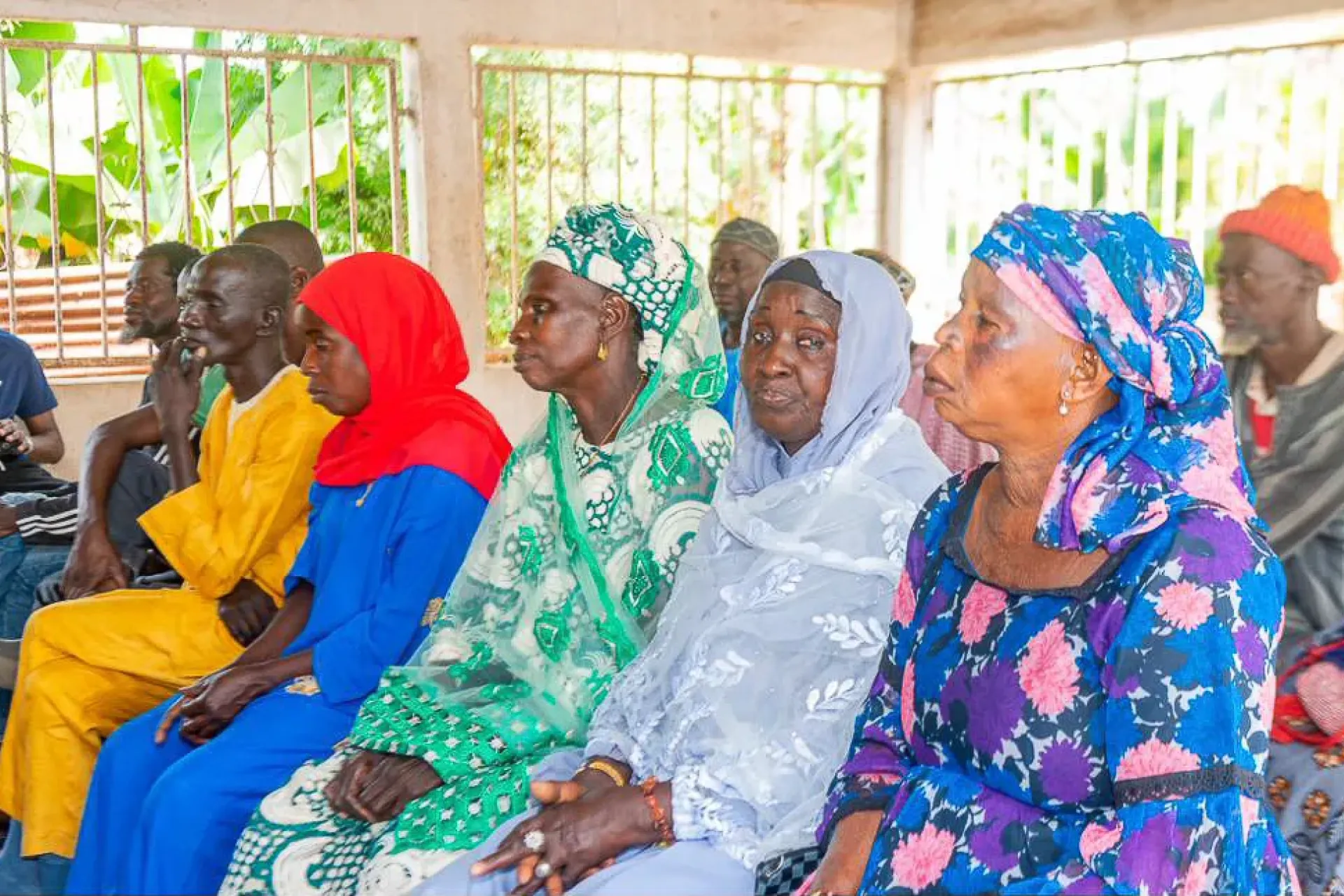
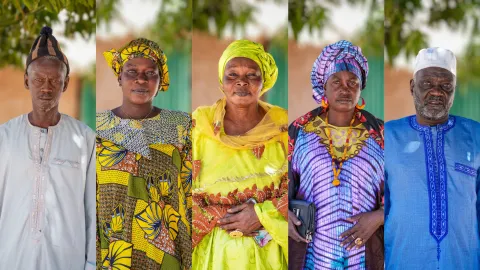
In Kolior, a village in the Lower River Region, something unexpected took shape after a training on gender. The elders organised. They called it a Mama Kafoo which translates to Grandparents Club. And according to Alkalo Sherifo Sanneh (the village head), it has changed the village in ways no one quite anticipated. Husbands now understand the consequences of gender-based violence. Neighbours look out for one another differently. Social cohesion, he says, has improved. Not because of a policy handed down from Banjul. But because the grandparents of Kolior decided that change was theirs to lead.
The Gambia continues to face persistent challenges driven by harmful gender norms, including child marriage, Female Genital Mutilation (FGM), gender-based violence and unequal access to health and education services. The training, led by Women in Liberation and Leadership (WILL) and Men For Equality with support from UNICEF Germany, UNICEF Canada, and the UNFPA-UNICEF Joint Programme on the Elimination of FGM, sparked conversations on these harmful norms and gave birth to the Mama Kafoo to shift social norms, empower adolescent girls and create an enabling environment for gender equality across all communities.
For UNICEF, the goal is to support communities as they take charge of protecting children, particularly girls while leveraging existing structures to promote lasting change.
“The importance of the Mama Kafoo cannot be overemphasized. We have now reevaluated our traditions that were harmful to children and we are working together to protect them.” says Fatou Minteh, a member of the Mama Kafoo.
To ensure community ownership and promote positive masculinity in the community, men and boys are as visible in the Mama Kafoo as women. They have formed subgroups to assess the Club’s progress and dismantle gender norms from within. They are also leveraging social media. The subgroup has a WhatsApp group where they remind each other of community initiatives to empower women and girls and to hold one another accountable for the decisions and inactions that affect women and girls of Kolior.
“The creation of this club was inclusive from the onset, and I am pleased with it. We were trained as grandparents, and we understood the task that lay ahead was for our own wellbeing and that of our children.” says Jerreh Sanneh.
For Alkalo Sherifo Sanneh, the Mama Kafoo has brought many positive changes to Kolior. Chief among them is social cohesion. Today, conversations on gender are held openly at community gatherings without the weight of taboo.
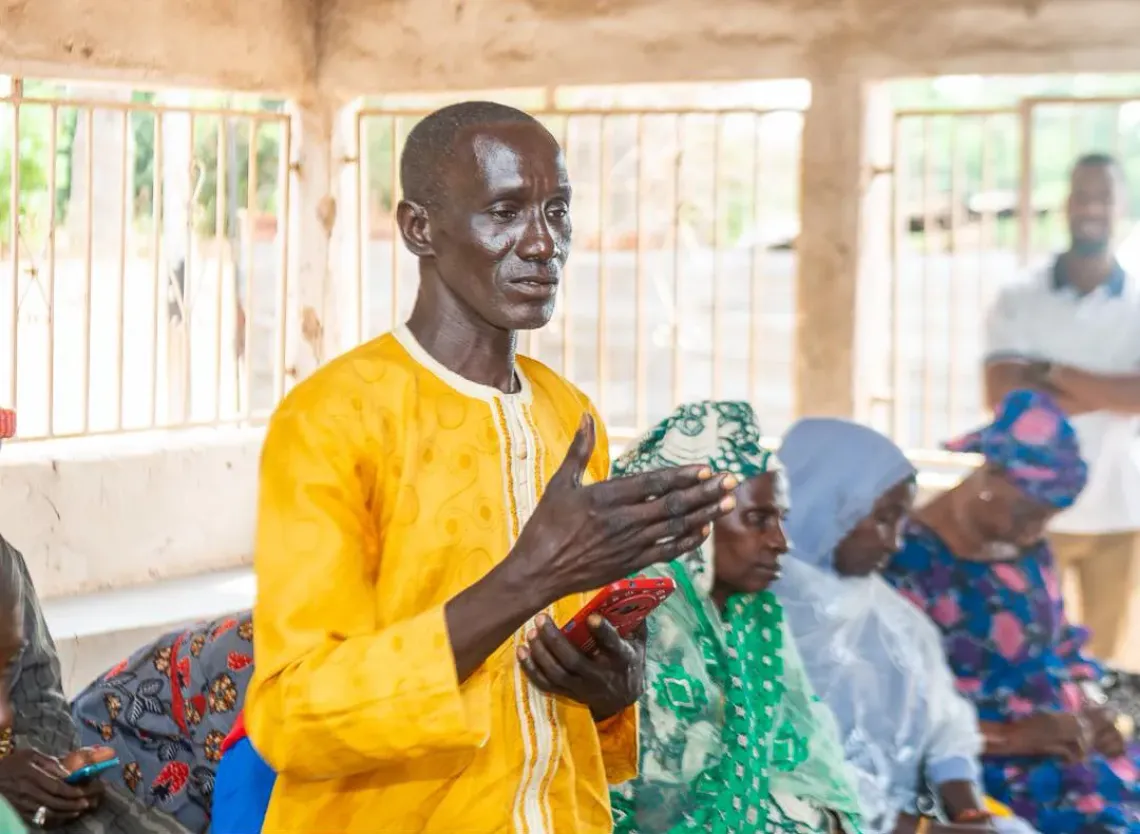
“The Mama Kafoo has become a great platform for us to discuss issues that affect our community. We are empowered enough to talk about our roles as grandparents in the promotion of education for children, protecting women against GBV and providing feedback directly to me as Alkalo."
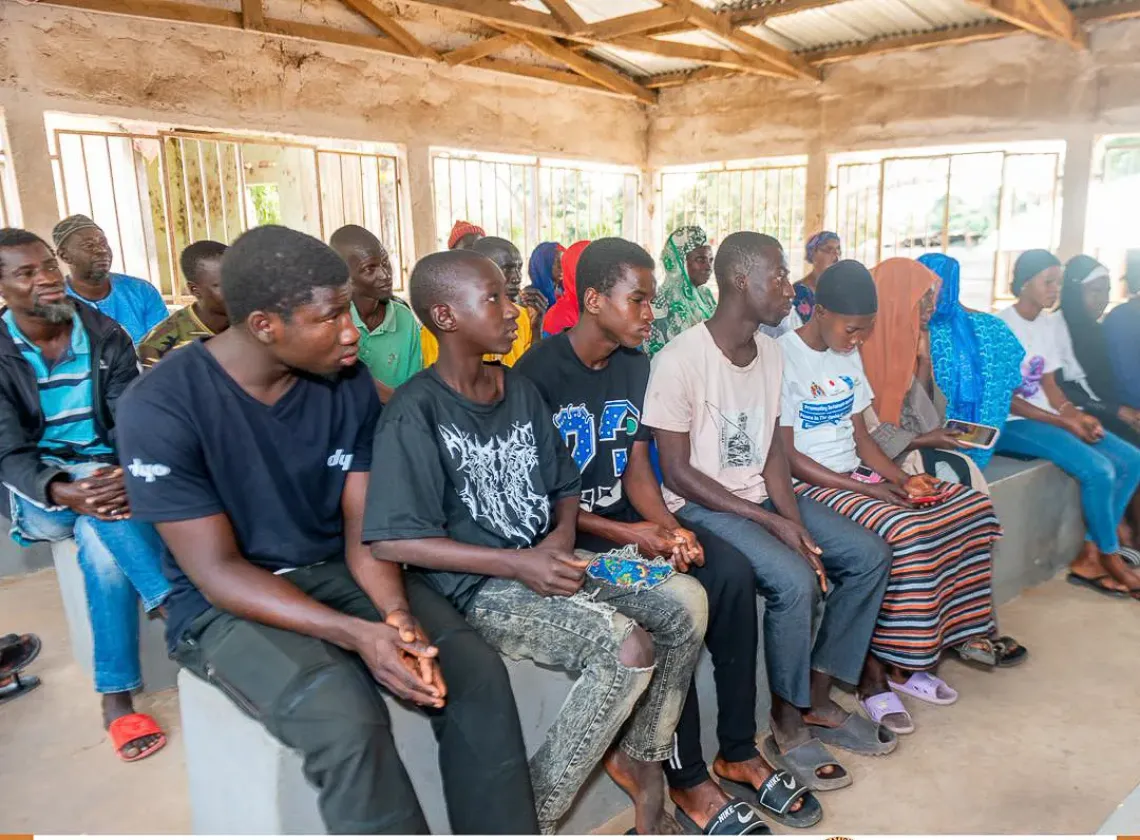
Lamin, 15, is among the young members of the Mama Kafoo, offering a boy’s perspective to the decisions the grandparents make. Together, they provide feedback and ensure that children’s voices are included when the community makes decisions on their behalf.
For the grandparents of Kolior, the Mama Kafoo is not simply a club. It is a commitment. A promise that the community's next chapter will be written differently, by those who have lived the longest and chosen, in the end, to change.