

Water, Sanitation and Hygiene for Every Child
UNICEF–EU Partnership in Action
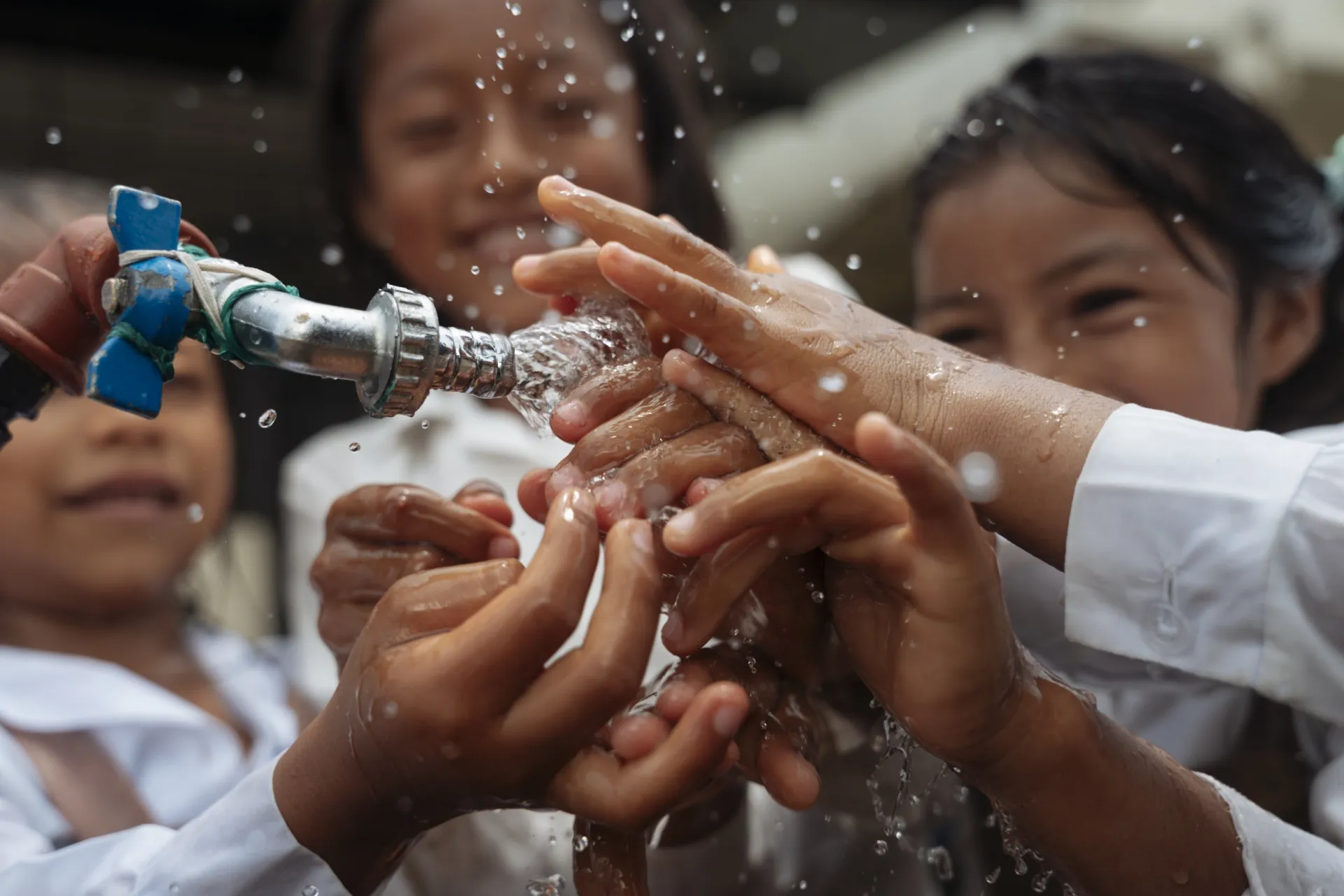
Every child has the right to safe water, sanitation and hygiene. Yet unsafe water, poor sanitation and inadequate hygiene remain major drivers of disease, undernutrition and child mortality—especially in fragile, crisis‑affected and climate‑vulnerable settings. Guided by the UNICEF WASH Strategy 2016–2030 and the European Union’s priorities on WASH, public health, climate resilience and humanitarian assistance, UNICEF and the EU work together to deliver sustainable WASH services that protect children’s survival, health and dignity.
What UNICEF and the EU deliver together
Life‑saving WASH in humanitarian crises
EU humanitarian financing enables UNICEF to deliver emergency WASH services in crises caused by conflict, displacement and climate shocks. In countries such as Afghanistan, Bangladesh (Rohingya response), Sudan, Chad, Syria, Yemen and the State of Palestine, EU‑funded programmes provide safe water, sanitation and hygiene to prevent disease outbreaks and protect children in emergencies.
Preventing disease and supporting public health
UNICEF-EU partnership addresses the root causes of cholera and other water‑borne diseases, often in close coordination with WHO. Programmes in Angola, Comoros, Ethiopia, Madagascar, Malawi and Haiti strengthen safe water access, sanitation services and hygiene practices in high‑risk communities-protecting children and caregivers.
Climate‑resilient and sustainable WASH services
Reflecting shared priorities on resilience and climate adaptation, EU‑funded programmes support sustainable and climate‑resilient WASH systems, including groundwater development and resilient water services in countries such as Ethiopia, Chad and Zambia. These investments help communities withstand climate shocks while securing long‑term access to safe water.
WASH integrated with health, nutrition and education
In line with UNICEF’s multisectoral approach, EU‑supported WASH programmes are integrated with health, nutrition and education services. This includes WASH in health facilities and nutrition programmes (e.g. Sudan, Ethiopia, Somalia) and safe WASH services in schools and community settings—ensuring environments that enable learning, health and dignity.
Strengthening systems and governance
Beyond infrastructure, UNICEF and the EU work with governments to strengthen WASH governance, service delivery and preparedness, including integration with primary health care, urban and rural service systems, and emergency preparedness mechanisms.


