

Protection and Inclusion for Children on the Move
UNICEF–EU Partnership in Action
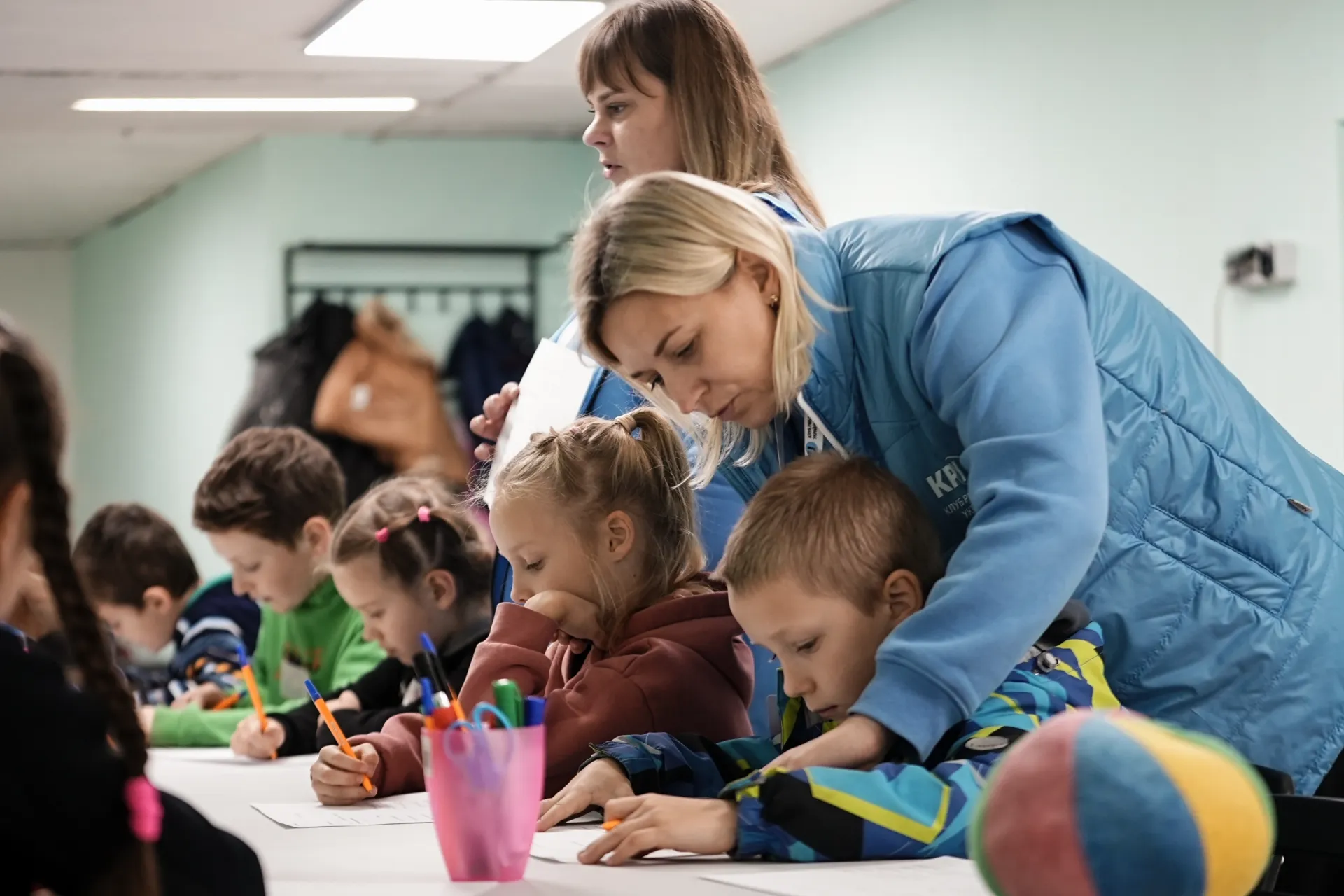
Every child has the right to protection, services and a future—regardless of where they come from or move to. Yet children on the move—refugees, migrants, returnees and internally displaced children- face heightened risks of violence, exploitation, family separation and exclusion from essential services. Guided by UNICEF’s Strategic Approach on Children on the Move and the European Union’s priorities on migration, protection and human development, UNICEF and the EU work together to protect, include and empower children affected by migration—across countries of origin, transit and destination.
What UNICEF and the EU deliver together
Protecting children on the move
EU‑funded UNICEF programmes strengthen child protection systems for refugee, migrant and displaced children -helping prevent and respond to violence, exploitation, trafficking and smuggling. In contexts such as Afghanistan, Iran, Libya, Türkiye, Bosnia and Herzegovina and Ukraine, programmes support case management, access to justice, legal identity, guardianship and child‑friendly procedures tailored to children on the move.
Alternatives to detention and child‑sensitive migration management
In line with international standards, UNICEF and the EU support alternatives to immigration detention, promoting community‑based care, foster and supervised independent living arrangements, and family‑based solutions. These approaches prioritize children’s well‑being, safety and development while supporting governments to implement child‑sensitive migration policies and procedures.
Support for survivors of trafficking and smuggling
EU‑funded programmes enable UNICEF to provide specialized protection and recovery support for children who are survivors of trafficking and smuggling, including safe accommodation, psychosocial care, health services, education and reintegration support. These interventions are embedded within national protection systems to ensure sustainability and access to justice.
Humanitarian support along migration routes
In countries of transit and arrival, EU humanitarian financing enables UNICEF to deliver integrated, life‑saving assistance for children and families on the move. Across Latin America and the Caribbean, North Africa and the Middle East, EU‑funded programmes support migrant and refugee children through protection, education, health, nutrition and WASH services in border areas and transit points.
Education, health and social inclusion for displaced children
Consistent with a whole‑of‑child approach, UNICEF and the EU work to ensure displaced and refugee children can access inclusive education, primary health care and social services. Programmes in countries such as Jordan, Lebanon, Egypt and Türkiye support learning continuity, psychosocial support and inclusion in national service systems for both refugees and host communities.
Strengthening national and local systems
Beyond direct services, EU‑supported UNICEF programmes strengthen national child protection, social protection and migration governance systems, helping countries manage migration in a child‑sensitive way. This includes capacity‑building for institutions, improved data and coordination, and linking humanitarian responses with longer‑term development solutions.
Durable solutions and resilience
The UNICEF-EU partnership supports durable, child‑centred solutions, including safe return and reintegration, local integration and resilience‑building for communities affected by displacement -ensuring that migration does not permanently undermine children’s rights and opportunities.


