
Education for Every Child
UNICEF–EU Partnership in Action
Every child has the right to education. Yet millions of children are still out of school or learning too little -due to poverty, conflict, displacement, gender inequality and climate shocks. Guided by the UNICEF Education Strategy 2019–2030 and the European Union’s global priorities on education, human development and resilience, UNICEF and the EU work together to ensure inclusive, equitable and quality education for all children—especially the most vulnerable.
What UNICEF and the EU deliver together
Access to inclusive and equitable education
EU‑funded UNICEF programmes expand access to education for marginalized children, including refugees, internally displaced children and those affected by crisis. Across regions -from Türkiye, Lebanon, Jordan and Iraq to Latin America and the Caribbean- partnership programmes remove barriers to learning, promote inclusion and support safe, protective learning environments.
Education in emergencies
Education in emergencies is a cornerstone of the UNICEF-EU partnership. EU humanitarian financing enables UNICEF to deliver life‑saving education responses in crises such as Ukraine, Syria, Sudan, Yemen, Afghanistan and Bangladesh, ensuring learning continuity alongside protection and psychosocial support.
Improving learning quality and pathways to employment
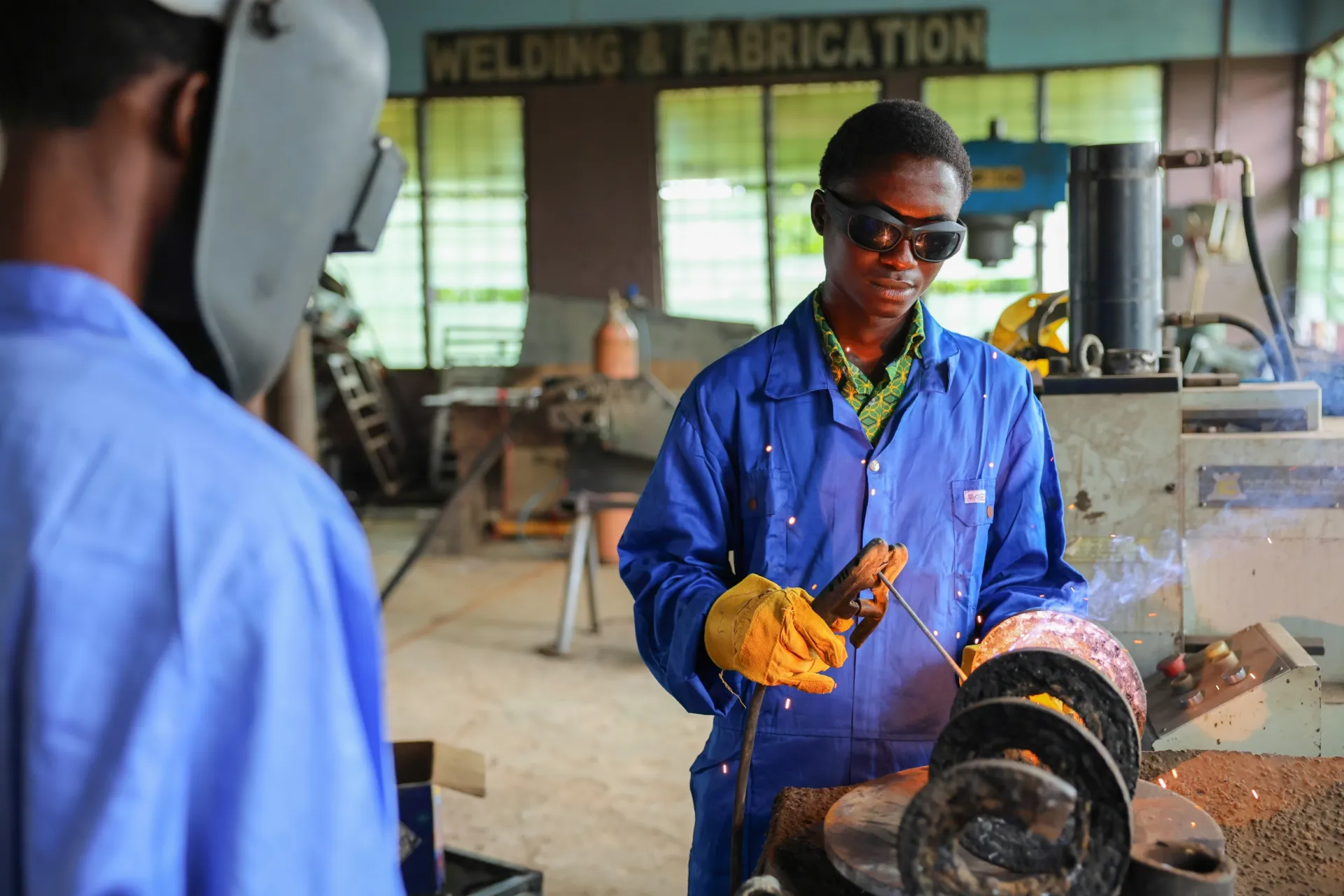
Beyond access, EU‑supported programmes strengthen learning outcomes, foundational skills and relevant competencies for children and adolescents. This includes support to skills development, digital learning, and school‑to‑work transitions, helping young people—especially adolescents—to move from learning to earning and prepare for decent work, livelihoods and active participation in society.
Strengthening education systems
Reflecting a shared systems approach, UNICEF and the EU work with governments to strengthen:
- Education governance and policy reform (e.g. EU‑supported sector reforms);
- Public finance management for education, including through EU‑UNICEF facilities in Asia;
- Education data, digitalisation and connectivity, such as last‑mile school connectivity initiatives;
- Shock‑responsive education systems, linking education, social protection and crisis preparedness.
Equity, gender and protection
EU‑funded education programmes systematically integrate gender equality, child protection and inclusion, particularly for girls, children with disabilities and children on the move—ensuring education systems are not only accessible, but safe and protective.


