Learning to Teach
Empowering Young Ethiopians to Shape the Future of Early Childhood Education
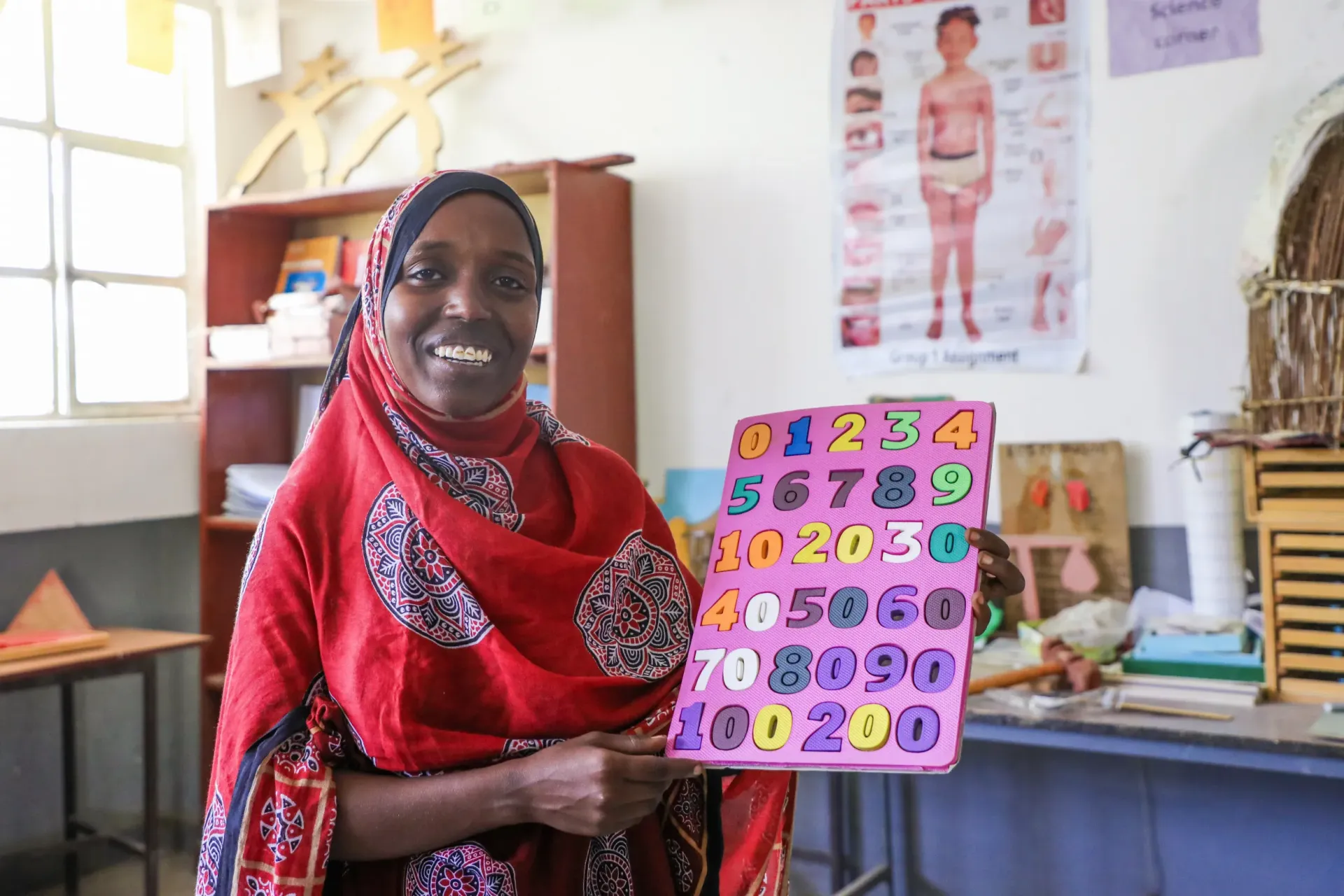
Across Ethiopia, UNICEF and the Mastercard Foundation are helping young people build skills for in-demand careers through the Biqu Wetat programme. In the Afar region, where early childhood educators are scarce, the programme partners with local Technical and Vocational Education and Training institutes to prepare young people to support children’s earliest learning.
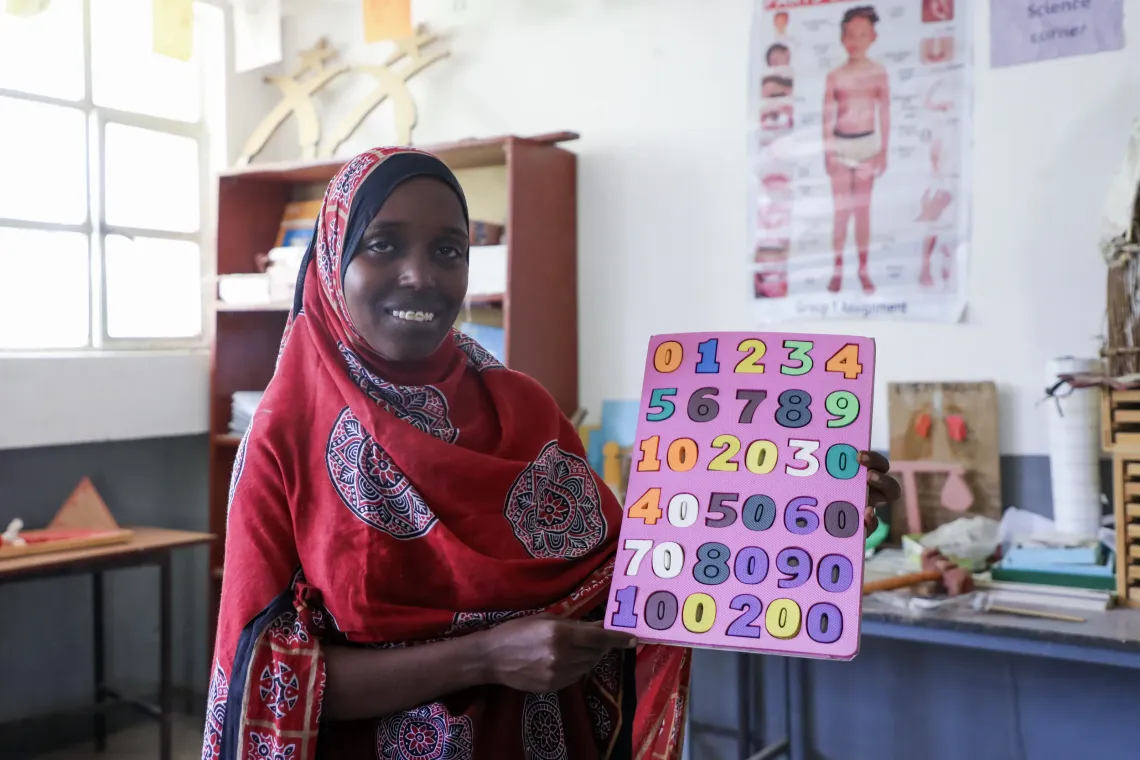
At 22, Fetuma Dawud is raising three young children and rebuilding her path in education. She had paused her studies due to childcare responsibilities, but with support from her family, she is now back in the classroom. The impact is already felt, not only in her own life but across her family.
“My children are just beginning their education, and what I am learning now helps me support them more every day,” Fetuma said.
Fetuma is optimistic about what lies ahead as she prepares to start her teaching journey. After completing the training, she and her cohort will be deployed to pre-primary schools across the woredas. “I’m happy to go wherever I am assigned and support children to learn better in my community,” she said.
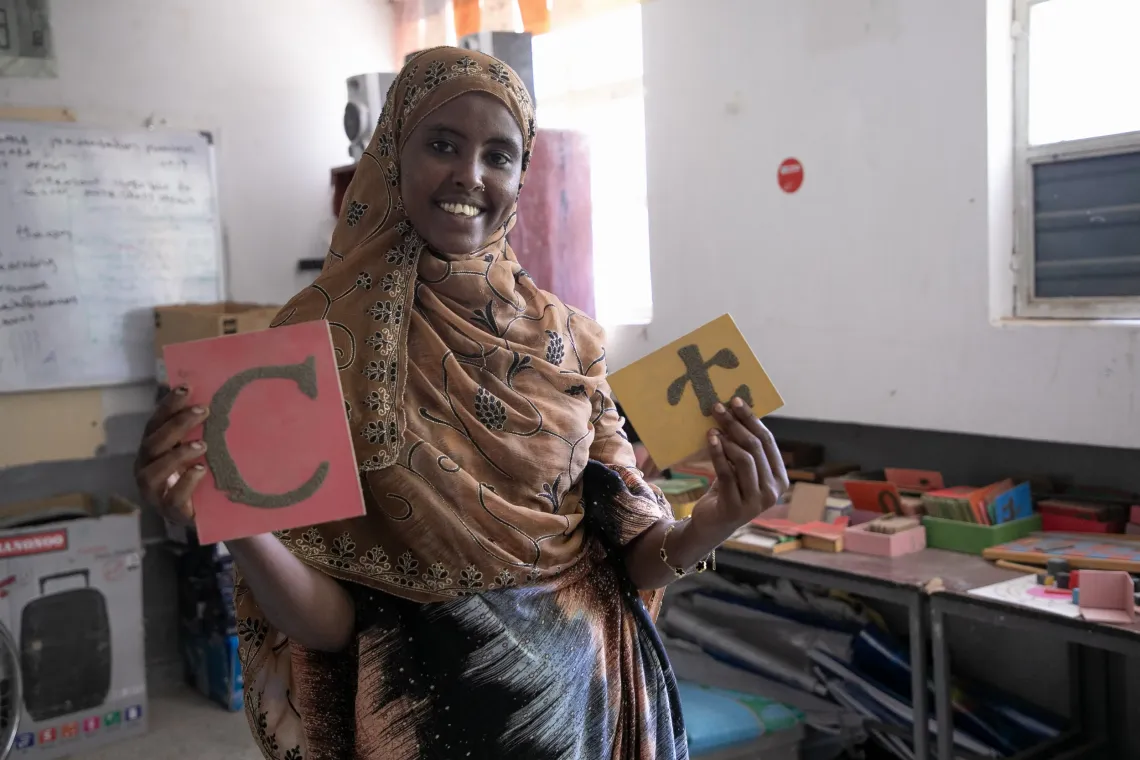
For 22-year-old Hallo Abdulkader, the programme has transformed ambition into opportunity. After finishing Grade 12, she enrolled in management studies, but the training offered her a chance to build practical skills and make a difference in her community. Juggling weekday classes with weekend studies, she refused to choose between them, determined to keep moving forward.
“The training has opened my eyes to how much we, and others in communities like ours, have missed without access to quality early learning,” Hallo says. In communities like hers, early childhood education has often been out of reach, leaving children to struggle as they progress through school.
Determined to help change that, she says, “We will support children from their earliest years and help close gaps in education.”
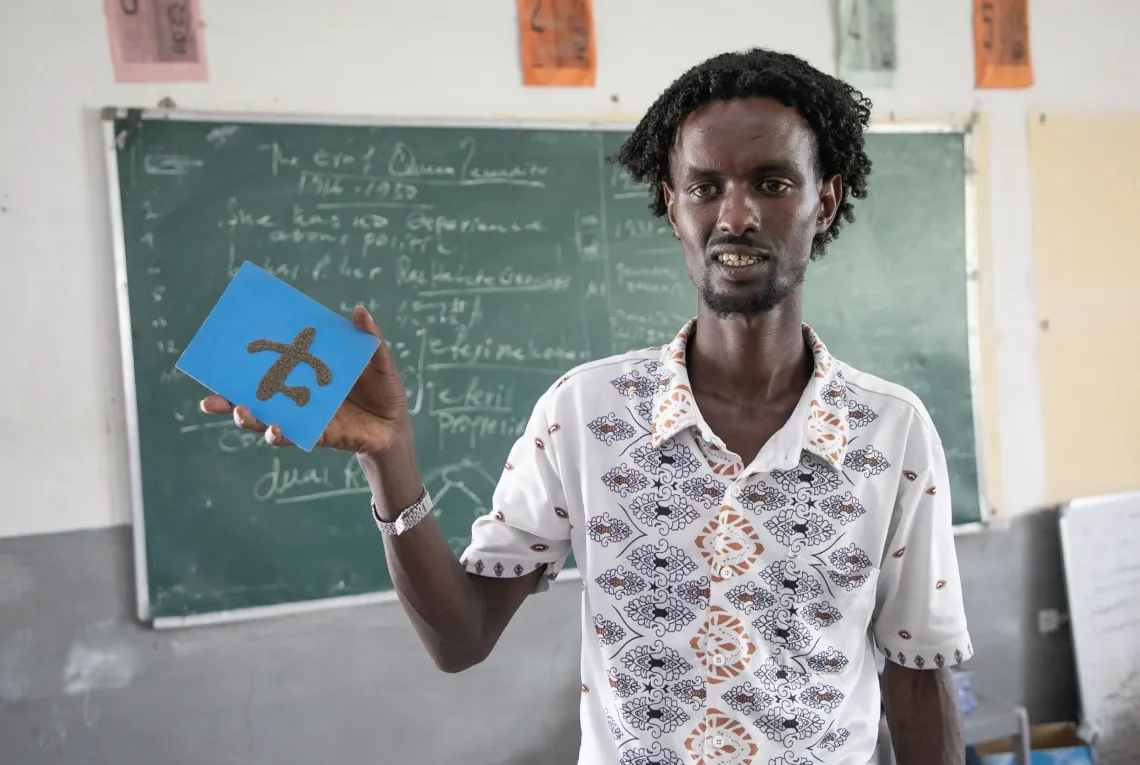
For 23-year-old Mohammed Adem Mohammed, the journey has been different but no less transformative. After finishing Grade 12, he hoped to attend university but did not achieve the required score. He learned about the training through his community, which offered him a second chance to build new skills and find a new direction.
He has faced challenges throughout his education due to a visual disability that affects his ability to see, particularly at night.
“I was fortunate to have classmates and others who supported me throughout my education,” he says. “When I become an educator, I want to do the same for other children and help ensure they receive the education they deserve.”
With new skills and renewed confidence, young people like Fetuma, Hallo and Mohammed are shaping not only their own futures but also strengthening early childhood education in their communities through the Biqu Wetat programme.
By 2027, the programme aims to reach 120,000 disadvantaged young people, equipping them with practical skills, including high-demand fields such as early childhood education, alongside mental health support to help them learn, earn and build stronger futures for themselves and their communities.