In Comoros, UNICEF acts to protect the most vulnerable children from the impacts of extreme weather
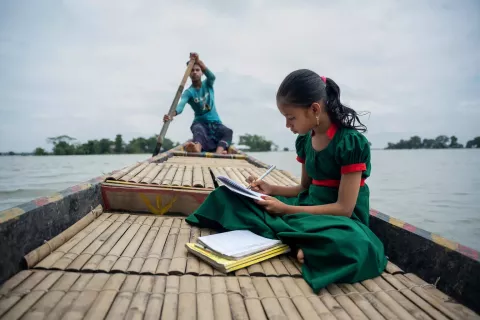
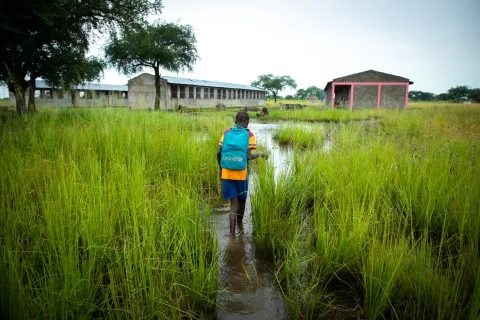
The consequences of increasingly violent cyclones, coastal erosion, and recurrent floods are already visible and primarily affect children

Located in the heart of the Indian Ocean, the Comoros is one of the countries most vulnerable to the effects of extreme weather changes and environmental concerns. Increasingly violent cyclones, coastal erosion, and recurrent floods: the consequences are already visible and primarily affect children.
In response to this emergency, UNICEF, the Korea International Cooperation Agency (KOICA), and the Comorian government launched the “Climate Action for the Last Mile: Reaching the Most Vulnerable Children in East and Southern Africa Region” initiative. This program aims to strengthen the resilience of children and communities to risks by integrating adaptation into key sectors such as education, health, and water and sanitation.
This initiative stemmed from children and young people themselves, in accordance with the right to expression and participation enshrined in the Convention on the Rights of the Child, signed by the Comoros in 1990. The “Young Climate Champions,” a network of young people actively engaged in awareness and local action, spoke at the official launch of the project.
Mahfouz Ben Ali Saindoune, 21, shared his personal experiences of extreme weather changes on the island of Anjouan: “I still remember the dunes on the beaches of my childhood. Today, these spaces have become public dumps. Our beaches have disappeared, our rivers have gone silent.”
These stories illustrate a harsh reality: Comorian youth are growing up in an increasingly degraded environment with uncertain prospects. This is why young people are calling for structural, sustainable, and inclusive action.

Ikram Mohamed Msahazi, another young champion from Grande Comore, emphasized the importance of acting quickly and collectively: “There is still time to ensure that our schools are more resilient, that waterways are preserved, and that we, the younger generation, are better equipped to face this.”
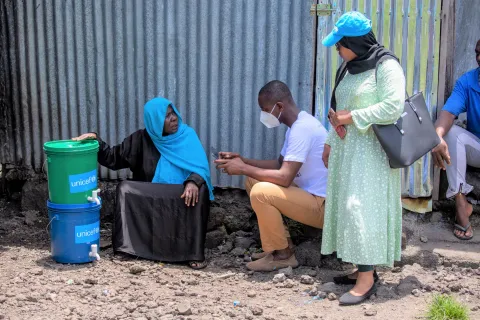
This initiative aims to reduce the vulnerability of children and their communities by improving access to social services and climate-smart infrastructure, particularly in the areas of water, sanitation, and hygiene (WASH), health, nutrition, education, social protection, and child protection.
A recent study on the impact of extreme weather patterns on children in the Comoros, showed that 54 per cent of Comorian children live in areas exposed to at least four major environmental risks. This requires targeted, coordinated responses focused on protecting children. This initiative aims to promote institutional development and capacity building to scale up climate-smart social services and infrastructure. This includes strengthening data and evidence, implementing child-sensitive climate policies, mobilizing public funding, and further empowering children and young people.
By integrating climate concerns into social sectors crucial for children, the Comoros sends a clear signal: children must be at the heart of resilience strategies.