On the frontlines of Beryl: A UNICEF Specialist reflects on Grenada's resilience
Social and Behaviour Change Specialist Dr Lisa McClean-Trotman joins humanitarian response after major hurricane
It was 7 September 2004 when Hurricane Ivan struck Grenada. As a humanitarian worker with limited experience, I was deployed to the ‘Spice Isle’ to assess the damage and help bring relief to a country in pain. Thirty-nine lives were lost, 18,000 people, including thousands of children, were displaced, and key industries were shattered.
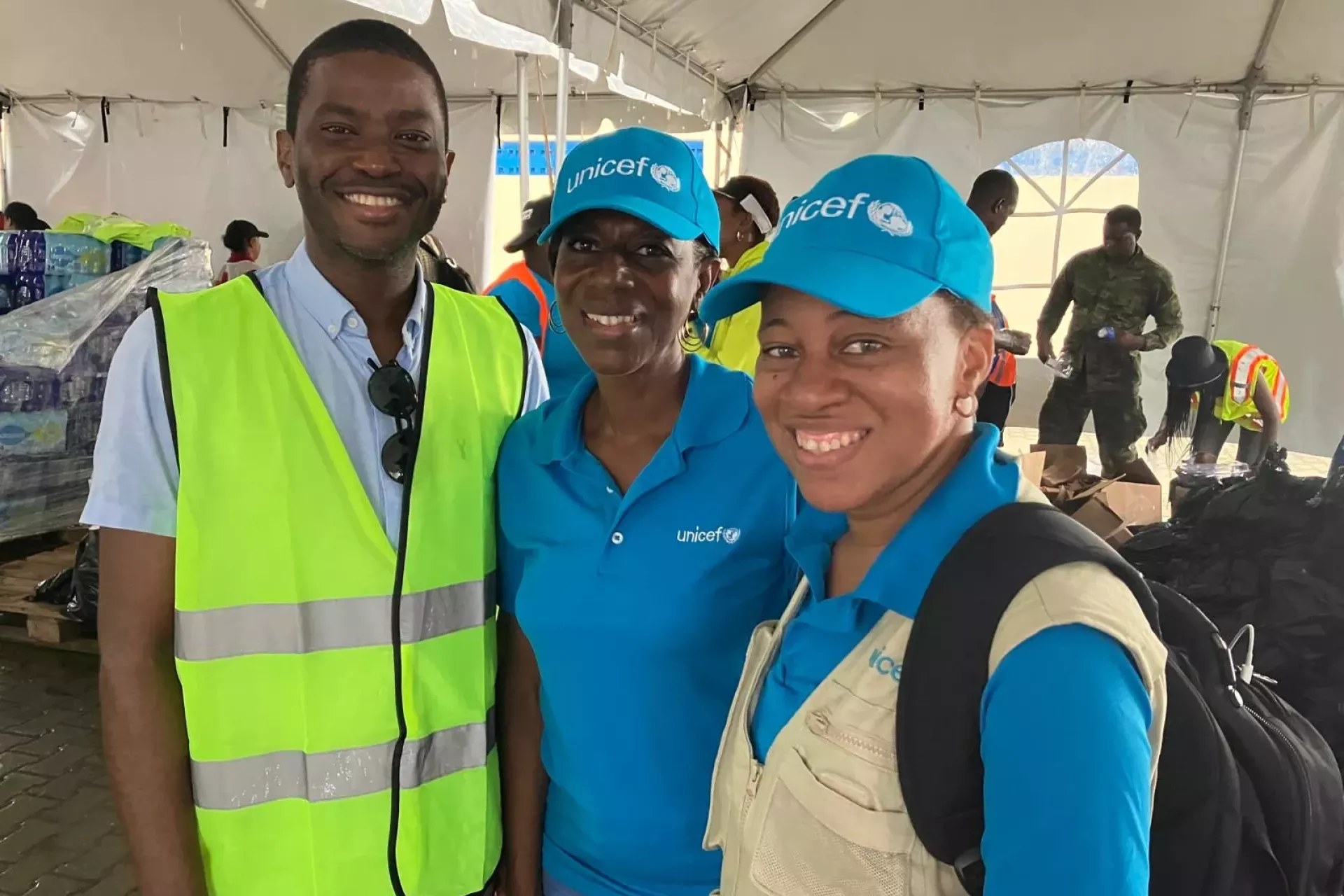
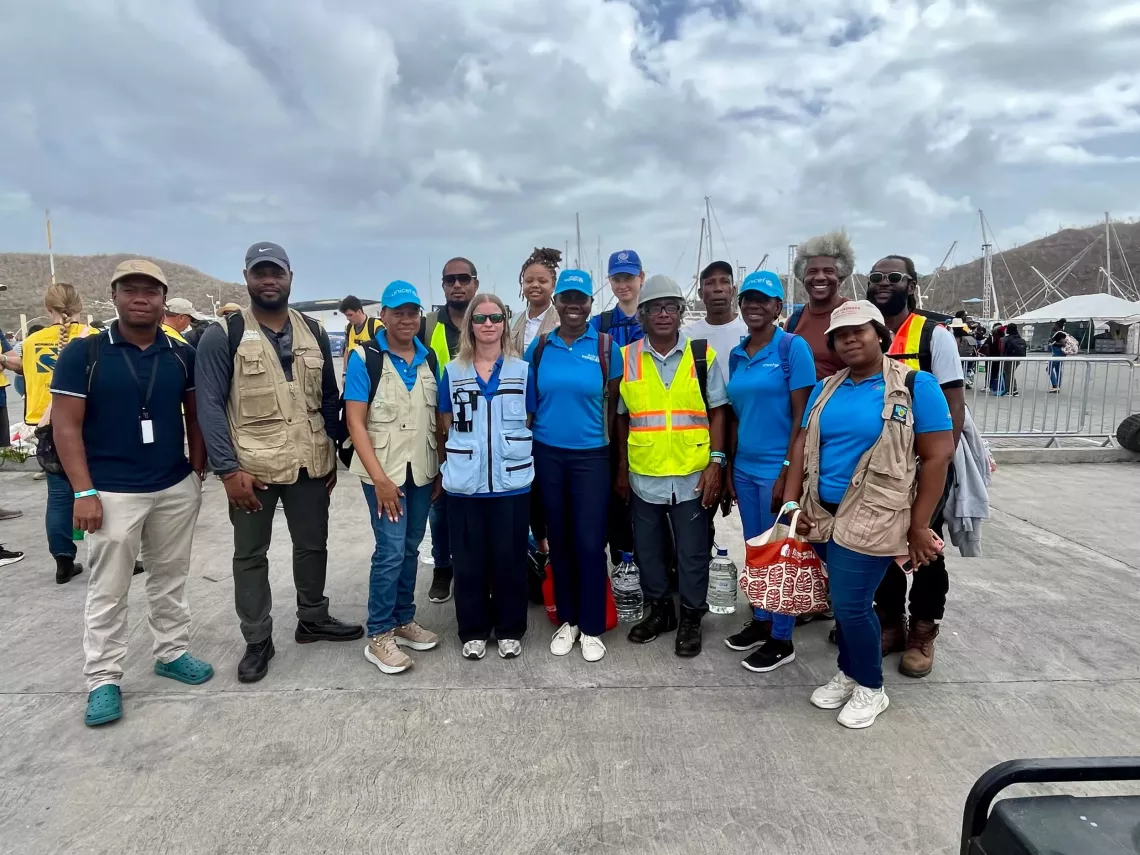
Almost 20 years later, I find myself back here, part of the Caribbean Disaster Emergency Management Agency's (CDEMA) Regional Needs Assessment Team witnessing the devastation of Hurricane Beryl as representative of UNICEF on the ground.
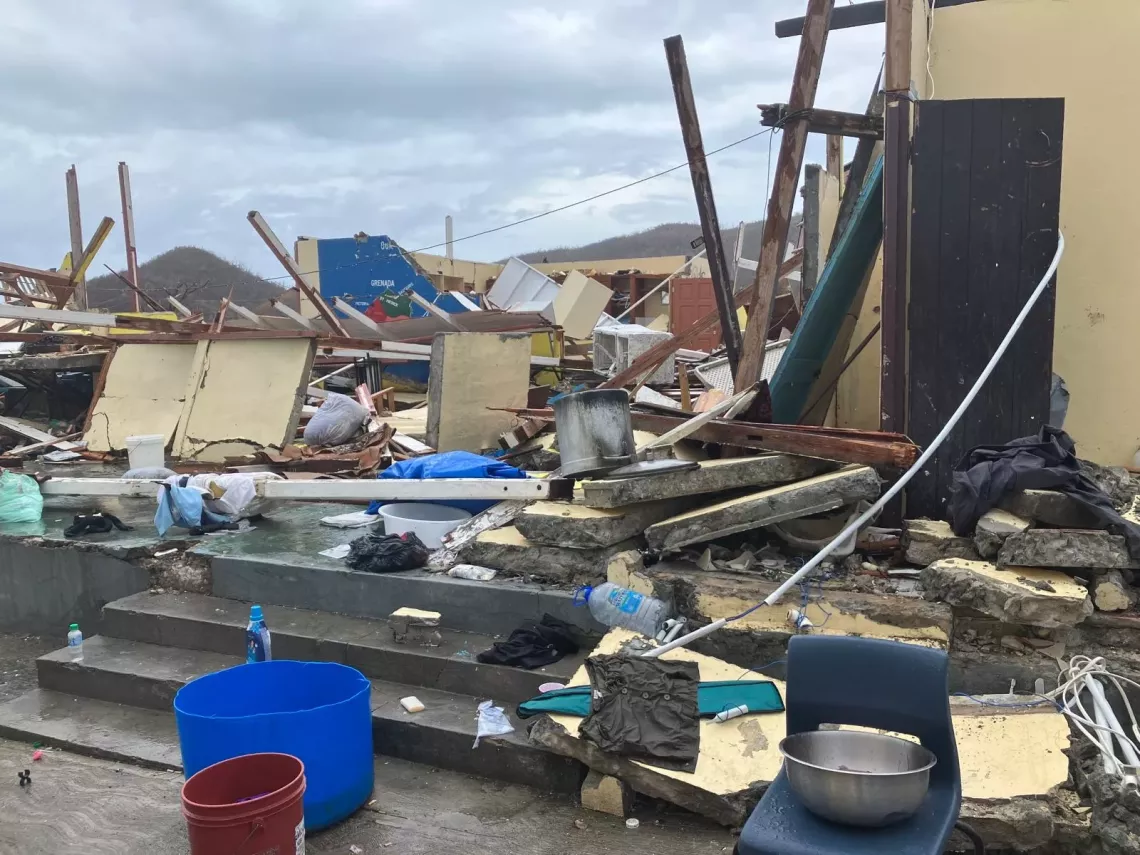
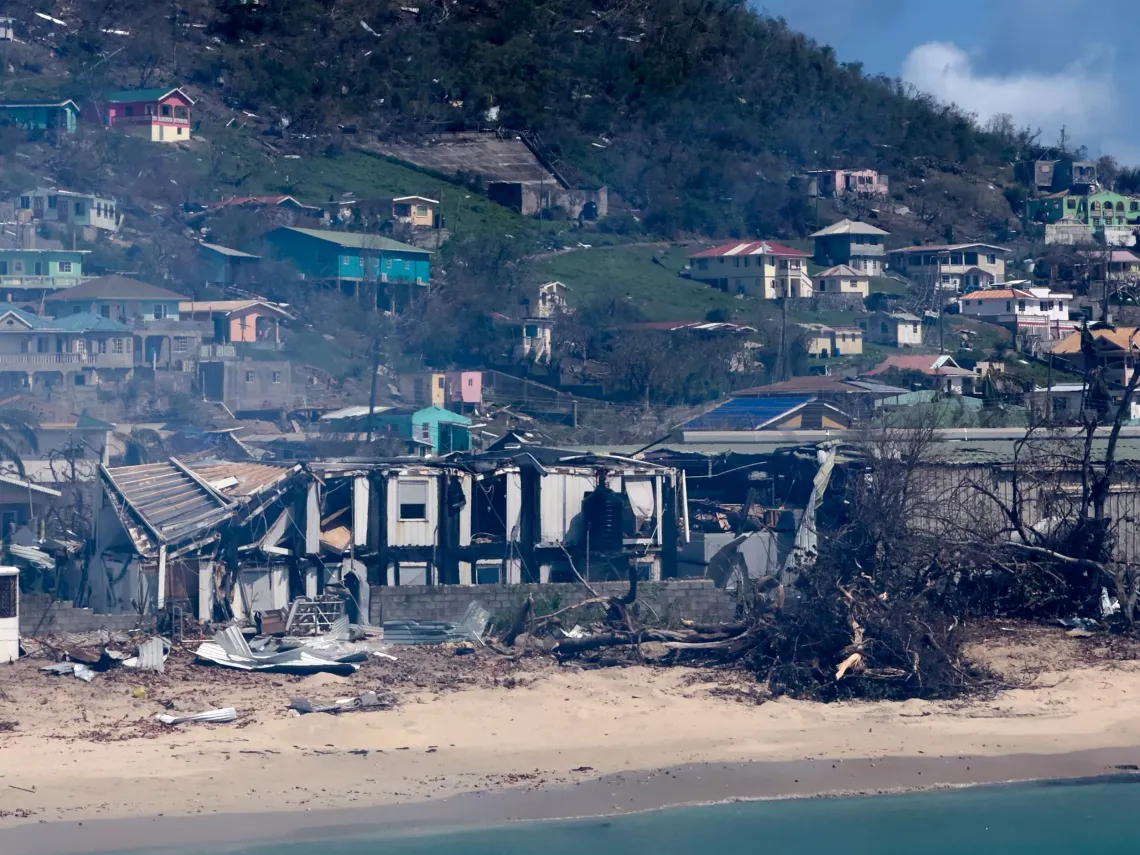
Carriacou's utter destruction mirrored mainland Grenada's plight after Ivan. More than 90 per cent of houses damaged or destroyed, agriculture devastated and community pillars, like churches and schools, lying in ruins. The sight of schools I had previously worked on with the Ministry of Education, reduced to rubble, is particularly heartbreaking.
Assessing the Needs
My observations, alongside interviews with shelter residents - children, nurses, and wardens - paint a stark picture. Children, yearning for normality, lack outlets for their pent-up emotions. Parents, once employed, now face an uncertain future, the weight of providing for their families heavy on their shoulders.
A looming concern is child protection. The priority of survival means separating children from adults and males from females in shelters isn't always feasible. Unsupervised children and overcrowded shelters are heightening stress levels. And then there is lingering trauma from the experience of Beryl. One minister spoke of children who hadn't spoken since the storm.
While early childhood centres in Grenada's northern parishes seem operational, Carriacou's were a different story. Even the government daycare, though not destroyed, remains unusable due to displaced families seeking refuge.
The lack of running water is also concerning. Bottled water, used for everything from flushing toilets to [JT1] cooking, is simply not enough. Many have resorted to outdoor cooking, amidst debris and animals. This adds another layer of worry - foodborne illnesses could easily spread.
UNICEF's Response
UNICEF's role is to empower, not burden. We understand that local leaders are often themselves survivors. In Carriacou, even government workers guiding us were shelter residents.
Our response has shifted. UNICEF is still providing many of the essentials like dignity kits containing critical sanitary supplies, but from a social and behaviour change (SBC) standpoint, the focus is on promoting positive behaviour even in a volatile environment. Our section is now focused on creating posters promoting hygiene in shelters and collaborating with the Ministry of Health to prevent mosquito-borne diseases. Activity books on hygiene and health are being printed with the Ministry of Education.
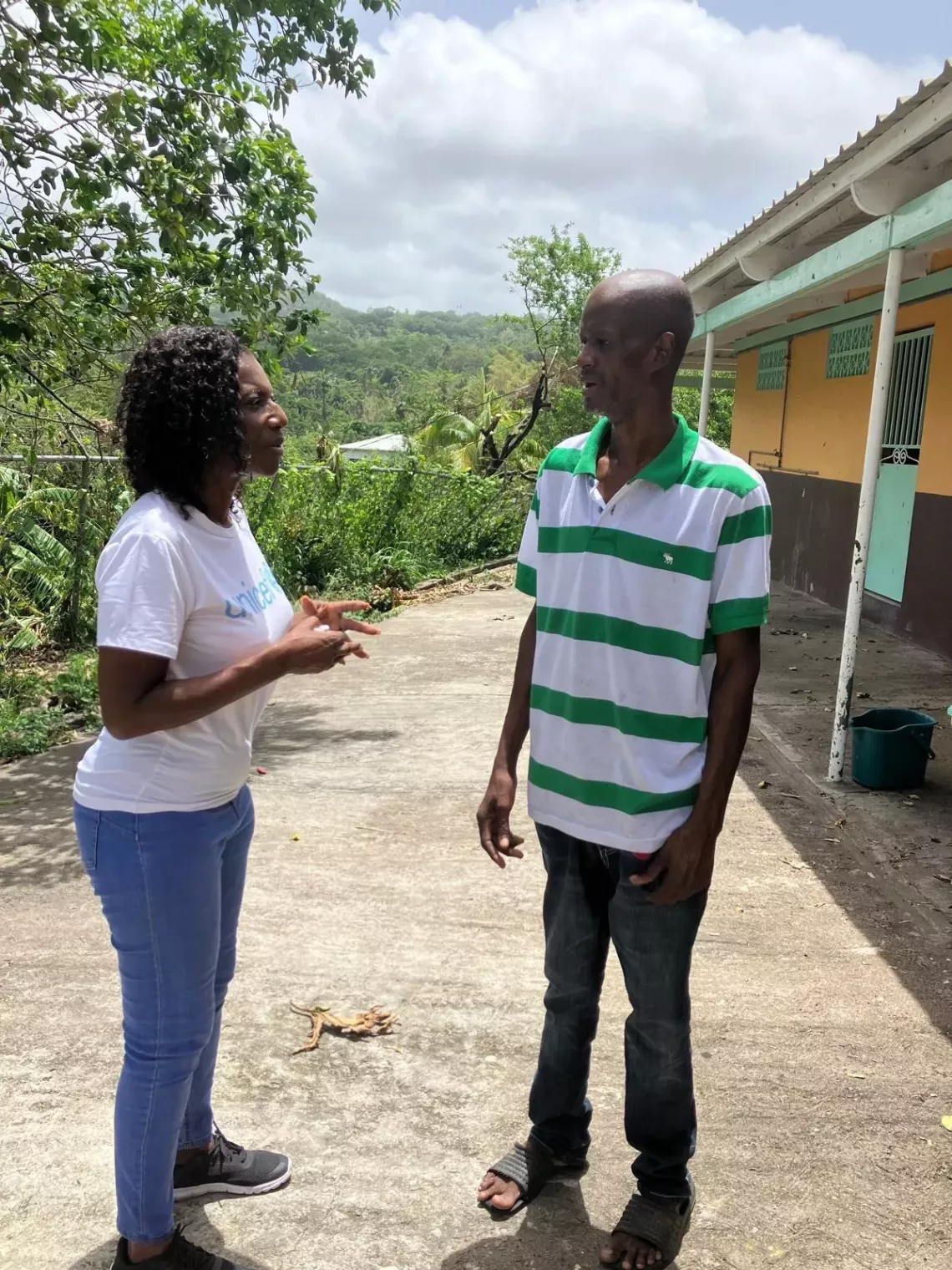
As a more seasoned humanitarian worker I think my role is to do more listening to the affected communities. It's not about imposing solutions but understanding their specific needs.
Carriacou and Petit Martinique have a long road to recovery, but the people of these islands are resilient. UNICEF is committed to supporting the children, families, and communities as they rebuild their lives. And I’m proud to be part of that team.