

Digital Health Transformation
Boosting children's health through digital solutions
Challenge
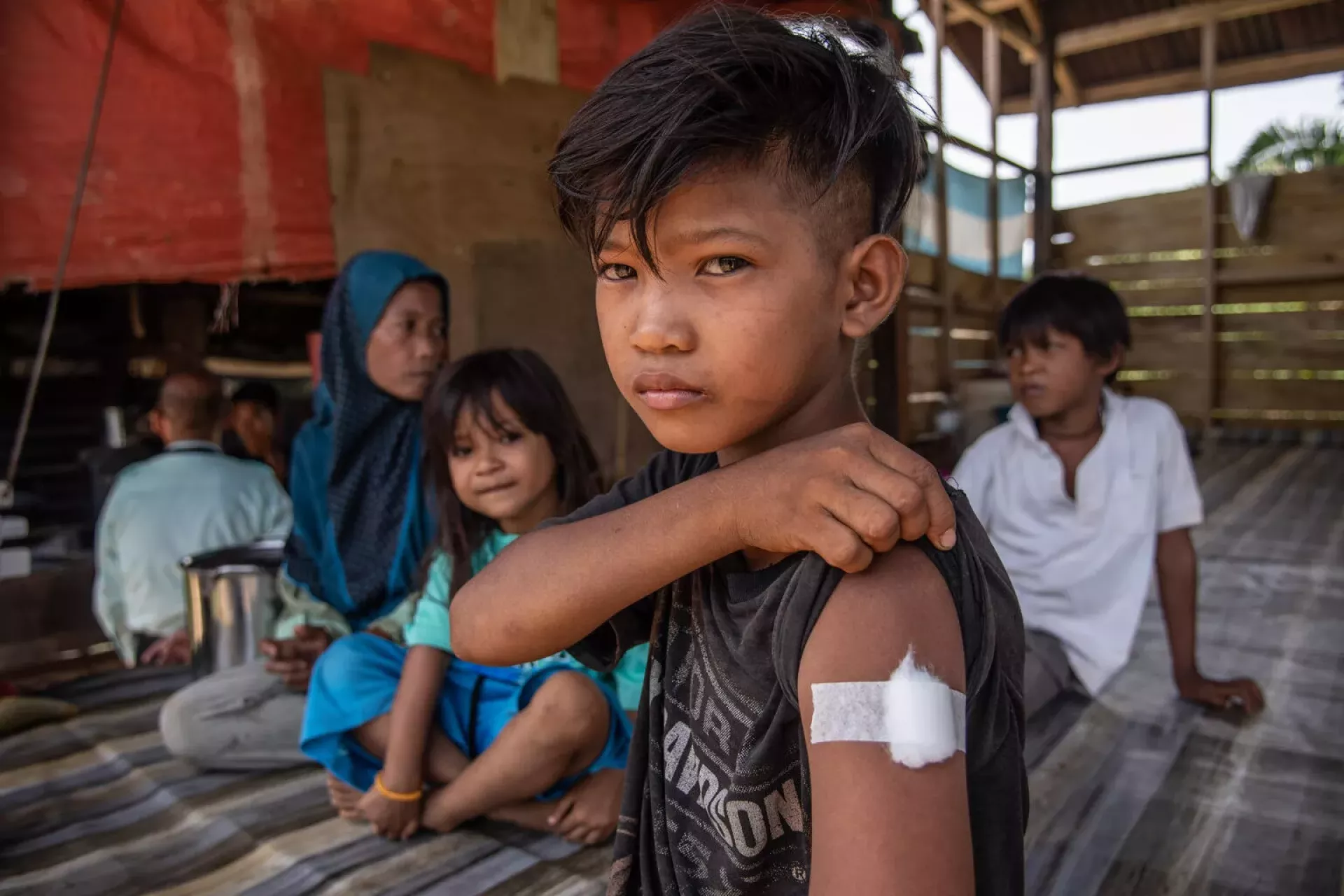
Routine immunization is crucial for every child to live a healthy life. But in 2023, over 2.3 million children in East Asia and the Pacific were either not vaccinated at all (“zero-dose” children) or under-vaccinated, leaving them exposed to life-threatening diseases.
This rise in under-vaccinated children reflects a global decline in vaccination progress due to the COVID-19 pandemic, which led to disruptions in healthcare services, logistical challenges, vaccine hesitancy and inequities in access to services.
Closing the immunization gap requires accelerated efforts, with governments, partners, and local leaders investing in primary healthcare to ensure every child gets vaccinated, and that overall healthcare is strengthened.
Too many children miss out on potentially life-saving vaccinations, treatment and health monitoring simply because health systems fail to keep track of them.
Solution
During the COVID-19 pandemic, primary health care went through a rapid digital transformation across hospitals and government agencies. This shift offers a chance to modernize and improve health care services in both urban and rural areas.
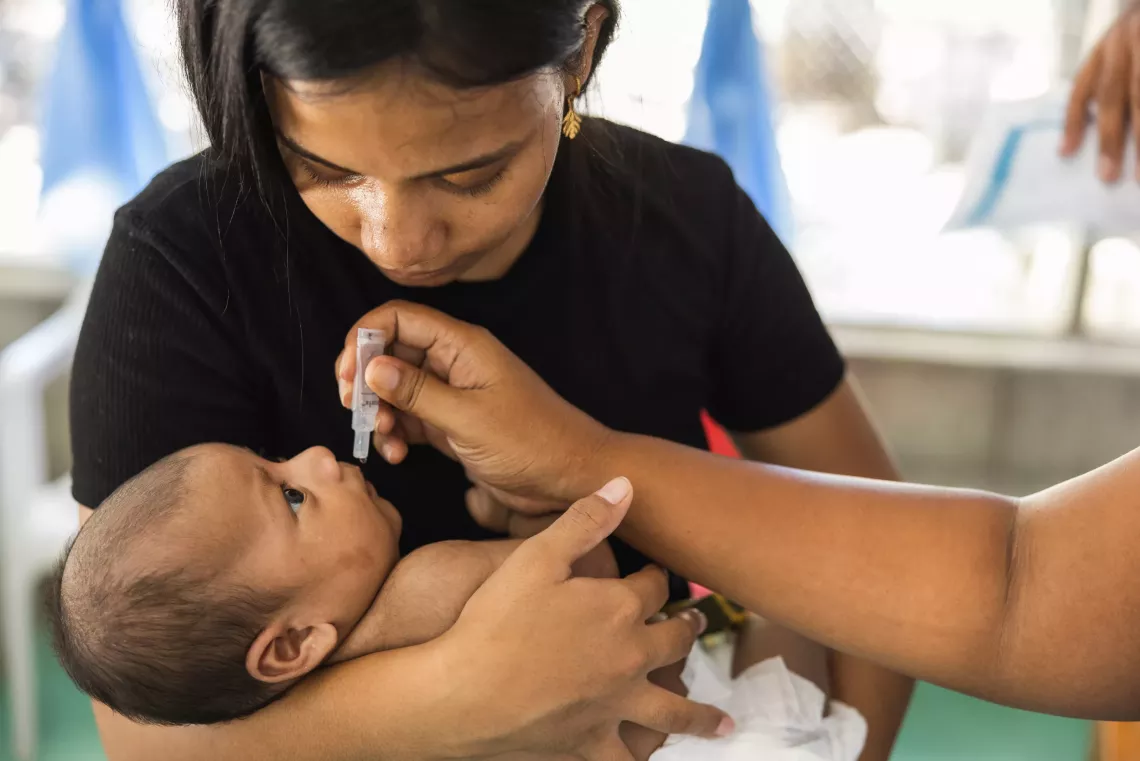
Digital health tools, technologies, and updated policies can greatly improve health care delivery. Benefits include faster access to data for quicker decisions, better planning, and shorter patient wait times, which can help improve routine immunizations and catch-up campaigns.
With the support of the Government of Japan, UNICEF is working with 10 countries and their governments to improve healthcare services and delivery through digital tools, updated policies, and support for digital transformation in health. This critical work will ensure that children receive life-saving vaccines and routine immunizations to lead full and healthy lives.
UNICEF will support governments to:
- Identify gaps in healthcare facilities and systems, and choose suitable digital solutions, tools, and technologies tailored to their local context.
- Assess health systems to find areas for improvement and recommend appropriate digital solutions, tools, and technologies.
- Provide guidance on health information systems to ensure easy data sharing and monitoring while adhering to data protection standards.
- Ensure that last-mile communities are included in health-care planning and digital transformation initiatives.
- Help create supportive environments by developing policy frameworks and national digital health strategies that promote the effective implementation of digital systems.