‘I want my children to be safe’: Yemeni families find refuge in Djibouti
Under the leadership of the Government of Djibouti, UNICEF and its partners are supporting nearly 2,000 children who arrived from Yemen with their families after fleeing conflict

- Français
- English
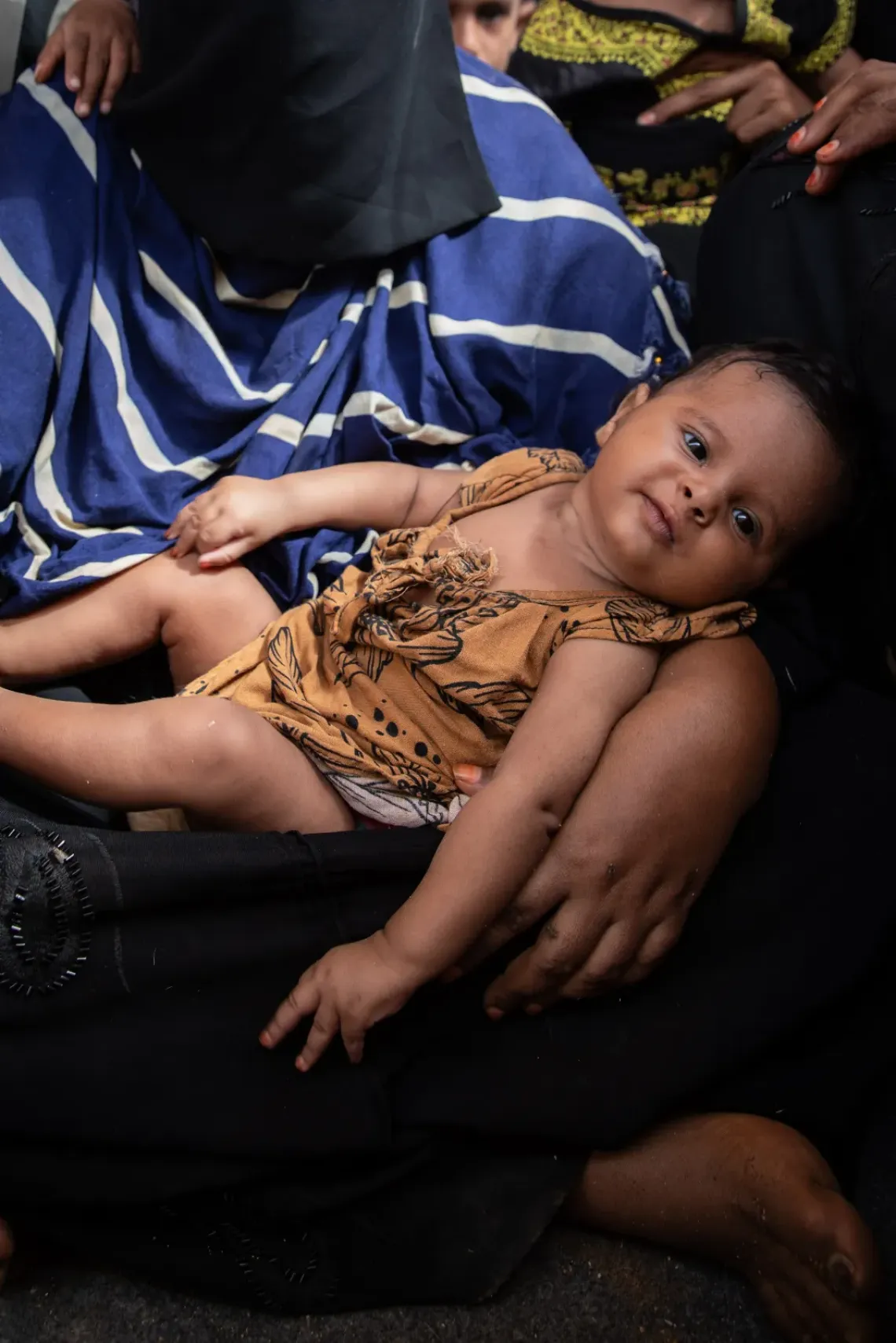
They fled their homes in a hurry, crossing the sea with their families and leaving behind a daily life disrupted by conflict. Since September 2026, around 3,840 people have arrived in Djibouti from Yemen. Women and children account for 75 per cent of the new arrivals, and nearly half of all arrivals are children. In total, around 2,000 children have been registered, 16 per cent of whom are under five.
At Markazi refugee village in Obock, Djiboutian authorities, with the support of UNICEF and its partners, are assisting families from the moment they arrive.
“We fled to protect the children”
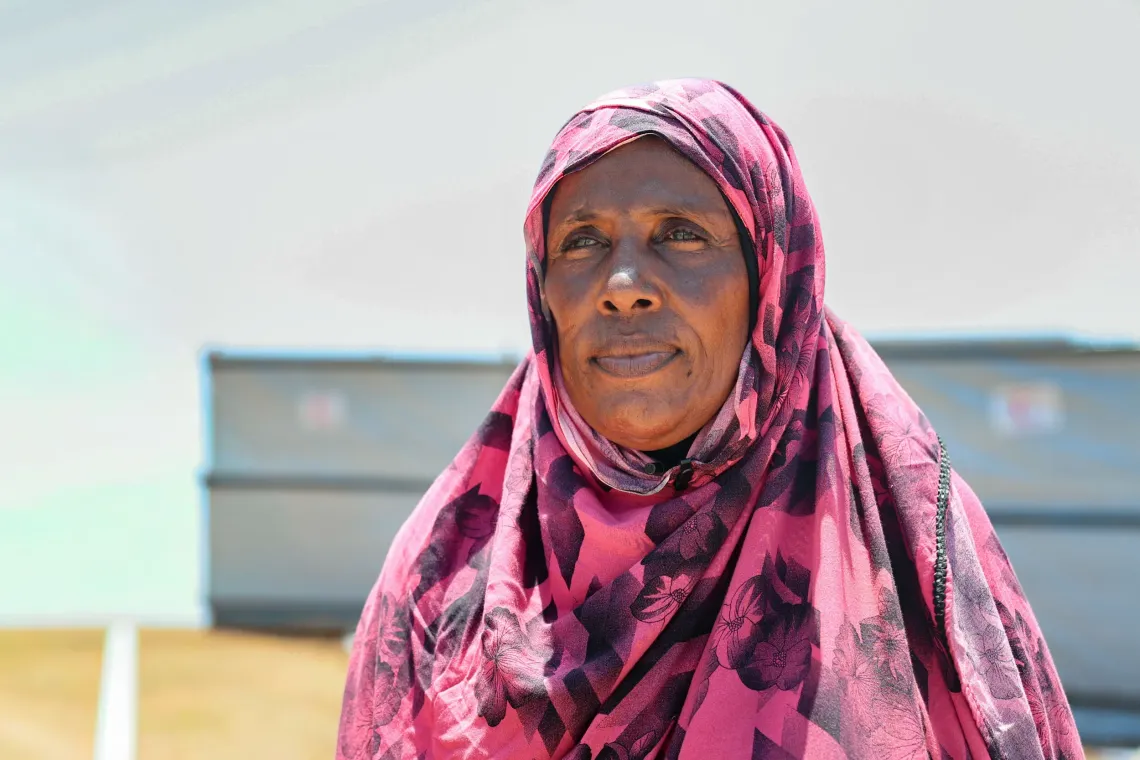
Zeinab watches her children and grandchildren gathered around her. Just a few days earlier, she was living in the village of Doubab in Yemen’s Bab el-Mandeb region. Today, she is among the thousands of people who have found refuge in Djibouti.
“I want to live in safety. I want to work to provide for my children and grandchildren, so that they can go to school and receive health care,” she says.
Like many other families, Zeinab left her village in haste. “At nine o’clock at night, fighting broke out near our home. There were armed men everywhere. We fled to protect the children.”
A widow and head of household, Zeinab left her village with her daughters, grandchildren and other relatives when the fighting moved closer to her neighbourhood. The family reached the coast in the hope of crossing to Djibouti.
The journey was extremely difficult. A fuel shortage left their boat stranded for nearly two days.
“We slept on the water with the children,” she recalls. The boat was eventually rescued by the Djiboutian Coast Guard.
Health and nutrition: addressing children’s most urgent needs
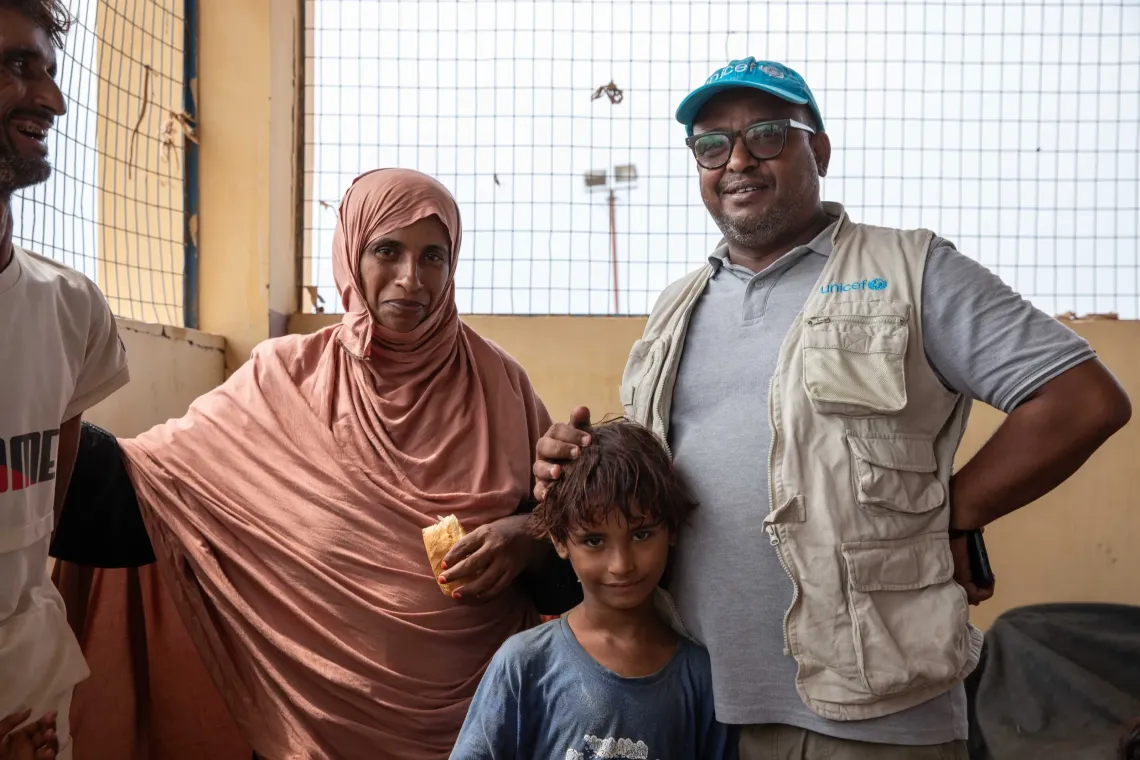
For many families, children’s health is an immediate concern. At the Markazi health post, managed by the Obock Hospital Medical Centre with support from UNICEF and its partners, hundreds of children have already received medical consultations and pregnant women have benefited from antenatal care. More than 740 consultations for children under five have been provided since the arrivals began.
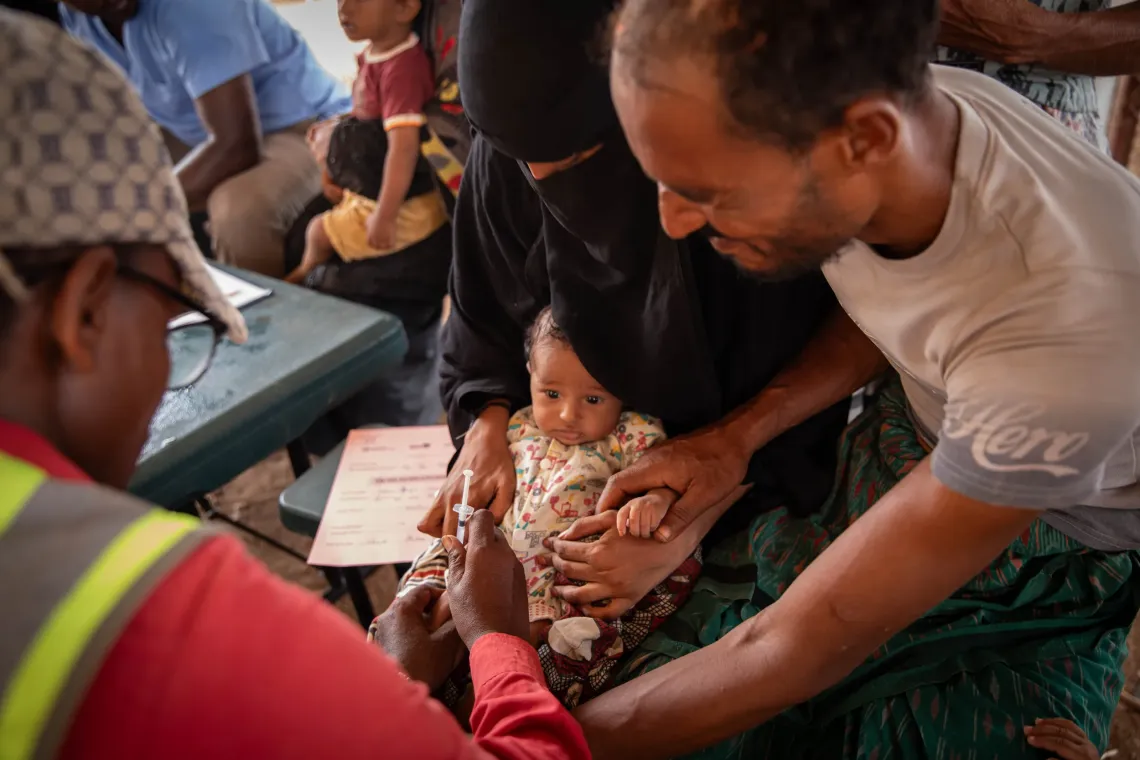
For the youngest children, vaccination is often one of the first steps after arrival. At just two months old, little Saada, accompanied by her parents, received her first vaccines at Markazi.
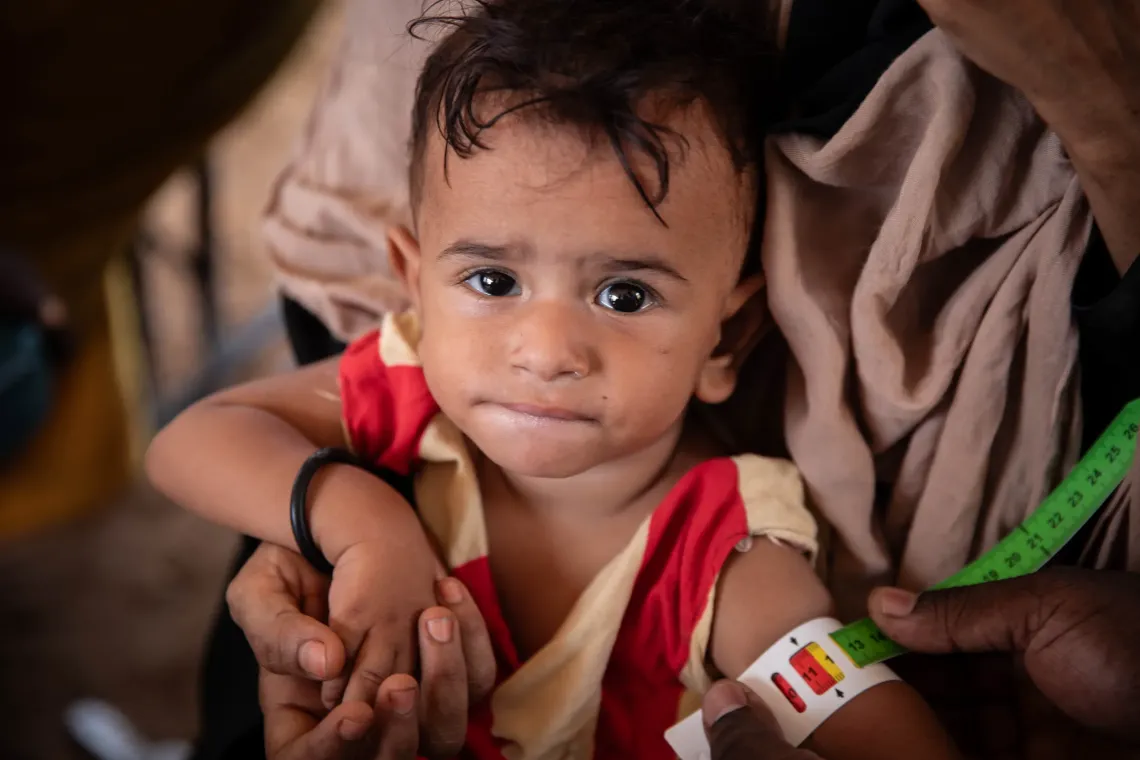
Medical teams also work to quickly identify children suffering from malnutrition so they can receive appropriate care. As of 19 October, around 330 children aged 6 to 59 months had been screened. Among them, 79 were diagnosed with severe acute malnutrition, including young Aziz, while 115 were suffering from moderate acute malnutrition.
Water: a daily priority
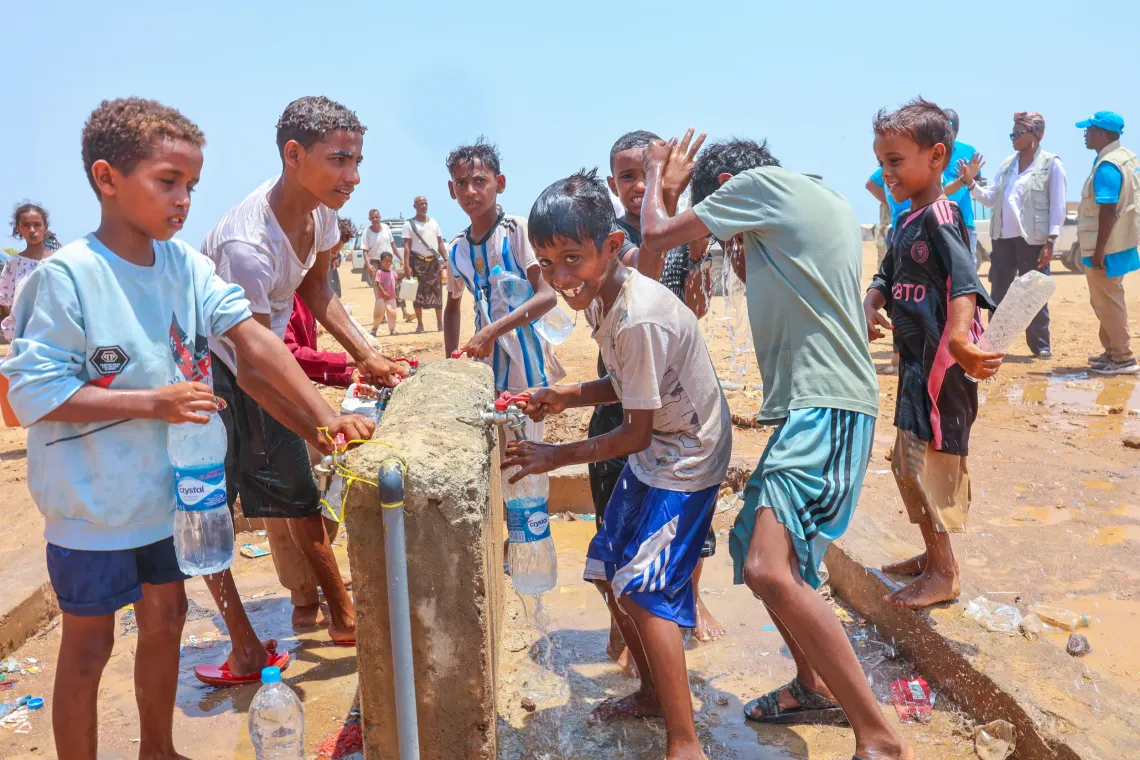
The rapid increase in arrivals has created additional needs for water, sanitation and hygiene services within the refugee village. Alongside the Djiboutian Red Crescent and the International Organization for Migration (IOM), UNICEF is helping strengthen Markazi’s infrastructure. Water points have been installed or rehabilitated, and around 40 emergency latrines have been built to support the expansion of the site.
Access to water also relies on the commitment of volunteers from the refugee community. Originally from Yemen, Saada helps with the daily management of the village’s water points and raises awareness among families about good hygiene practices. Like her, other volunteers help inform and guide families towards health facilities, nutrition services and child protection support.
Finding a space to play and express themselves
For children who have fled violence, regaining a sense of safety also means having opportunities to play, learn and express their emotions.
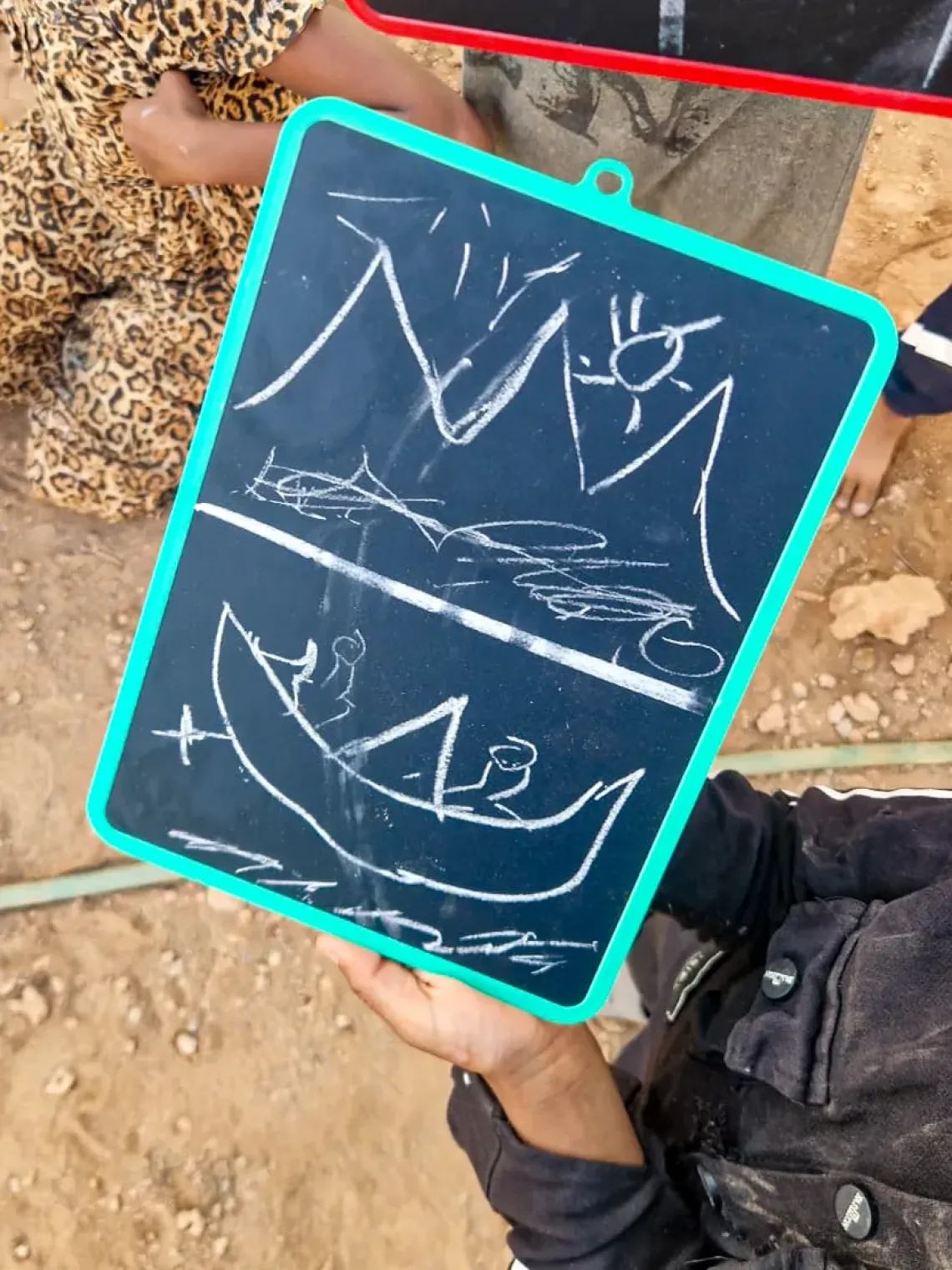
At the Child-Friendly Space established by UNICEF, Ayan drew a child running under bombardment. Others drew their boat journey to Djibouti. Some chose to draw houses, flowers or hearts, reflecting their hope of finding a peaceful life again.
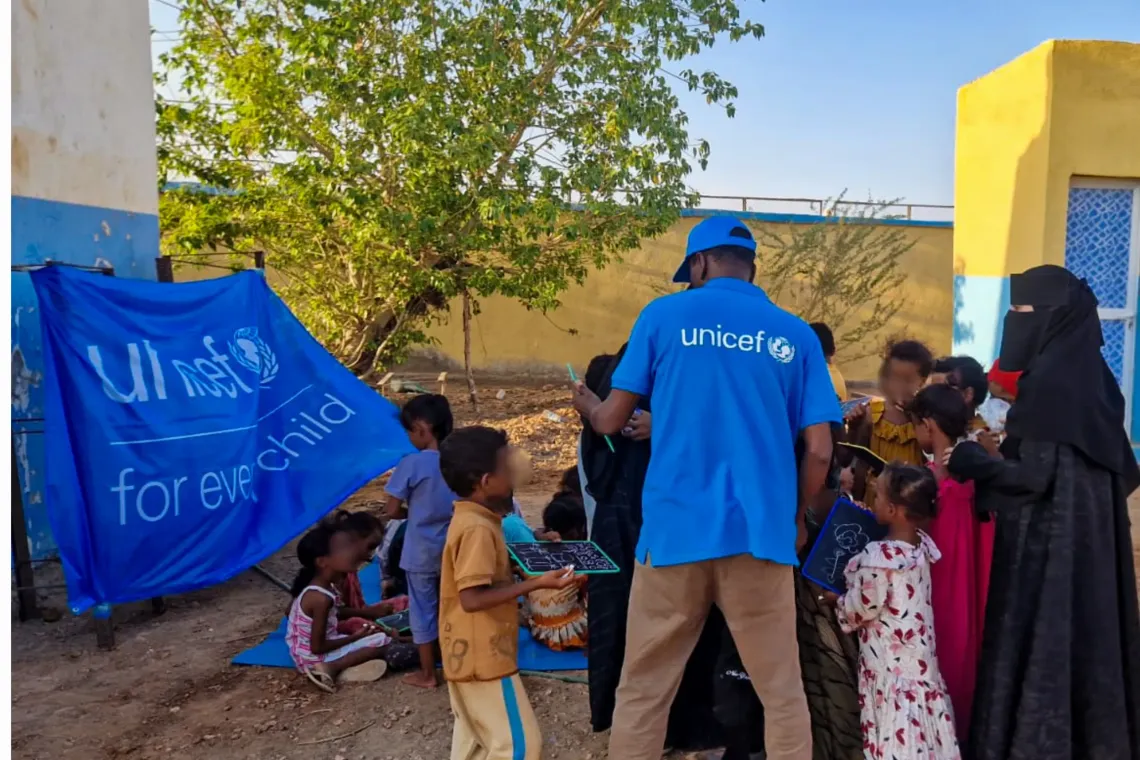
With the support of Yemeni volunteers, including Fozia, Anfal, Amal and Helma, children take part in recreational and creative activities. Since September, 540 children aged 4 to 9 years, 69 per cent of whom are girls, have participated in activities at the space. Teams also provide tailored support to children who have experienced difficult situations during their displacement.
A collective effort for children and their families
For Zeinab and thousands of other parents, the hope remains the same: to see their children grow up safe and healthy, attend school and look to the future with greater peace of mind.
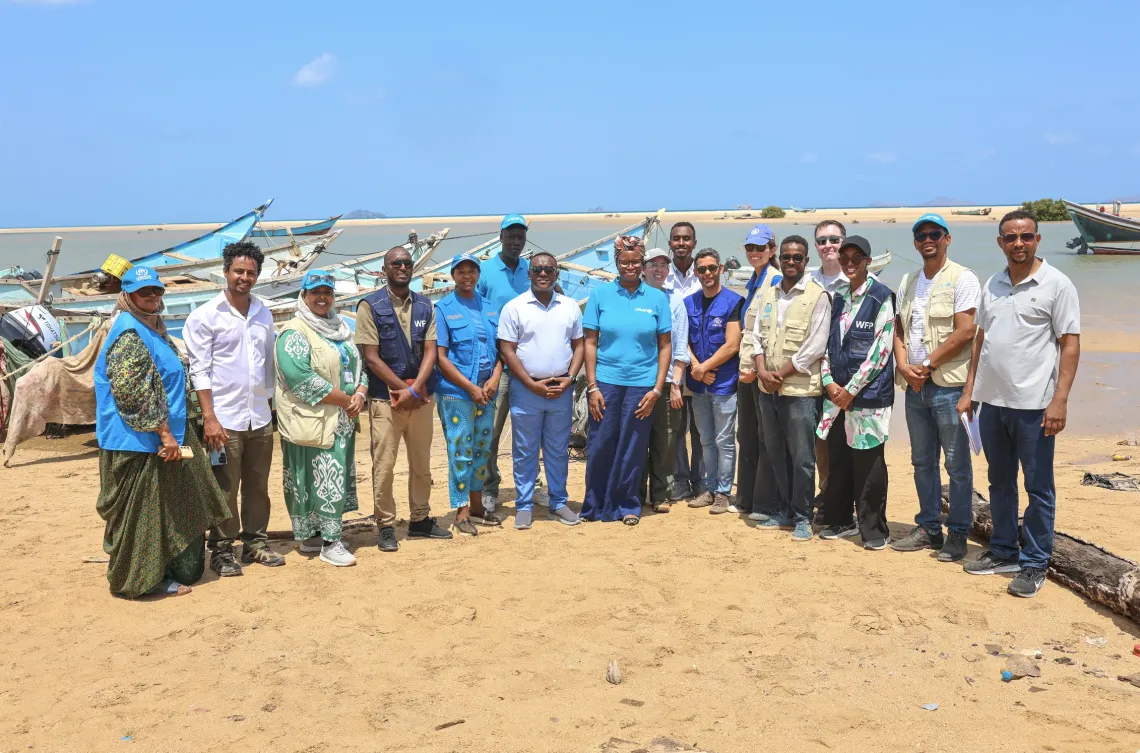
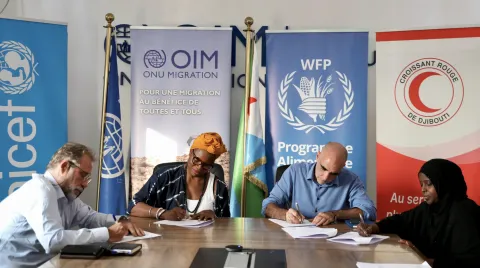
Under the leadership of the Government of Djibouti, through the National Office for Assistance to Refugees and Disaster Victims (ONARS), the Prefecture and the Regional Council of Obock, UNICEF works in coordination with the Djiboutian Red Crescent, the United Nations High Commissioner for Refugees (UNHCR), the International Organization for Migration (IOM), the World Food Programme (WFP), the United Nations Population Fund (UNFPA) and other partners to support children and their families in the areas of health, nutrition, child protection, water, sanitation and hygiene.
To respond to the needs of children and families from the moment they arrive, UNICEF rapidly mobilized its emergency thematic funds. UNICEF thanks the European Union, the Government of Italy, the Government of the United States and the United Nations Central Emergency Response Fund (CERF), managed by the United Nations Office for the Coordination of Humanitarian Affairs (OCHA), for their support to children and families hosted at Markazi refugee village.