At the heart of a campaign for children’s health
An inside look at a national campaign for polio vaccination, vitamin A supplementation, and deworming
- English
- Français
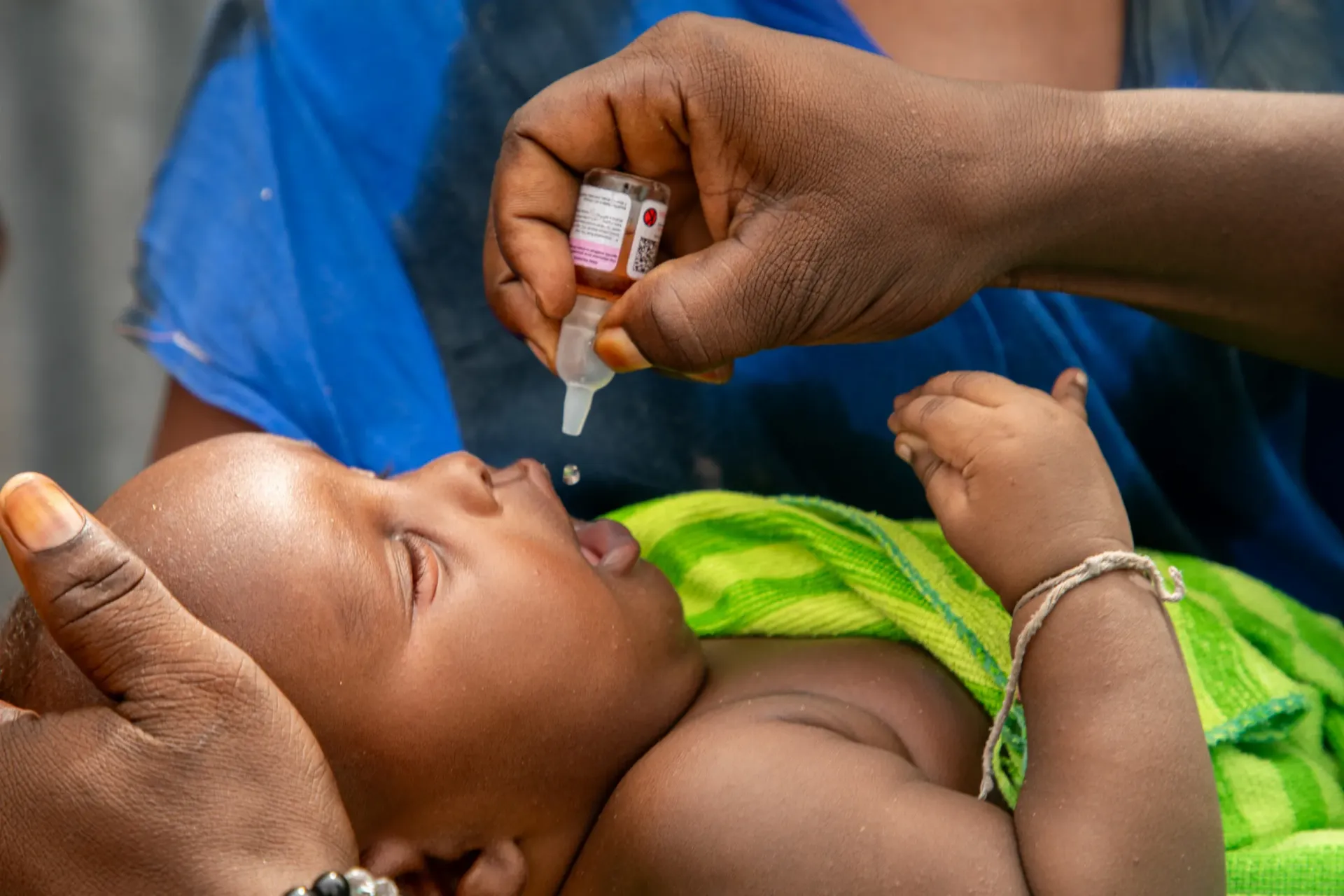
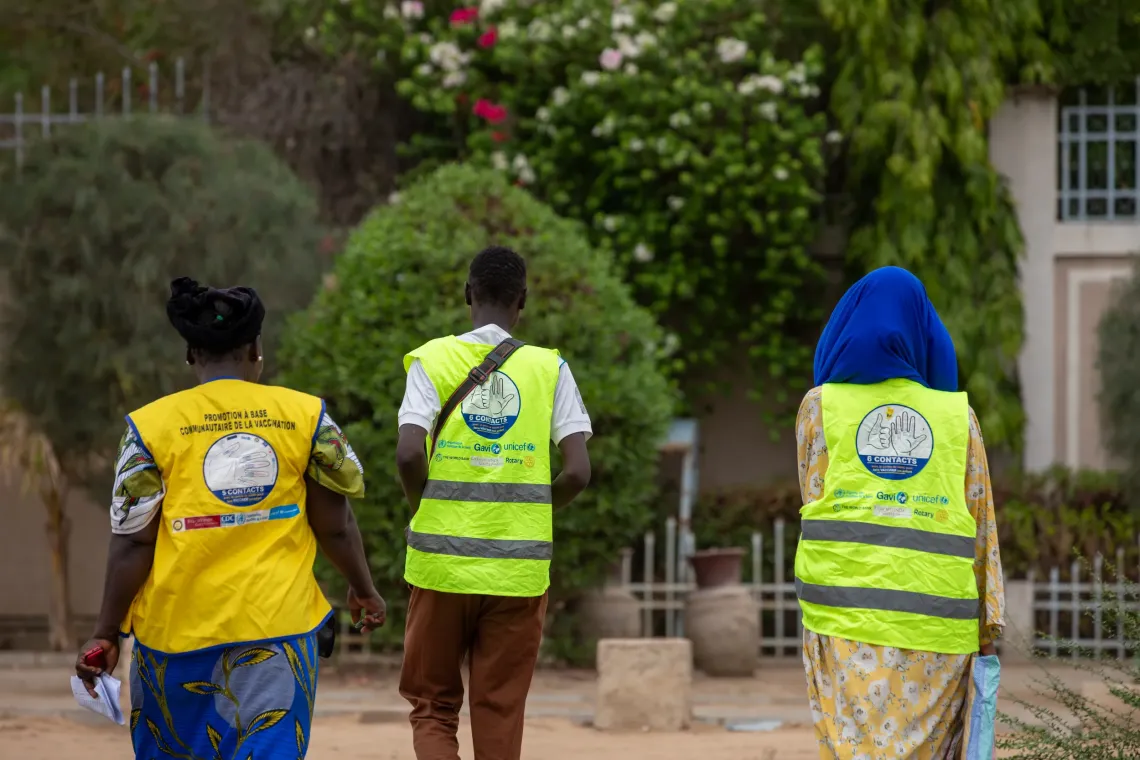
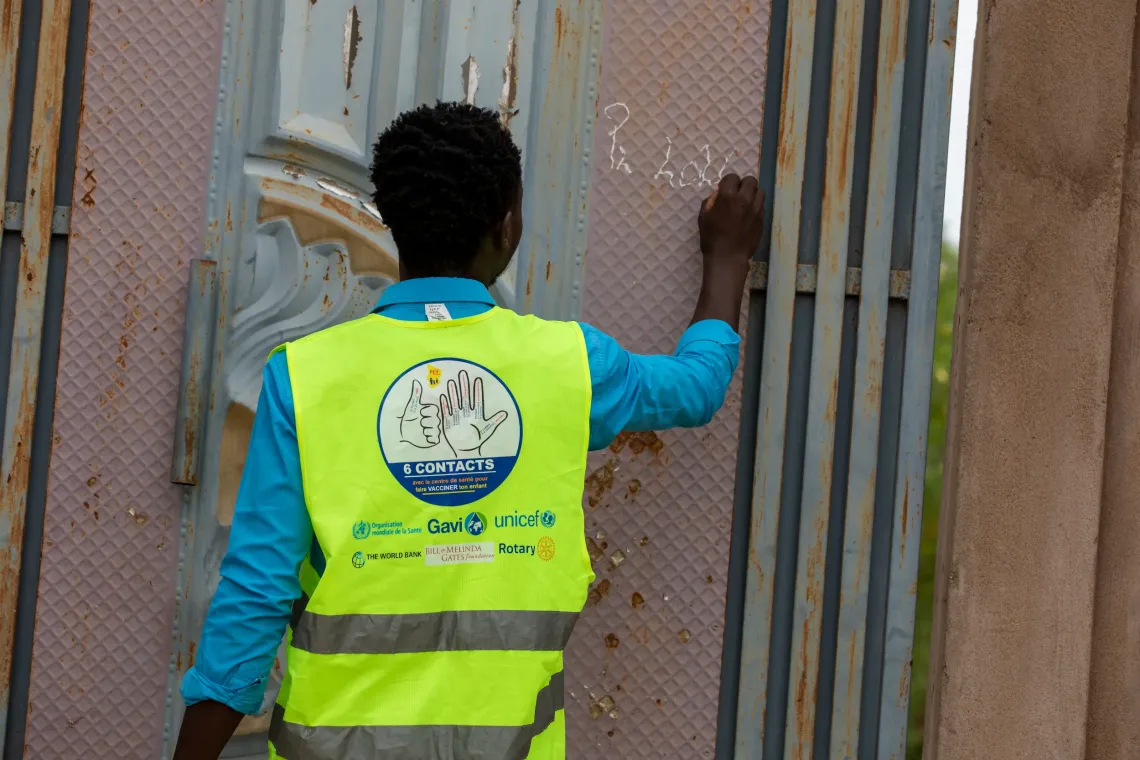
The sun has barely risen over the city of N'Djamena, yet the teams leading the national campaign for polio vaccination, vitamin A supplementation, and albendazole deworming are already in the field. Assigned to different zones and neighborhoods, they move from one household to the next with a shared mission: to protect every child.
In their bags are a few essential tools: the polio vaccine, vitamin A capsules, and albendazole tablets. But their work goes far beyond administering these life-saving interventions. At every doorstep, they take the time to explain the purpose of the campaign, listen to parents' concerns, and answer their questions.
This national campaign, led by the Ministry of Public Health and Prevention with the support of UNICEF and its partners, and made possible through funding from KSrelief, Global Affairs Canada, End Polio Now, Rotary International, Nutrition International, the European Union, the Gates Foundation, and the World Bank, aims to protect more than 6.5 million children across Chad from preventable diseases while supporting their healthy growth and development.
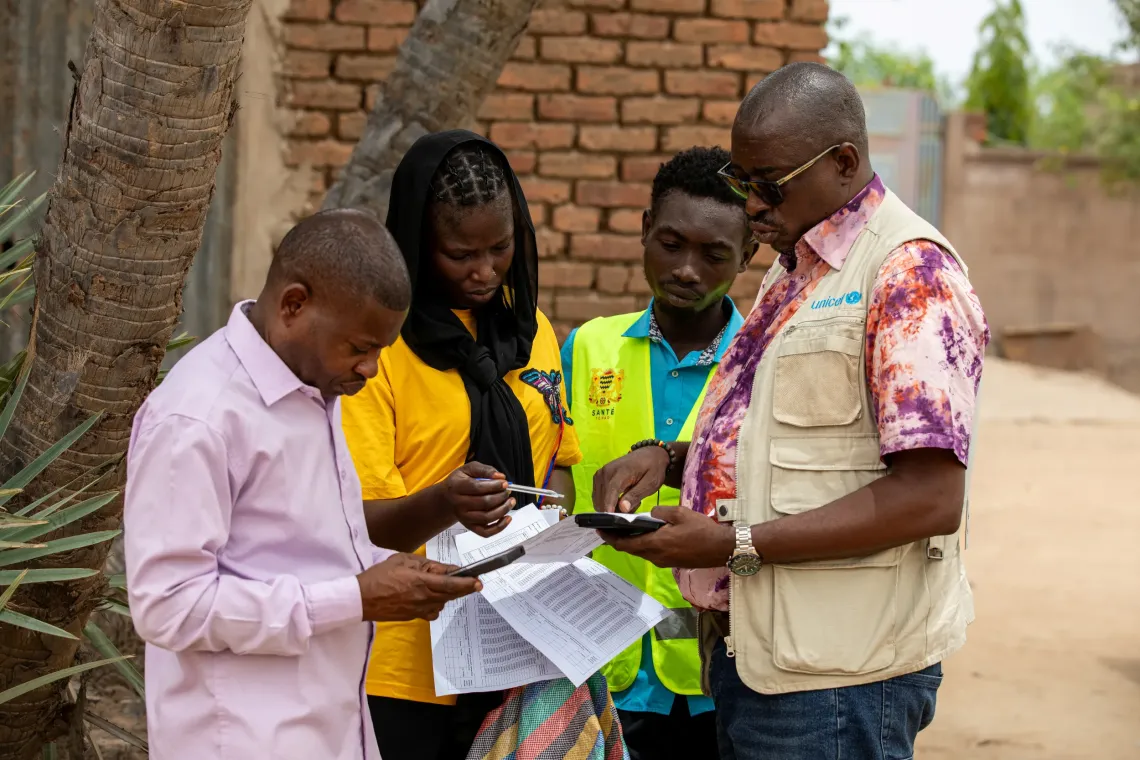
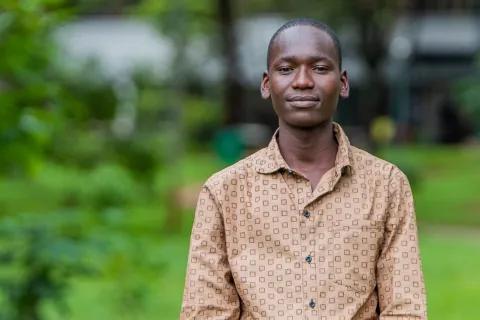
Among the UNICEF teams deployed in the field is Jacob Serge Akono, a Social and Behaviour Change (SBC) consultant with UNICEF's Regional Polio Team. On mission in Chad, he provides technical support for the implementation of the vaccination campaign in N'Djamena and surrounding areas.
For him, the day begins well before sunrise.
"A typical campaign day starts around 5:00 a.m. We have to get ready quickly so we're prepared before the vaccination teams set out. Between 7:30 and 8:00 a.m., we take part in national and regional coordination meetings before joining the supervision teams in the health districts."
Every morning, information gathered from the field is shared and analyzed to guide the day's activities and ensure that any challenges are addressed promptly.
"Once we arrive in the districts, we accompany the supervision teams and vaccinators. We observe how activities are being carried out, monitor the quality of the vaccination..."
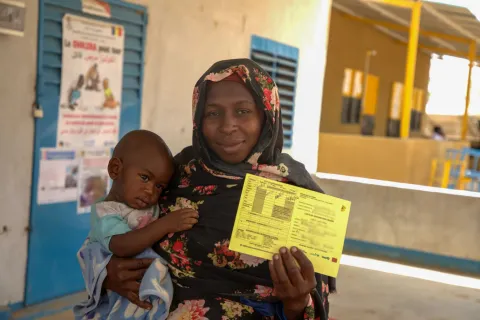
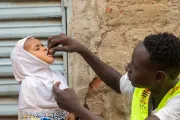
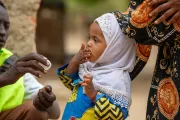
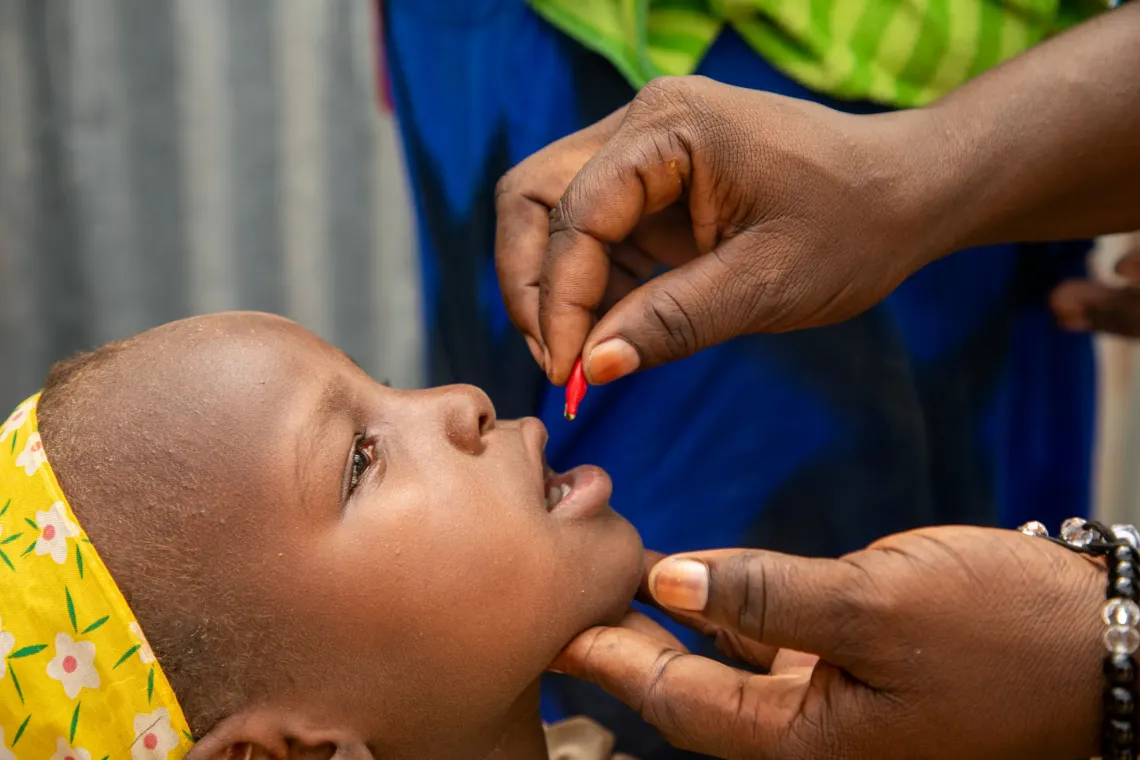
Throughout the day, Jacob accompanies several vaccination teams as they visit households across N’Djamena and its surrounding areas. Among the families they meet is that of Amahani, a 2-year-old girl who receives her polio vaccine, a dose of vitamin A, and an albendazole tablet for deworming.



After N’Djamena, the journey continues to Klessoum, a locality located on the outskirts of the capital, to continue monitoring vaccination activities in the field. There, the team meets Falmata, 19, who is participating in her first vaccination campaign.
With enthusiasm, she goes from household to household alongside her team.
“This is my first time taking part in a vaccination campaign. I am happy to contribute to protecting children because vaccination is important for their health.”
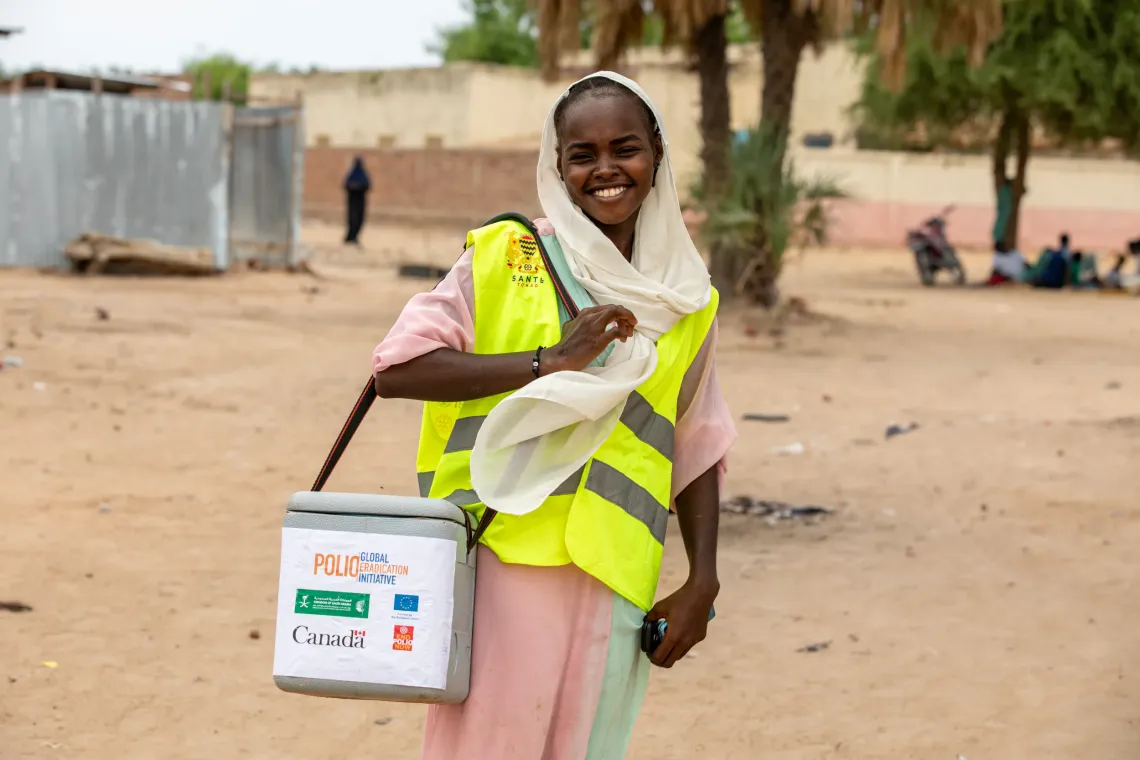
Like Falmata, thousands of vaccinators, community health workers, and health personnel are mobilized across the country to reach every child, including those in the most hard-to-reach areas.
Beyond supporting vaccination activities, Jacob Serge and the teams engage with families to understand their concerns and strengthen their commitment to the campaign.
“Seeing a healthy child become paralyzed is a horrifying experience. I have witnessed this, and I would not wish it on any family. That is what motivates me every day. I want this to stop, so that polio is no longer a threat to our children.”
With the support of its partners, UNICEF stands alongside the Ministry of Public Health and Prevention to strengthen essential health interventions and bring services closer to communities. Together, they are helping protect children against polio and other preventable diseases, including in the most hard-to-reach areas.