UNICEF at the forefront of structuring faecal sludge valorisation
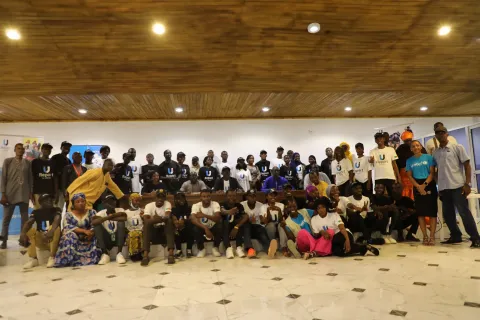
On 17 and 18 March 2026 in Mbankomo, around thirty public- and private-sector actors, along with technical partners, took part in a workshop presenting two studies on the valorisation of sludge from the Etoa treatment plant.

Organised as part of a project led by UNICEF, this meeting aimed to review the findings of the market study on by-products, as well as models for the outsourcing of public services accompanied by business plans.
An environmental and economic challenge
In Yaoundé, around 49% of faecal waste is treated at the Etoa plant. However, the by-products of this treatment remain largely underutilised, posing environmental and health risks and contributing to greenhouse gas emissions. The project aims to promote recovery solutions through public-private partnerships, particularly in the fields of compost, energy and construction materials.

Discussions to refine the proposed models
Over the course of two days, participants alternated between plenary sessions and group work. The discussions provided an opportunity to analyse the viability of the identified markets, assess the proposed management models and draw up recommendations.
The participants’ contributions led to amendments being made to the reports and to the identification of areas for improvement with a view to implementing pilot projects.
“This workshop has given us a better understanding of the economic potential of by-products. It’s no longer just about waste management, but about creating value,” explains a participant from an environmental organisation.
The recovery of sewage sludge forms part of a wider drive to reduce greenhouse gas emissions, adapt to climate change and improve the environment in which children grow up.
A clean, safe and resilient environment is essential for their health, learning and development.
For UNICEF, this project represents a key lever for:
- Improve sanitation services;
- Reducing health risks in residential areas;
- Promoting the circular economy;
- And support local authorities in the transition to more sustainable solutions.
The recommendations arising from this workshop will guide the next phases of the project, in particular the launch of a national survey on the suitability of public-private partnerships for developing practical solutions for the recovery of sewage sludge in Yaoundé and
UNICEF will continue to support national and local authorities in accelerating the implementation of sustainable, inclusive and safe models capable of protecting public health whilst strengthening the resilience of communities.
Because a healthy environment is a fundamental right, and because every child deserves to grow up in a clean, safe and nurturing environment.