UNICEF and Cambodia renew commitments to improving nutrition for all

- English
- Khmer
PHNOM PENH, 13 JUNE 2025 – The Ministry of Health of the Royal Government of Cambodia today launched the Fast Track Roadmap for Improving Nutrition 2023–2030, a second national-led initiative aimed at accelerating progress to tackle the burden of malnutrition and ensure every child, adolescent, and adults has access to the nutrition they need to thrive. The roadmap is led by the Ministry of Health in collaboration with relevant ministries and supported by UNICEF and development partners.
In recent years, Cambodia has made significant progress in the lives of its children. Between 2014 and 2021, the rate of stunting among children under 5 declined from 32 to 22 per cent. However, one in 10 children under 5 continues to suffer from wasting, one of the most life-threatening forms of malnutrition. The prevalence of wasting has remained unchanged in the past decade, highlighting the urgent need to renew and scale up efforts to improve child nutrition.
At the same time, the rate of children being overweight increased from 2 per cent to 4 per cent between 2014 and 2021, and concerning trends in child feeding practices reveal that only 54 per cent of children are early initiated to breastmilk and only 50 per cent of children are exclusively breastfed in their first 6 months.
“The Royal Government of Cambodia is committed to improving nutrition for all by establishing a quality nutrition service delivery system and interventions,” said His Excellency Professor Chheang Ra, Minister of Health. “The health system has integrated nutrition services into primary healthcare services, which contributes to promoting optimal nutrition and the best start in life. The Rectangular Strategy for Growth, Employment, Equity, and Efficiency Phase IV and the National Strategic Development Plan (2019-2023) reaffirm the Royal Government of Cambodia’s strong commitment to the Sustainable Development Goals for 2030, specifically reducing poverty and promoting health, nutrition, and hygiene, especially among the poor and vulnerable.”
The roadmap aims to ensure that all communities in Cambodia have access to optimal nutrition, health, and well-being. It sets a national target of reducing the prevalence of wasting among children under 5 to 5 per cent by 2030, while accelerating progress to universal access to quality nutrition interventions during middle childhood and adolescence, for women of reproductive age, and during pregnancy, birth, and the postnatal period.
By limiting a child’s ability to reach their full potential, child wasting has lasting impacts on human capital and national progress. Extreme weather linked to climate change, which threatens food security, provides additional barriers to ensuring children and communities have access to nutritious diets and to breaking the cycle of malnutrition.
“A child deprived of adequate nutrition both in quantity and quality is not only stunted in physical growth but also faces long-term setbacks in cognitive development, drastically reducing their chances of learning, thriving, and accessing future opportunities,” said Dr. Anirban Chatterjee, UNICEF Deputy Representative to Cambodia. “This Fast Track Roadmap represents a renewed commitment to eliminating child wasting in Cambodia and improving nutrition for all, an ambitious goal which will require coordinated action across government ministries, civil society, the private sector, and development partners. UNICEF reaffirms its commitment to supporting the Royal Government of Cambodia in scaling up effective interventions, investing in nutrition at all levels, and safeguarding the health and potential of its next generation.”
The roadmap outlines a comprehensive, life-cycle approach, focusing on four key groups: women of reproductive age, children under five, school-aged children, and adolescents. Its core priorities include:
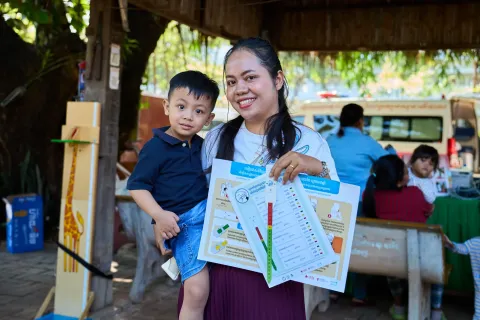
- Community-based screening and treatment of malnutrition, including the use of the family Mid-Upper Arm Circumference (MUAC) method, growth monitoring, and preventive services such as vitamin A supplementation and deworming.
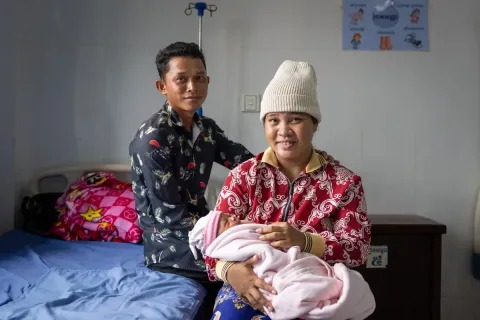
- Enhanced nutrition for pregnant and lactating women through antenatal counselling, micronutrient supplementation, and support for early initiation and exclusive breastfeeding, enabled by maternity leave policies and breastfeeding-friendly workplaces.
- Enhanced infant and young child feeding through improved breastfeeding practices, complementary feeding, and child growth monitoring and promotion.
- Nutrition education and school meal programmes for adolescents, especially girls, to address both undernutrition and the rising risk of obesity.
- Increased use of locally produced therapeutic foods, such as Nutrix, which is made in Cambodia, for the treatment of acute malnutrition.
- Greater domestic investment in nutrition, including budget allocations for Ready-to-Use Therapeutic Food (RUTF), and stronger governance and private sector partnerships to ensure sustainability.
Media contacts
About UNICEF
UNICEF promotes the rights and wellbeing of every child, in everything we do. Together with our partners, we work in 190 countries and territories to translate that commitment into practical action, focusing special effort on reaching the most vulnerable and excluded children, to the benefit of all children, everywhere.
For more information about UNICEF and its work for children, visit www.unicef.org.