Vitamin A supplementation campaign, deworming, and screening for acute malnutrition
With UNICEF support, the door-to-door strategy enabled community health workers in 15 provinces to boost child immunity in 40 health districts in Burundi.
- English
- Français
The sky was overcast with grey clouds. It was about to rain. A few minutes after our arrival in Muramvya province, the governor, who had obviously been expecting us, welcomed us into his office. PRONIANUT's director took the opportunity to greet him and explain the purpose of our mission. After a warm exchange, the governor invited us to go out and meet the communities.
We immediately realized that the campaign would soon be launched. The delegation went to a family house on Ndago hill in Muramvya province. We found Christophe, a community health worker (CHW), in the middle of a nutrition education session as part of the campaign. He showed us the supplies he had received: vials of vitamin A capsules, vials of tablets, and vials of Albendazole oral suspension.
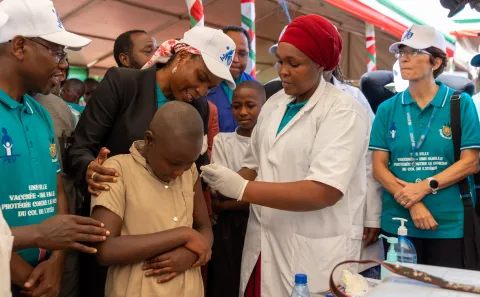
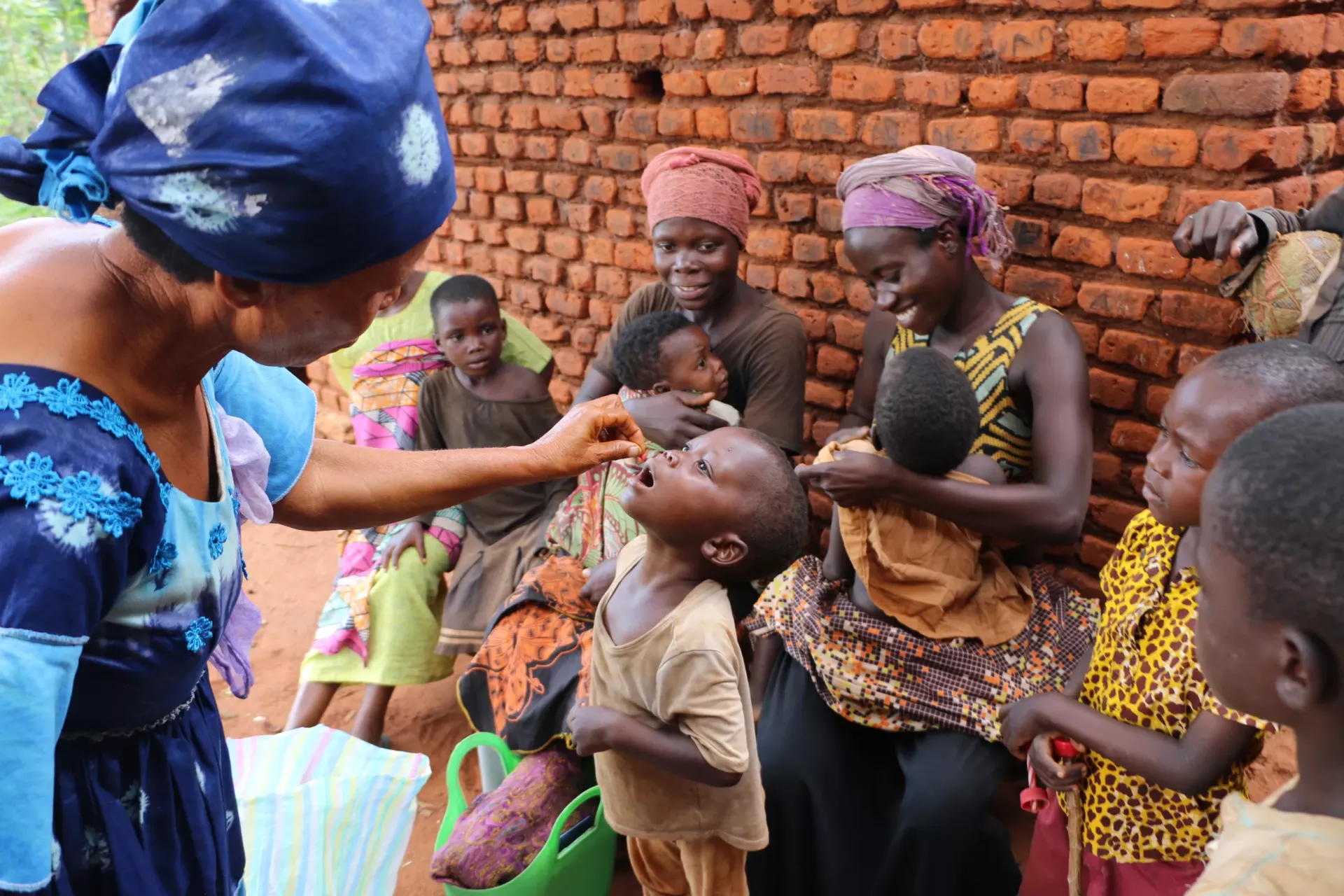
The Governor, Dr. Fidèle, the Director of PRONIANUT, and Dr. Jean Michel Goman (UNICEF Nutrition Specialist) administered vitamin A capsules and Albendazole tablets to the children in the class. The campaign had just been launched in Muramvya province.
The Governor of Muramvya urged all stakeholders to take action: "I invite provincial, communal, and local administrative officials, local and international NGOs, the media, and opinion leaders to get involved at all levels so that this activity becomes a right to health for all children and a noble duty for community health workers to ensure this right," he announced at the launch of the campaign in his province on Ndago hill. He thanked all the partners, including UNICEF, for their support in promoting child health and nutrition, particularly for children under five.
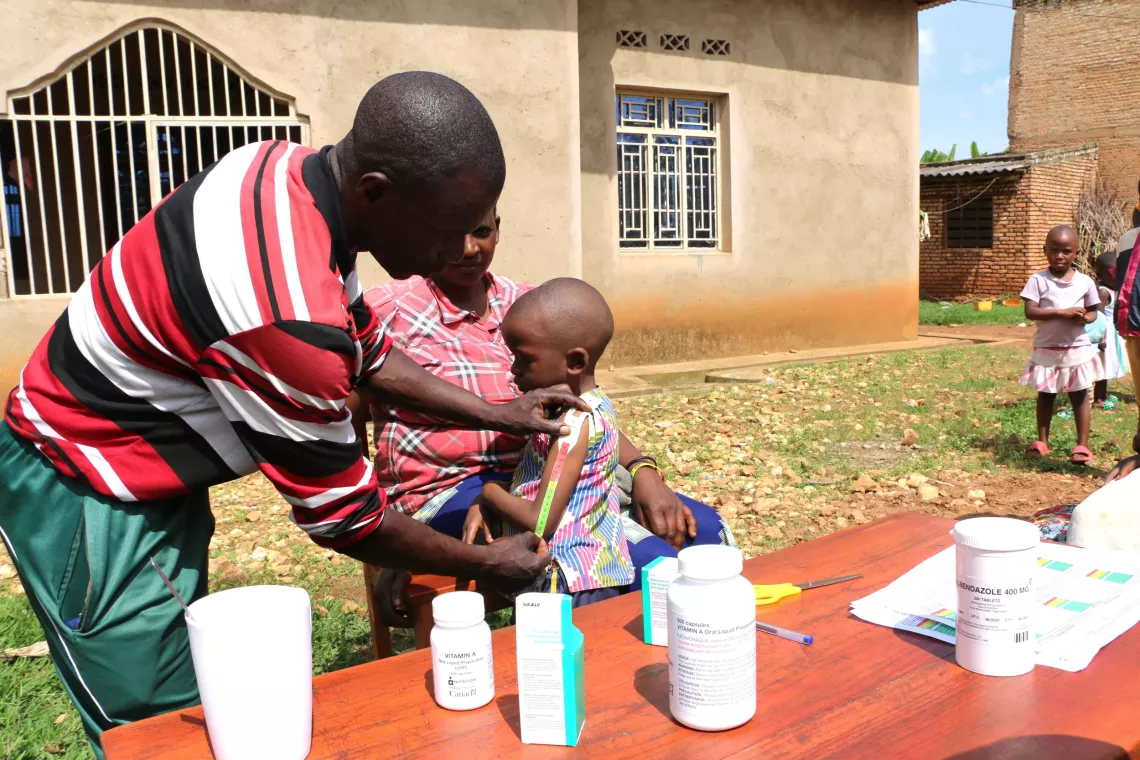
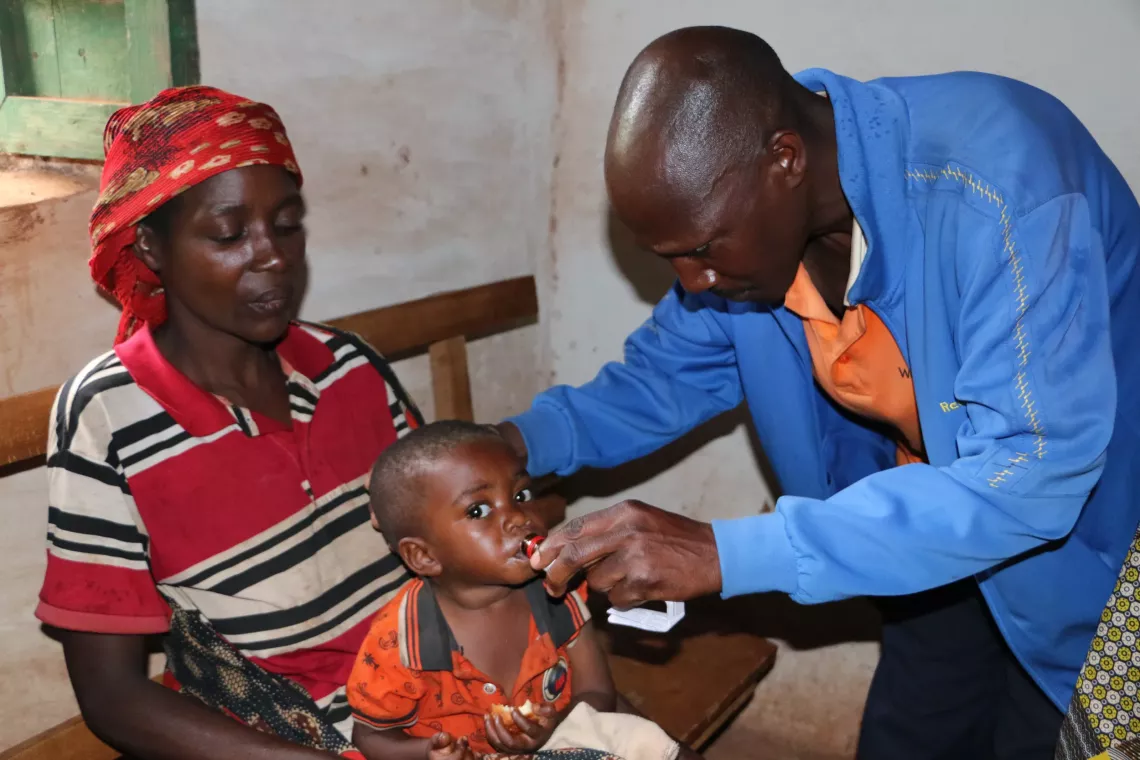
Using a three-day door-to-door strategy, community health workers covered all the hills and sub-hills of the province to supplement vitamin A, screen children aged 6-59 months for acute malnutrition, and deworm children aged 12-59 months with Albendazole.
Proud of his work, Christophe told us: "I can't leave out any of the children targeted by this campaign. I know everyone. I visit the households on this hill at least three times a week."
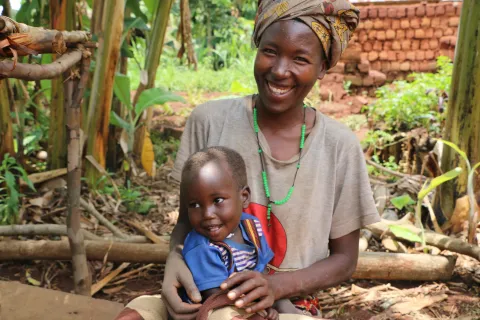
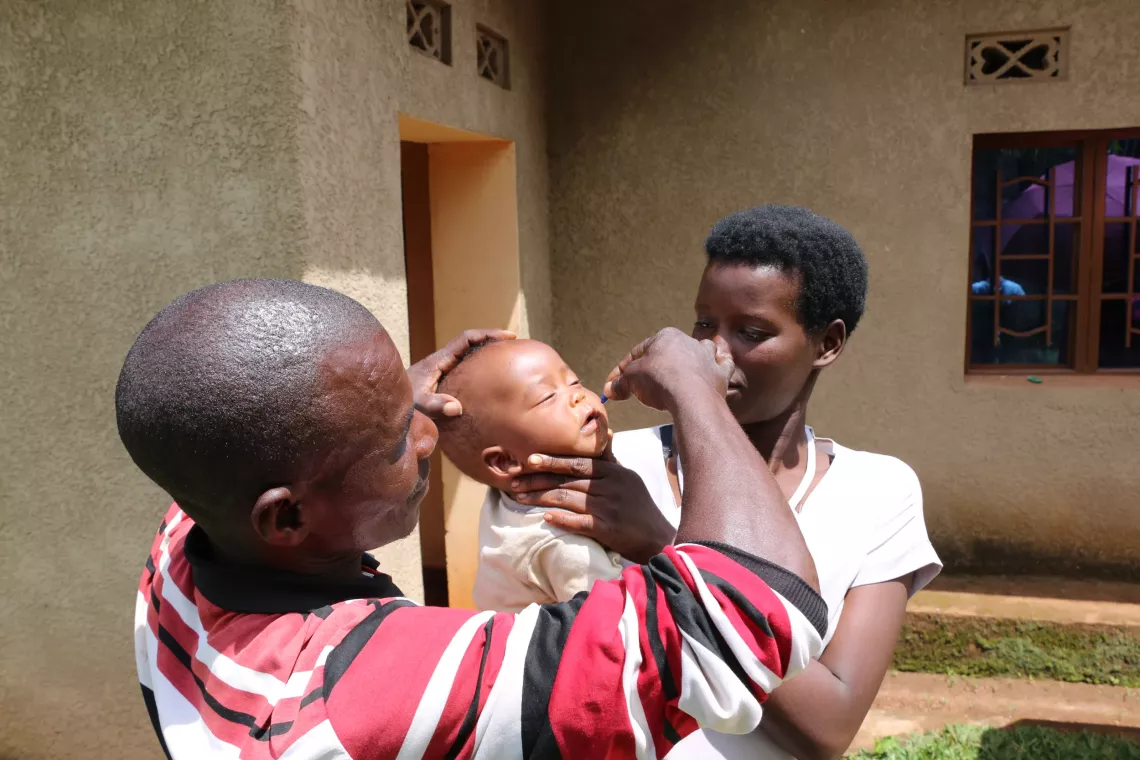
As we followed Christophe from house to house, we noticed that the supplies he used contained red and blue capsules. At one household, we met Mireille, a mother with a child just a few months old. She explained why the CHW had given her child the blue capsule for vitamin A supplementation: "My child is six months old. That's why he received a dose from the blue capsule. I want my child to develop immunity as he grows up and remain free from infections."
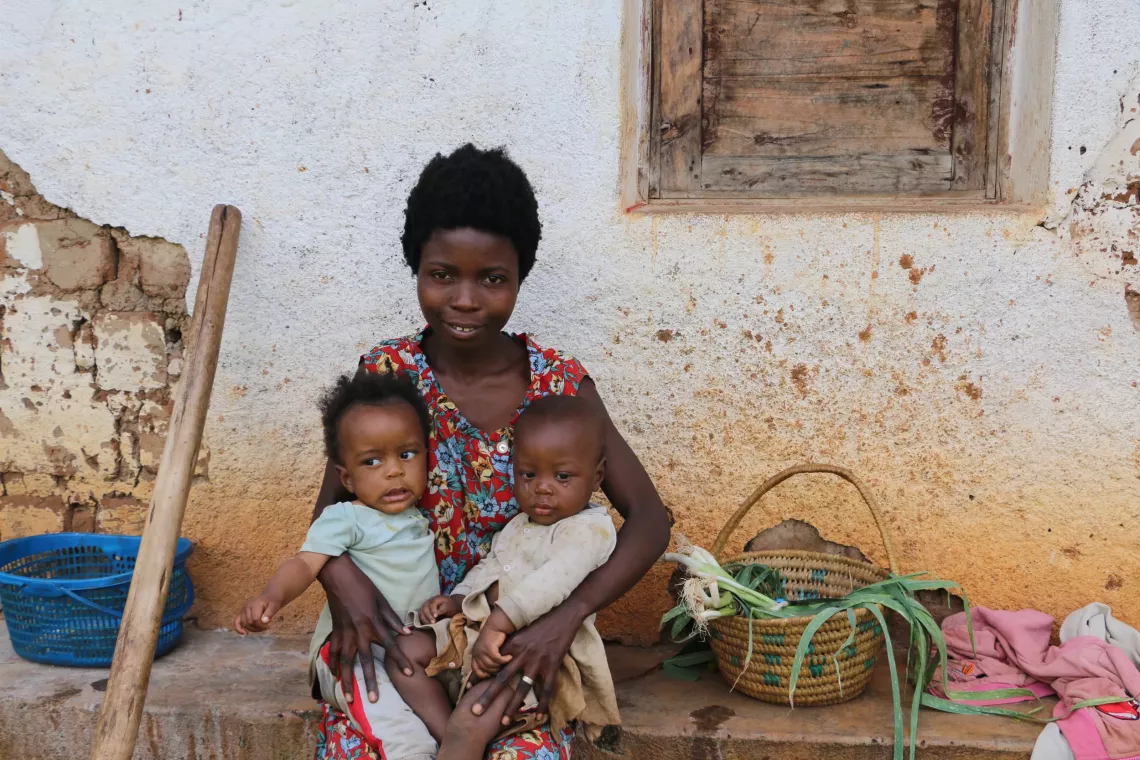
Everywhere we went, parents were eagerly awaiting the arrival of the CHWs. Curious, we approached a mother who seemed particularly pleased. The door-to-door strategy had been a great help to her: "I have twins, and my husband is away at work. If I had to go to the health center for my children's supplements, it would be very hard for me to carry my twins and prepare food for my family," she told us.
On the second day of the campaign, we visited the commune of Kiganda. There, Souavis, a CHW from Kayange hill, was going from household to household, seemingly unfazed by the raindrops falling on her. She has been serving her community for eight years and is deeply committed to her work: "When I have to visit households, even if it's raining, I continue my task of protecting the children," she told us, with a rain-soaked loincloth covering her head.
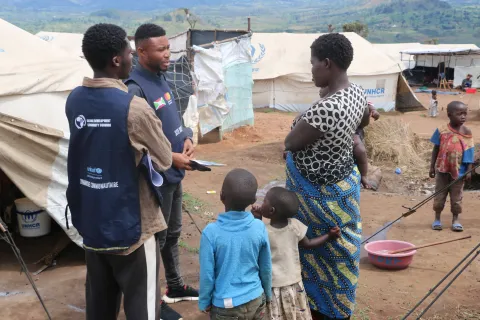
During the campaign, which covered 15 provinces in Burundi, approximately 1.7 million children aged 6-59 months (98.02%) received vitamin A supplementation, over 1.6 million children aged 6-59 months (94.41%) were screened for acute malnutrition, and over 1.5 million children aged 12-59 months (102.25%) were dewormed with Albendazole, including those in internally displaced persons (IDP) sites and refugee camps.
As a result of this campaign, 14,627 children with severe acute malnutrition were diagnosed and started on appropriate treatment. Additionally, 24,836 children suffering from moderate acute malnutrition were admitted to nutritional training and rehabilitation centers (FARN).
This activity, financially and technically supported by UNICEF, took place from 18 to 20 December 2024 in 40 health districts. The provinces of Bujumbura Mairie, Karusi, and Kirundo received the same package through routine activities.