Rugombo: UNICEF fights diseases linked to lack of hygiene with sanitary infrastructures.
UNICEF has initiated a strategy aimed at making water available in the most affected communities and in crowded places for raising awareness among the population about the need to build toilets in households.

- English
- Français
The commune of Rugombo, in the province of Cibitoke, is facing a major problem: a shortage of drinking water. The population is forced to drink river water, which is often contaminated. This situation is leading to the spread of diseases linked to poor hygiene, in particular cholera, diarrhoea and dysentery.
In order to curb this health situation, UNICEF is actively intervening by ensuring access to drinking water through the rehabilitation and extension of drinking water networks. Awareness-raising campaigns have also been organized on good hygiene practices, in particular hand-washing with soap and water. In addition to awareness-raising campaigns for the construction of latrines, 250 households have benefited from support in the form of latrine construction materials.
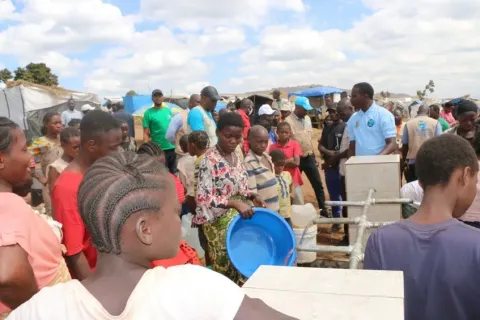
UNICEF has concentrated its efforts on areas where there is a high concentration of people, or places frequented by large numbers of people, in order to install water tanks. Among the sites that have benefited from these water tanks are the Rugombo health centre and the Mparambo neighbourhood, places where the need for water is vital and where water supplies help to improve living conditions.
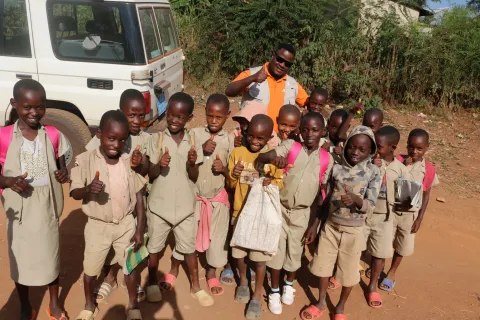
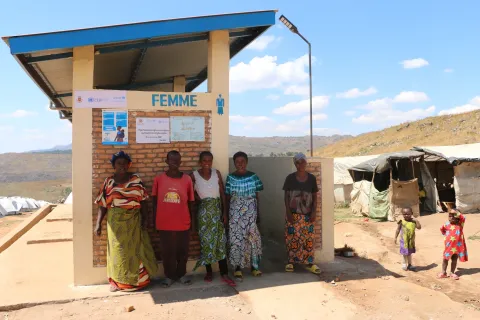
At Nyakagunda primary school, UNICEF has installed a water ramp and toilets for teachers and pupils, while taking into account the specific needs of disabled children and gender-related aspects. According to the school's headmaster, Nsanzerugeze Abbas, this donation has considerably facilitated hygiene management at the school and has strengthened their efforts to combat diseases linked to a lack of water. ‘This donation helps us in our daily fight against disease. For our part, we are all committed to maintaining this equipment in good condition’, he said.


The people of Mparambo 1 are clearly feeling the positive impact of the donor's efforts. Nduwimana Nusra, a 32-year-old mother of five, says: ‘Before the fountains were built, we had to buy a can of water for 300 BIF, or fetch muddy water from the Nyakagunda river. We often complained, but when we heard that UNICEF had installed one of the standpipes, it was a real celebration. It has changed our daily lives.
The initiative also included in its plan the encouragement of the population to install adequate latrines in their households, with the aim of strengthening the fight against water-related diseases and hygiene and sanitation. This is one of the major issues in the prevention of other diarrhoeal diseases, such as cholera and other diseases transmitted by dirty water and poor hygiene. By encouraging families to install suitable toilets, the aim was not only to improve living conditions, but also to raise awareness of the importance of personal and environmental hygiene.
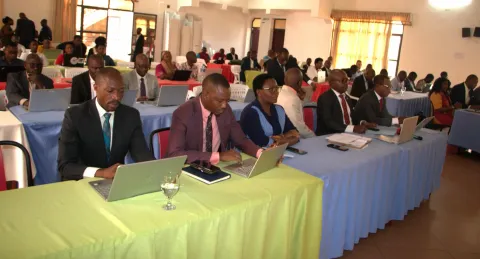
Training courses and awareness campaigns were organized in the communities by the implementing partner, the NGO AIDE, as the beneficiaries confirmed through their testimonies, explaining the dangers of open defecation and inappropriate sanitary practices.
‘These campaigns go beyond drinking water. We were made aware of the importance of building latrines and the need to wash our hands. These simple gestures help us to fight against diseases, particularly cholera’, said Ndabadogomba Fabien, a 49-year-old father, who benefited from cement blocks to build a latrine at his home.
Thanks to UNICEF's intervention, the inhabitants of the Rugombo commune, through their testimonies, are beginning to see a significant improvement in the health situation. The rehabilitation and extension of the drinking water network and awareness-raising initiatives are enabling the population to better combat diseases linked to a lack of water and hygiene. If these initiatives, funded by the Japanese government, are continued, the community could finally break the health deadlock and offer a healthier future to its residents.