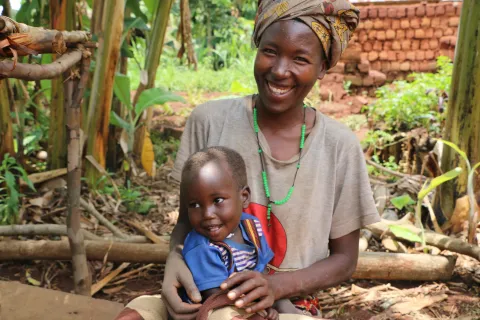
Efforts to overcome stunting
Chronic malnutrition threatens almost three quarters of children in Burundi
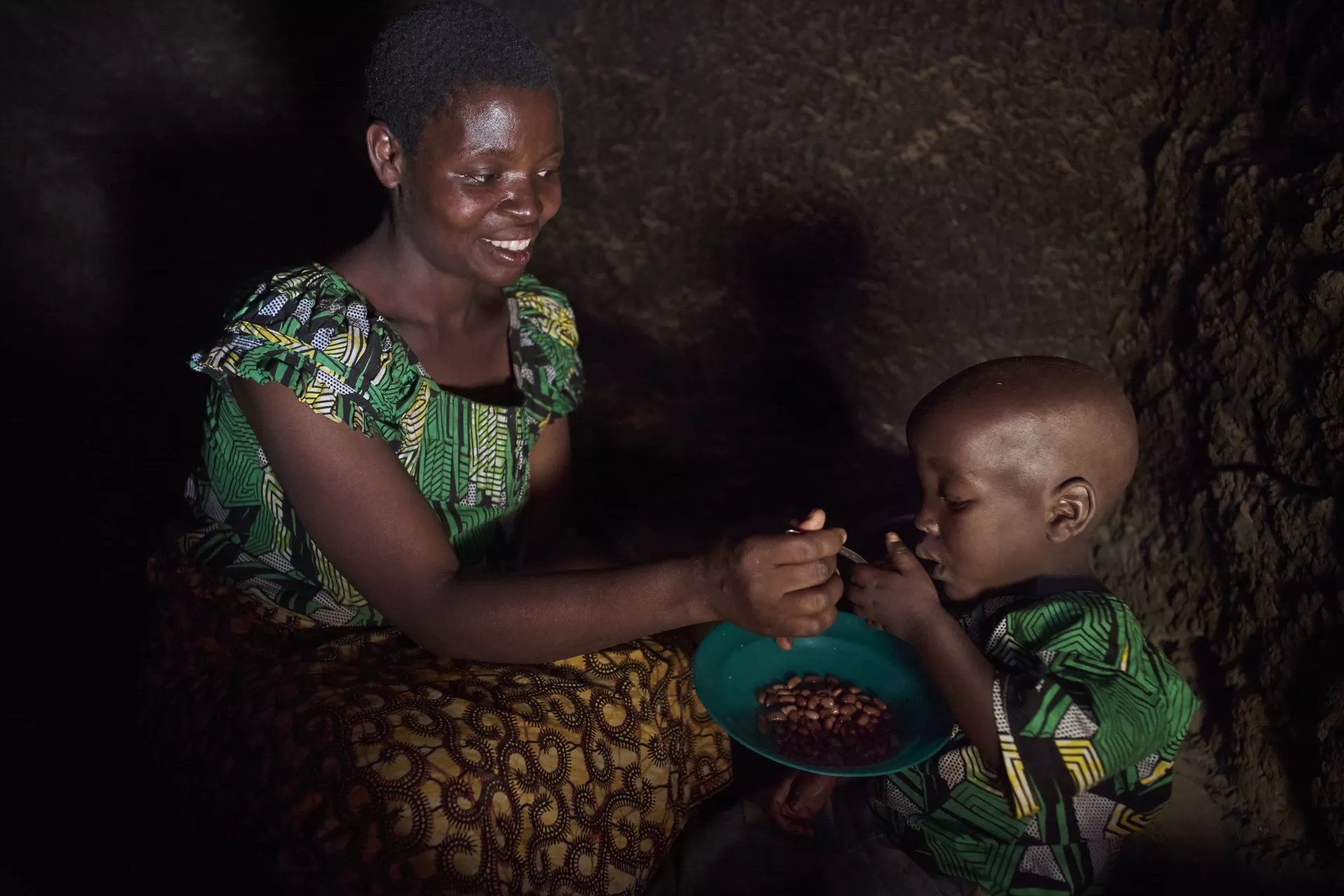
Burundi - 1.2 million out of 2 Million under five children are stunted. The devastating impacts of chronic malnutrition are huge. These children living in one of the poorest countries in the world are unlikely to meet their full potential. Stunting is associated with long-lasting harmful consequences, including diminished mental ability and learning capacity, poor school performance during childhood and increased risks of nutrition-related chronic diseases in the future. UNICEF and its partners implement multisectoral community-based nutrition interventions to tackle malnutrition in Burundi.
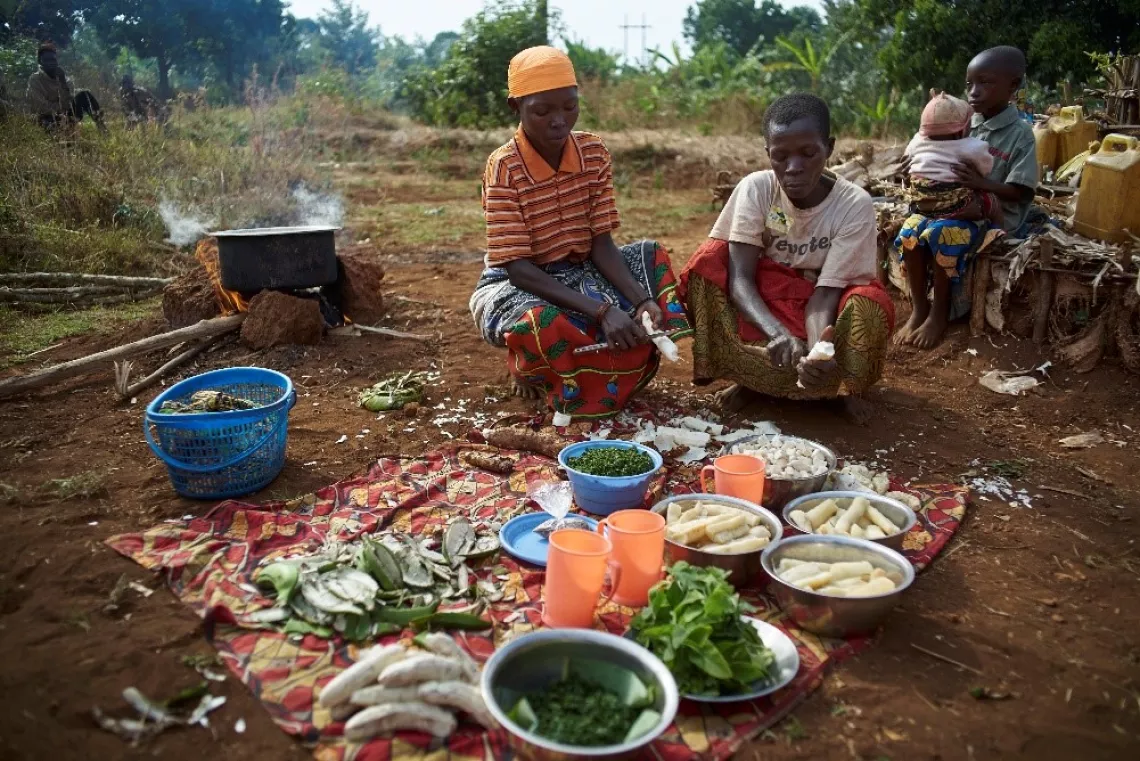
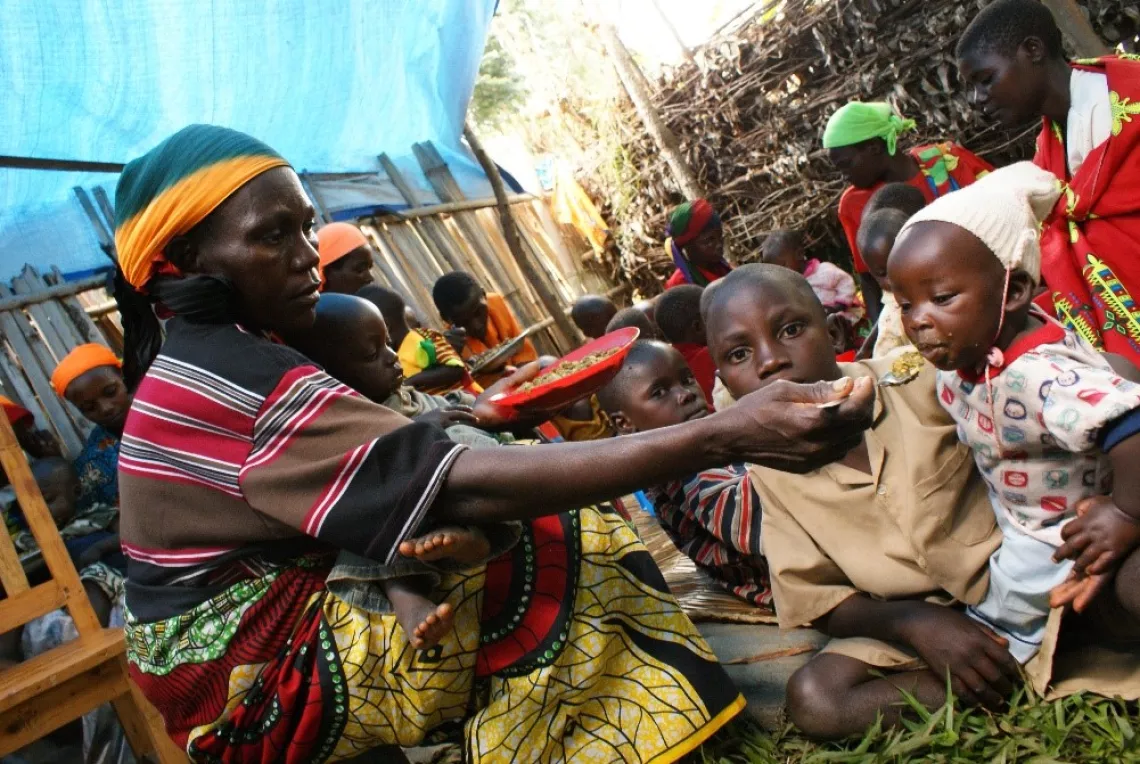
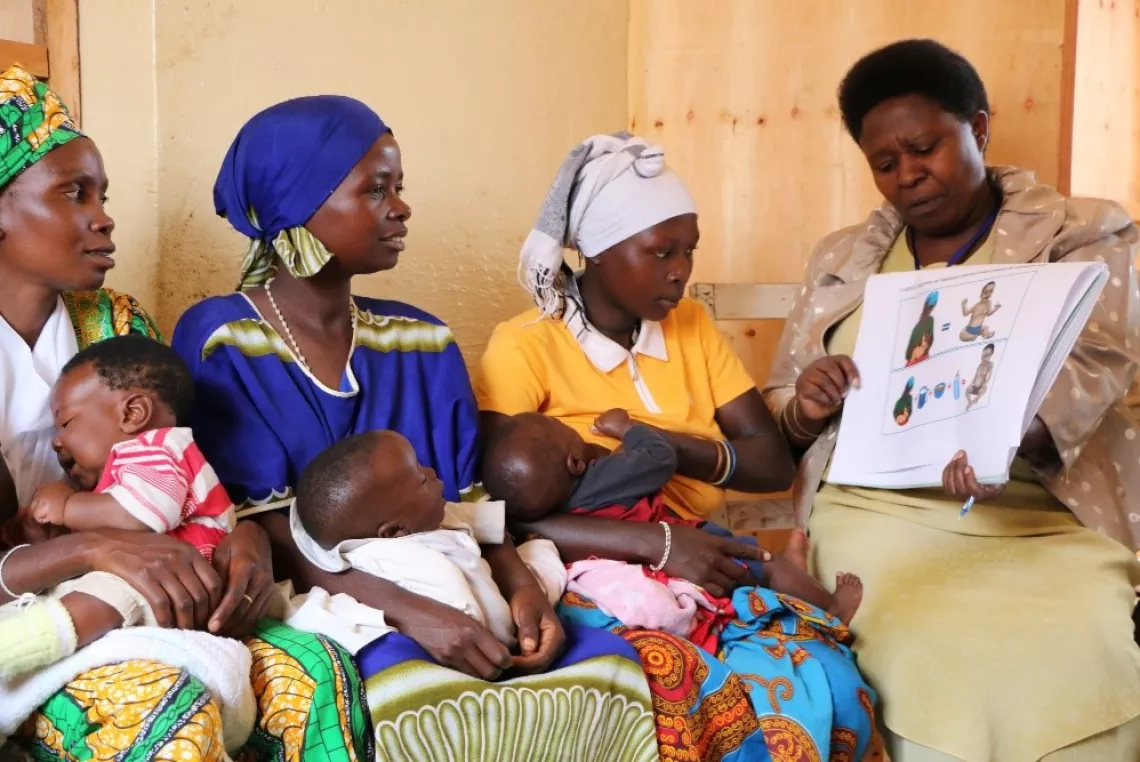
Good nutrition is critical to support the rapid growth and development of babies and young children. Though stunting is irreversible, it is also preventable. Women receive training on how to use locally available and affordable food to feed their children.
Proper infant feeding practices are key in malnutrition reduction. Counselling of women and mothers on Nutrition, Health and Hygiene help build community resilience. A woman uses locally available food feeds a child.
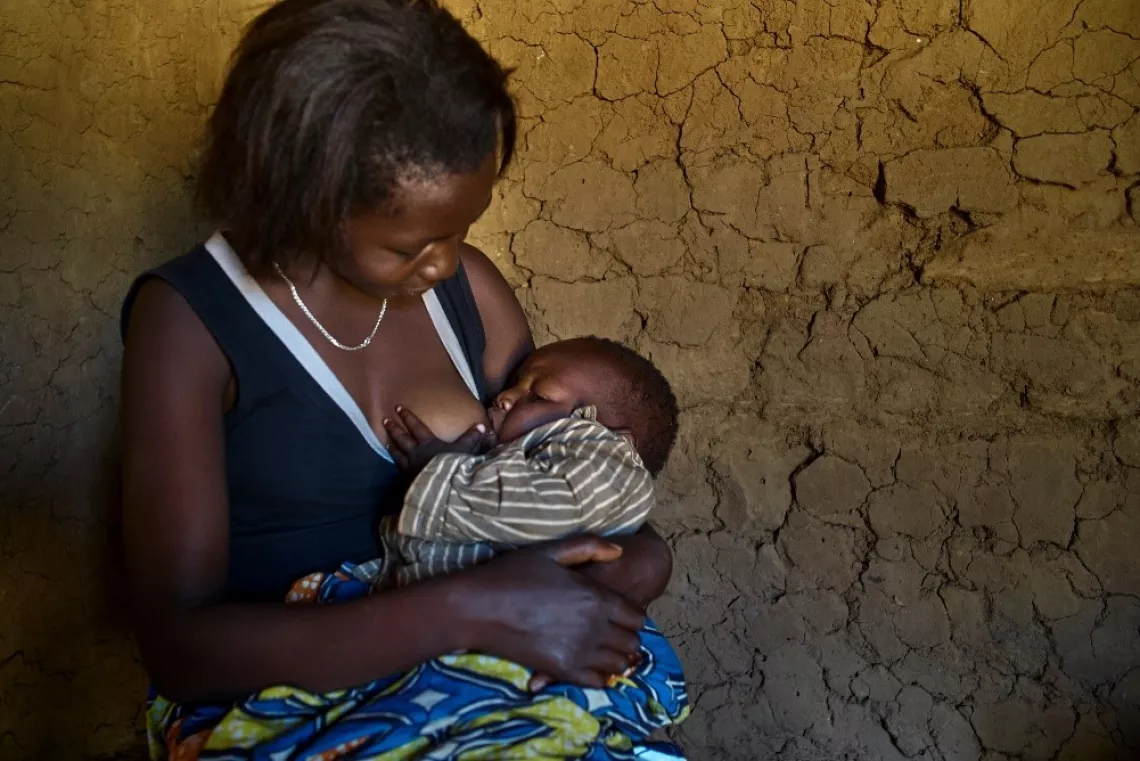
Breastfeeding is one of the most cost-effective ways to boost children’s health. Immediate and exclusive breastfeeding helps prevent stunting. UNICEF promotes and supports exclusive breastfeeding up to six months and continued breastfeeding with safe, appropriate and adequate complementary feeding up to two years of age.
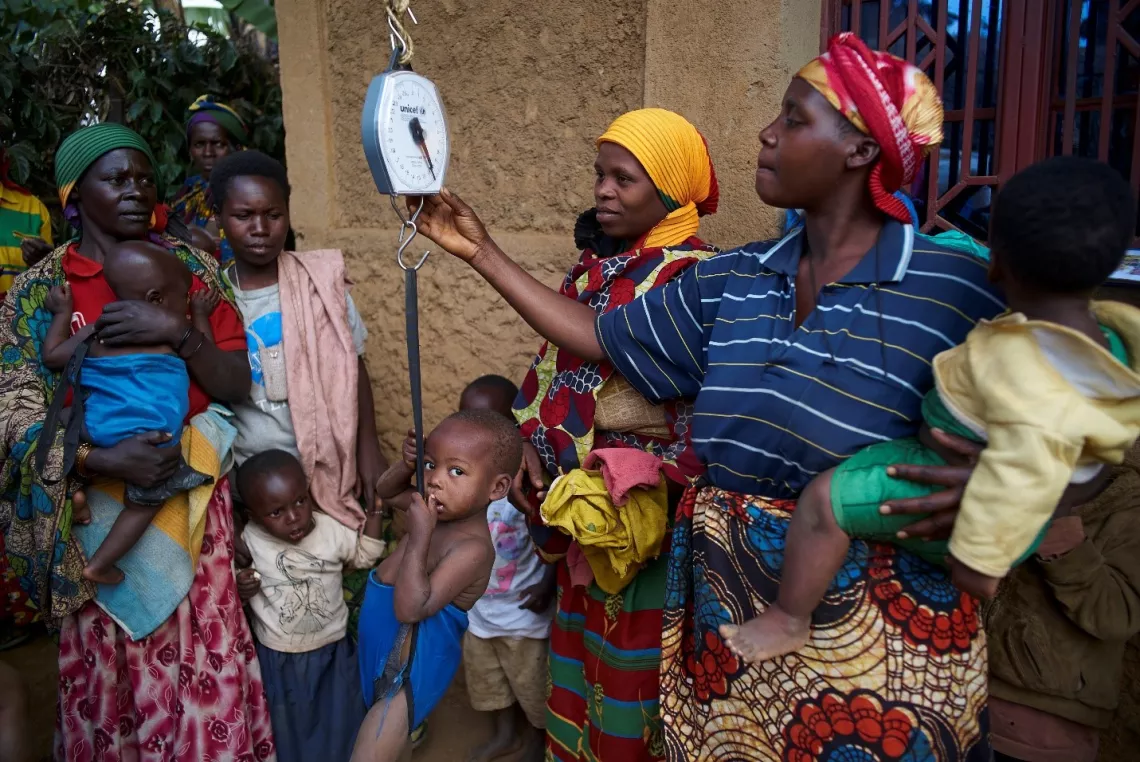
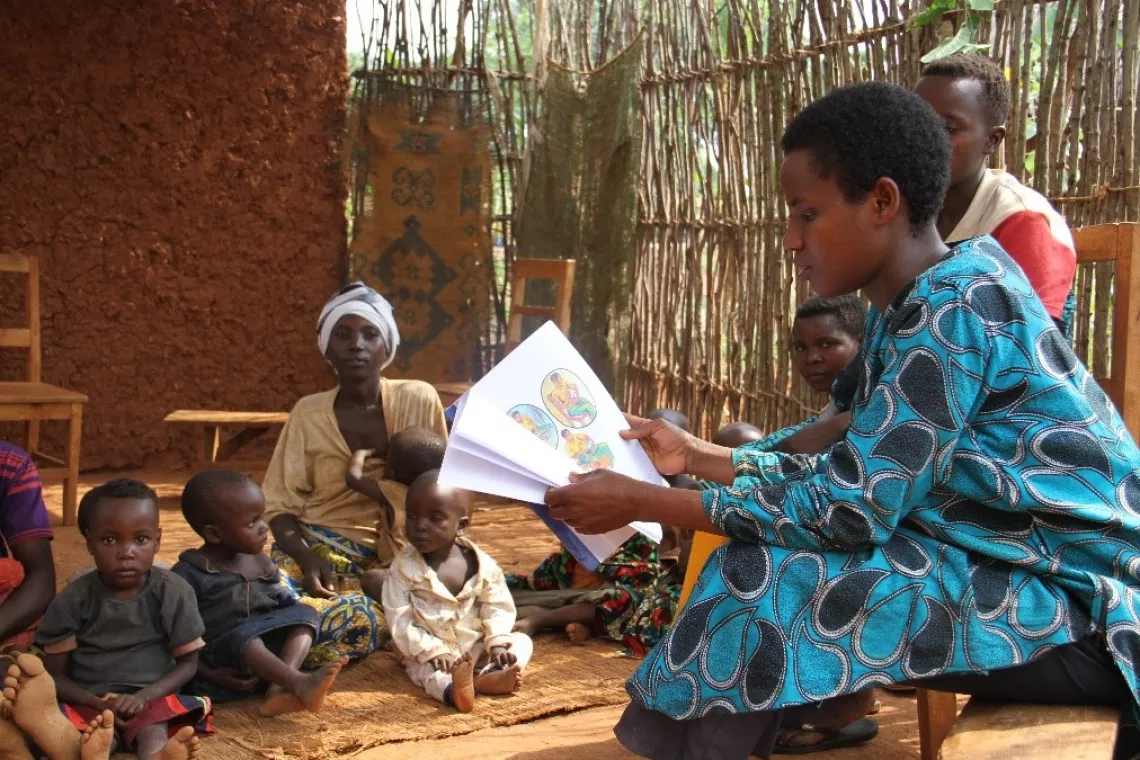
Well trained community volunteers, play an important role to prevent stunting in remote areas. These role model mother called “light mothers” help other women to improve nutrition, health and hygiene behaviors and practices to successfully raise healthy and well-nourished children.
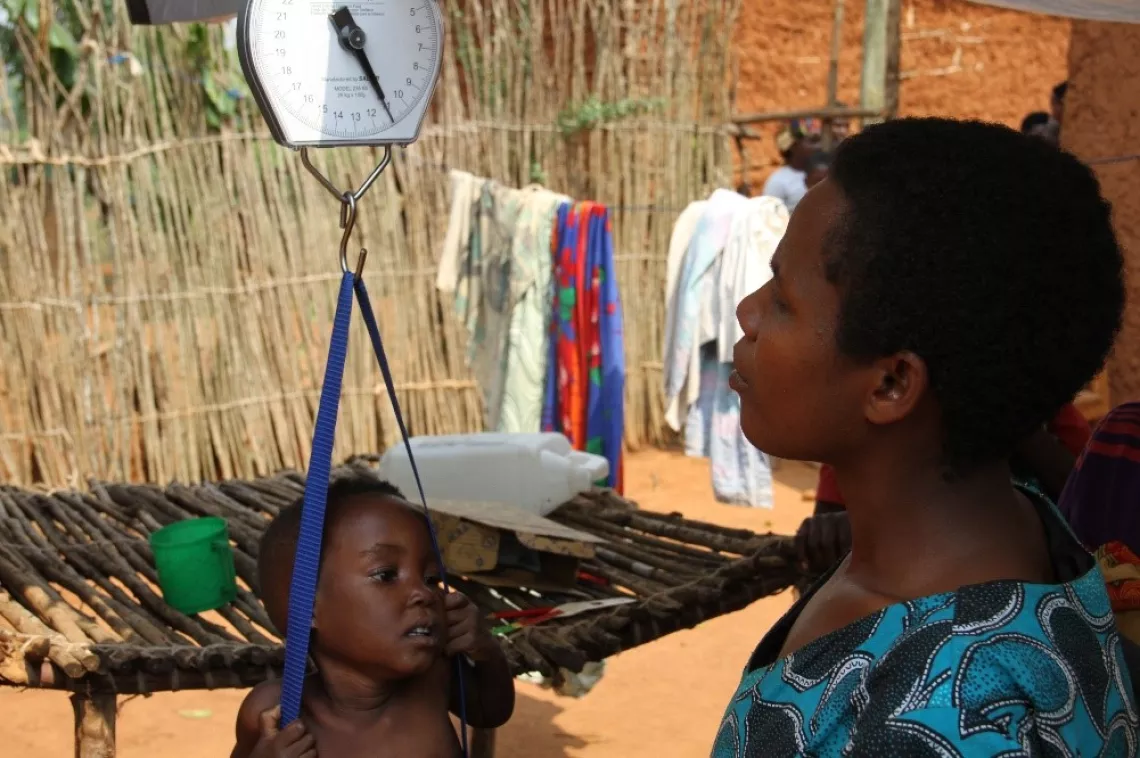
Sonia, a “light mother” weights a child to make sure that the child is not underweight.
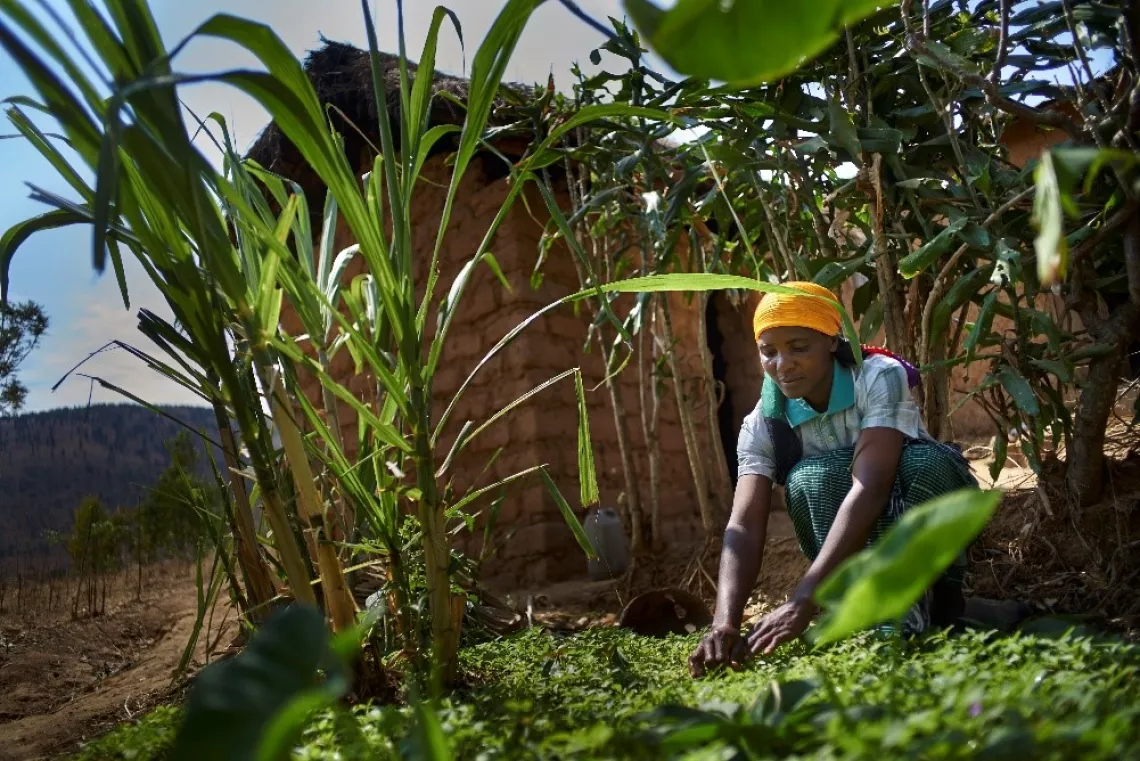
Gregone, a Community Health Worker supports her family through agriculture. A mother of three children, she works voluntarily supervised by UNICEF supported NGO World Relief. She and other CHWs play an important role in increasing community access to basic primary health care services and reducing stunting impacts.
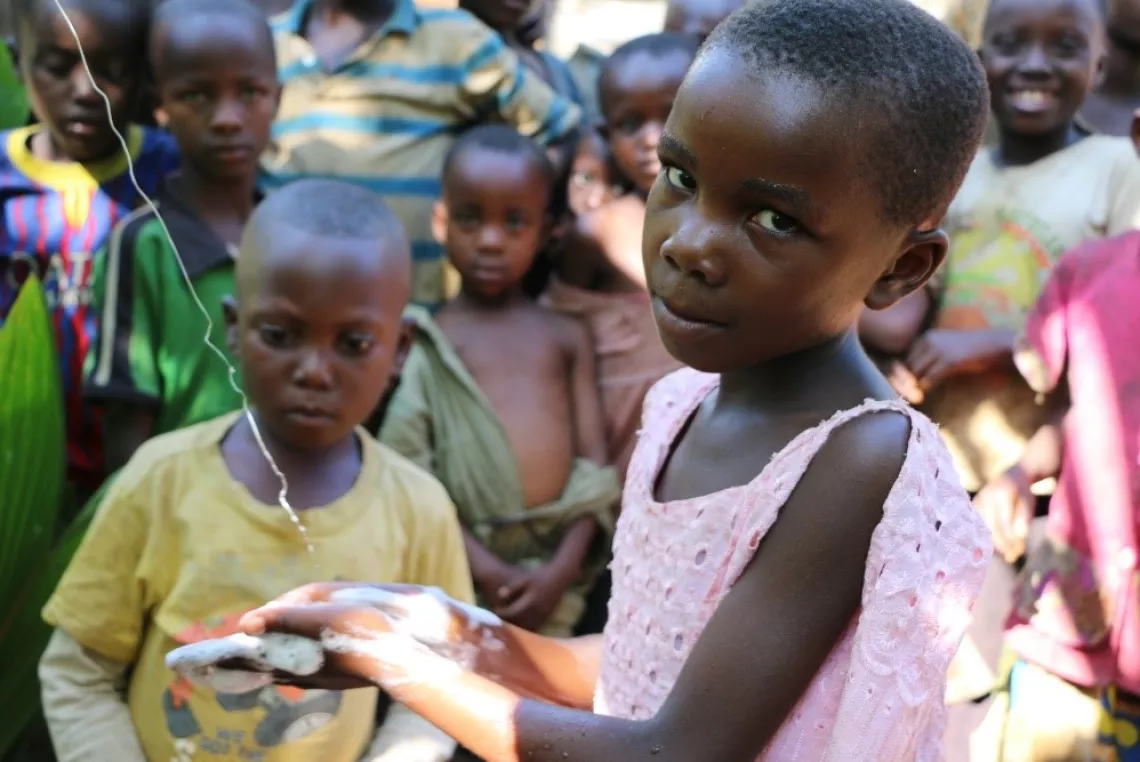
Evidence suggests a relation between poor sanitation, hygiene and childhood stunting. UNICEF through its water, sanitation and hygiene interventions tries to increase the motivation of people, especially women and children to use toilets and wash their hands with water and soap in critical occasions.
Tunza, 7, washes her hands with soap and clean water on a tippy tap, a hands-free way to wash hands after using toilet.
Despite all challenges, Burundi will be able to meet the 2025 global nutrition target to reduce by 40 per cent the number of children affected by stunting. UNICEF brings strong technical expertise and experience in policy, program implementation, advocacy and evidence generation in Nutrition. UNICEF and WFP are partners of Scaling Up Nutrition movement. UNICEF works closely with WFP that has a mandate in Food security and Nutrition.
About the project
Since 2016, the project implements community-based saving groups (SILC) for PD/Hearth participants. Members are encouraged to save a fixed amount of money on a regular basis, thus enabling families to manage risks, build resilience to shocks, and reduce the risk of depletion of household assets or removing children from school. When the sum is substantial enough, it is given to one or more members of the group as a loan to be paid back within three months with interest of 10 per cent. The group members then use the loan for either their personal use or to set up a small income generating activity, such as selling vegetables. The loan can also help members to pay for unexpected costs such as medical costs or funeral expenses.
Interest accrued is then shared among members of the group at the end of the year. SILC group creates a special PD/Hearth fund, with regular contribution to purchase local foods to be used during cooking demonstrations, therefore ensuring the sustainability of PD/Hearth activities.