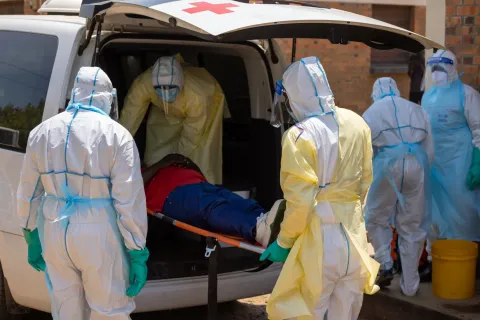
A collective fight against cholera thanks to the Buterere treatment centre
UNICEF has set up a cholera treatment centre within the Buterere health centre in order to limit the high risk of contamination among patients and guarantee appropriate care for patients, while also protecting medical staff

- English
- Français
Buterere, one of the most densely populated areas of Bujumbura, is also one of the most vulnerable to cholera. This neighbourhood, which is often hit by flooding and lacks access to drinking water, is a breeding ground for the spread of this highly contagious disease. A concerted effort by the health authorities, with the support of the Japanese government through UNICEF, offers a way of reducing the number of cases and better managing health crises in this community.
On 19 December 2024, a visit to the Cholera Treatment Centre set up at the Buterere 2 Health Centre enabled us to see the impact of this initiative. On that day, no new cases had been reported since the previous day, and the last patient had been discharged. The health authorities were delighted with the efficiency of the system put in place, enabling the disease to be managed effectively.
According to Habwawihe Delphine, head of the Buterere 2 Health Centre: “The treatment centre helps us a lot because once a patient arrives here with symptoms such as diarrhoea and vomiting, they are admitted directly to the cholera treatment centre (CTC), so that they don't mix with other patients”, she explained.
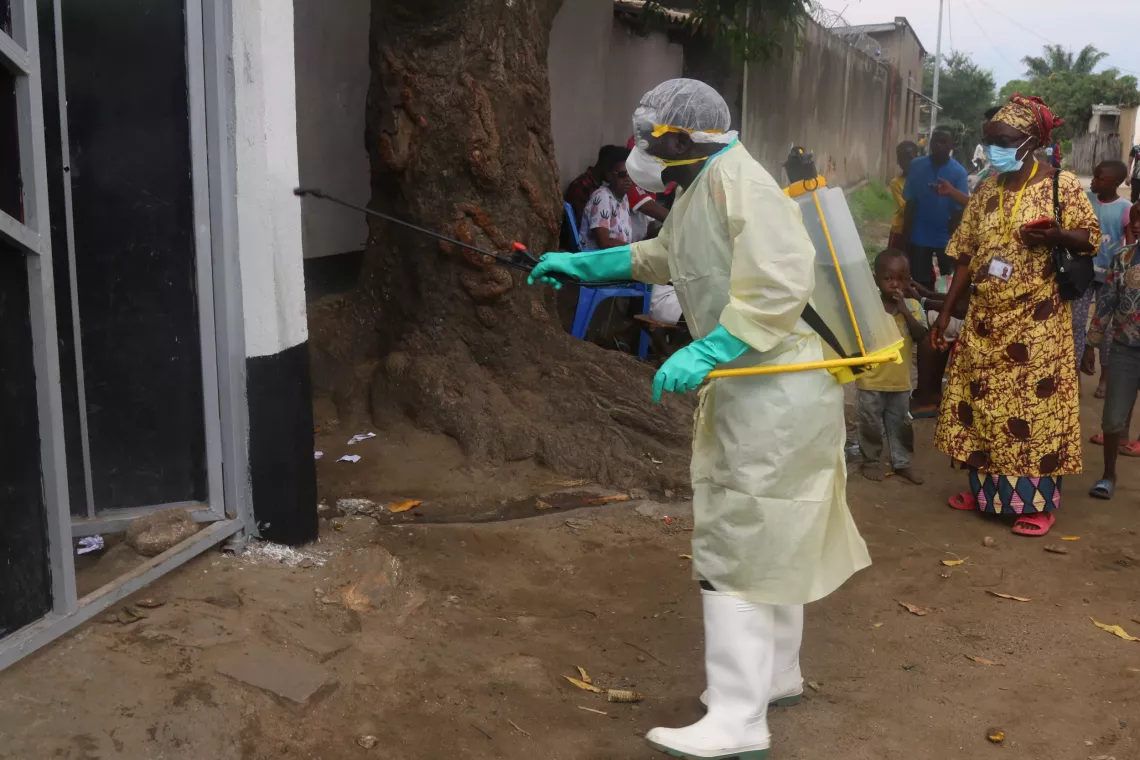
The aim of this measure is to avoid any further contamination, given that cholera is highly contagious. Isolating patients as soon as they arrive is therefore an effective solution in the fight against the proliferation of vibrio cholerae.
But the fight against cholera does not stop at simply treating cases. Another fundamental aspect of the programme is prevention. The Buterere CDS has a Health Promotion Technician (TPS) who trains Community Health Workers (CHWs) in a variety of areas: preventing dirty hands, combating malaria through wastewater drainage, hygiene promotion and, more recently, combating Mpox. The 31 CHWs - 13 men and 18 women - are responsible for disseminating this information to the local population.
“We give them picture boxes to help raise awareness. If a patient is spotted in the community, the CHWs take them directly to the treatment centre, after which they raise awareness among the whole neighbourhood to prevent the disease spreading further”, explains Ndikuriyo Jules, Health Promotion Technician at CDS Buterere 2.
These community health workers play an essential role in identifying suspected cases, raising awareness among residents about simple gestures such as washing hands with soap and water to prevent contamination, and ensuring that every case of cholera is referred to the treatment centre in good time.
The collaboration between the health centre and community workers, with support from UNICEF, has transformed health management in this working-class neighbourhood. This model demonstrates the importance of community participation in the fight against diseases such as cholera, by combining prevention, medical care and awareness-raising activities. Thanks to the commitment of local players and the resources provided by UNICEF, Buterere seems to be heading towards a future less exposed to cholera epidemics.