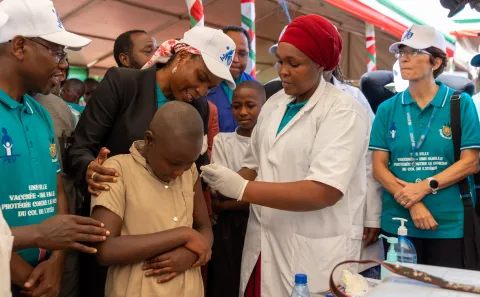
Burundi embarks on the road to vaccine independence
At a strategic workshop, national authorities and their partners, including UNICEF, committed to ensuring sustainable and equitable access to essential vaccines — the most reliable way to protect children against deadly diseases.
- English
- Français
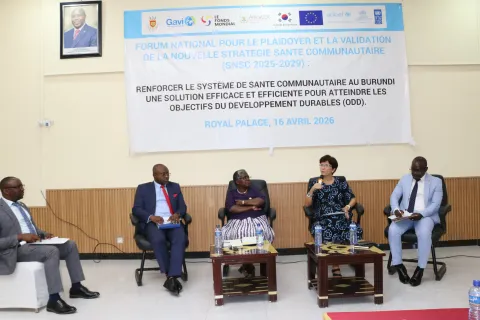
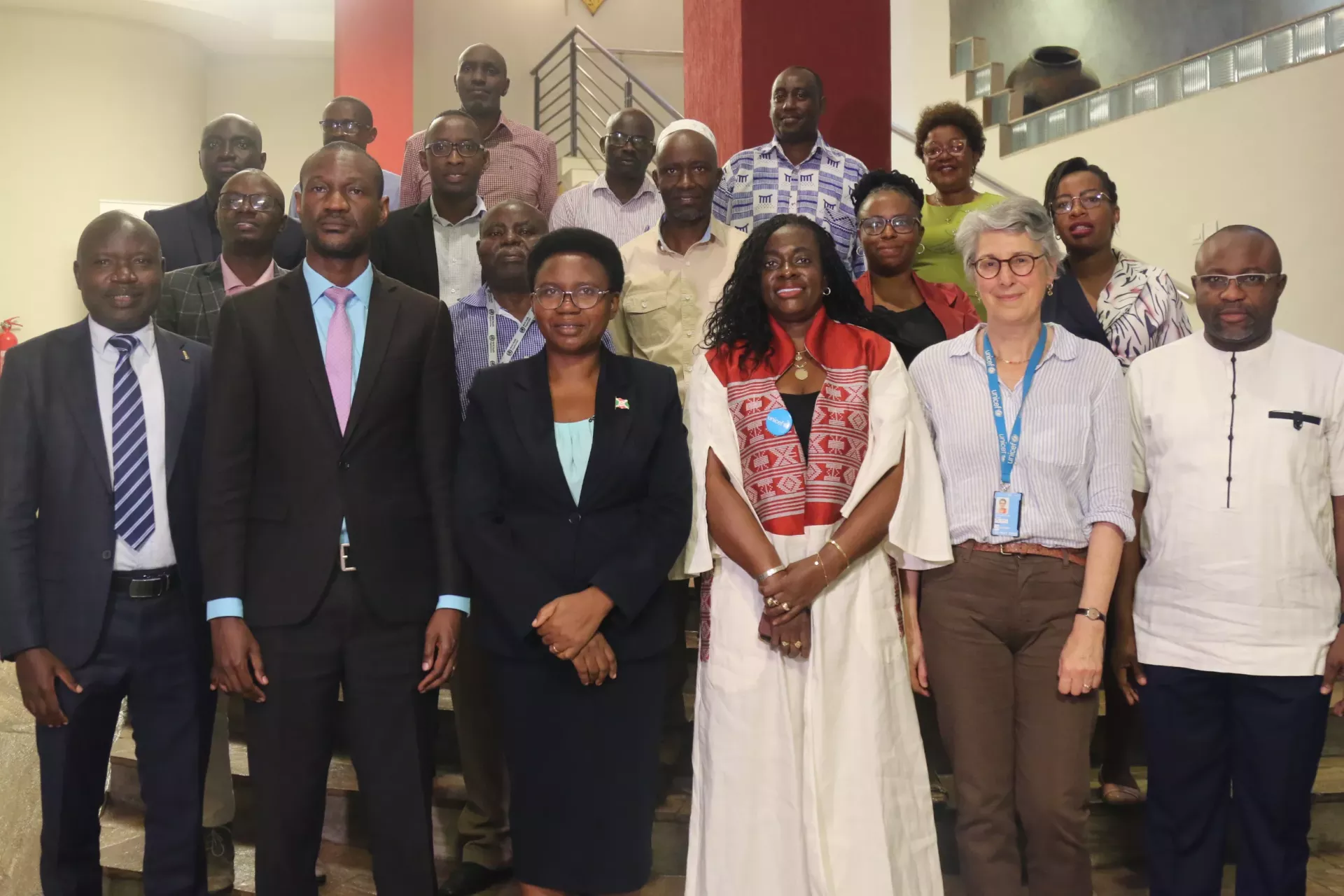
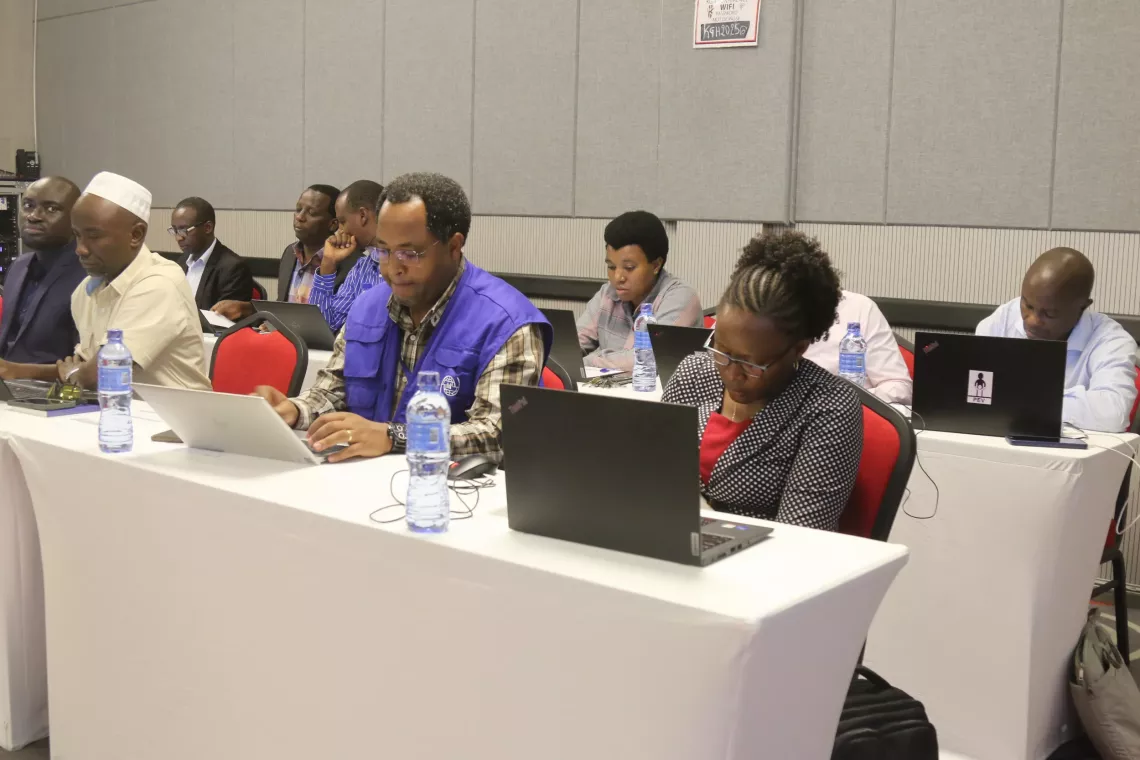
On 23 April 2025, Burundi took a significant step toward vaccine sovereignty by holding a national information and exchange workshop on the Vaccine Independence Initiative (VII). Held in Bujumbura, this strategic gathering marked the official launch of the country’s participation in this ambitious initiative. Its goal: to further strengthen the mobilization of domestic resources to ensure the long-term availability of essential vaccines for the survival and development of Burundian children, as part of the national strategy for the Expanded Programme on Immunization.
The event brought together high-level representatives from the Ministries of Public Health and the Fight against AIDS, Finance, Budget, and Economic Planning, as well as technical and financial partners, including UNICEF, WHO, GAVI, IMF, and IOM. Together, they reaffirmed their shared commitment to ensuring equitable, secure, and sustained access to vaccines for all people in Burundi.
The primary objective of the meeting was to mobilize national decision-makers around the VII and to develop concrete recommendations for integrating the initiative into the country’s strategic and operational plans. The discussions offered an opportunity to explore the national context, challenges, and expected benefits of vaccine autonomy, while identifying key strategies and priority actions to be implemented.
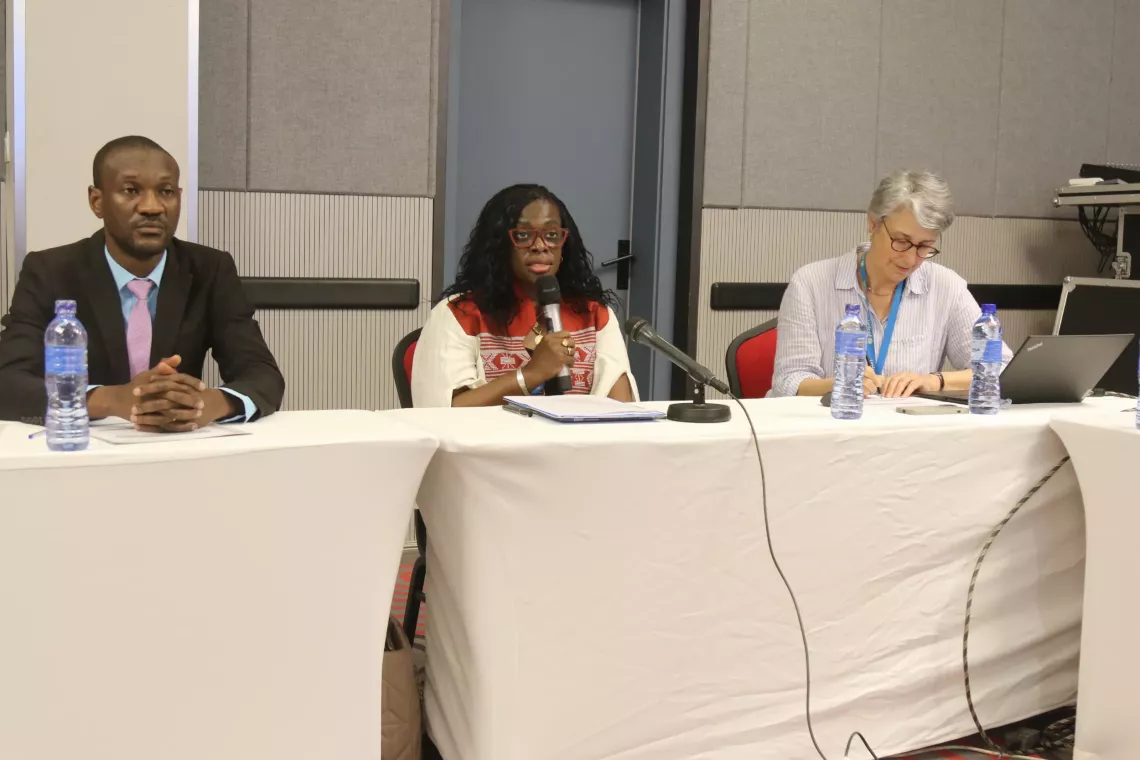
Ms. Mame Selbee Diouf, UNICEF Representative, emphasized the economic and health advantages of an autonomous vaccination system: “Vaccination is one of the most effective and cost-efficient public health interventions. Every dollar invested generates up to $48 in savings from the cost of preventable diseases.”
This view was echoed by Olivier Nijimbere, Permanent Secretary at the Ministry of Health and official representative of the Ministry during the event, who welcomed this milestone :“The road to vaccine independence is ambitious, but crucial. It requires substantial investment, enhanced multi-sectoral coordination, and strong political commitment. It is a strategic lever essential to our health sovereignty.”
He added that the government is fully aware of the importance of this initiative, while recognizing the significant efforts required for its implementation.
The launch of the VII in Burundi was made possible thanks to financial support from the Government of the Republic of Korea (ROK), Canadian funds, and UNICEF. The initiative aligns fully with a broader vision of sustainable development, health equity, and the resilience of national immunization systems.
UNICEF remains committed to working alongside the Burundian government to support this transition toward immunization autonomy, with the ultimate goal of ensuring every child in Burundi has a healthier future and the opportunity to reach their full potential.