After the Gatumba floods, people lost everything, but with solidarity groups vocations were born
With the credits granted by the solidarity group, many have been able to restart a new activity and restore their lost savings

- English
- Français
UNICEF, with funding from the German government, Sida and CERF funds, has initiated a project to rehabilitate affected households, based on a social protection approach. The objective was to propose a strengthening of the human and economic capital of households in order to rebuild their means and regain some dignity. Following the floods, displaced households lost everything.
The community groups called solidarity groups carried out the necessary awareness-raising and training on hygiene, nutrition, protection, gender-based violence and support for vulnerable children. The group was supported in its establishment and functioning. Thus, it received a start-up grant to make rotating loans and finance projects proposed by the members.
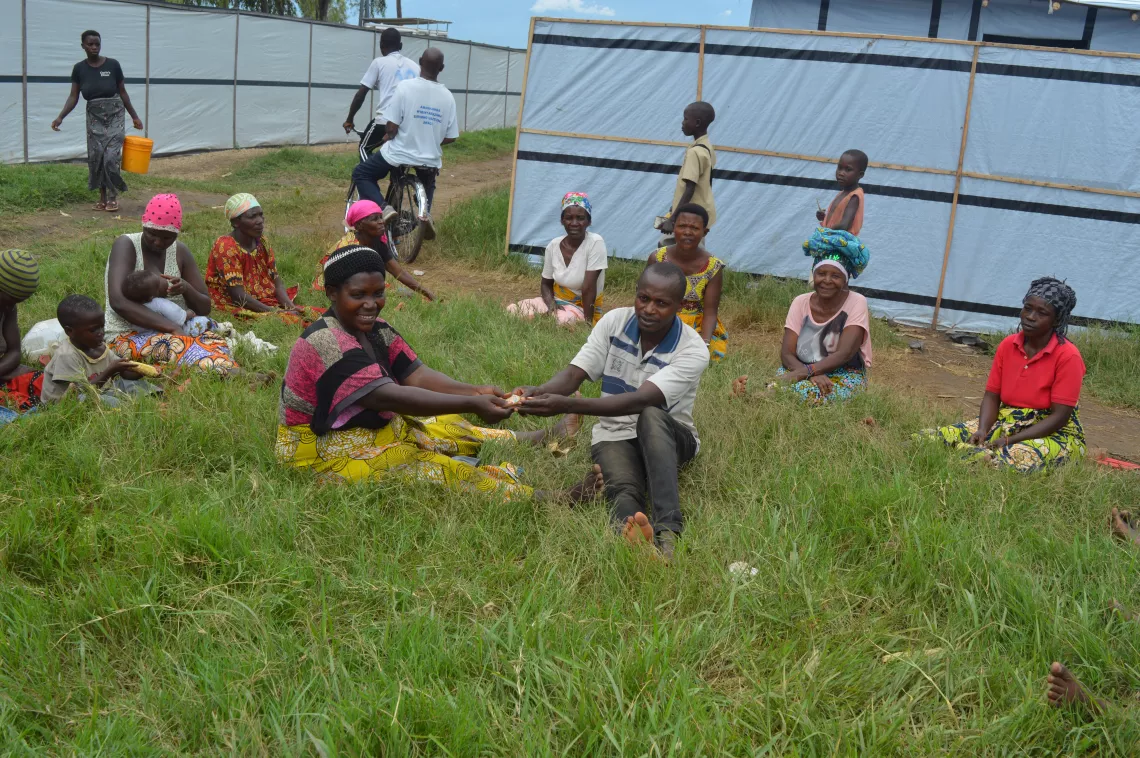
The Tugirimahwe solidarity group meets once a week. It is composed of 25 members, all of them living in the Gatumba IDP camp. "When we meet, we discuss the activities that are underway, then we take stock of the funds that we have and then we grant loans. Today we granted a credit of 25 000 BF to a member. This member will start a small business . He will reimburse 30,000 BF", explains Estella Nduwimana, secretary of the Group.
Estella has already benefited from a credit of 50,000 BF. She was able to buy some fruits and vegetables to start a small business in the camp. Today she has finished remboursing the 55.000 BF.
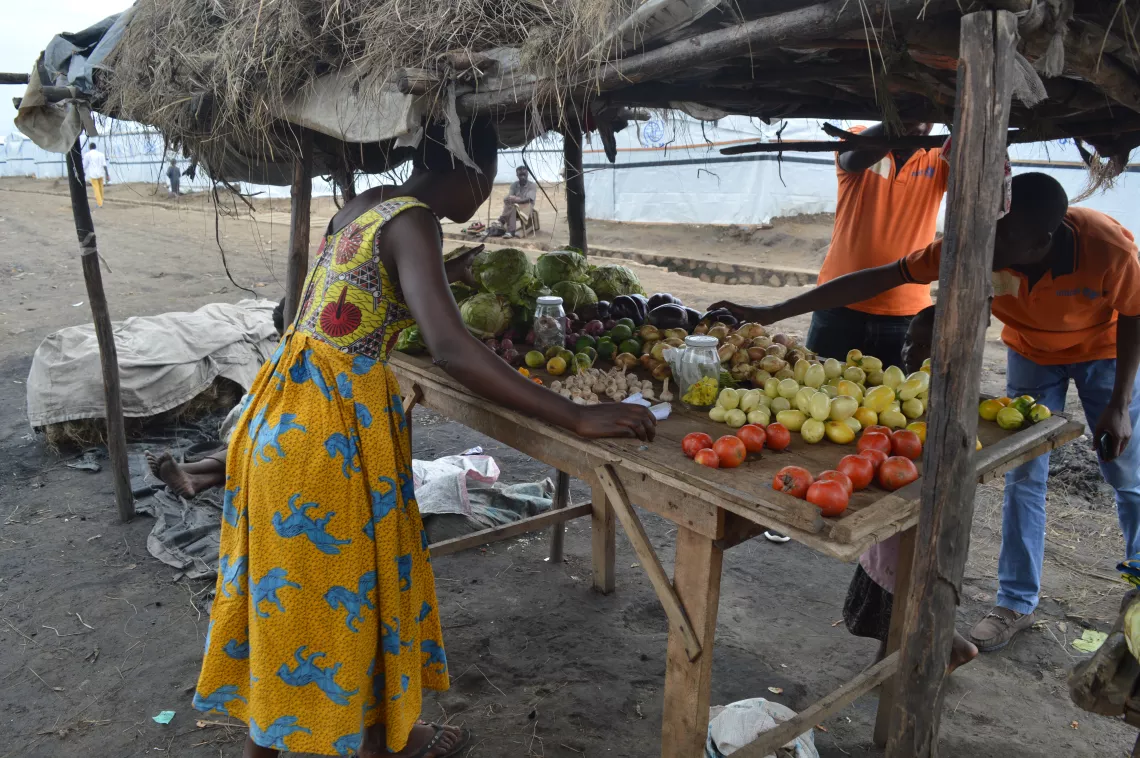
"In two years of existence, all the members have already benefited from a loan which they have all repaid with interest. We have received 588,915 BF from UNICEF as common capital of the solidarity group. Some have been able to buy pigs, others have rented fields to cultivate".
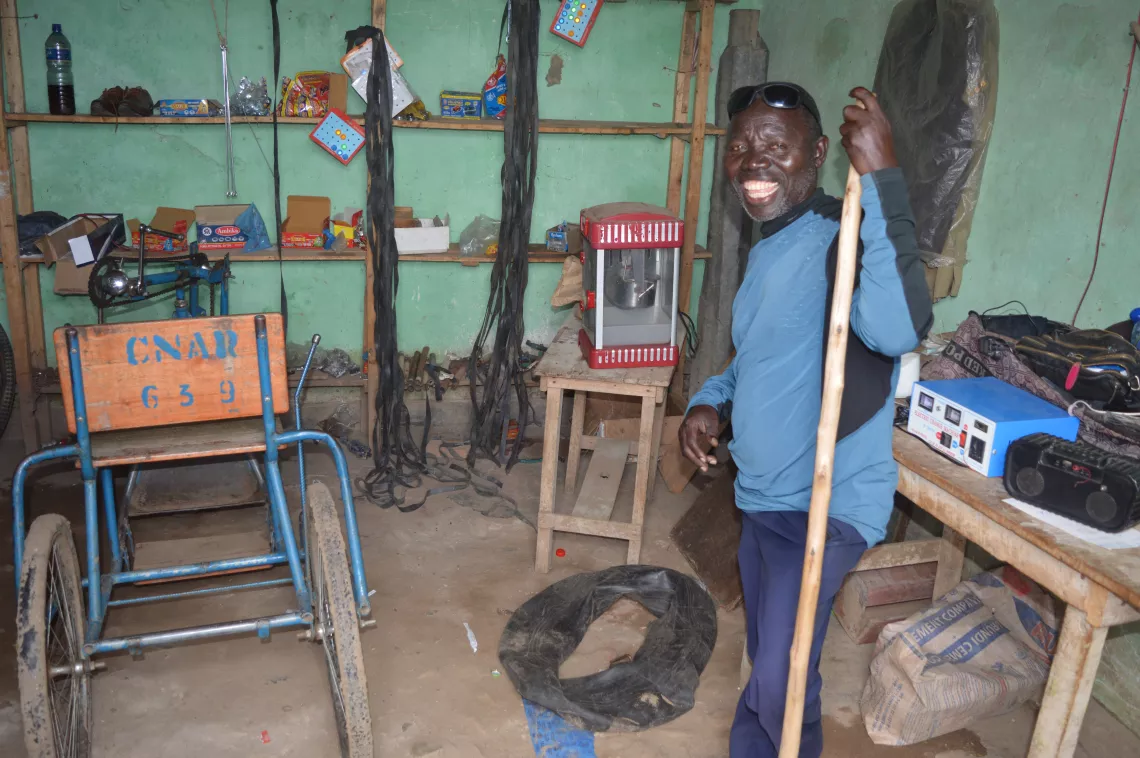
Ororo, 59, lives in Gatumba and is a beneficiary of the solidarity group. "Before giving us the credit, we were taught how to adapt to the new situation, despite the floods. Before the floods, I used to manage a small store, but my store was looted and I lost all my capital".
With the project "Economic support for Gatumba flood victims", Ororo was able to join the solidarity group, get a loan and build up new capital to start a new business. Now, Ororo is a happy man because he has already repaid his loan.
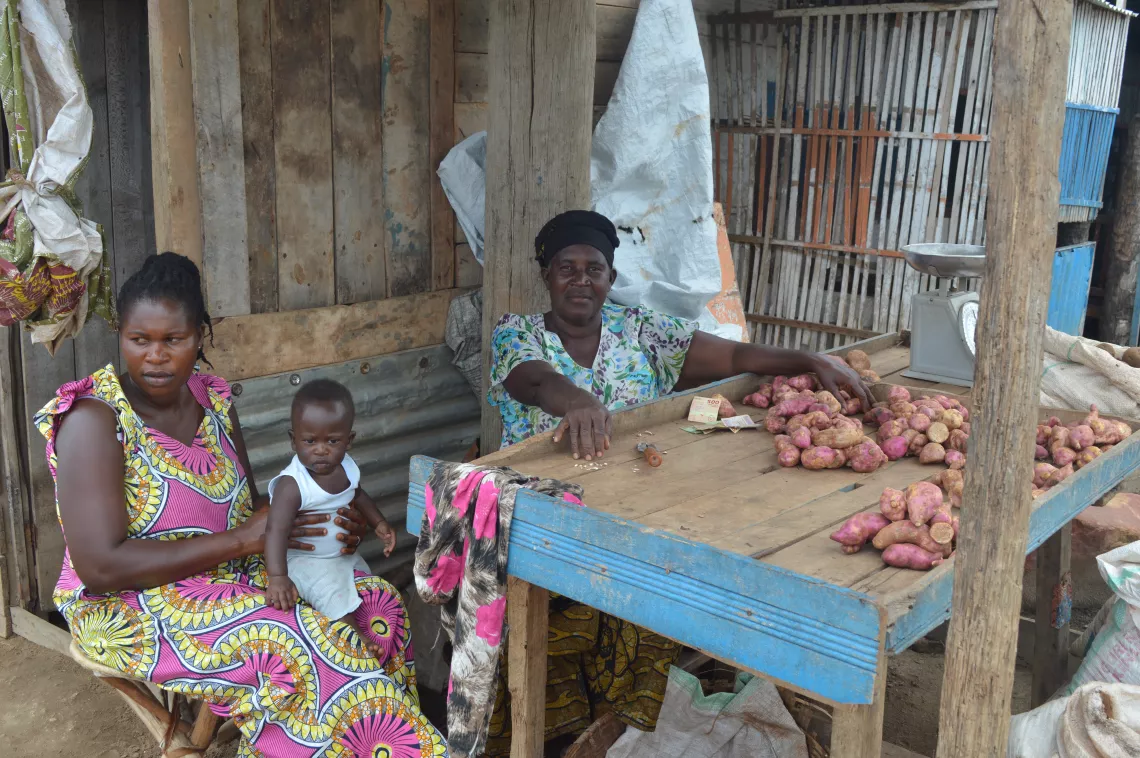
"After the floods a donor called UNICEF came to our help. We learned how to continue living despite the floods. With this support, I was also able to ask for a credit and carry out this activity. It was only 12 o'clock in the afternoon and I had already sold 30.000 BF of merchandise".
The households in these groups have seen their situation gradually improve thanks to the benefits of the investments, which have enabled them to adapt the good practices they learned during the sensitization sessions, particularly in terms of nutrition and hygiene. Analyses have shown that knowledge of epidemics, hygiene practices and the quality of children's nutrition has improved significantly, which is a considerable result in a displaced site. Finally, the local authorities have noted an improvement in social cohesion, site security and the restoration of the dignity of affected and displaced persons.
The project was implemented in Gatumba by two organizations, Faith in Action and Concern Worldwide, who provided their expertise in social support and financial inclusion to the communities.