Short and clear message to young people: Take action!
"Teodora Ružić from Derventa represented Bosnia and Herzegovina in Brussels at the “Empowering Futures: Demystifying Career Pathways through a Youth Lens” event.
- Bosanski/Hrvatski/Srpski
- English
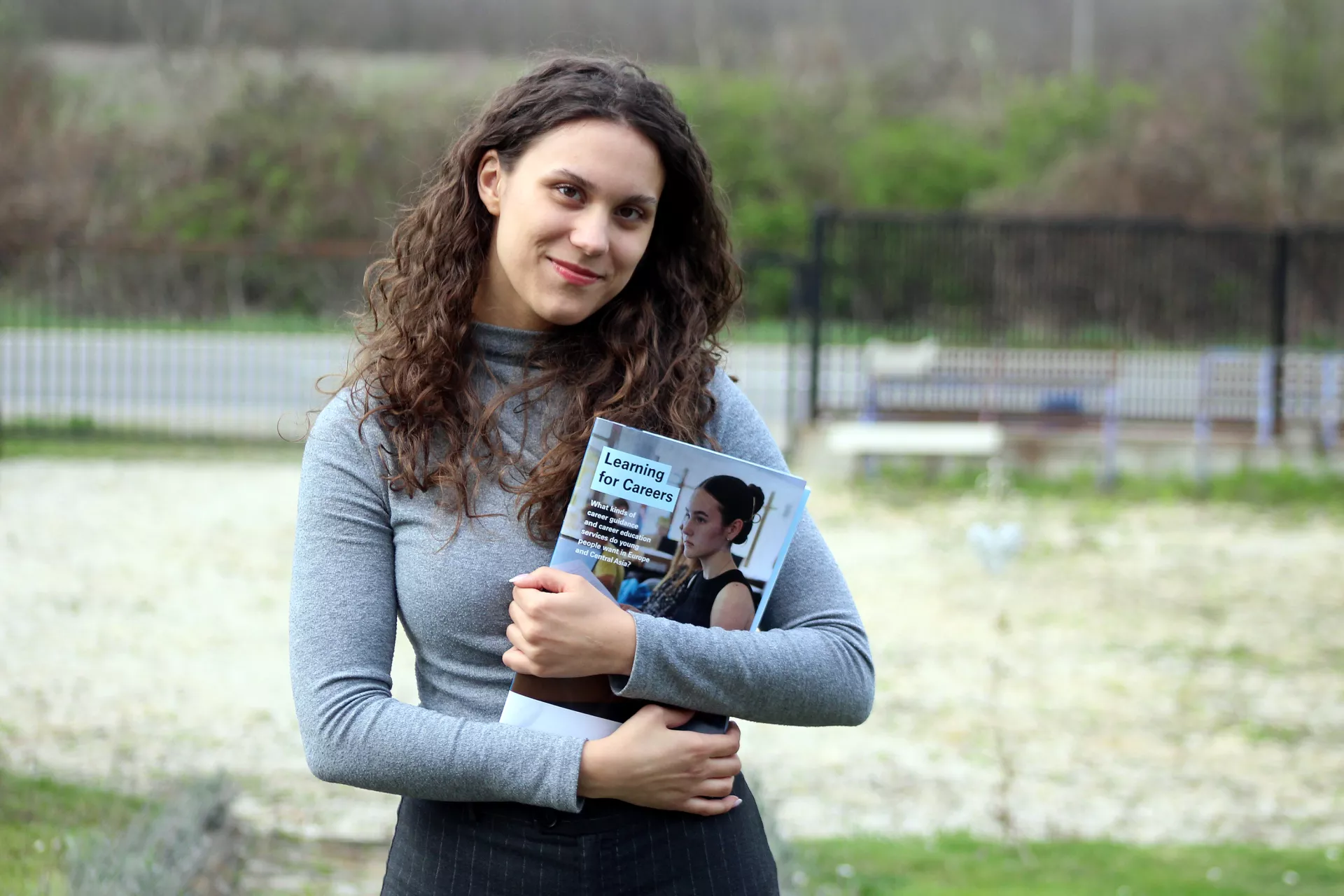
Teodora Ružić from Derventa represented Bosnia and Herzegovina at a recently held joint event of the European Training Foundation (ETF) and the Regional Office for Europe and Central Asia of the United Nations Children's Fund (UNICEF) in Brussels. At the event the results of the Learning for careers - What kinds of career guidance and career education services do young people want in Europe and Central Asia? study were presented. The preparation of this study involved consultations with over 9,600 young people from 11 countries in Europe and Central Asia and focused on understanding their opinions and perceptions of career guidance and training services
Teodora, aged 19, is completing her education at the Information Technology Gymnasium of the Secondary School Center Mihajlo Pupin in Derventa. Alongside Amar Velagić, her mentor from the UpShift program for adolescent and youth skills building, she worked on research regarding career counselling in Bosnia and Herzegovina. They summarized the data for Bosnia and Herzegovina obtained through focus groups and the U-Report communication channel developed by UNICEF, and submitted them to the UNICEF Regional Office where they were included in the Report.
“In Brussels, we presented the results of our research to delegates, politicians, individuals working within and involved with the educational system, and career development and professions. There were also people from various ministries and different decision-making levels who wanted to hear about the kind of career guidance and education young people desire. Our voice mattered to them so they would know what they could offer us. It's now up to them how they will utilize this information, and we will continue to engage in career counselling, spreading the word through social media and other means,” Teodora said upon her return from Brussels.
The aim of such an approach is for policymakers and technical experts to design better and more effective policies through direct engagement with young people and understanding their needs, ambitions, and realities. Moreover, with effective planning and sustainable financial backing, career guidance systems can facilitate individuals in realizing their full potential, enhance economic efficiency, and foster fairness within societies.
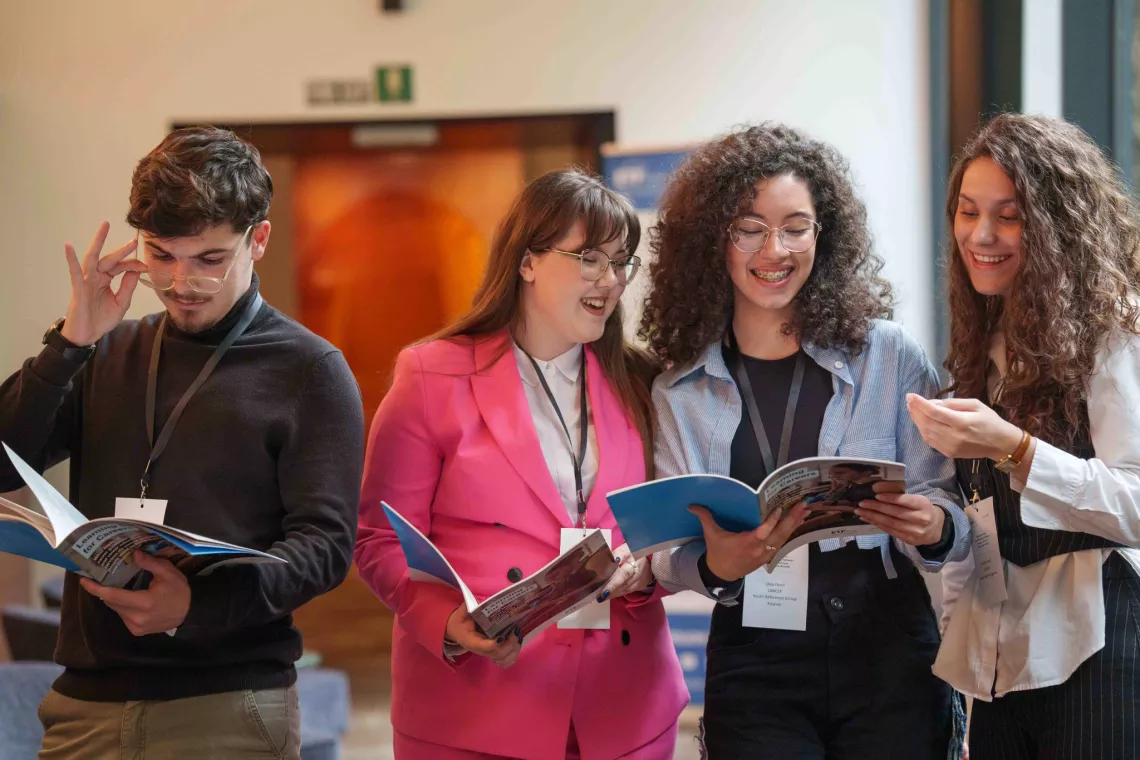
“The entire event focused on youth, on what we learned during the research and what is important to us. During the event, I mentioned that this entire career counselling process first taught me how to be more organized and also helped me decide what I want to study after high school:
“During the event in Brussels, there was an active Zoom link available for anyone interested to join, and I sent the link to everyone I thought might be interested, including my class group. Quite a few of them joined and followed along. The event gathered eminent participants from various fields, and they were able to hear and learn a lot of valuable insights.”
Speaking about the findings she presented and heard, Teodora emphasized how surprised she was to find that the findings and perspectives of young people from other countries in the region were similar to those from Bosnia and Herzegovina:
“In Serbia, for example, they also found that young people are more likely to consider the salary for a job rather than whether they enjoy doing that job. Many young people choose not to study something or to engage in something they want because their family, friends, and society push them in another direction, instead of continuing on their path, which they find more creative or interesting.”
Teodora fondly recalled the work on the actual research, noting that it personally taught her a lot and further empowered her:
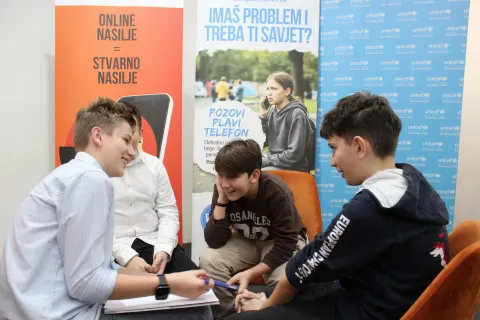
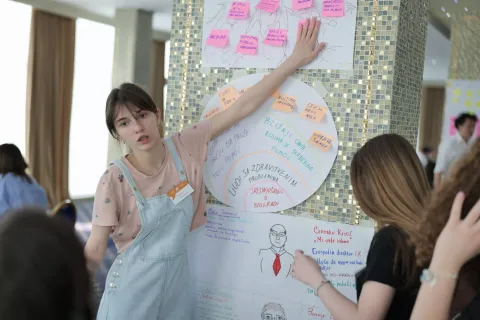
“We worked with mentors online, learning through presentations what focus groups are and what career counselling entails. Later, my colleague Amar and I held a focus group for Bosnia and Herzegovina in Sarajevo, where we attracted young people through a public invitation to come to the workshop. Through the questions we collected via the U-Report application, we obtained very important answers,” Teodora said revealing some of the findings:
“The most important thing we learned about Bosnia and Herzegovina is that a large number of young people stick to those 'traditional careers' or professions, where they aspire to pursue conventional occupations such as being a doctor, lawyer, and the like. They are afraid to pursue other professions that may interest them more, such as painting, writing, or photography, because they believe that the earnings in our country are not as good for those jobs.”
Teodora encountered the term career counselling, she said, last year when she began working on the research:
“Career counselling is an opportunity and a possibility where young people can find themselves and their future path, where they can discover themselves. It doesn't have to be something institutional, nor do young people need to wait for someone else to do it for them, but to take the initiative, inquire, seek information and advice from professionals in the field that interests them, to exchange knowledge. The point is that young people need to do it themselves, while we should only 'provoke' them into action, making them understand that there is no shame in seeking guidance from teachers, professors or others from their immediate environment about their interests. For example, through a conversation with the school pedagogue, I learned a lot of important information related to the psychology study program I plan to enrol in.”


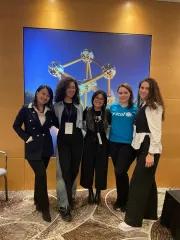
“Teodora believes that schools, faculties, and other educational institutions should engage in the process of career counselling, at least initially through a day dedicated to holding workshops:”
“That's the essence of what we've been doing. The findings we've come to are important, but it's much more important for us to show young people what it means. That workshop can be initiated and led by young people, where we would ask questions and collectively seek answers to those questions. We have a problem - and we're looking for a solution. That's the essence of career counselling: expressing our opinions, identifying deficiencies, pinpointing areas for improvement, and suggesting ways to enhance them.”
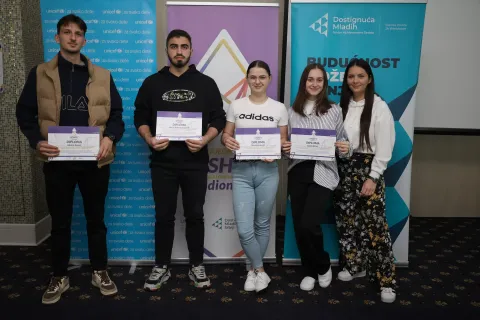
She emphasized that her further path was significantly influenced by her application to the UpShift workshop - UNICEF's program for adolescent and youth skills building, through which participants learn about social innovations, and entrepreneurship, and, with mentorship and financial support provided, develop the skills and resources necessary for identifying issues in local communities and finding solutions.
“Given that Derventa is a small town and we don't have many organizations, I wanted to address topics such as youth mental health. The opportunity arose through UpShift, which I first applied to in 2020, and then again a few years later, and that's how it all started”, Teodora recalled, emphasizing that even though her projects were not selected for implementation at that time, giving up was not an option:
“It's evident that I proved myself during presentations and all activities, after which I got the opportunity from the UpShift team to participate in some meetings, conferences, and events. Later, I participated in this research, ultimately representing Bosnia and Herzegovina at a major event, and I am eager for future opportunities. It interests me, and I want to dedicate myself to it more.”
After completing the Information Technology Gymnasium, Teodora plans to enrol in psychology studies. She said her choice has surprised many, but she simply doesn't want to exclusively commit to one direction:
“I believe we only have one life, and I don't envision myself being solely focused on one thing or in one place. This realization has been reinforced through the focus group and recent research we've conducted. Young people need to take the initiative and take action; job opportunities won't come knocking on their door.”