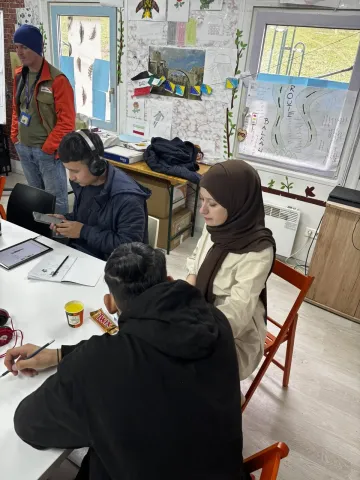
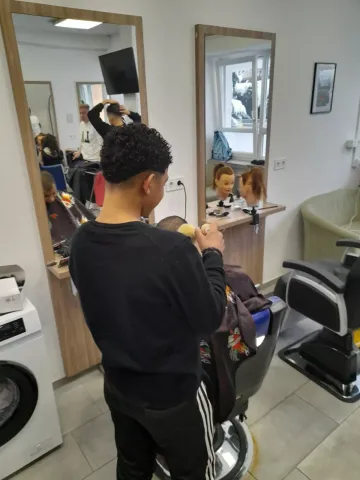
Classroom as a New Beginning
The classroom becomes much more than a place for acquiring knowledge. It becomes a space of trust, belonging, and a new beginning.
- Bosanski/Hrvatski/Srpski
- English
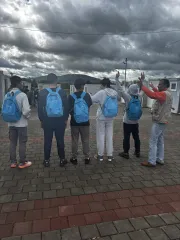
While most children around the world think about exams, grades, and school responsibilities, children on the move think about the borders they have crossed, the homes they have left behind, and the families they were forced to part from. These are children who, because of war, poverty, or other difficult life circumstances, have been forced onto a path of uncertainty. Yet, despite everything they have endured, they carry the same dreams, hopes, and potential as their peers. Their life stories are different, but their needs are universal. They come from different countries, speak different languages, and carry different experiences, yet they all seek the same thing – safety, acceptance, and the opportunity to learn. In such an environment, the classroom becomes much more than a place for acquiring knowledge. It becomes a space of trust, belonging, and a new beginning. Sometimes, all it takes is for someone to offer them an opportunity and the belief that their dreams can still become reality.
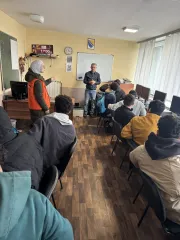
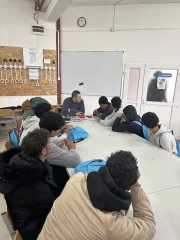
World Vision BiH, with the support of UNICEF and the Ministry of Education, Science, Culture and Sport of the Una-Sana Canton, enables children on the move to attend vocational education classes at Mixed Secondary School of Electrical Engineering and Woodprocessing, Bihać.
Professor Benjamin Haurdić points out that working with children on the move is both a professional and human challenge: “When you see how much effort they invest in learning the language, adapting to a new environment, and learning a trade at the same time, you realize that education means much more to them than school itself. It is an opportunity for them to believe in themselves again.”
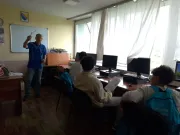
Professor Esad Delić - Ibukić shares a similar perspective: “In the computer science and electrical engineering classrooms, we often see how motivated they are when they are given the opportunity to demonstrate their abilities. Their dedication and desire to learn remind us how powerful education can be as a tool for change.”
However, the path to education for children on the move is far from easy. Language barriers, trauma, frequent changes of environment, and interrupted schooling present serious challenges. Many of these children previously did not have the opportunity to attend school regularly, which can sometimes lead to insecurity, resistance, or a lack of motivation to learn. Despite this, through play, shared activities, and everyday communication, they manage to build relationships with peers from the local community and gradually develop a sense of belonging.
Through vocational education, they gain not only the knowledge and skills needed for the labor market, but also rebuild their self-confidence, sense of self-worth, and belief that they have a future. It is especially encouraging to observe their engagement during practical lessons in computer science and electrical engineering classrooms, where they show genuine interest, discipline, and a strong desire to progress. Through continuous work, they also adopt basic hygiene habits, appropriate social behavior, and responsibility toward the community. Returning to the classroom often means much more than returning to education. It represents a return to hope and stability, and the belief that life can begin again and that the past does not have to define their future.
Both professors agree that the success of children on the move should not be measured solely through grades and formal achievements, but through their personal growth, regained confidence, and readiness to rebuild their lives. They emphasize that the classroom, whether in a school or a reception center, represents much more than a place of learning for these children – it becomes a space of safety, belonging, and new opportunities in life.
In the society we live in today, children on the move deserve equal and quality education. Their integration is not only an educational task, but also an important foundation for building a more humane, just, and socially connected community. Their achievements are not measured only by grades and diplomas. They are measured by restored self-confidence, a sense of belonging, and the ability to imagine their future once again.
While we teach them and help them normalize their lives, we also learn from them every day – about patience, dignity, resilience, and the incredible strength of the human spirit.
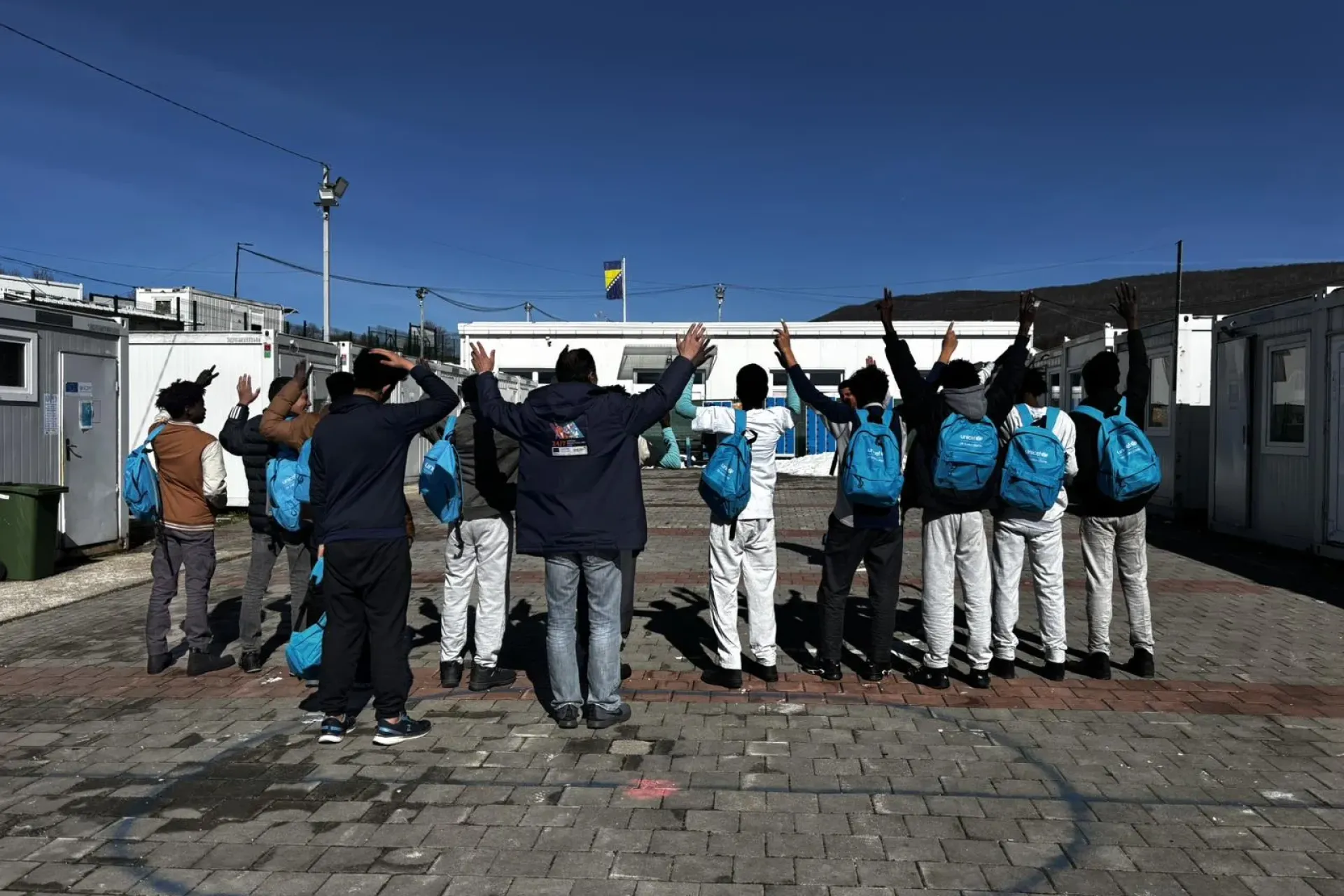
UNICEF BiH and its partners, with the support of the European Union, provides non-formal education services in reception centers in BiH, and supports educational authorities in including children on the move in formal education through preparatory programs and vocational training.