Michelle’s story from advocate to mother
UNICEF supports breastfeeding mothers through family-friendly policies
From advocate to mother
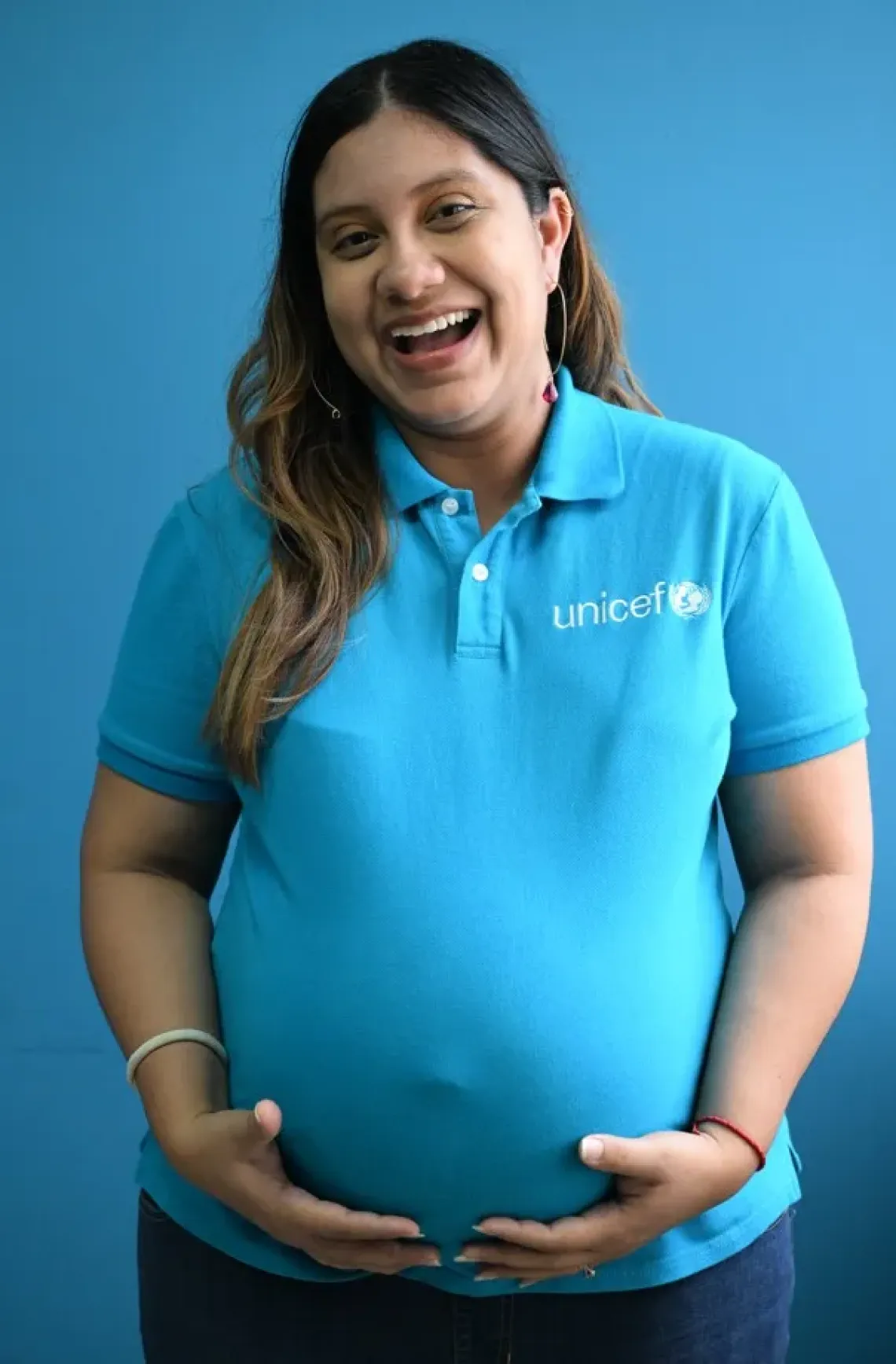
For years, Michelle has worked in the United Nations system to advance policies and programmes that protect children and support families. First with the International Organization for Migration (IOM) and now as UNICEF Belize's Child Protection Officer, she has helped champion family-friendly workplace policies that enable parents to balance their professional and caregiving responsibilities.
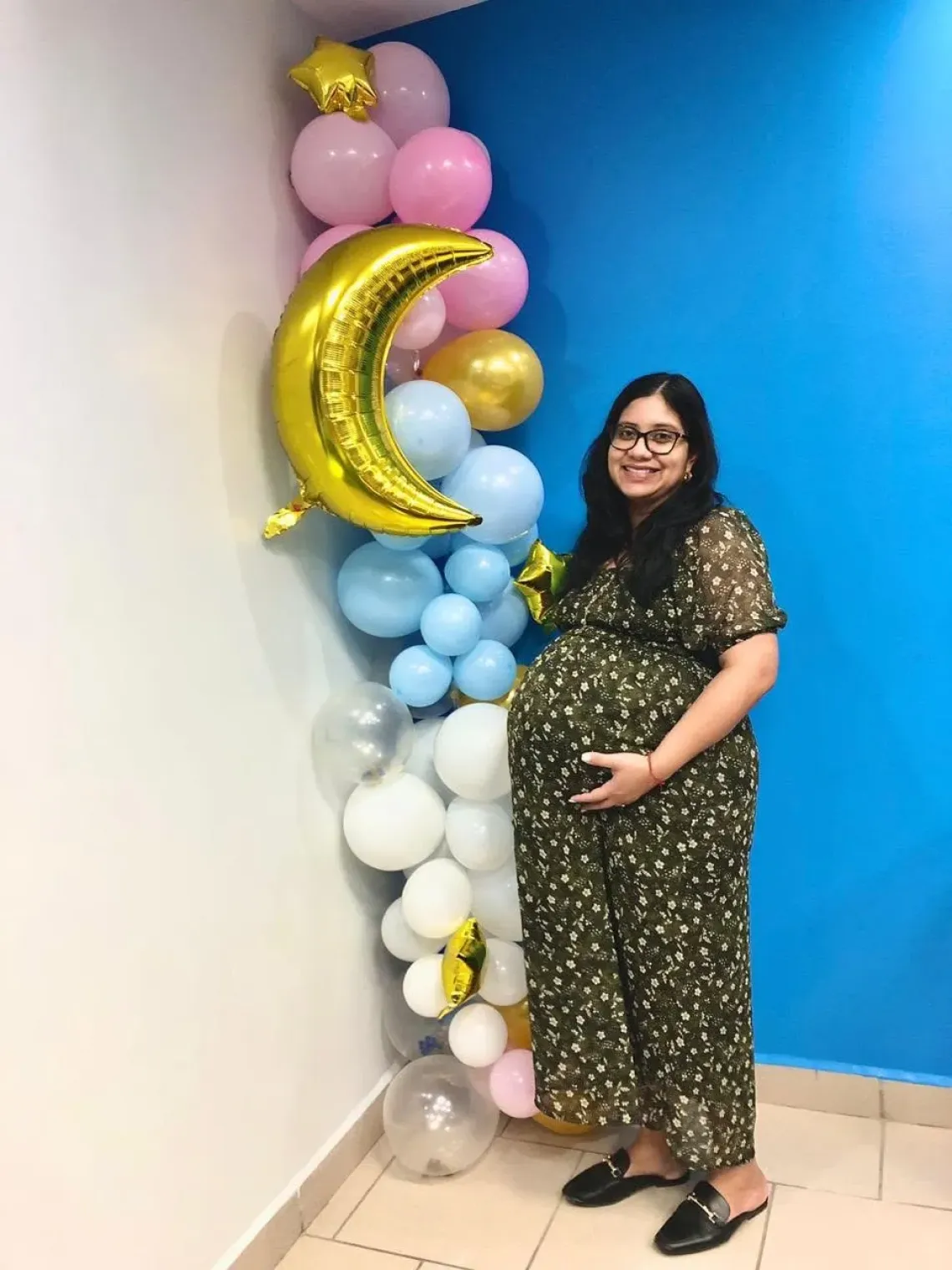
But when Michelle welcomed her children in 2022 and again in 2024, the issue became more than professional. It became personal.
Having experienced pregnancy and motherhood while working within the UN system, Michelle benefited firsthand from family-friendly policies, including paid maternity leave and breastfeeding support measures that allowed her to exclusively breastfeed her children while maintaining her career.
As countries around the world mark World Breastfeeding Week 2025 under the theme, "Prioritize Breastfeeding: Create Sustainable Support Systems," Michelle's story demonstrates why such support matters. Her experience shows how workplace policies can move beyond paper commitments to become practical solutions that help mothers provide the best start in life for their children while remaining active in the workforce.
When breastfeeding isn't as easy as expected
Michelle admits she assumed breastfeeding would come naturally.
Instead, her first experience as a new mother during the COVID-19 pandemic was far more challenging than she anticipated.
"I thought it would be smooth sailing," she recalls. "I didn't anticipate that it wouldn't come naturally, that my nipples would crack and bleed, and that it would be so painful."
As the first among her close friends to become pregnant, she had few people to turn to for advice. The early days were marked by physical discomfort, sleep deprivation and uncertainty.
"It was incredibly difficult," she says. "But by week two, my milk came in, and my son and I started to find our rhythm."
The experience gave her a new appreciation for the challenges many mothers face behind closed doors.
Turning policy into practical support
When Michelle became pregnant again in 2024, she was better prepared. She also had something else that is not common in Belize: workplace support.
UNICEF's family-friendly policies provided six months of paid maternity leave, allowing her to exclusively breastfeed her daughter, establish a routine and bond with her baby during the critical first months of life.
"I was grateful to have the six months maternity leave," she says. "It gave me time to exclusively breastfeed, bond with my baby and allow my body to support her needs."
Michelle explains that breastfeeding itself is a full-time commitment.
"Breastfeeding is like work," she says. "Your breasts may already be full before you leave home, and then it's time to feed again just as you sit down to start your workday. If you return to work after only three months and don't have support, it can be very difficult to maintain breastfeeding."
The extended leave helped her establish and sustain her milk supply, setting both mother and baby up for success.
Support that continues after maternity leave
Returning to work can often be one of the biggest barriers to continued breastfeeding. UNICEF's policies recognize this reality.
After returning from maternity leave, Michelle was able to access two hours of breastfeeding time during the workday and discuss a schedule that worked for both her and her supervisor.
"I only had one conversation with my supervisor about the policy and what would work for my schedule, and the time was set," she says.
Living close to the office allows Michelle to return home to breastfeed when needed. When that is not possible, she uses the flexibility to pump milk.
"The two hours allocated helps a lot because it supports feeding," she explains. "It keeps me flexible to have time to pump if I can't go home."
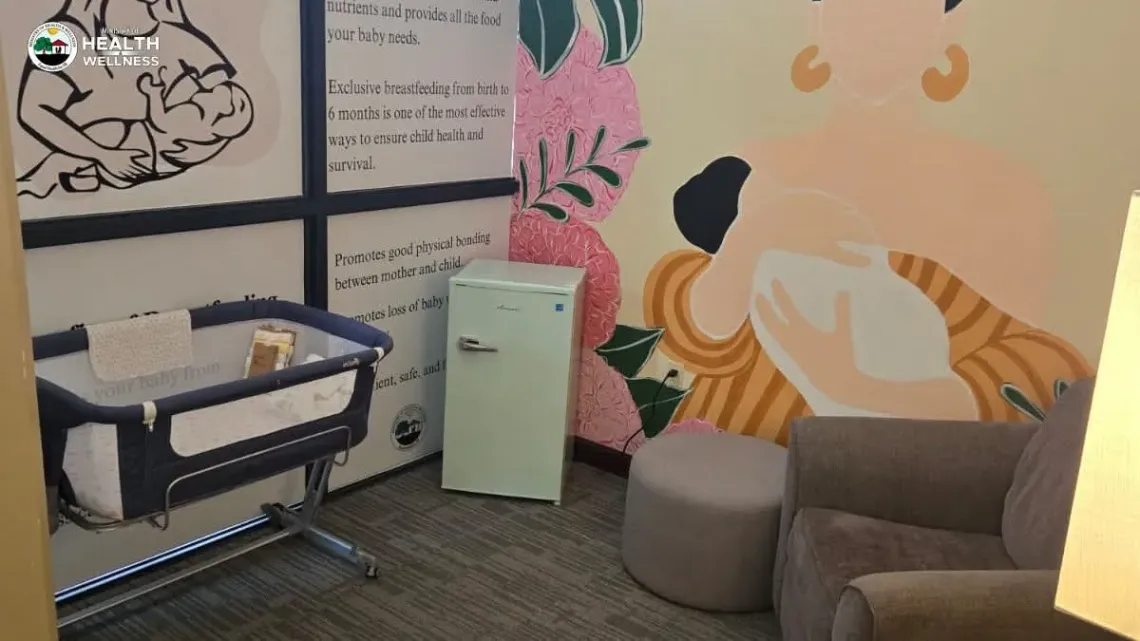
While UNICEF Belize does not currently have a dedicated lactation room, Michelle says practical accommodations make a meaningful difference.
"I appreciated the privacy screen because it allowed me to pump, and I received sanitizers and wipes to clean my pump and keep my space clean."
For Michelle, these measures demonstrate that creating a breastfeeding-friendly workplace does not always require major investment. Sometimes, simple adjustments and understanding supervisors can make all the difference.




Investing in children, families and productivity
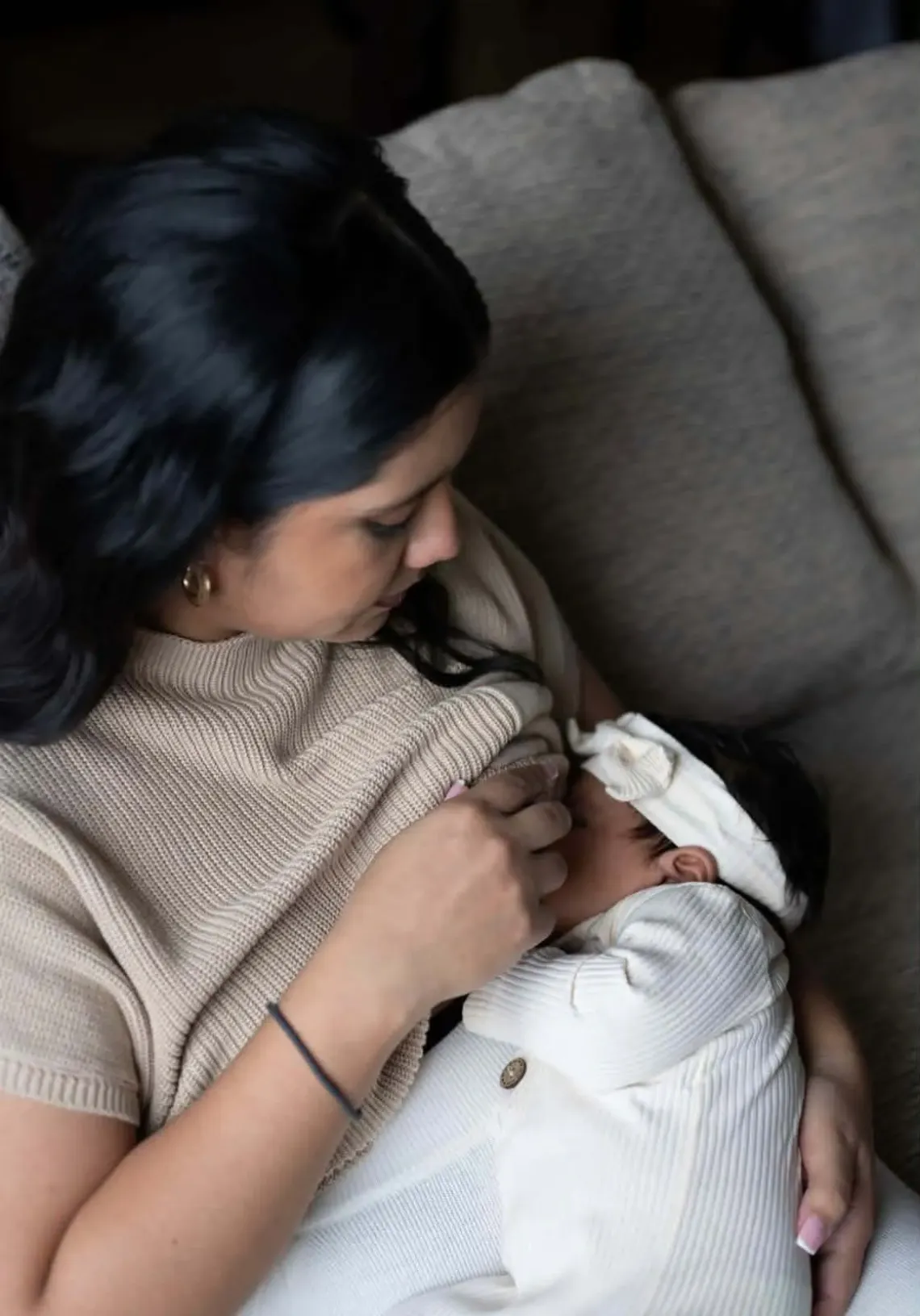
The benefits were evident every time Michelle took her daughter to the doctor.
"The most rewarding part was hearing the doctor say my baby is incredibly healthy," she says. "Every time she weighed more and continued to grow well, it reinforced the importance of breastfeeding."
Looking at her daughter's healthy growth, she often found herself smiling.
"Looking at those little chunky rolls and thinking, 'Me and my milk did that!' It's awesome."
Challenging the myth that support is costly
UNICEF advocates for family-friendly policies not only because they benefit children, but because they also support stronger workplaces and economies.
Too often, paid maternity leave, breastfeeding breaks and workplace accommodations are viewed as costly or disruptive. Michelle's experience tells a different story.
"If we don't put things in place to support mothers, we lose out on so many things," she says. "From giving women the opportunity to participate in the workforce, to encouraging diversity, to boosting productivity."
For policymakers and employers, her message is clear.
"Breastfeeding is a job in itself. You can't expect someone to return from childbirth and keeping a child alive to jump straight back into work without support."
She believes practical solutions such as flexible schedules, breastfeeding breaks and safe spaces for breastfeeding or pumping are essential.
"We need policies that support mothers because breastfeeding is lifesaving."

Building sustainable support systems
For World Breastfeeding Week, Michelle hopes her story reminds mothers that they are not alone.
"The beginning is the hardest," she says. "But once you get into the rhythm, your body knows what to do."
She also believes that sharing experiences is a powerful form of support.
"Something as simple as sharing tips on how to prevent cracked nipples may seem small, but it's a big deal to a mother going through it."
As baby Ella approaches her second birthday, Michelle continues to benefit from UNICEF's family-friendly policies, which have helped her maintain her breastfeeding journey while balancing the demands of motherhood and work.
As this year's theme reminds us, breastfeeding success depends on the support systems that surround mothers at home, in communities and in workplaces.
Through its own family-friendly policies, UNICEF is demonstrating that supporting breastfeeding mothers is not simply the right thing to do. It is an investment in healthier children, stronger families, employee wellbeing and more productive workplaces.
By turning policy into practice, UNICEF continues to show that when mothers are supported, everyone benefits. For every child.