HPV vaccination saves lives: Stop cervical cancer before It starts
Answers to the most common questions about HPV and the HPV vaccine
Cervical cancer remains one of the leading causes of cancer among women in Belize, with about 34 new cases and 25 deaths each year, reflecting a high fatality rate. This places Belize among the higher-burden countries in Latin America and the Caribbean, where mortality is already significantly higher than in high‑income countries.
While some countries in the region have reduced cervical cancer through strong vaccination and screening programmes, Belize still faces higher-than-average mortality and gaps in prevention coverage, including low HPV vaccine uptake.
The message is clear: cervical cancer is largely preventable, yet too many women in Belize are still dying from it. Expanding HPV vaccination for girls and boys, before exposure to the virus, offers a proven, cost‑effective strategy to drastically reduce future cases and deaths.
By scaling up HPV vaccination now, Belize can save lives, reduce health system burden, and move closer to eliminating cervical cancer as a public health problem.
The HPV vaccine protects against cancers and genital warts caused by the human papillomavirus, more commonly known as HPV. It is recommended in Belize for children in Standard 4 as well as 10-year-olds. Both boys and girls can be infected with HPV. Taking the vaccine at a younger age (9–14 years) provides stronger protection than receiving it later, which is why early vaccination is important for effective prevention of the virus.
UNICEF answers your questions about HPV and the HPV vaccine.
What is HPV?
HPV stands for Human Papillomavirus. There are more than 200 kinds of HPV. Some of them are very dangerous and can cause serious health problems, including cancers. Cervical cancer is the most common type of cancer caused by the HPV infection, but it can also cause anal cancer, genital cancers and cancers of the head and neck.
HPV is the most common sexually transmitted infection (STI) in the world, and that's why it's so important to have the HPV vaccine at a young age. About 80 per cent of women and men will be infected with HPV at least once during their lifetime, especially if they are not vaccinated with the HPV vaccine.
Most people with HPV do not have any symptoms and do not know they have the infection. Some people only find out that they have HPV when they get genital warts. Women may find out they have HPV when they get an abnormal Pap-test result.
Fortunately, HPV infection (and the cancers it causes) can be prevented by the HPV vaccine.
What is the HPV vaccine?
The HPV vaccine protects against the human papillomavirus (HPV). It is a quadrivalent vaccine, targeting four types of HPV. After injection, a reaction begins where the body creates antibodies to help the immune system fight an HPV infection. These vaccines contain virus-like particles created from the protein shell of each HPV type found within the vaccine. This process uses recombinant DNA technology.
Protection from the vaccine that lasts for more than 18 years. Researchers have been monitoring individuals who received either the bivalent or quadrivalent vaccine, and there is no indication that protection diminishes over time.
It was first introduced in Belize in 2016. These vaccines represent a significant advancement in preventing HPV infections, demonstrating their established track record in protecting against the types of HPV most commonly associated with cervical cancer.
The vaccine can prevent more than 90% of the cancers associated with HPV.
Who should get the HPV vaccine?
The Ministry of Health & Wellness in Belize recommended the vaccine for children in Standard 4 as well as 10-year-olds. Both boys and girls can be infected with HPV. Taking the vaccine at a younger age (9–14 years) provides stronger protection than receiving it later, which is why early vaccination is important for effective prevention of the virus.
Talk to your healthcare provider for more information.
How is the HPV vaccine given?
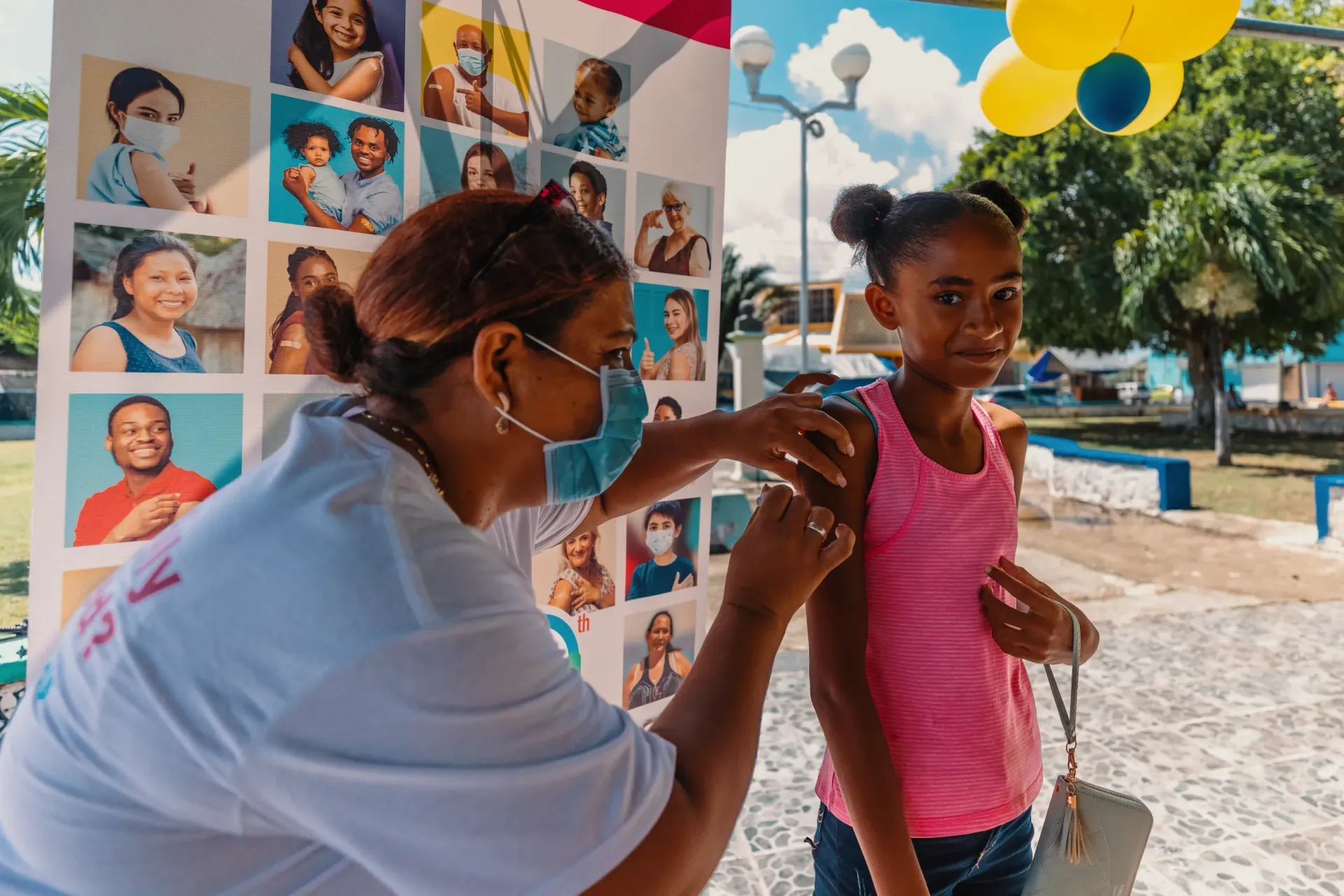
The HPV vaccine is given as an injection into the upper arm. One dose of the vaccine is recommended in Belize. This ensures that you have the best possible protection against the HPV virus.
Does the HPV vaccine cause infertility?
We understand that new vaccines can cause some uncertainties or anxieties, particularly around how the vaccine might impact your health. But the HPV vaccine is very safe and poses no risk to fertility.
The HPV vaccine can even help protect fertility by preventing pre-cancerous cervical lesions and gynecological issues related to the cervical cancer.
What are the possible side effects of the HPV vaccine?
The HPV vaccine is very safe. Millions of children around the world have received the vaccine.
Like any other vaccine or medicine, it can have side effects. Most of those who have the vaccine don’t experience side effects or the side effects are mild.
The most common side effects may include redness, swelling or pain at the injection site, which should go away in a couple of days. Others include a mild fever, bruising or itching at the site of the injection, nausea and pain in the arms, hands, fingers, legs or toes. Serious side effects, such as difficulty breathing, are extremely rare. Your healthcare provider will help provide information about what to look our for and how to treat mild side effect symptoms.
As for all vaccines, the benefits of the HPV vaccine far outweigh any of the potential risks.
Who should not have the HPV vaccine?
There are just a few exceptions for population groups who should not receive the HPV vaccine.
The HPV vaccine should not be given to any child or adult if they have had a severe allergic reaction such as anaphylaxis (e.g. difficulty breathing, rapid heart rate, nausea or vomiting, loss of consciousness), or if they are allergic to any of its ingredients, such as yeast.
As a precaution, HPV vaccination is not recommended during pregnancy because of a lack of evidence from formal studies on pregnant women. However, there is no evidence that the HPV vaccine has caused any harm at all when administered to pregnant women who did not know that they were pregnant when they were vaccinated.
Your healthcare provider should be able to discuss specific concerns you might have regarding getting the vaccine.