An early dose of protection from measles
As measles spread across Bangladesh in early 2026, an emergency vaccination campaign made sure children like Ayesha were protected
- বাংলা
- English
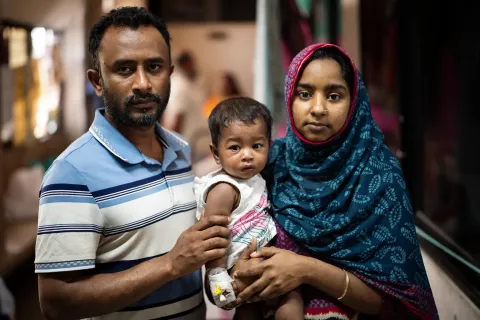
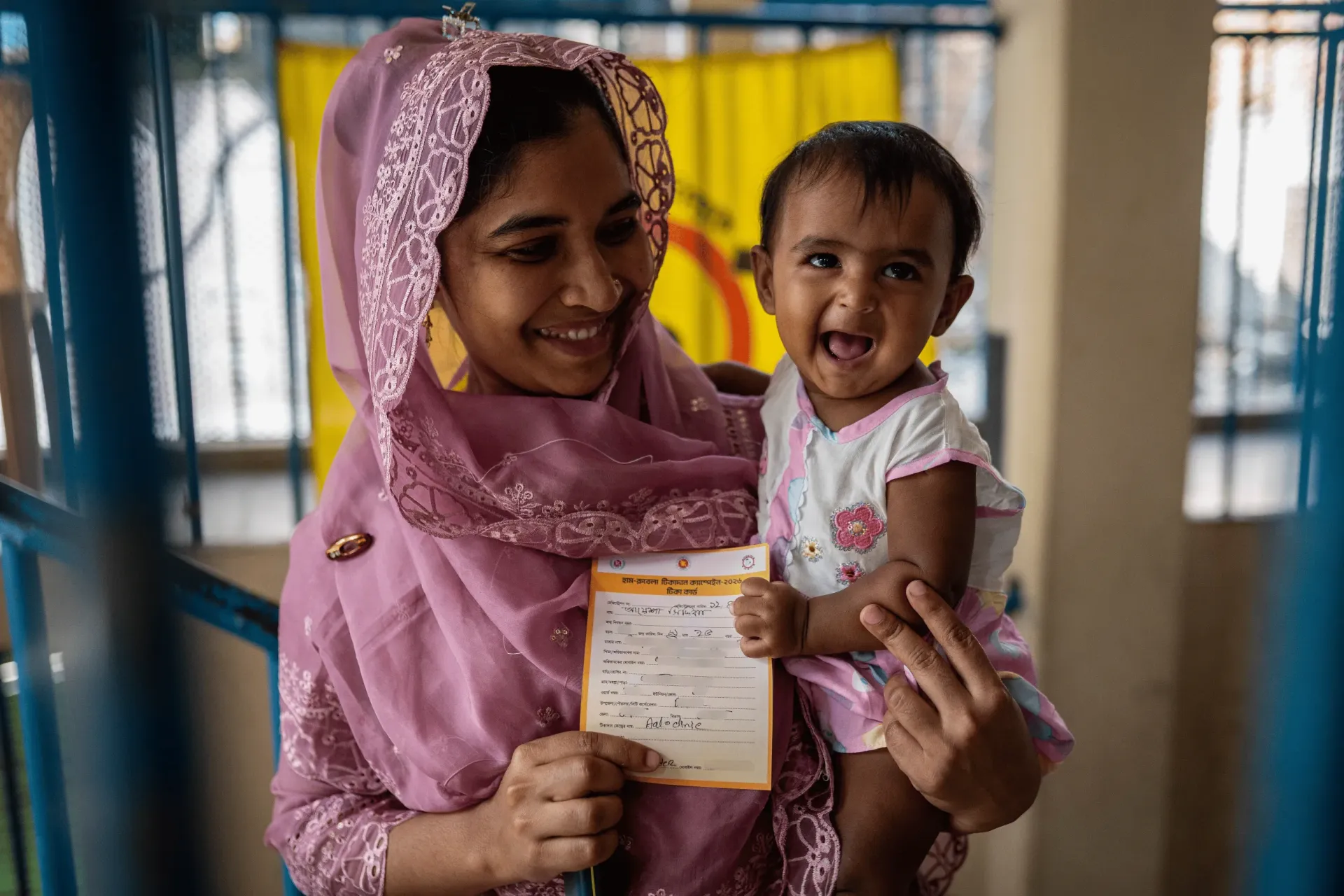
We met Maushami and Ayesha at the foot of a narrow staircase.
It was a Sunday afternoon in April. Maushami was taking her seven-month-old daughter to get vaccinated, and she had been waiting for this day for a while.
She gathered Ayesha in her arms, walked through the narrow lanes of Korail and headed to Alo Clinic.
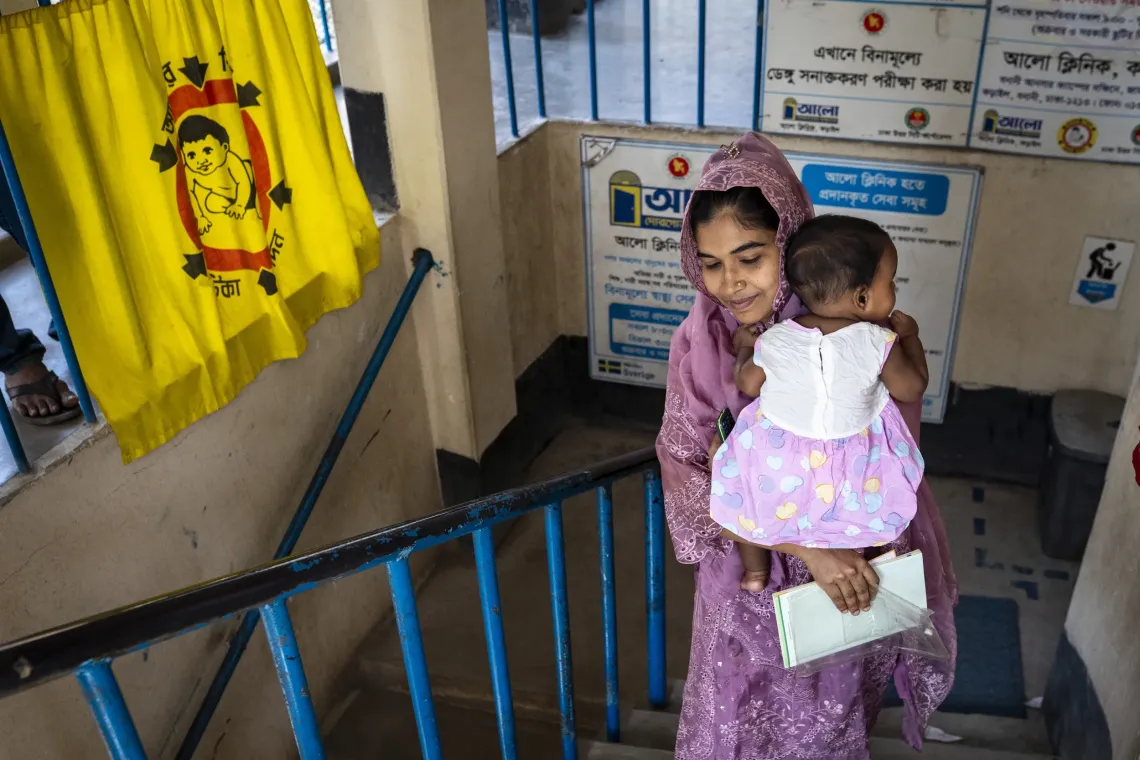
Every day, mothers frequent the clinic carrying their child on their hips or holding their hand. The clinic – located at one of Dhaka’s densely packed urban slums – offers free care for several services, from routine vaccination, pregnancy checkups, family planning and treatment for illnesses ranging from seasonal fevers to some chronic diseases.
But on this particular Sunday afternoon, something more urgent was underway.
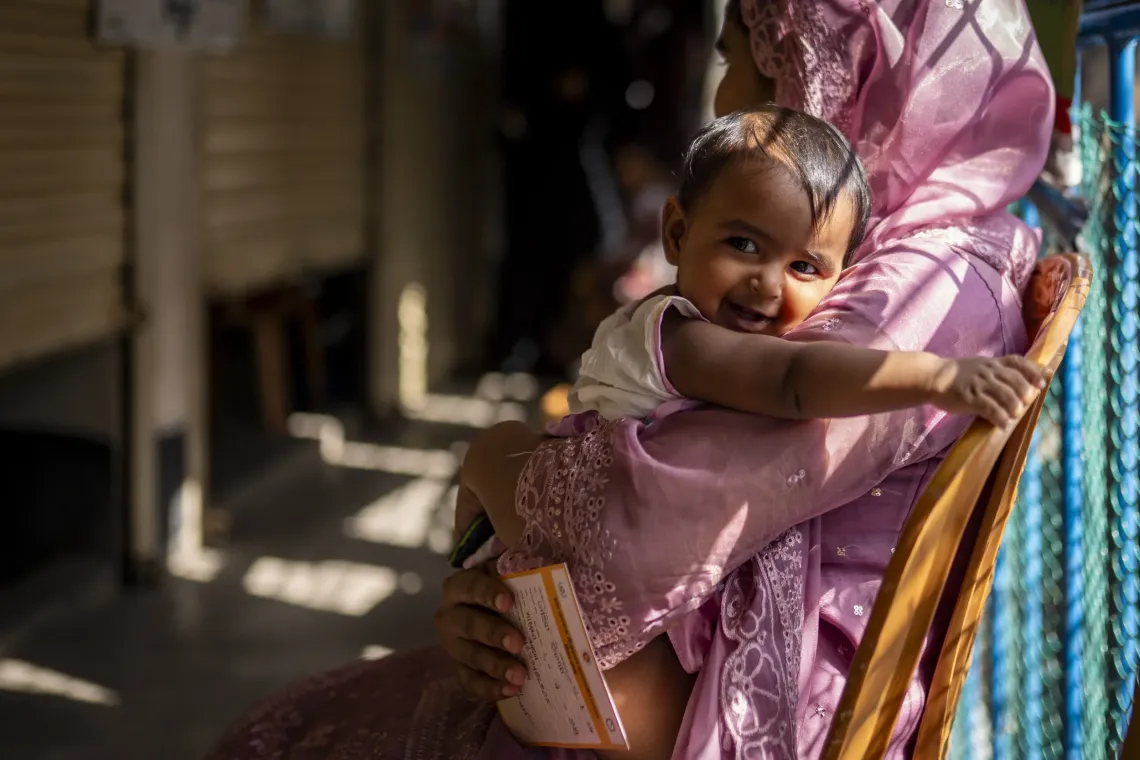
Bangladesh was in the middle of a measles outbreak. Measles – a disease people had nearly forgotten – had come roaring back. Thousands of people have been diagnosed. Tragically, hundreds have died. Hospitals in Dhaka were running out of beds and families were traveling hundreds of kilometres by ambulance, rickshaw, CNG – anything they could find, with hopes of their child getting treated by a doctor in Dhaka. In dedicated measles wards across the capital, parents sat on mattresses on the floor, watching their babies fight fever, pneumonia, and rashes that spread across their face and body.
The disease was spreading fast and in places like Korail, where families live wall-to-wall, it did not need much of an invitation.
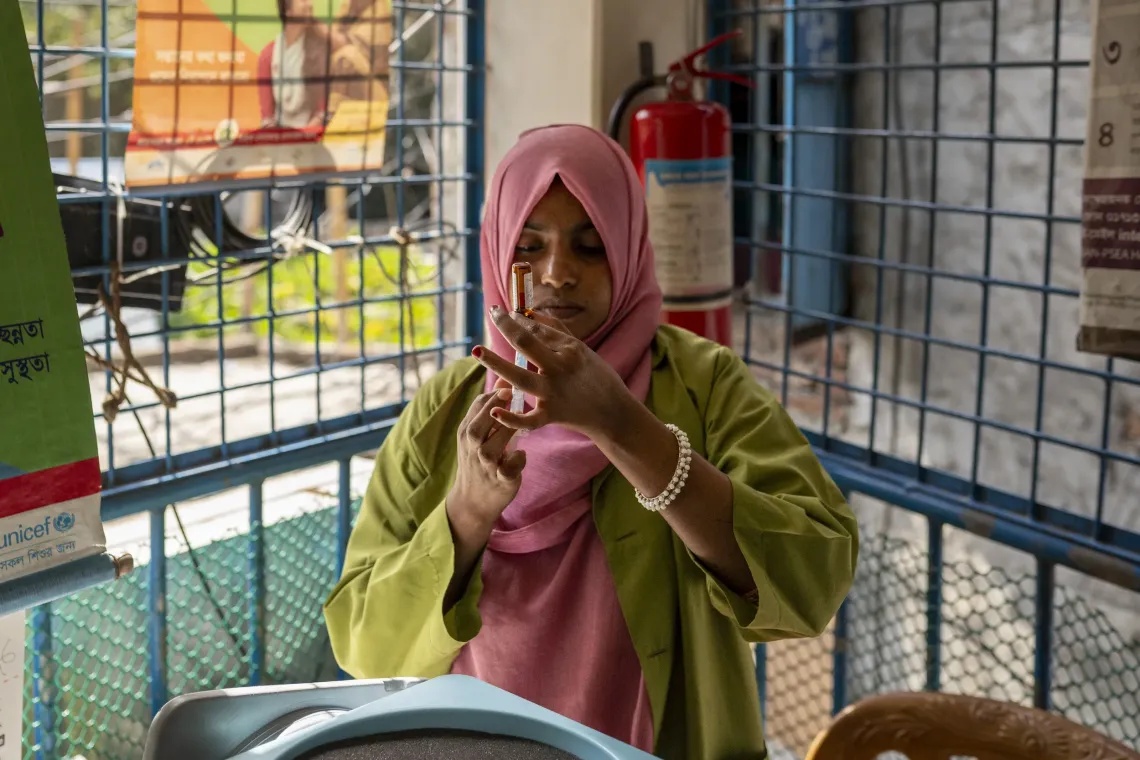
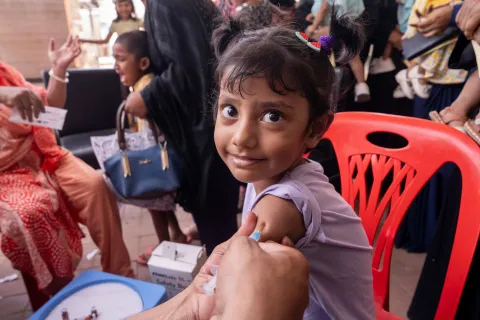
When Ayesha’s name was called, Maushami took her forward. The shot was quick. Ayesha looked a little confused about what had just happened. As for Maushami, she was smiling – a big, ear-to-ear grin. Everything she had been carrying these past weeks – the worry, the waiting, the headlines about children dying – seemed to lift in that one moment. Her daughter was now protected, and that was enough.
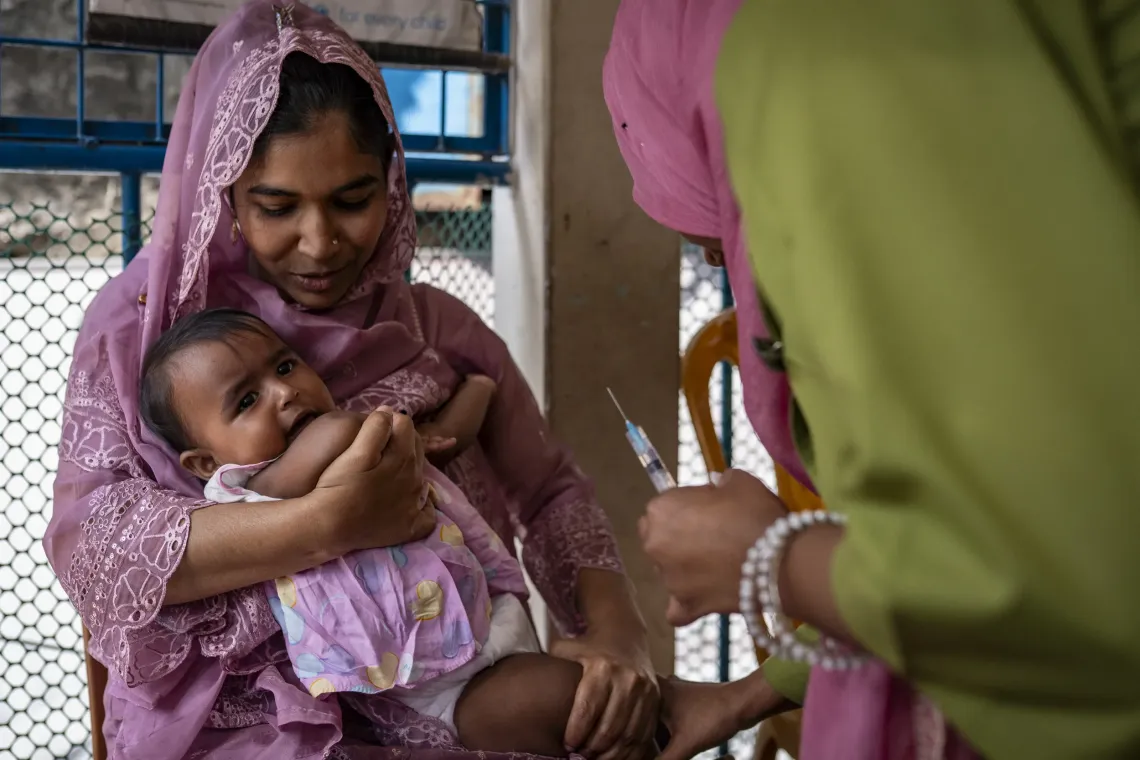
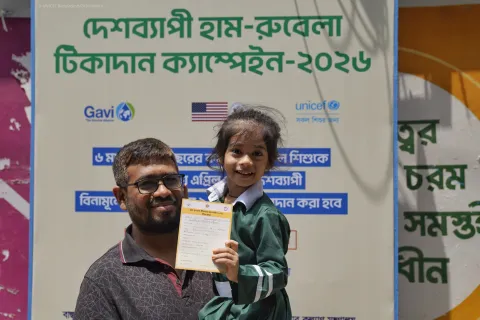
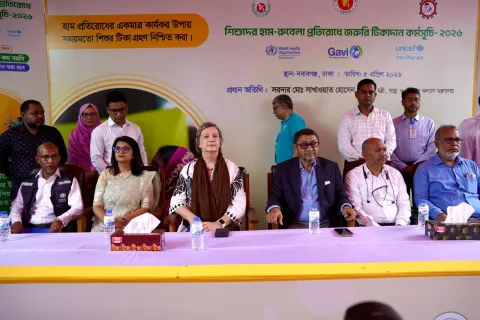
What made that moment possible was far from simple. This was part of an emergency vaccination campaign launched to curb the measles outbreak.
Under normal circumstances, WHO recommends the measles-rubella vaccine for a campaign children between nine months and five years of age. But the outbreak in Bangladesh was not a normal situation. The virus was spreading too fast and affecting the youngest. Children under nine months who are ordinarily outside the window for vaccination were falling sick.
Faced with the scale of the outbreak, the Government of Bangladesh, in close coordination with UNICEF, and Gavi, the Vaccine Alliance, and with support from the United States, took an urgent decision. The eligibility age was lowered to six months in order to reach children like Ayesha, who would otherwise be left unprotected. This was to achieve herd immunity before the virus could reach young children.
But vaccines only work if parents and caregivers know that they exist. In communities where misinformation can travel as fast as the disease itself, that gap between supply and trust can be the difference between life and death.
This is why UNICEF has been building capacity of Government and non-government community health workers on interpersonal communication from door-to-door across high-risk neighbourhoods – not just to announce the campaign but also sit with parents and answer their questions and fears honestly. UNICEF has also been building the capacity of Government vaccinators to support this work. This was necessary to ensure no family was left out simply because no one told them.
One of those doors was Maushami’s.
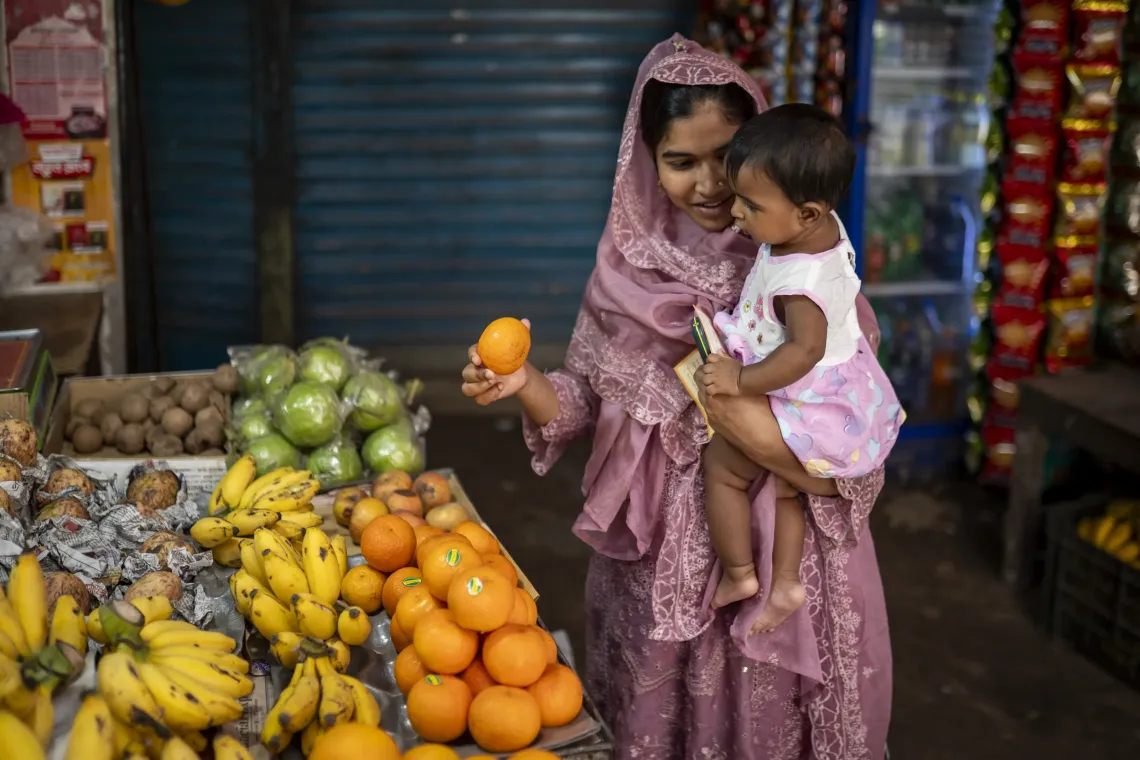
After the vaccination was done, Maushami took Ayesha to one of her favourite spots in the neighbourhood – a fruit shop. Ayesha, who has a strong and well-established love for oranges, was obviously mesmerized.
Ayesha did not know about the outbreak. She did not know about the emergency decision that lowered the age for children like her to get the vaccine. She probably has no memory of the community mobilizers who knocked on their door. She did not know about the global partnership that made the vaccine doses possible.
She just knew that she wanted oranges.
That is what vaccines do. They keep children like Ayesha unburdened by the weight of crises that are entirely preventable.