The dangers of lead poisoning in Bangladesh
UNICEF expert talks about the impacts of lead poisoning on children and national efforts to achieve a lead-free Bangladesh
- বাংলা
- English
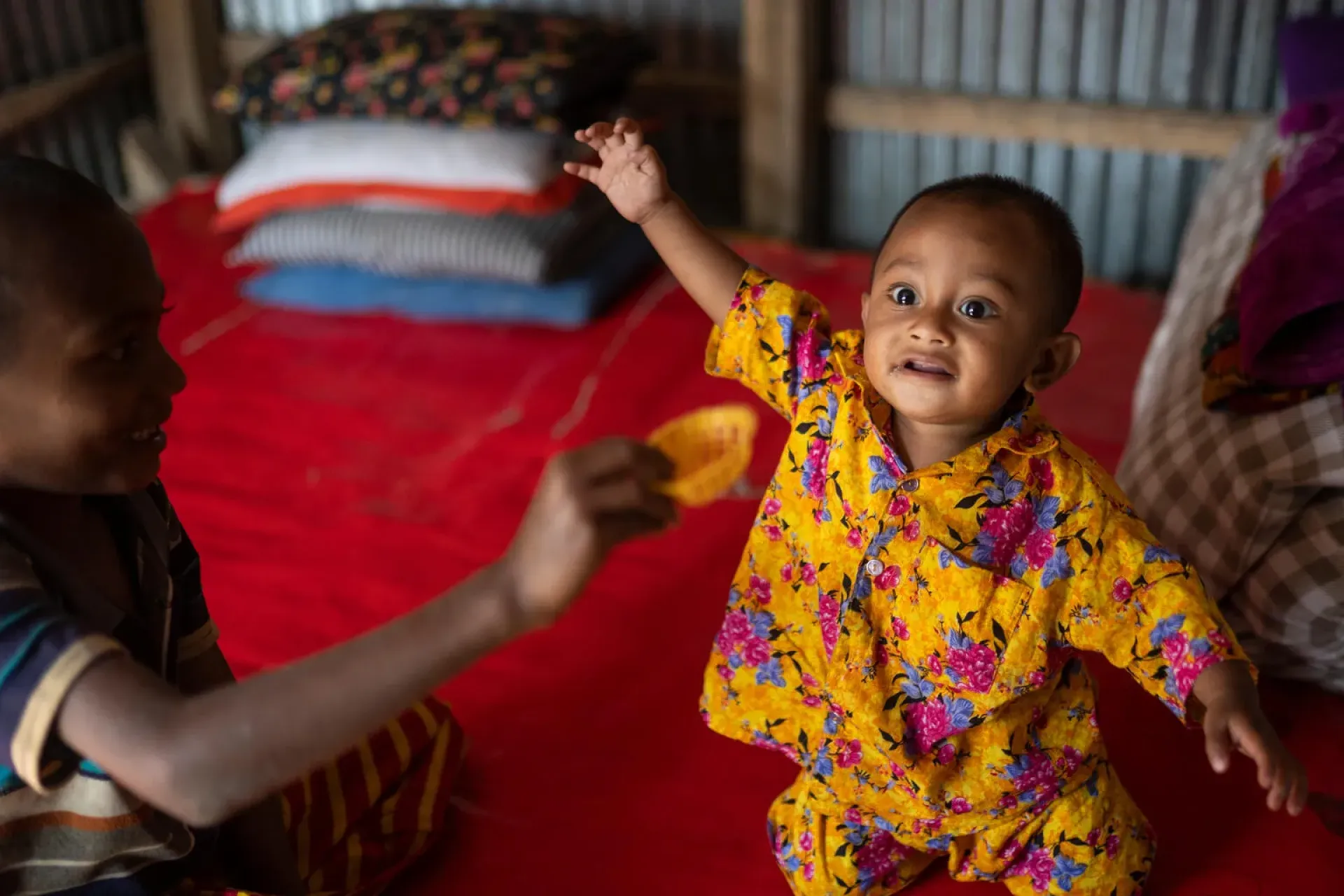
Picture a child doing what children usually do – crawling on a floor, playing with toys, chasing friends through a neighbourhood lane. Now imagine this – in each of those ordinary moments, they might be consuming something invisible which could affect their health forever.
Lead Poisoning is a silent threat that is threatening children’s health, education and future in Bangladesh. Lead is hidden in the air they breathe, the food they eat, and even the toys they hold. For children, even the smallest amount can cause lasting harm.
Children in Bangladesh are at particular risk due to dense population, rapid urbanisation, widespread industrialisation, and weak regulations around the use and disposal of harmful chemicals.
In this article, we speak with Dr. Priscilla Wobil, Health Specialist with UNICEF in Bangladesh, about the dangers of lead poisoning and the importance of stronger national legal measures to protect children and families.
Let’s start with the basics. What exactly is lead poisoning and why is it particularly dangerous for children? Is it preventable?
Lead is a highly toxic metal. It has no taste or smell. It is invisible to the naked eye.
When lead accumulates in the body, it is called lead poisoning. Because it is very toxic, it damages multiple body organs, including the heart, kidneys, and the brain.
The World Health Organization (WHO) has set 5 micrograms of lead per deciliter as a threshold for an intervention, but it also emphasizes that no level of lead in the blood is safe.
It’s particularly dangerous for children. Their body organs are still developing, including their brains, so exposure to even small amounts of lead over time can have lifelong effects on them, causing irreversible damage.
It can lead to learning difficulties, cognitive and neurodevelopmental challenges, and even issues such as violent behaviour. In pregnant women, the developing fetus is also at risk, as lead can cross the placenta and cause miscarriage, still-birth, or pre-term birth.
Lead poisoning is preventable, and that is why it is important to know the potential sources and avoid them.
Why are children more vulnerable to lead exposure than adults?
Lead poisoning affects adults too, but children are far more vulnerable because they tend to absorb 4-5 times more lead than adults.
Young children are naturally curious and have a limited understanding of risk. They frequently put their hands and objects into their mouth, play on grounds, and are unable to recognize or avoid hazardous lead-contaminated things. For example, they may not be able to read the warning labels on lead-based paint. This increases their exposure to contaminated dust, soil, paint, and other sources of lead.
At the same time, the brains and bodies of fetuses and young children are rapidly developing. Exposure to toxic chemicals such as lead during this critical stage can cause lifelong harm to learnings, behaviour, growth, and overall health.
There is also a long-term dimension. Because children have so many years ahead of them, the harmful effects of lead can continue to affect them for a longer period of time.
Bangladesh is considered one of the hotspots for lead exposure. How serious is the situation for children here?
The numbers are sobering. Bangladesh is among the countries most affected by lead exposure, with nearly four out of every ten children under the age of 5 having high blood lead levels above 5 µg/dL - the threshold set by WHO.
Last year, the 2025 Multiple Indicator Cluster Survey (MICS 2025), published findings from testing over 11,000 children aged 12 – 59 months and over 2,000 pregnant women. It was the first time the survey had included lead and heavy metal testing. The findings were concerning.
38.3% of children and 7.5% of pregnant women had elevated levels of lead in their blood. In Dhaka, the majority (65%) of the children had elevated blood lead levels. These are children in the most important years of their development, when they are learning to speak, play, and interact with the world around them. Lead exposure during this critical period can hamper their ability to learn, affect their behaviour and growth, and limit their potential for years to come.
What are the most common sources of lead exposure for children? Are there particular environments where they are more at risk?
To understand where children are being exposed, you have to think about the places where they spend most of their time, such as homes, schools, or open spaces.
Some common sources of lead exposure include:
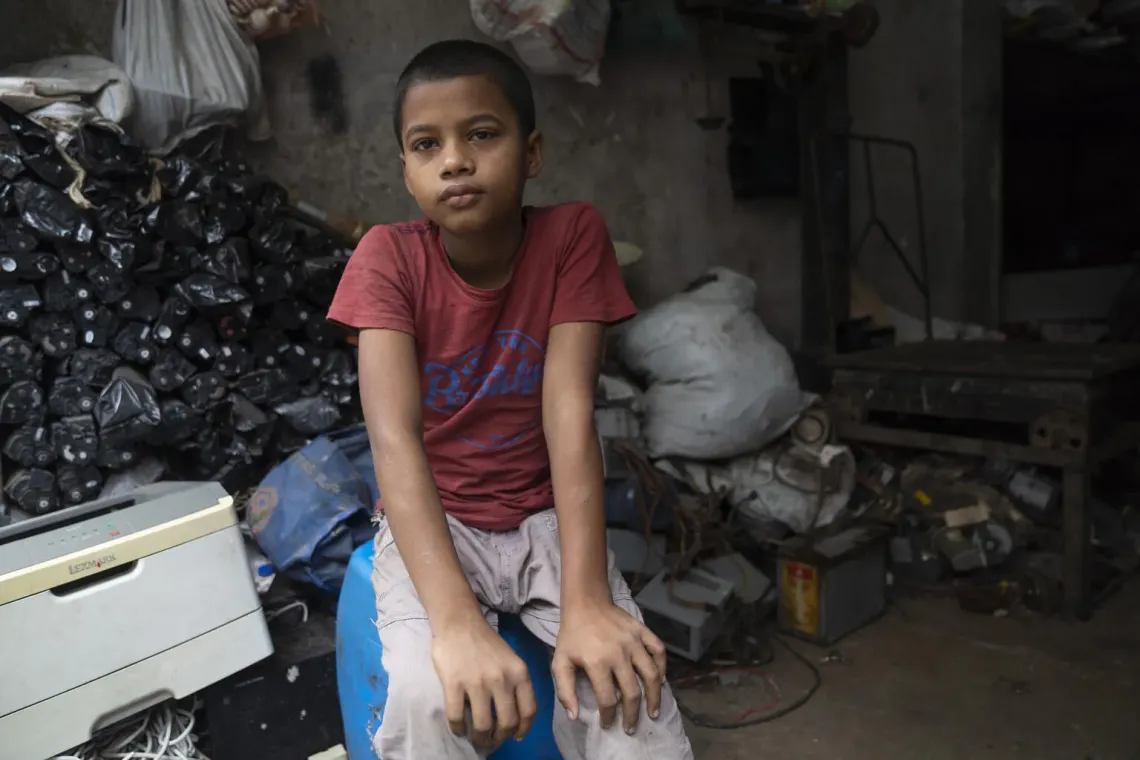
- lead contaminated dust and soil from informal recycling of used lead-acid batteries and electronic waste,
- peeling lead-based paint on walls,
- contaminated toys,
- aluminium or ceramic cookware made from metal scraps,
- adulterated tumeric and spices,
- unregulated traditional medicines,
- lead-based jewellery, amulets, and cosmetics such as kohl or surma.
Are there particular symptoms parents should watch for?
Here’s the troubling thing – usually, no. Lead poisoning is often invisible in its early stages and may only become apparent after prolonged exposure.
Lead exposure can cause stunted growth, anaemia and weakened immunity. It lowers IQ. It reduces attention span and memory. It increases the risks of learning difficulties and behavioural problems. It can cause abdominal pain and seizures.
These effects don’t fade with time. Children who are frequently exposed often fall behind in school, struggle to reach their full potential, and face greater health costs later in life.
However, these symptoms may resemble other childhood illnesses. That is why the most reliable method to confirm lead exposure is a blood test. If a parent or caregiver suspects lead poisoning, they should seek medical advice promptly and carefully follow the recommended guidance for treatment.
What practical steps can parents and families take to protect their children?
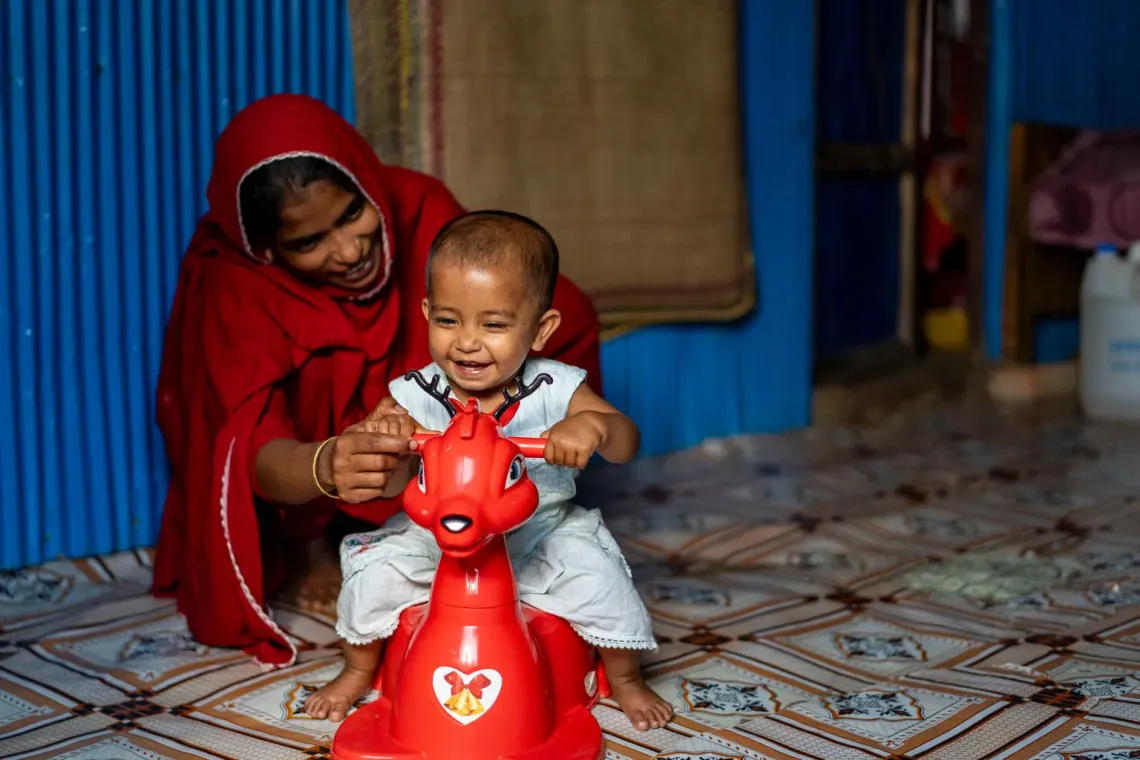
Families can reduce lead exposure by knowing and avoiding sources of lead.
- Keep children away from informal battery recycling and e-waste sites. Adults working in these industries should not bring their work clothes home and must wash thoroughly before contact with children.
- Avoid locally made toys that have lead, especially those coated with lead-based paint.
- Check that the paint used in your homes are lead-free and not peeling off.
- Use lead-free alternatives to lead-containing surma, cosmetics, jewelry, and amulets.
- If you can, choose stainless steel cooking pots over aluminium cookware made from metal shards.
- Encourage children to wash their hands frequently with soap under running water after playing, before eating, and so on.
- Give your children nutritious iron-rich and calcium-rich food.
- Clean the floors and surfaces of your homes with a damp cloth, not just a dry broom.
If your child is unwell or may have been exposed to lead, please take them to a health facility where the healthcare professional will take an environmental history and check for risk factors. If any risk factors are identified, get a blood test done to confirm exposure and seek necessary treatment in line with national guidelines.
What actions can the Government of Bangladesh take to protect children?
Protecting children from lead poisoning is not something parents and caregivers can do alone. A lead-free Bangladesh will require coordinated action across sectors.
The Government can play a critical role by investing in public awareness, strengthening policies, regulation, surveillance, and collaboration with both the health and private sector.
At the policy level, the Ministry of Environment, Forest, and Climate Change (MOEFCC) is already advancing efforts for a national strategy, supported by the formation of a multisectoral and interministerial steering committee to guide evidence-based policies and regulations. This is an encouraging start as lead poisoning affects health, industry, environment, and consumer safety.
Blood lead testing should be accessible for everyone, especially children. But right now, Bangladesh does not have a reference laboratory equipped to test lead levels in blood, which is a significant gap. Establishing one with equipment for testing both human blood and environmental samples would be an important step towards strengthening the country’s ability to detect, monitor, and respond to lead contamination. That can also support the development of a routine surveillance system for regular testing, tracking progress, and guiding evidence-based action to end childhood lead poisoning.
Reviewing existing regulations on lead and lead-containing products, passing new regulations and national standards, and building institutional capacity to enforce them are equally important.
Alongside that, by collaborating with the private sector, the Government can encourage businesses to adopt safe and responsible business practices while holding them accountable.
Finally, strengthening capacity of health care professionals on lead poisoning prevention and management is key. The Directorate General of Health Services (DGHS) has already developed guidelines and training materials in this area – which will be consistently updated as new evidence is generated – while the Directorate General of Medical Education (DGME) has produced a handbook on children’s environment health – which includes lead poisoning – with plans to integrate it into the medical education curriculum. That kind of long-term investment is essential for Bangladesh.
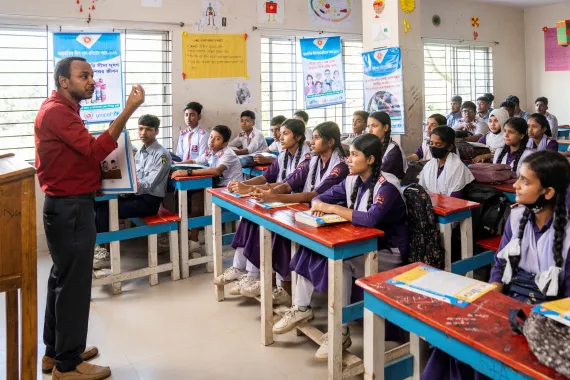
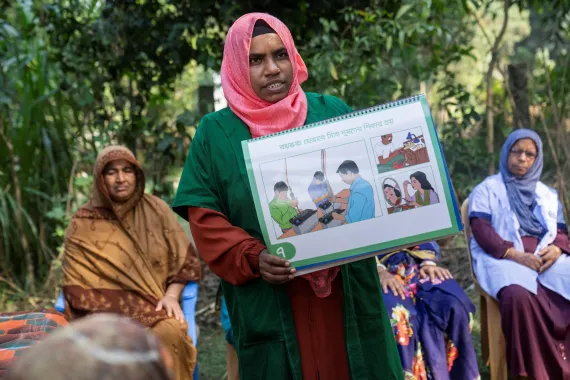
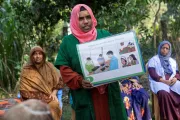
How is UNICEF contributing to address lead poisoning in Bangladesh?
UNICEF is working alongside the Government on several fronts.
We are generating evidence, influencing policy, advocating for regulatory reform, building institutional capacity, raising public awareness in communities, and fostering partnerships with development partners, donors, and private sector.
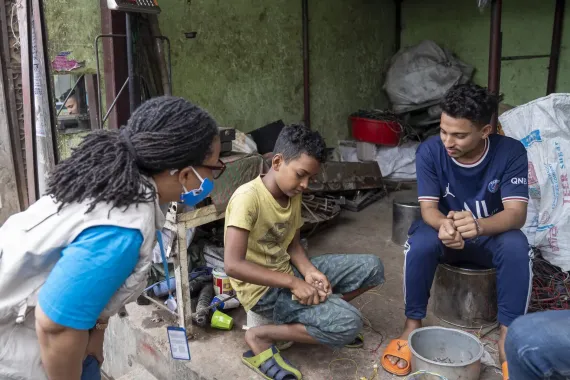
The preliminary findings from MICS 2025 have helped identify which children are most at risk and where. The next step is identifying the sources. UNICEF is working closely with relevant government agencies, non-governmental organizations and academic institutions on a market survey by testing food items and consumer products. Planning is also underway for a nationwide household assessment.
Together, these efforts will help us understand how children are being exposed to lead and what urgent action is needed from the Government, private sector, and civil society organizations.
Lead poisoning is preventable. That is the most important thing to hold onto.