Climate Justice
Why Bangladesh’s Youth Are Fighting For Their Present
- বাংলা
- English
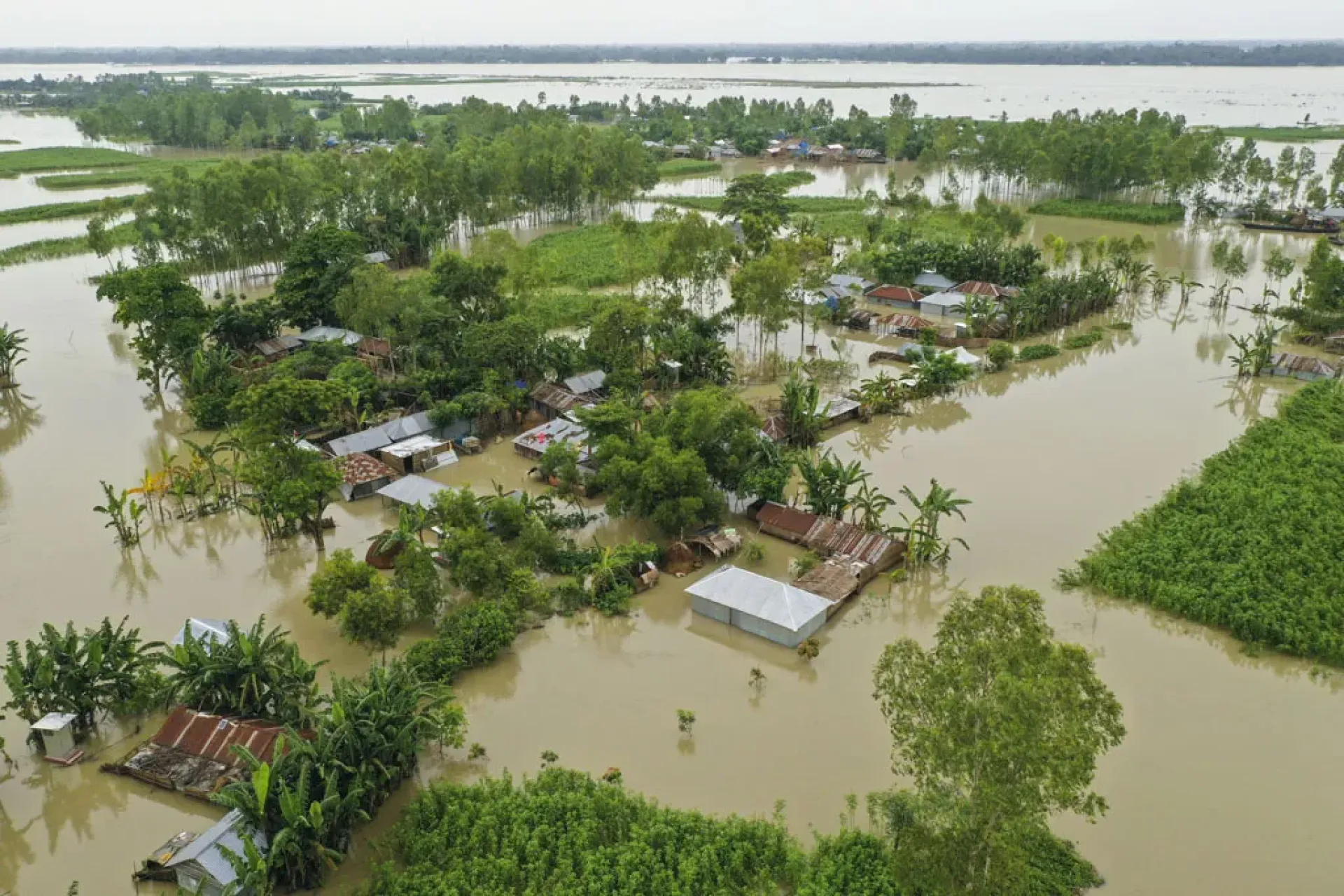
When we think of climate change, images of floods, cyclones, droughts, and shoirtage of safe drinking water instantly come to mind. Bangladesh is currently ranked among the countries most vulnerable to climate change.
According to the "Climate Risk Index 2026" by Germanwatch, a German-based organization focused on environment, Bangladesh is among the top 20 countries worst affected by climate change. Furthermore, the UN’s Intergovernmental Panel on Climate Change (IPCC) warns that sea levels could rise by 20 to 35 centimeters by 2050. This would put nearly 20% of Bangladesh’s total land at serious risk.
Despite bearing the brunt of these disasters, Bangladesh’s actual contribution to global pollution is incredibly small. This unfair reality has made the demand for "climate justice" a major issue for the country.
What is Climate Justice?
Developed nations have grown wealthy through centuries of industrialization, heavy fuel use, and massive carbon emissions. However, the developing and poor nations like Bangladesh have to face the worst consequences of this pollution.
Climate justice is the demand that these wealthy, polluting countries pay for climate damages, cut their emissions, and provide necessary support to vulnerable nations.
Professor Md. Hafizur Rahman, from the Department of Environmental Science and Management at Independent University, Bangladesh (IUB), explained the situation to Hello.bdnews24.com: "Developed countries have raised their standard of living by emitting carbon for hundreds of years. Yet, we are the ones facing the terrible consequences. They hold the greatest responsibility to solve this crisis."
It’s Not Just About Money
According to Professor Rahman, climate justice is about more than just financial aid. It requires youth participation, awareness, and capacity building.
"Simply getting funds is not enough; we need to know exactly where and how to spend it," Rahman said. "That is why our youth need capacity building, and we must ensure transparency in how funds are used."
He praised Bangladeshi youth platforms for actively fighting for climate justice over the last few years.
"Today's youth will lead tomorrow’s Bangladesh. But if the planet is unlivable and inhabitable, that leadership will mean nothing. The more young people learn and speak up, the more aware our society will become."
A Matter of Rights, Not Charity
Professor Rahman believes that the country has a good bonus of youth population and they must unite. Their collective voice is the strongest tool to force developed nations to cut emissions and pay compensation.
"Climate justice is not a charity; it is a matter of fairness and rights," he emphasized. "Everyone must speak up to claim this right."
The idea that climate justice is a right to be claimed rather than a favour to be granted, sits at the heart of UNICEF’s global work on justice for children. This is what UNICEF calls legal empowerment: helping children and young people know their rights, seek remedies and hold decision-makers accountable for a safe, clean and healthy environment. UNICEF is scaling up legal empowerment for children and youth so they can claim their rights to a safe, clean and healthy environment, access remedies, and hold duty bearers accountable.Through its Reimagine Justice for Children agenda, UNICEF promotes the legal empowerment of children: helping young people understand their rights, use the laws meant to protect them, and have a real say in the decisions that shape their present.
UNICEF has applied this approach directly to the climate crisis, recognizing that climate change is not only an environmental challenge but also a child rights issue. Through a framework built around education, expression, access to remedy and safety, UNICEF supports children and young people to understand climate impacts, raise their voices and seek accountability when environmental harm threatens their rights. UNICEF is already laying this foundation across more than 40 countries by strengthening access to justice, supporting child-friendly legal systems and amplifying children's voices in climate decision-making. For a generation already informed and speaking up, this turns the demand for climate justice into concrete rights they can claim and defend.
For many young climate activists in Bangladesh, this idea of legal empowerment is not abstract. It is reflected in their calls for stronger policies, accountability and protection of the rights of communities most affected by climate change.
What Do Young Activists Say?
Aruba Faruque, a young Bangladeshi climate activist who won England's ‘Queen’s Commonwealth Award’ in 2023, shared her concerns with Hello.
"Cyclones, floods, water salinity, heatwaves, and river erosion are no longer just environmental problems," Faruque said. "They threaten human life, health, education, and the future."
She pointed out the injustice that the future generations in Bangladesh will have to suffer the most despite polluting the least.
"This is why the demand for climate justice is so urgent. We need policy changes, guaranteed rights for affected people, and collective action for a sustainable future. If we don’t speak up today, our generation will pay the heaviest price."
Youth Initiatives on the Ground
Many youth-led organizations in Bangladesh are already taking action. One major platform is YouthNet Global, which advocates for climate justice from the grassroots to the international level.
Sohanur Rahman, the Executive Coordinator of YouthNet Global, told Hello:
"We work on building youth skills, taking the demands of affected communities to policymakers, and campaigning for a fair transition. Our youths took to the streets for climate strikes to demand quick action and accountability from leaders."
In many ways, these efforts reflect the principles of legal empowerment in action, enabling young people to raise their voices, influence decisions and seek accountability for climate-related harms.
The Call for More Voices
While many young people are already involved, Professor Rahman believes the movement needs to grow even larger to successfully pressure developed nations.
"We must remember that the climate crisis is not just an environmental issue," Rahman concluded. "It is a question of our future, our rights, and our very survival."
The writer Shahriar Hossain Pritom, 16, is a child journalist with our partner Hello.bdnews24. Pritom is particularly interested in reporting on social issues such as child marriage and child labour. Besides that, he likes exploring historical sites and bringing their cultural and historical significance to audiences through his reports.