Working together for a cleaner community
When Rahmatullah noticed that children in his village were frequently ill, he realized open defecation was the culprit. So he built a new toilet at home - and encouraged his neighbours to do the same.
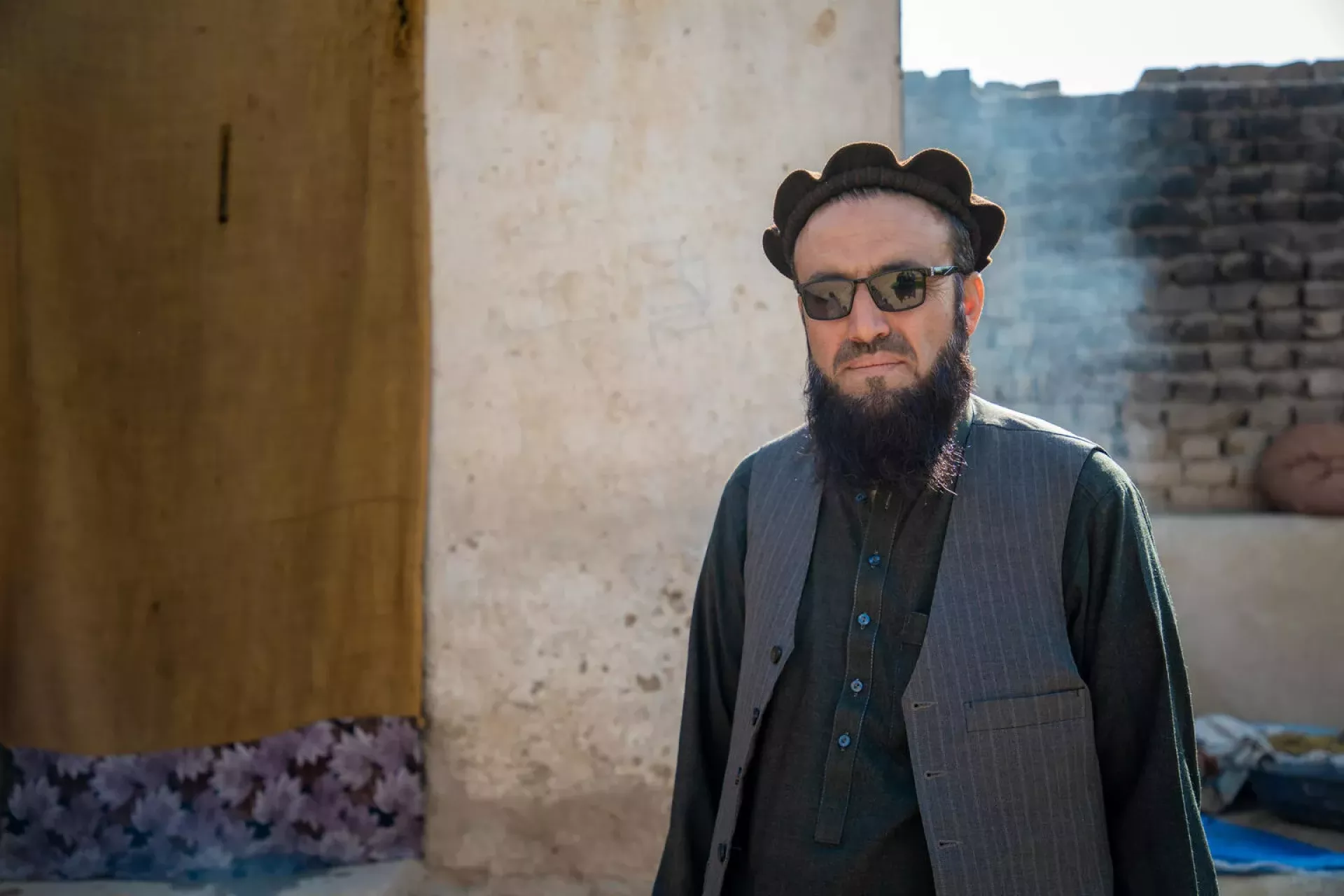
Qari Rahmatullah remembers a time when children in Sheikh Mesri village were frequently ill. Diarrhoea, vomiting and frequent stomach infections were rampant. For Rahmatullah and other parents, it was a distressing era – it felt that nearly every few weeks he was making another trip to the health centre.
“Everyone in our village faced severe health issues, especially the children. Open defecation was common, and it polluted our environment.”
“People did not realize how much open defecation harmed our health and community,” he says. “It caused so many diseases that took a toll on our children and the elderly. We were losing time and money on medical treatments that could have been prevented.”
55% of households in Afghanistan do not have basic sanitation.
Changing behaviours to change their health
In Afghanistan, more than 55 per cent of households do not have basic sanitation – or the minimum facilities and services needed to ensure a clean and healthy living environment. This includes access to safe and private toilets, proper disposal of human waste, and clean water for washing. In rural areas, it is much worse – more than two-thirds do not have basic sanitation.
As the leader of his village shura – the village council responsible for decision-making on behalf of the community – Rahmatullah wanted more for his neighbours and friends. He wanted to see healthier families, children who could attend school instead of staying home sick.
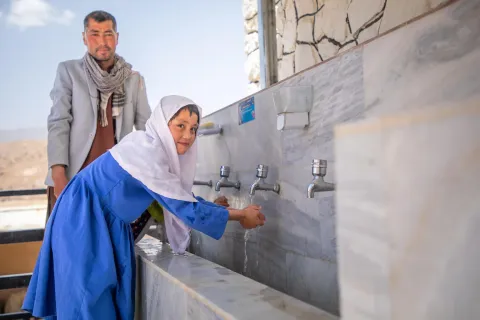
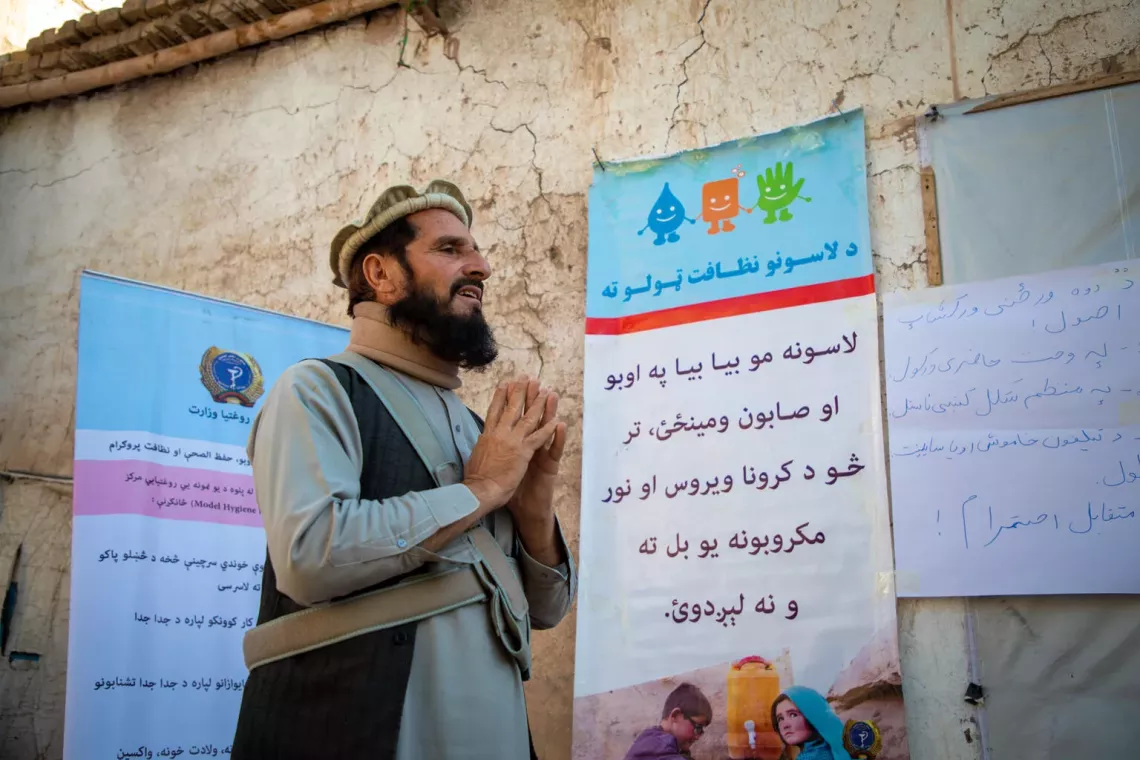
Rahmatullah pushed his community to build new toilets in their homes. He helped spread the word about the importance of handwashing with soap, and why open defecation was harmful to everyone’s health. With trained facilitators as a guide, Rahmatullah brought his own family and neighbours to behaviour change sessions, where they learned more about healthy, hygiene and how to build a simple latrine.
Community-Led Total Sanitation
Where did Rahmatullah learn about the hazards of open defecation? How did he become so motivated to change behaviours and shift an entire community’s mindset around sanitation?
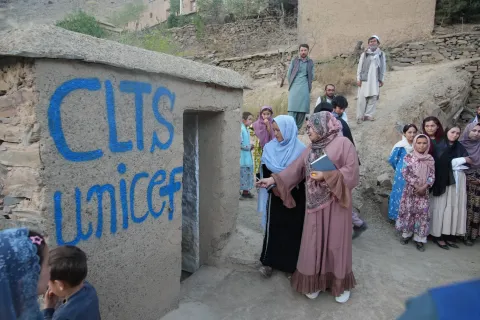
In partnership with the European Union, UNICEF supports communities to end open defecation through the “Community-Led Total Sanitation” or “CLTS” approach.
This initiative empowers communities to take the lead in assessing and improving their own sanitation practices. It encourages people to stop the practice of open defecation and instead use toilets or latrines, followed by handwashing with soap. This is accomplished through community “triggering” sessions, in which trained facilitators raise awareness about health risks associated with open defecation and motivate families to abandon the practice of open defecation, and to build their own latrines at home.
CLTS focuses on collective action, where community members come together to find solutions, take responsibility, and ensure that everyone has access to a clean, safe environment. The goal is to create lasting change by adapting behaviors and attitudes towards sanitation and hygiene, ultimately improving public health and the quality of life.
Working together for a cleaner village
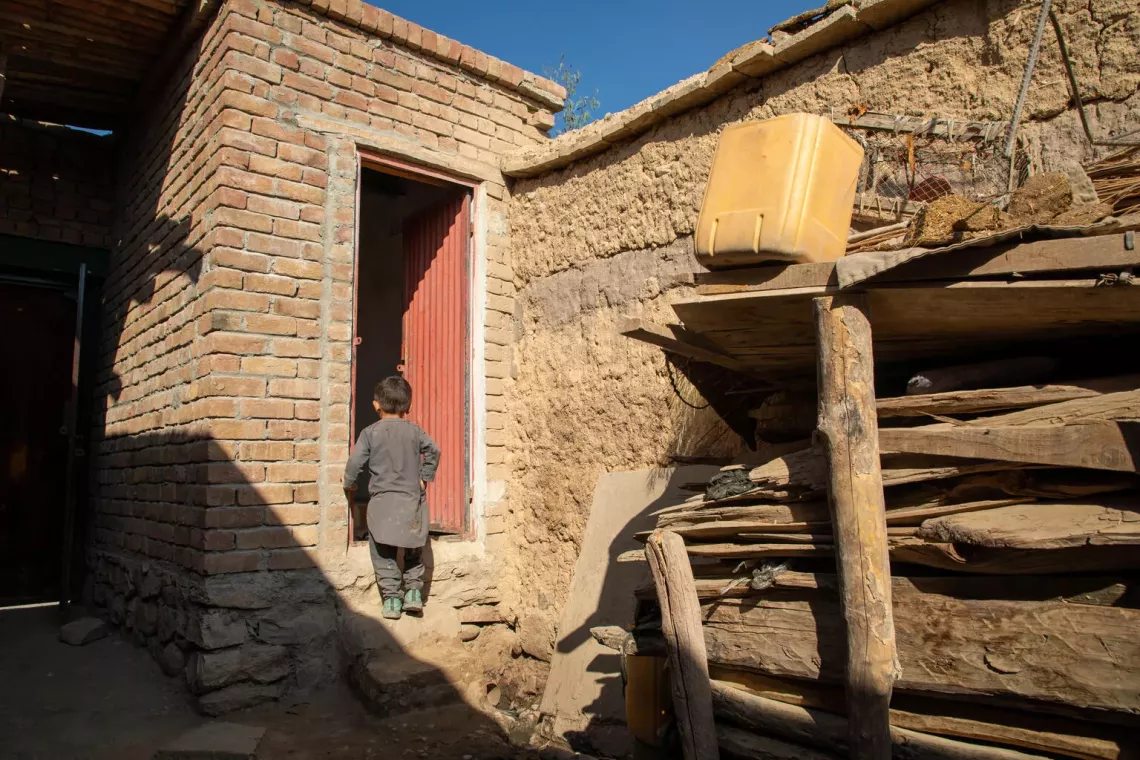
Rahmatullah was one of the first in his village to build a new toilet at home using his own money. When others saw, they followed suit. Latrines were constructed, handwashing stations appeared in homes, and people continued attending facilitated triggering sessions to learn more. Some of his neighbours even sold their possessions, such as gold and wedding gifts, to build their latrines and transform their home environments.
Soon, the community was on its way to ending open defecation entirely.
"Now people have built and started using latrines, and they understand the importance of hygiene,” Rahmatullah says. “Our home environments are cleaner, and we no longer see human waste in open areas.”
“This training has taught us to take responsibility for our health and surroundings. The whole village looks cleaner and feels more united, because we all worked together to make this change happen.”
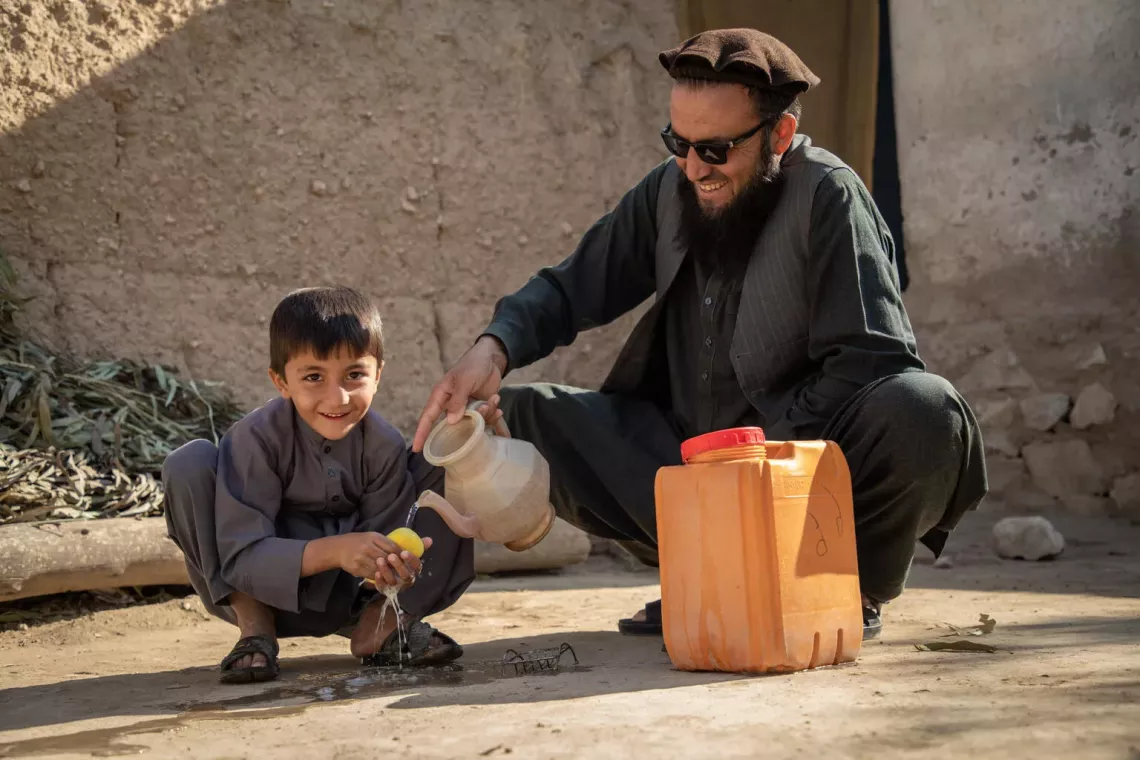
Rahmatullah is also passing this knowledge and behaviour on to his 6-year-old son, Muhammad Haroon. He reminds him to wash his hands after using the toilet and before eating, and that using their latrine at home is best.
“Our children are healthier now,” says Rahmatullah proudly. “They do not get sick as often and attend school more regularly.”
“The biggest benefit I have seen is the health of our children.”