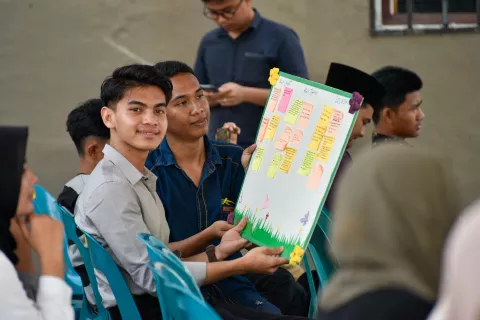
Tool: Setting enrolment targets for vulnerable adolescents
A tool to set targets for including vulnerable adolescents in your intervention with the Adolescent Kit

Use this tool to set targets for including vulnerable adolescents in your intervention with the Adolescent Kit.
Do no harm!
As stated in the Child Protection Rapid Assessment Toolkit, remember that:
- It is your responsibility to ensure the confidentiality of the information you have been entrusted with.
- Sensitive information must be protected and shared only with those people (service providers, family, etc.) who need the information for the best interest of the child.
- Shared information should be stripped of any details of the source, unless required to ensure appropriate action (with written consent from the source).
- Informed consent is an integral part of any assessment activity that involves direct acquisition of information from people regardless of their age.
See Programme coordinators’ guidance: Investigate adolescents’ situation, the Child Protection Rapid Assessment Toolkit, and Minimum Standards for Child Protection in Humanitarian Response for more guidance on protecting and upholding the rights of children while gathering and using information on their situation.

1. Identify vulnerable adolescents
Identify adolescents who are particularly vulnerable, marginalised or discriminated against in your community. Estimate their number and the percentage of the community they represent based on available information.
Vulnerable adolescents
| Check when identified | Group | Number in community | % of community | Location (s) |
|---|---|---|---|---|
| Adolescent girls | ||||
| Adolescents with disabilities | ||||
| Adolescent-headed households | ||||
| Adolescents living or working on the streets | ||||
| Adolescents from ethnic and religious minorities | ||||
| Adolescents affected by HIV/AIDS | ||||
| Unaccompanied or separated adolescents | ||||
| Adolescents in the worst forms of child labour | ||||
| Adolescents without appropriate care | ||||
| Adolescents living in residential care or detention | ||||
| Adolescents formerly associated with armed forces or armed groups | ||||
| Other |
2. Set targets
Set enrolment targets for each adolescent group, based on how many of them there are, what percentage of the community they make up and where they are located. For example, if adolescents with disabilities comprise.
Vulnerable adolescents
| Check when identified | Group | Number in community | % of community | Location (s) |
|---|---|---|---|---|
| Adolescent girls | ||||
| Adolescent boys | ||||
| Older adolescents (14-18) | ||||
| Younger adolescents (10-13) | ||||
| Adolescents with disabilities | ||||
| Adolescents heading households | ||||
| Adolescent girls who are married and/or are mothers | ||||
| Adolescents living or working on the streets | ||||
| Adolescents from ethnic and religious minorities | ||||
| Adolescents affected by HIV/AIDS | ||||
| Unaccompanied or separated adolescents | ||||
| Adolescents in the worst forms of child labour | ||||
| Adolescents without appropriate care | ||||
| Adolescents living in residential care or detention | ||||
| Adolescents formerly associated with armed forces or armed groups | ||||
| Other |
3. Track your targets
Monitor adolescents’ attendance at sessions and review your enrolment log regularly. If attendance is disproportionately low for any group of adolescents, take steps to identify the reason or cause, and look for new ways to reach out and include them in your activities.
Refer to the How to make and use an enrolment log tool.
Vulnerable adolescents
| Check when identified | Group | Number in community | % of community | Location (s) |
|---|---|---|---|---|
| Adolescent girls | ||||
| Adolescent boys | ||||
| Older adolescents (14-18) | ||||
| Younger adolescents (10-13) | ||||
| Adolescents with disabilities | ||||
| Adolescents heading households | ||||
| Adolescent girls who are married and/or are mothers | ||||
| Adolescents living or working on the streets | ||||
| Adolescents from ethnic and religious minorities | ||||
| Adolescents affected by HIV/AIDS | ||||
| Unaccompanied or separated adolescents | ||||
| Adolescents in the worst forms of child labour | ||||
| Adolescents without appropriate care | ||||
| Adolescents living in residential care or detention | ||||
| Adolescents formerly associated with armed forces or armed groups | ||||
| Other |
Highlights
Use this tool to set targets for including vulnerable adolescents in your intervention with the Adolescent Kit.