Empowering Adolescents in Katete
How schools, health workers, and families are helping young people make informed choices about their health and future
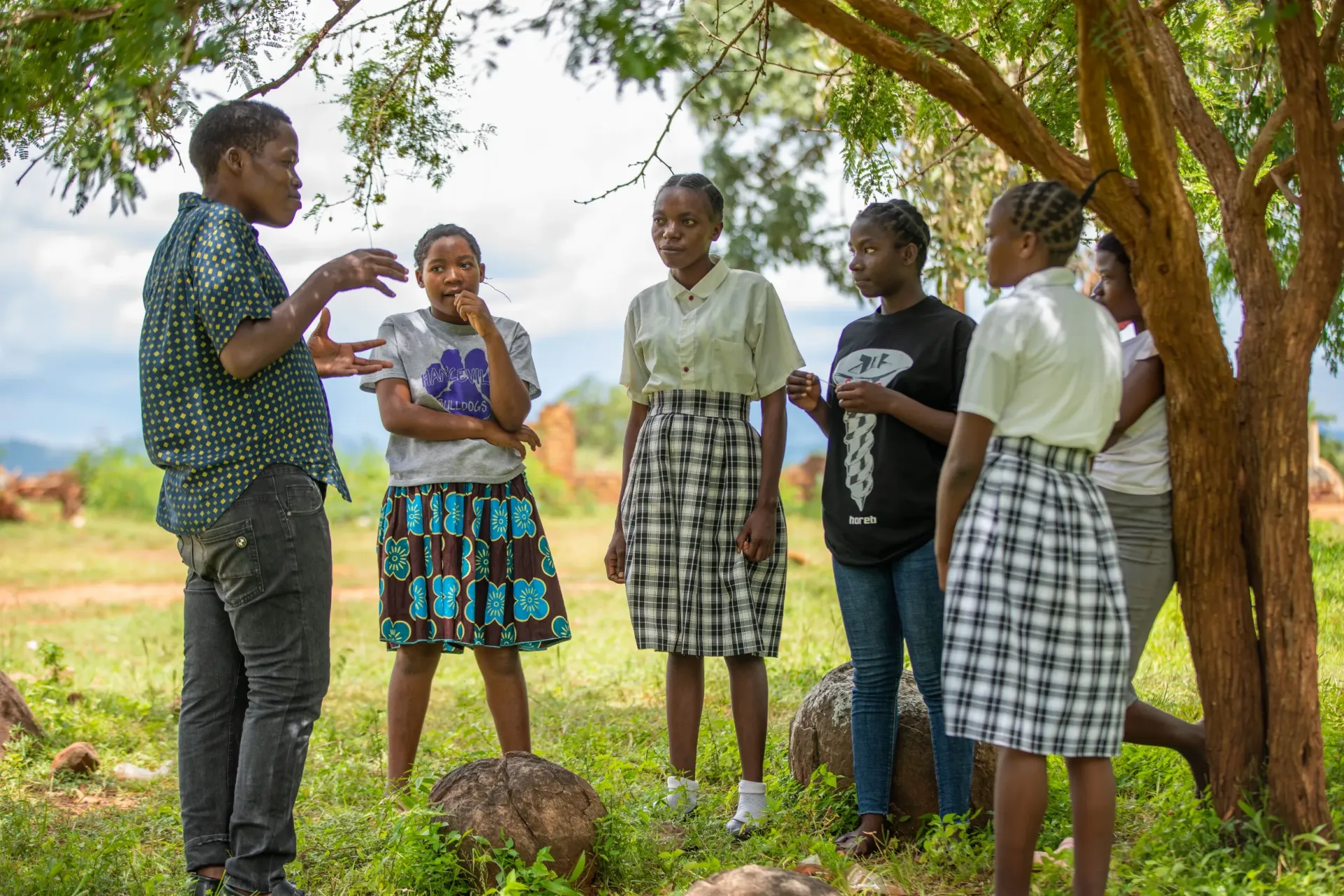
KATETE District, Eastern Province, Zambia, March 2026 --- In many rural communities in Katete district, adolescents face significant challenges when it comes to sexual and reproductive health. Limited access to accurate information, social stigma around discussing sexuality, and barriers to adolescent friendly health services often leave adolescents and young people vulnerable to adolescent pregnancies, HIV and other sexually transmitted infections (STIs) and Gender Based Violence (GBV).
Laughter mixes with serious discussion as they talk about topics that, not long ago, many adolescents and young people felt uncomfortable discussing openly - relationships, pregnancy prevention, GBV and HIV/STIs.
These conversations are part of the activities supported by the Reducing Adolescent Pregnancy, HIV Infection in Zambia (RAPHIZ) project, which is working in communities across Katete and Monze districts to reduce adolescent pregnancies and prevent HIV and other sexually transmitted infections (STIs). By bringing together schools, health facilities, parents, and community leaders, the project aims to ensure that adolescents have the knowledge, confidence, and support they need to make healthy decisions.
Supported by the Swedish International Development Cooperation Agency (SIDA), RAPHIZ is a UN joint (UNAIDS, UNFPA, UNICEF and WHO) support to the Ministry of Health aimed at reducing adolescent pregnancies and new HIV infections in Katete and Monze districts. The project takes a comprehensive, multi-layered approach, combining four key strategies: strengthening health systems to deliver integrated, adolescent-friendly Sexual and Reproductive Health (SRH), HIV/STIs, and Gender-Based Violence (GBV) services; promoting social and behaviour change to challenge harmful norms and increase demand for services; supporting community-based and self-care initiatives through volunteers and peer educators; and reinforcing district-level governance to ensure sustainable implementation within local health structures.
For many young people, the project has opened doors to information and services that were once difficult to access.
Giving Young People the Knowledge to Make Choices
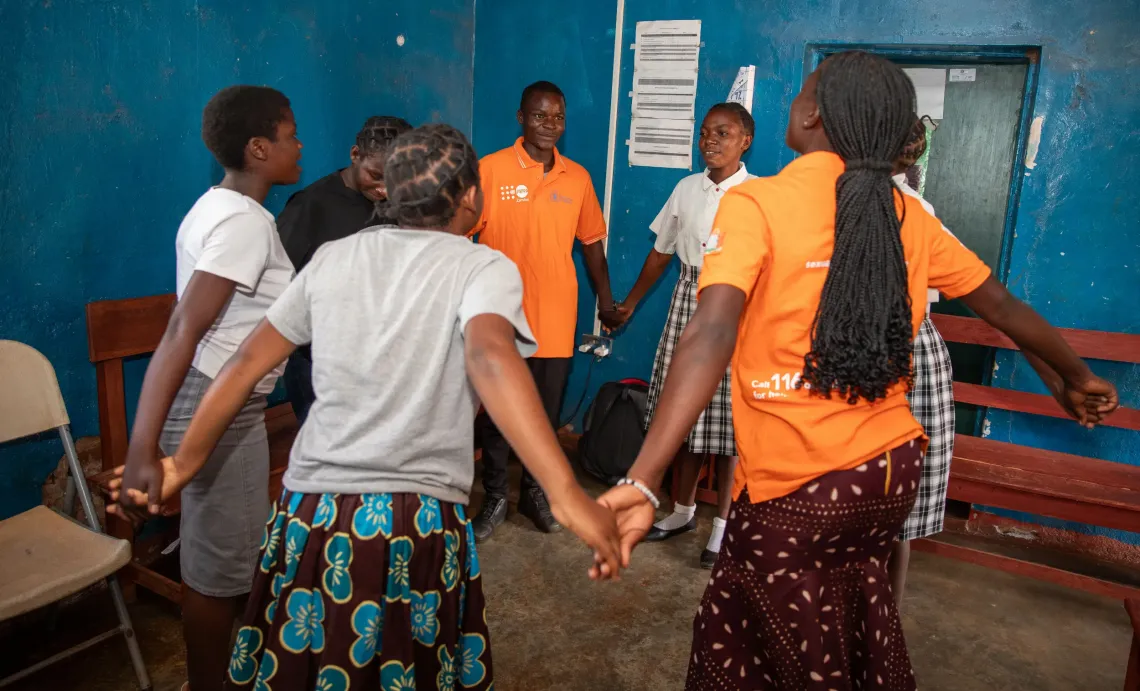
At the center of the initiative are adolescents themselves. Through school health clubs, peer discussions, and community activities, adolescent and young people are learning about sexual and reproductive health in ways that are engaging and accessible.
Many students say the sessions have helped them understand issues that were previously surrounded by silence or misinformation.
“Before, we mostly talked about these topics among friends, and sometimes the information was not correct,” Majorie (18). “Now we learn about them in the club and from teachers and health workers.”
The knowledge they gain goes beyond facts about health. It also focuses on building life skills such as decision-making, confidence, and the ability to resist peer pressure.
Students say these discussions have helped them feel more empowered to protect themselves and plan for their future.
“Now I understand how to prevent pregnancy and HIV, and I know where to go for help,” shared Mphaso (18).
The RAPHIZ project has also created spaces where adolescents feel comfortable asking questions and sharing concerns - something many say was not possible before.
Friends now remind each other about what they learned during club meetings, and conversations about health and relationships are becoming more open among peers.
Schools as Safe Spaces for Guidance
Schools play a critical role in supporting adolescents with accurate information and guidance.
Guidance and counseling teachers involved in the project say it has strengthened their ability to respond to the challenges students face.
Before the project started, many students had very little knowledge about sexual and reproductive health and issues such as early relationships and pregnancies were a concern.
Through school health clubs, awareness sessions, and special events, teachers are now able to provide students with structured opportunities to learn and ask questions.
Teachers say they have also noticed a shift in students’ attitudes.
“Students are more open now,” Humprey Musoka added. “They come to the guidance office to ask questions or seek advice.”
Training provided through the project has helped teachers feel more confident discussing sensitive topics and supporting students who may need additional help.
The collaboration between schools and health facilities has also improved referrals, ensuring that adolescents who require services can access them in a safe and supportive environment.
Making Clinics More Adolescent Friendly
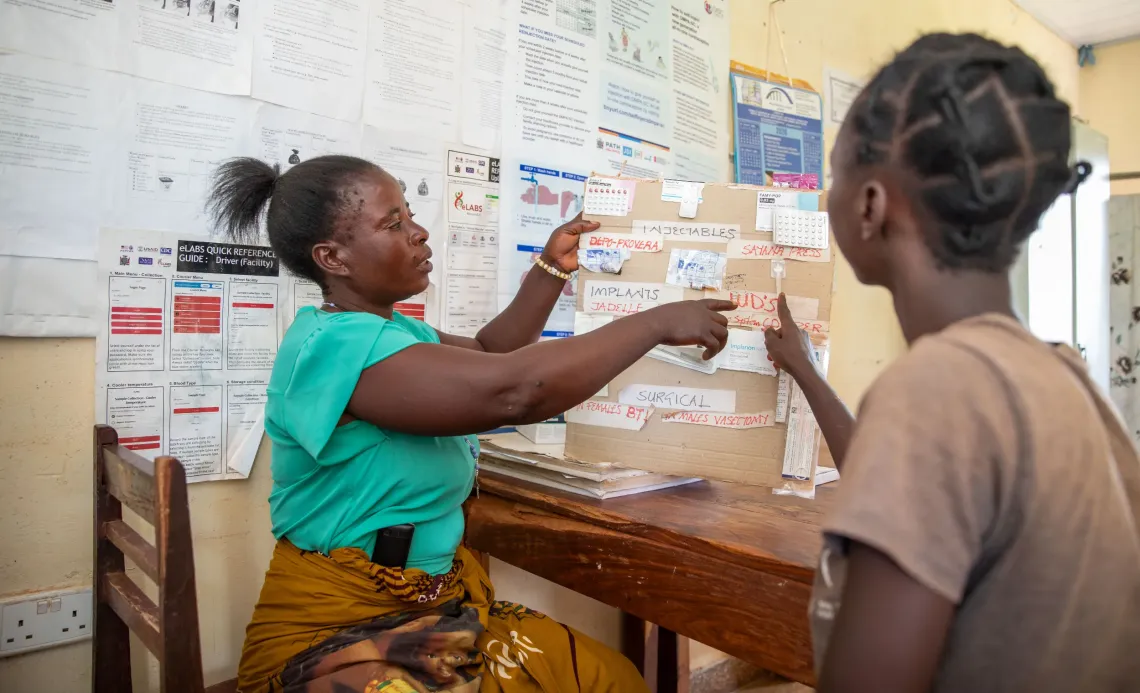
Health facilities are another key part of the effort to improve adolescent health.
Health workers in Katete say that before the project began, many adolescents were reluctant to visit clinics for services related to sexual and reproductive health.
“Many young people were shy to come to the clinic. They feared being judged or did not know the services were available to them,” explained Cecilia Ngawa Kamanga, Facility In-Charge at Chimutende Rural Health Facility.
Today, that situation is beginning to change.
More facilities are reporting an increase in adolescents seeking services such as HIV testing, counseling, and family planning.
Health workers say the difference is noticeable.
Adolescents now come with more knowledge and confidence; they ask questions and want to understand how to protect their health.
As part of the project, healthcare workers, community health workers and peer educators received training on adolescent-friendly service provision. This includes ensuring privacy, confidentiality, respectful communication, and creating welcoming spaces where young people feel safe to seek care.
The stronger link between schools, community facilitators, and health facilities has also helped create a reliable referral pathway for adolescents who need services.
Parents Joining the Conversation
Parents and caregivers also play an important role in supporting young people. Through community meetings and engagement sessions, many parents have had the opportunity to learn more about adolescent health and the challenges adolescents and young people face today.
For some, the project has helped break long-standing barriers around discussing sexual health at home.
“I now feel more comfortable talking with my child about these issues,” one parent said. “Before, it was difficult.”
Some parents initially worried that providing information about sexual and reproductive health might encourage adolescents to become sexually active. However, many now believe that education helps young people make better decisions.
Community discussions have also helped address misconceptions about the RAPHIZ project and build support among local leaders and families.
Building Sustainable Change
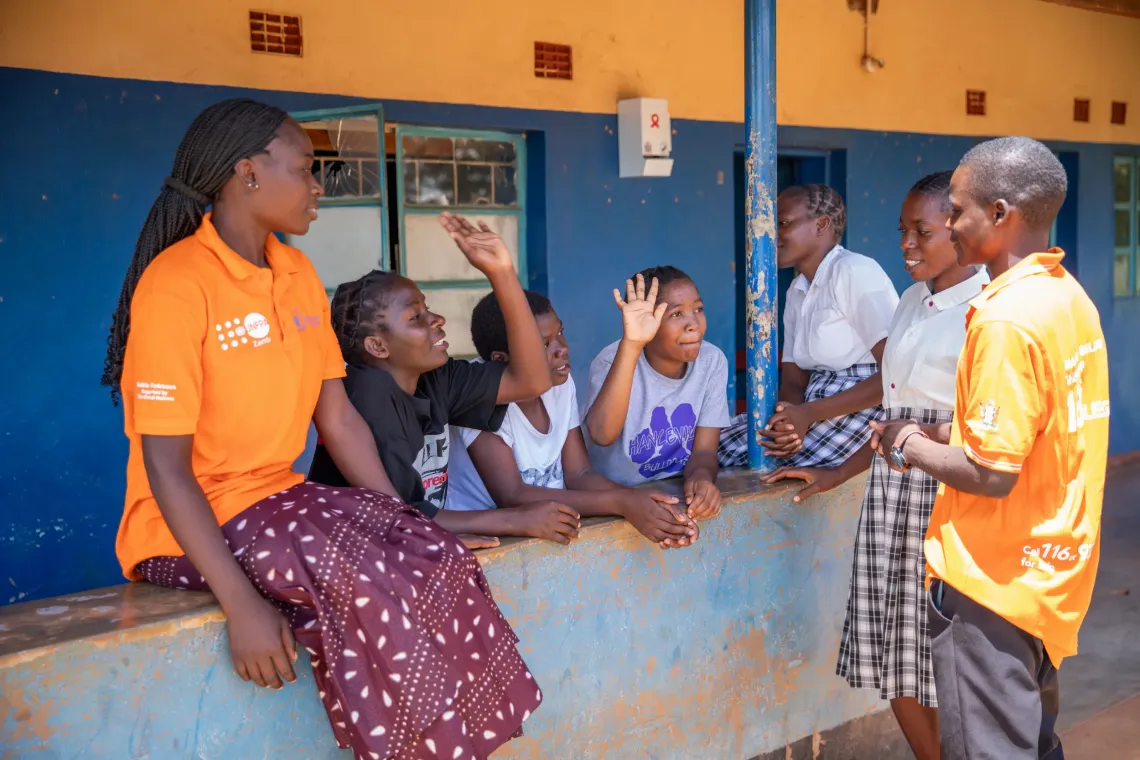
For health facility staff and community facilitators, one of the most encouraging signs of progress is the confidence adolescents and young people are showing.
“Seeing adolescents speak openly about their health and their future is one of the biggest successes,” said Umweka Nkhoma, Community Health Worker.
While challenges such as stigma and cultural barriers still exist, the RAPHIZ project has laid important foundations for lasting change.
School health clubs continue to operate, teachers have gained new skills, and health facilities are better prepared to serve adolescent clients. These structures are expected to continue benefiting the community even after project funding ends.
For many adolescents and young people in Katete, the knowledge and support they have gained represent an important step toward a healthier future.
UNICEF extends its sincere appreciation to SIDA for the partnership and support that made this initiative possible. Together with UNFPA, UNAIDS, and WHO, this collaboration and support to the Ministry of Health has delivered a life-changing programme benefiting adolescents, young people, and communities across the two districts in Zambia.
###