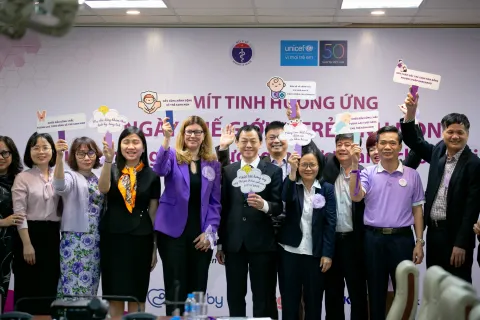
What parents need to know about Acute diarrhoea caused by the Rotavirus in children
Parents and caregivers must equip themselves with comprehensive knowledge about the illness and effective preventive measures

- English
- Tiếng Việt
Acute diarrhoea caused by the Rotavirus is a dangerous gastrointestinal infection, highly contagious, and capable of causing outbreaks that may lead to fatal outcomes in young children. Parents and caregivers must equip themselves with comprehensive knowledge about the illness and effective preventive measures to proactively safeguard children throughout their early stages of life.
In young children, Rotavirus-induced acute diarrhoea typically begins with vomiting, fever, and sometimes abdominal pain, followed by diarrhoea. Vomiting and diarrhoea can last three to seven days. The severity of diarrhoea ranges can result in dehydration. Fever and abdominal pain are also common, lasting no more than two or three days after the onset of the illness. The condition tends to be more severe in children aged three to 24 months.
Severe dehydration is one of the most dangerous complications of the disease. All three symptoms of Rotavirus-induced acute diarrhoea i.e. fever, vomiting, and diarrhoea, contribute to dehydration in children. Vomiting is of particular concern as it may impair digestive fluids replacement, especially when it occurs persistently. While mild diarrhoea usually does not cause significant dehydration, moderate to severe diarrhoea can lead to life-threatening fluid loss.
Dehydration can also lead to seizures, brain damage, and even death in some extreme cases. Additionally, prolonged diarrhoea may cause children to lose their appetite, refuse food, and eventually suffer from malnutrition and exhaustion. Children with weakened immune systems are more susceptible to severe and prolonged illness.
In Viet Nam, the Rota virus was identified as the cause of acute diarrhoea in 20% to over 50% of young children between 2016 and 2023. Each year, it is estimated that hundreds of thousands of children require hospitalization, and thousands need emergency care due to Rotavirus infections. This poses a significant pressure on the healthcare system, financial burdens for families, and adverse impacts on the healthy development of children, particularly in remote areas where access to preventive vaccines through commercial immunization programs is limited.
Currently, the Rota vaccine is available free of charge under the national Expanded Program on Immunization, offering a crucial solution to protect children from this potentially life-threatening illness.