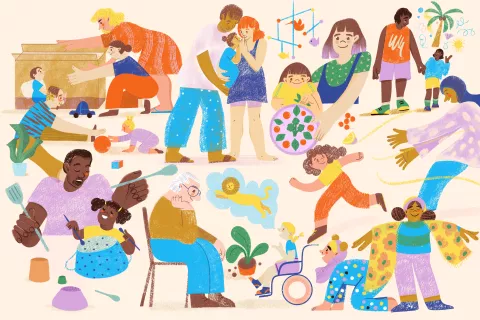
The science of play
It’s not just fun – it’s fundamental to your child’s development.
- English
- Tiếng Việt
Did you know your child’s brain develops more in the first three years of life than at any other time? That’s a lot of growing! The good news is that one of the best ways for you to support your child’s development is actually quite simple and fun for both of you.
On the surface, play may seem like it’s all about having fun, but it’s far more than that for babies and toddlers. It’s about learning and building important life skills – from problem solving to expressing ideas – and strengthening the bond between you both. After all, you are your child’s first teacher and playmate! We teamed up with the LEGO Foundation to explore the science behind how you can help your child grow and develop during these playful interactions.
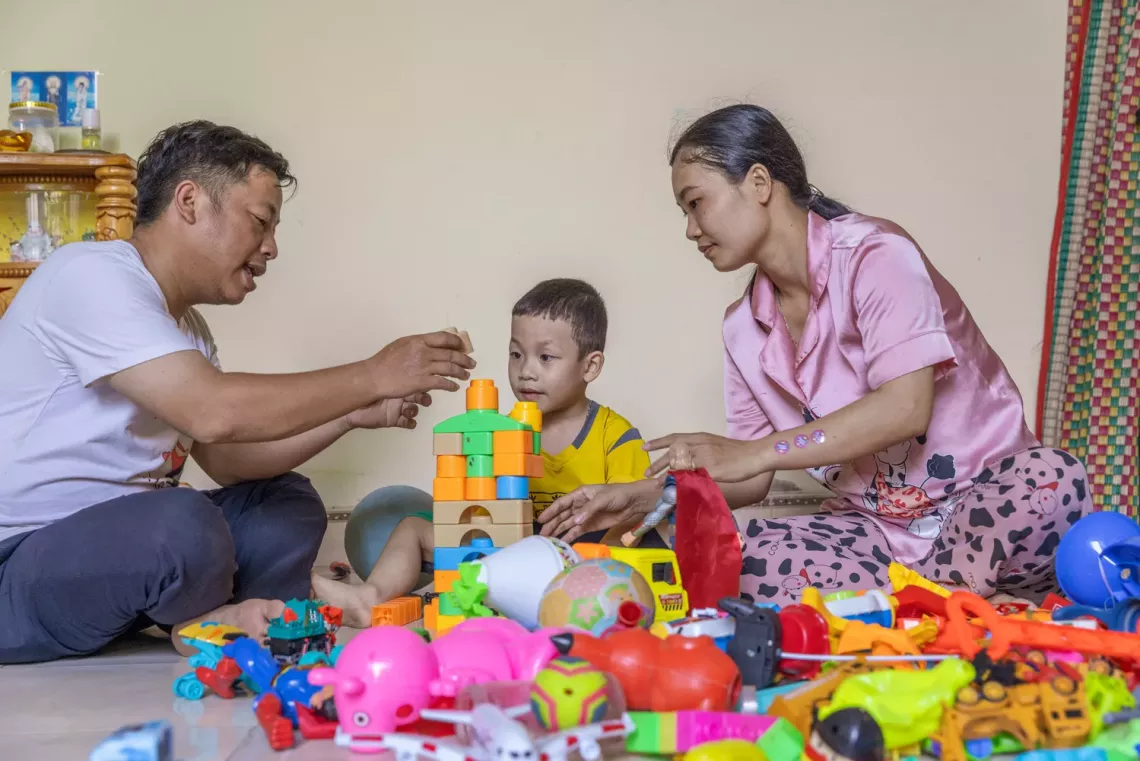
When they're building a tower, they're practicing physical skills
Stacking objects helps them to understand movement and space through practicing sensory-motor skills and developing spatial understanding. This skillset is important for nurturing a healthy, active body. Engage with your child by noticing what they are building, making sounds and facial expressions, and taking turns adding objects to the structure – see how high you can go!
When you’re playing hide-and-go-seek with objects together, they're building cognitive skills
Working on a challenging (but fun!) task like hiding and finding household objects helps your child to practice concentration, problem solving and flexible thinking. They're learning to tackle complex tasks and build effective strategies to overcome obstacles. If your child seems frustrated at any point, provide helpful hints but let them reach the solution on their own.
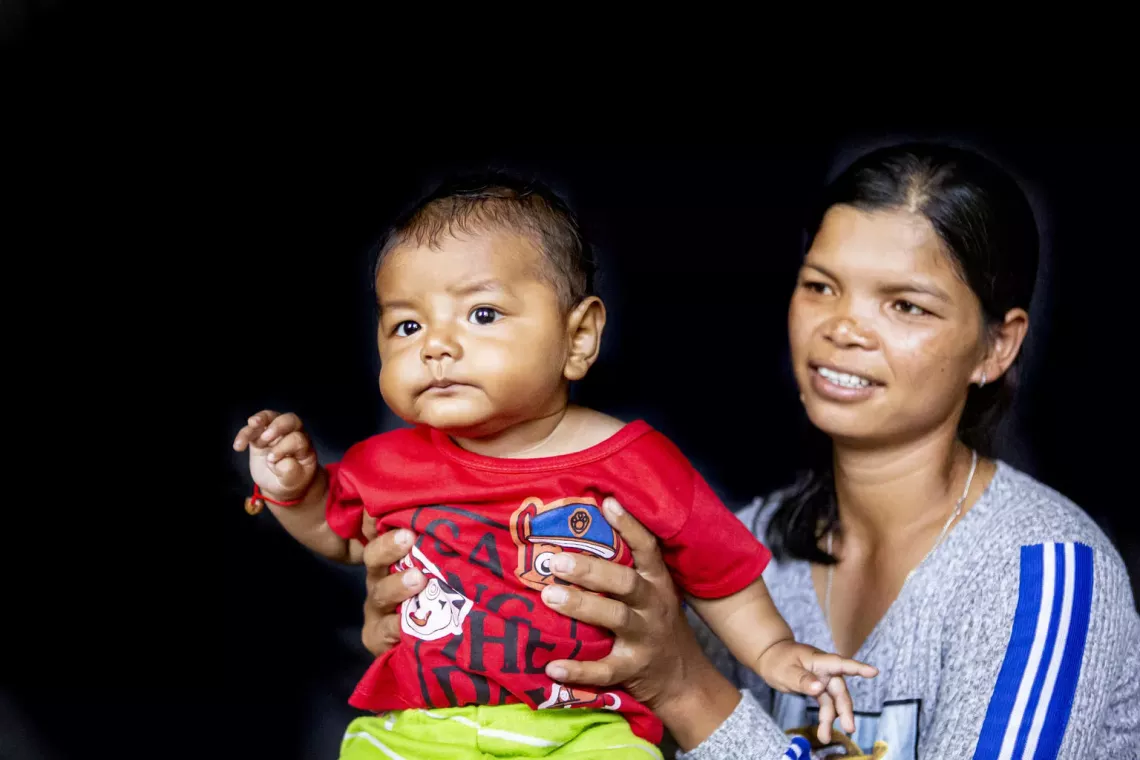
When they're making silly sounds, they're building social skills
Little ones naturally reach out for interaction through babbling, facial expressions and gestures. Paying attention to your child, naming what they are doing, and responding by adapting your gaze, voice and movement helps to build and strengthen neural connections in their brain that support the development of communication and social skills. This kind of give and take also strengthens the bond between you and your child.
When they sing and dance, they're building emotional skills
Understanding, managing and expressing emotions by building self-awareness and handling impulses is vital to your child’s emotional development and lifelong well-being. Singing and dancing is a great way to express and let out feelings! Make it a bonding activity by singing or dancing along.
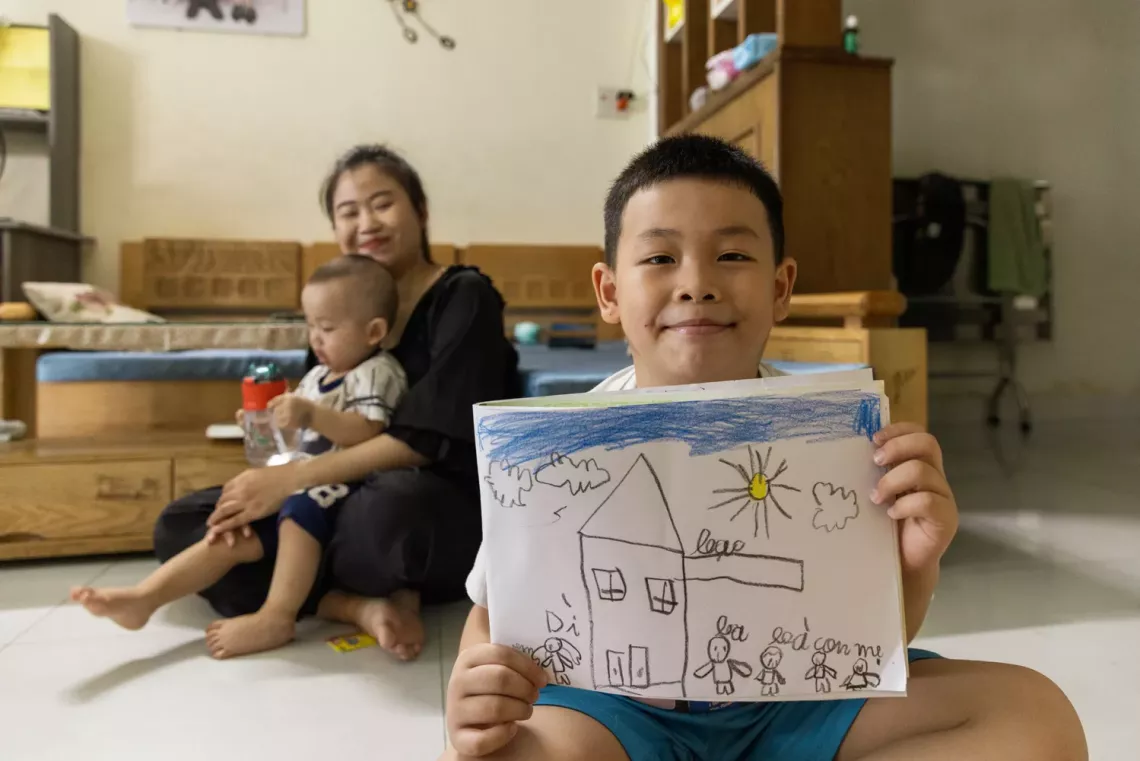
When they draw from their imagination, they're building creative skills
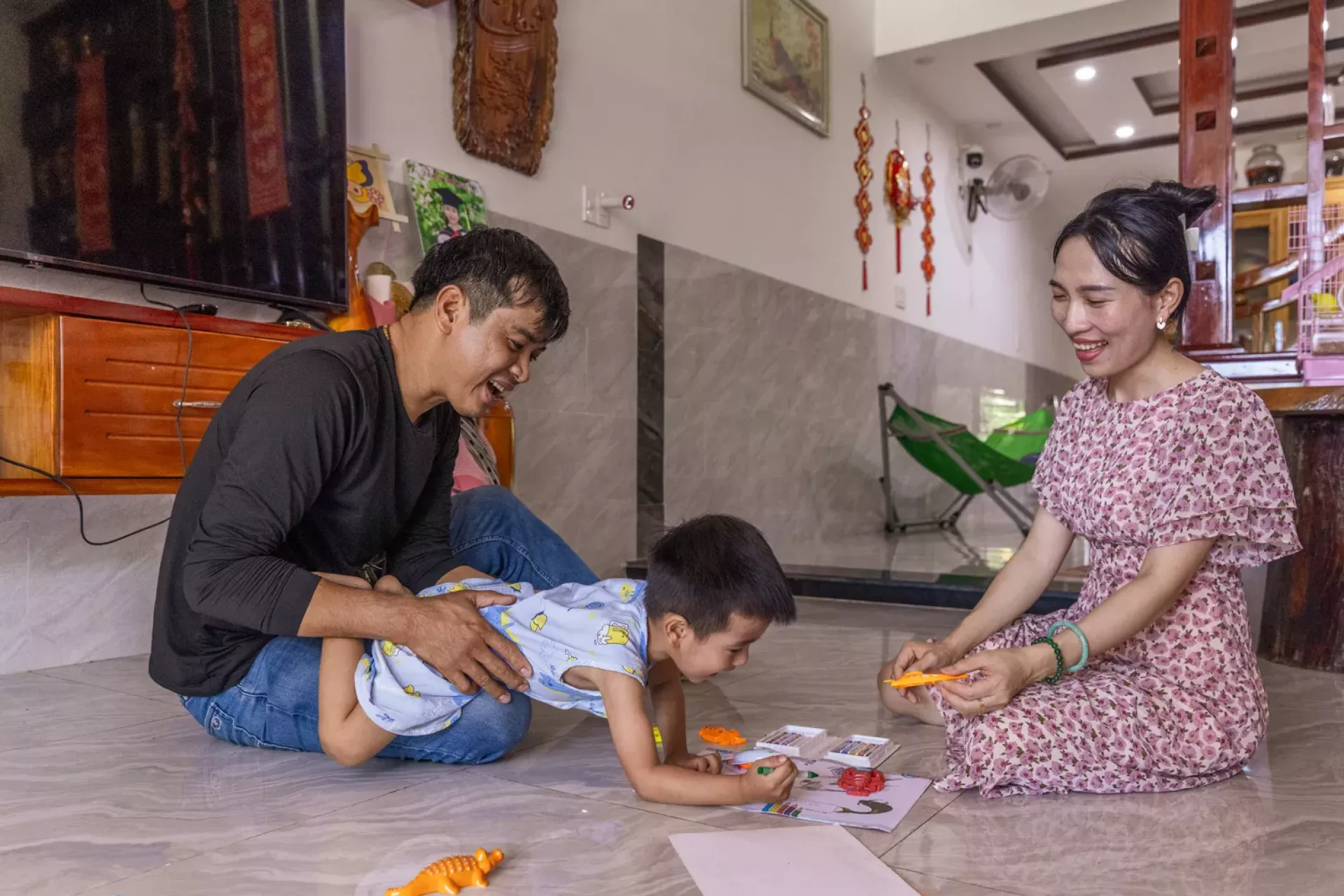
When your little one is sitting down and drawing their own world on paper, they are expressing their ideas and transforming them into reality. Once they're finished, have them walk you through the world they've created and ask questions about what you see.
The good news is that children don't need expensive toys to play and learn. In fact, you probably have at home all the things you need to create a fun and engaging game with your baby.
Here are some ideas on the Indoor games that support your child’s development.