Where strength begins
A foster family’s journey to raising a champion

- Українська
- English
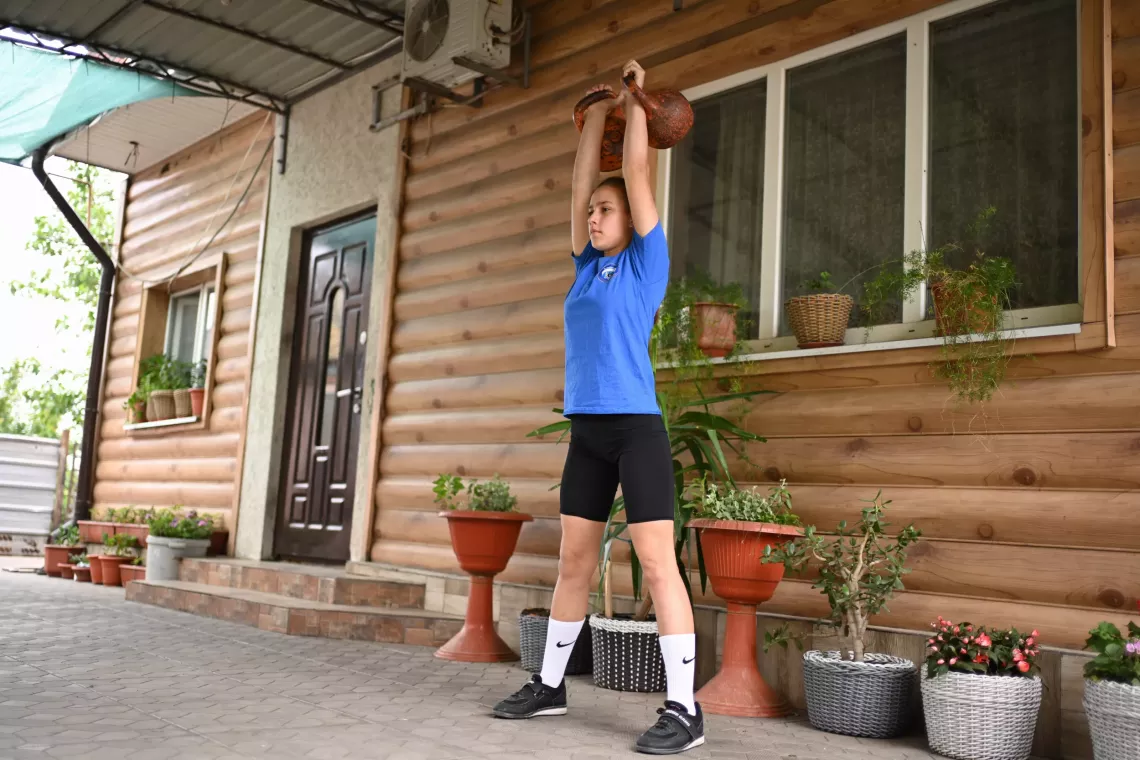
Sport in the family is Erika’s domain, the 16-year-old is one of the oldest among the children. She first lifted a kettlebell when she was 14. Her older brother trained in the sport, and she got interested too, trading her love for volleyball for kettlebell lifting that truly captured her.
“I don’t know why, but it gives me strength — not just physical, but inside too,” Erika says. The 16-year-old is Ukraine’s kettlebell lifting national and international champion. But her journey to the top of the sport was not easy and could have turned out very differently if it weren’t for a simple flyer on a lamppost.
A chance encounter
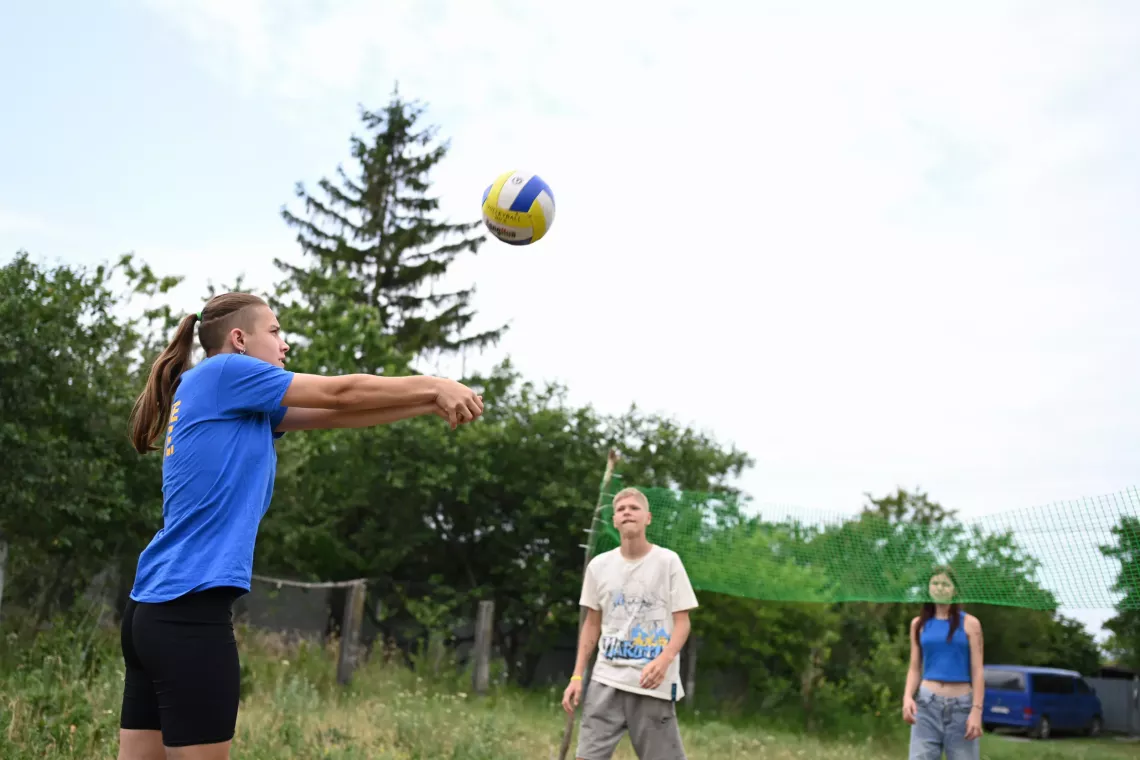
In Znamenivka, Dnipropetrovsk region, there is a home where it's always lively. They play volleyball, argue over unwashed dishes, celebrate Easter — and prepare for world championships.
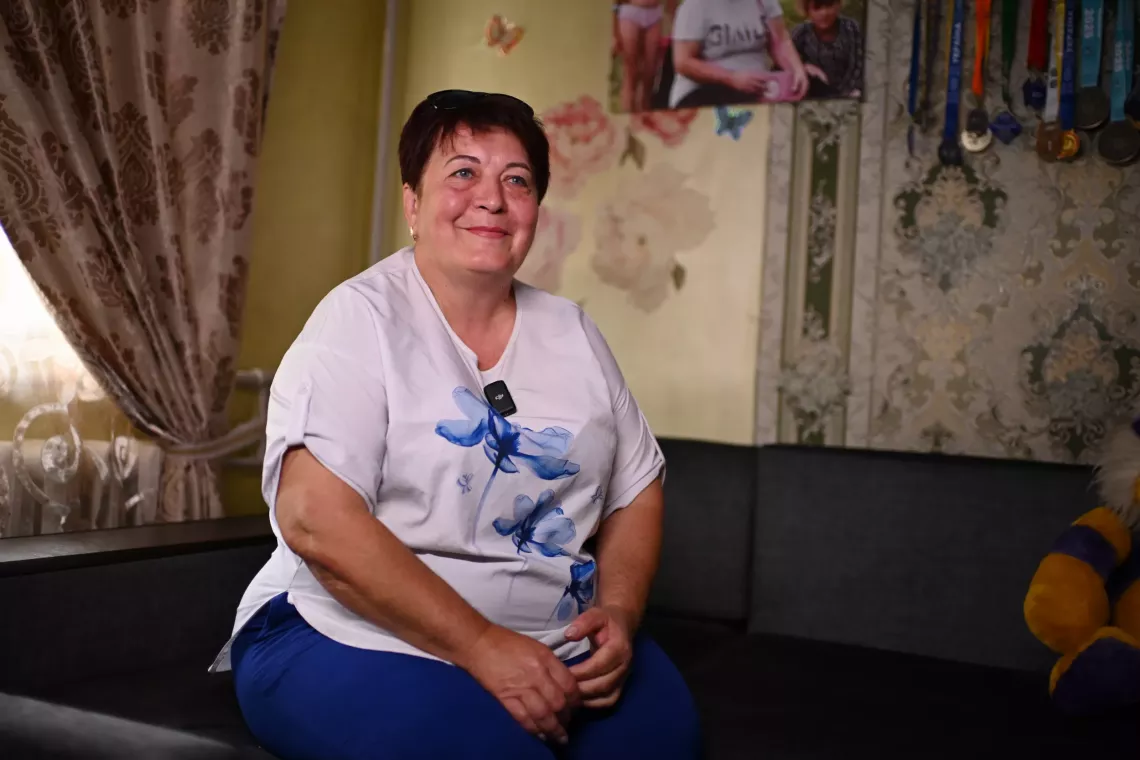
Twenty years ago, Nelya saw a flyer by chance: “Home-based workers needed.” She stopped by the district office to find out what it was about. She was told: “You take in children. Raise them. And help them find their way in life.” She thought: why not?
“We had only one son, and he had just gone off to serve. The house became so quiet, it felt strange. It lacked life. So we decided to try,” she recalls.
The first to arrive were two teenagers from the Pereshchepyne boarding school. Then another. Then a girl. The boys asked to bring their sister, so they wouldn’t have to do both the “boys’ and girls’ chores.” And so it went, one child after another. Today, 11 children live in the family. And those who’ve grown up and moved on always return — for holidays, weekends, Christmas.
“I always tell them: you are mine. Truly. All different, but all ours,” says Ms Nelya. The children currently in her care came to her very young — and will stay at least until they’re 16.
The family has clearly defined rules, a strong sense of mutual support — and everyone is used to standing their ground. This is where Erika grew up.
A family team
Erika currently trains four times a week. Before competitions, even more often. She watches her weight and sticks to a strict routine.
“I start getting into competition mode at home, and then again on site, together with them. Team support is the most important thing. And then — when Mum does come with me and says right before the competition: ‘Go on. You’ve got this,’” Erika says.
This autumn, she’s heading to the world championship. She has dozens of medals. Her most prized medal is from the European Championship in Sofia. Her foster family managed to find the means and resources to take part in the competition to support their daughter.
She wants to become a coach. Erika has already introduced two of her new younger brothers to volleyball and kettlebell sport — boys who joined the Koval family after spending a year in TürkIye following the start of the full-scale war. It helped them settle into the family.
“Usually, I can’t leave ten children on their own — their father works. But when it came time to travel to the competition in Europe, I took a leap of faith. He took a few days off, and I went. Because it mattered.”
“At first, they were scared. You can hear the air raid alerts. Plus the routines, the structure, the noise, the new kids. But little by little, everything fell into place. The boys even started going to training sessions with Erika. That, for me, was such a… warm sign,” says Nelya.
Family rules
The family has rules.
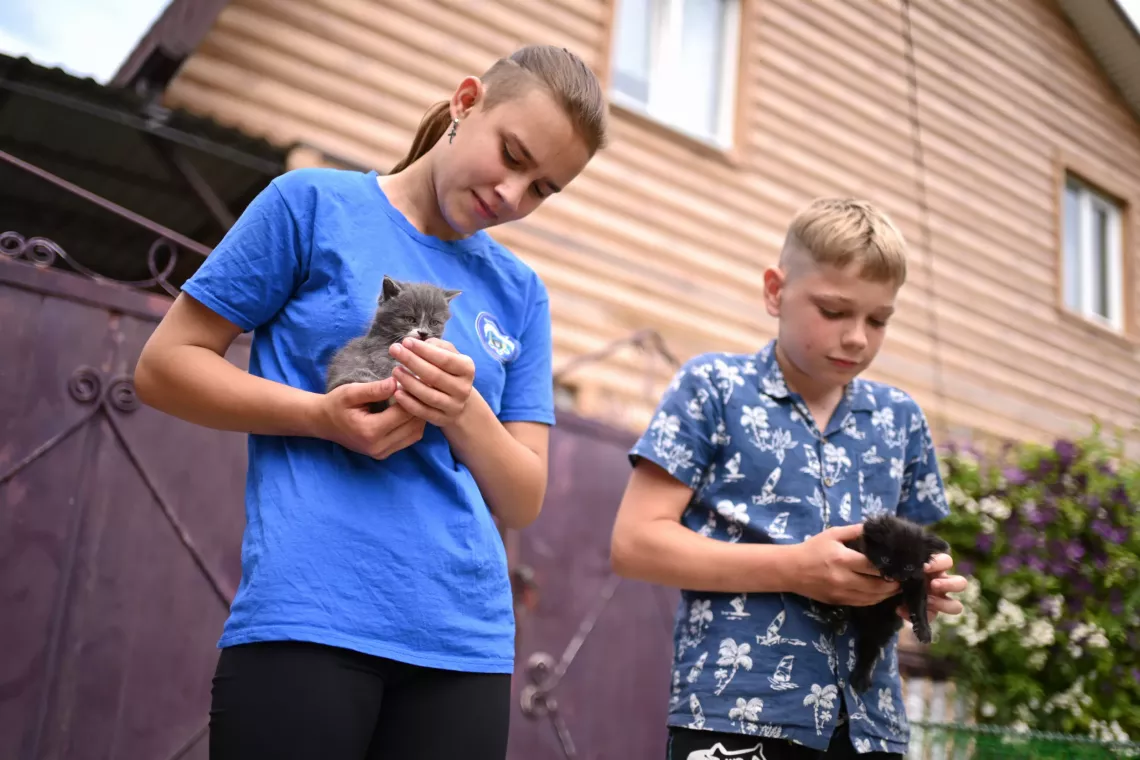
“When a new child arrives, we sit down right away and talk: you must not hurt anyone, you mustn’t take what’s not yours, boys can’t go into the girls’ room without permission and vice versa,” explains Nelya. The children keep the house clean, follow routines, help around the house, and care for animals. One of the family’s core values is sport. All the children play volleyball in the yard, but they choose their other hobbies themselves.
“They watch how my husband and I treat each other. How the older ones help the younger ones. And yet, everyone remains free and self-reliant. That’s what family is — when you know you won’t be abandoned. Even if there are arguments, they always make peace and end up supporting one another,” says Nelya.
“At first, they were scared. You can hear the air raid alerts. Plus the routines, the structure, the noise, the new kids. But little by little, everything fell into place. The boys even started going to training sessions with Erika. That, for me, was such a… warm sign,” says Nelya.
The boys’ reintegration was supported by UNICEF, alongside local authorities and partners, including through psychological support, provision of essential items, and family assistance.
Erika’s family was the first foster family home in Znamenivka, established back in 2014.Following Nelya and her husband’s example, two more family-type homes have opened on the same street. Even her biological son has started his own foster family home. Children can adapt, grow, and dream — but only when they have a family by their side.
UNICEF continues to support such families through the Better Care initiative, which helps children return to a family environment after time spent in institutions or displacement.
Because every child deserves a home where they are truly seen. And a space for their dream — even if it weighs more than 16 kilograms.