

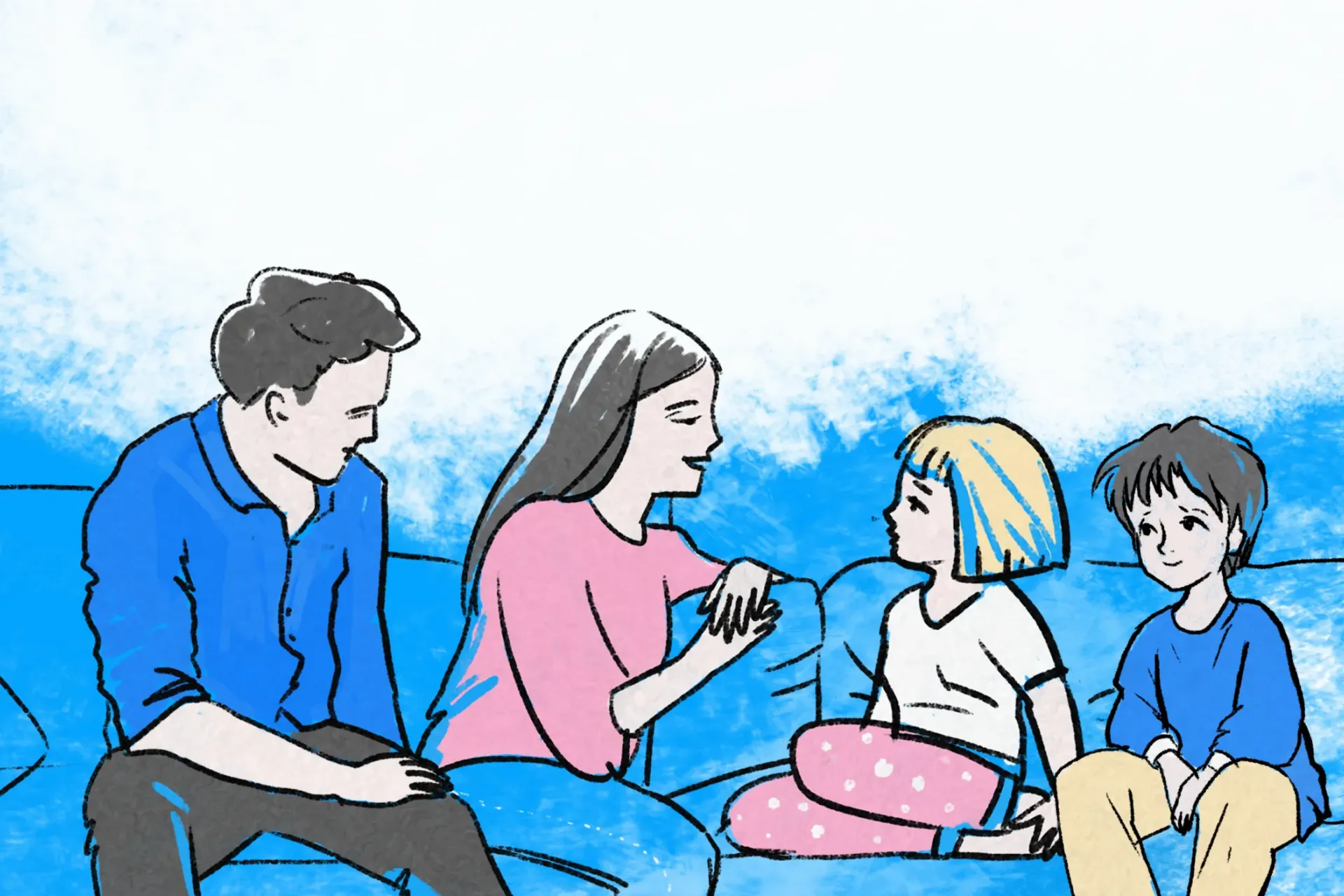
Speaking freely about menstruation
Addressing education gaps and stigma to create a safer, more inclusive environment for girls and women.
- Українська
- English
Menstrual health has become a critical yet often overlooked issue amid the ongoing war in Ukraine. Widespread displacement and damage to infrastructure have disrupted access to essential menstrual hygiene resources, disproportionately affecting adolescent girls, women, people with disabilities, and displaced individuals.
Parents and caregivers can play a key role as a primary source of information and guidance for their children, reducing the pressures and uncertainties of teenage years.
Why menstrual education matters?
Limited Access to Education and Resources on Menstrual Hygiene
- 93% of girls say they need more information about menstrual hygiene.
- 55% of boys and 25% of girls report that parents and teachers did not provide any guidance on menstruation.
- 38% of girls rely on the Internet as their primary source of information.
(UNICEF and U-Report survey on menstruation, 2024)
Stigma Surrounding Menstruation
- Nearly 39% of girls have witnessed peers being bullied because of menstruation.
- 18% of girls have personally experienced bullying related to menstruation.
(UNICEF and U-Report survey on menstruation, 2024)
Lack of Gender-Sensitive Sanitation Facilities
- In some communities, toilets lack privacy, security, and menstrual hygiene products, compromising women’s safety and dignity.
- Many institutions lack access to adequate, gender-sensitive, and inclusive WASH facilities.
(UNICEF Situation Analysis, 2024)
Barriers to Hygiene and Care for Vulnerable Groups
- People with disabilities, displaced persons, and those living in poverty face additional barriers to accessing menstrual hygiene products and facilities, increasing health risks.
- 30% of people with disabilities report inaccessible toilets, while displaced populations often lack safe water and sanitation.
(Study on barrier-free accessibility and inclusion, Kyiv International Institute of Sociology, 2020)
The following materials were developed by UNICEF and partners to guide caregivers and youth and facilitate menstrual health conversations.