“We empower them to become capable and resilient”
Improved access to quality local social services provides a lifeline for families struggling to cope with the ongoing impact of war
- Українська
- English
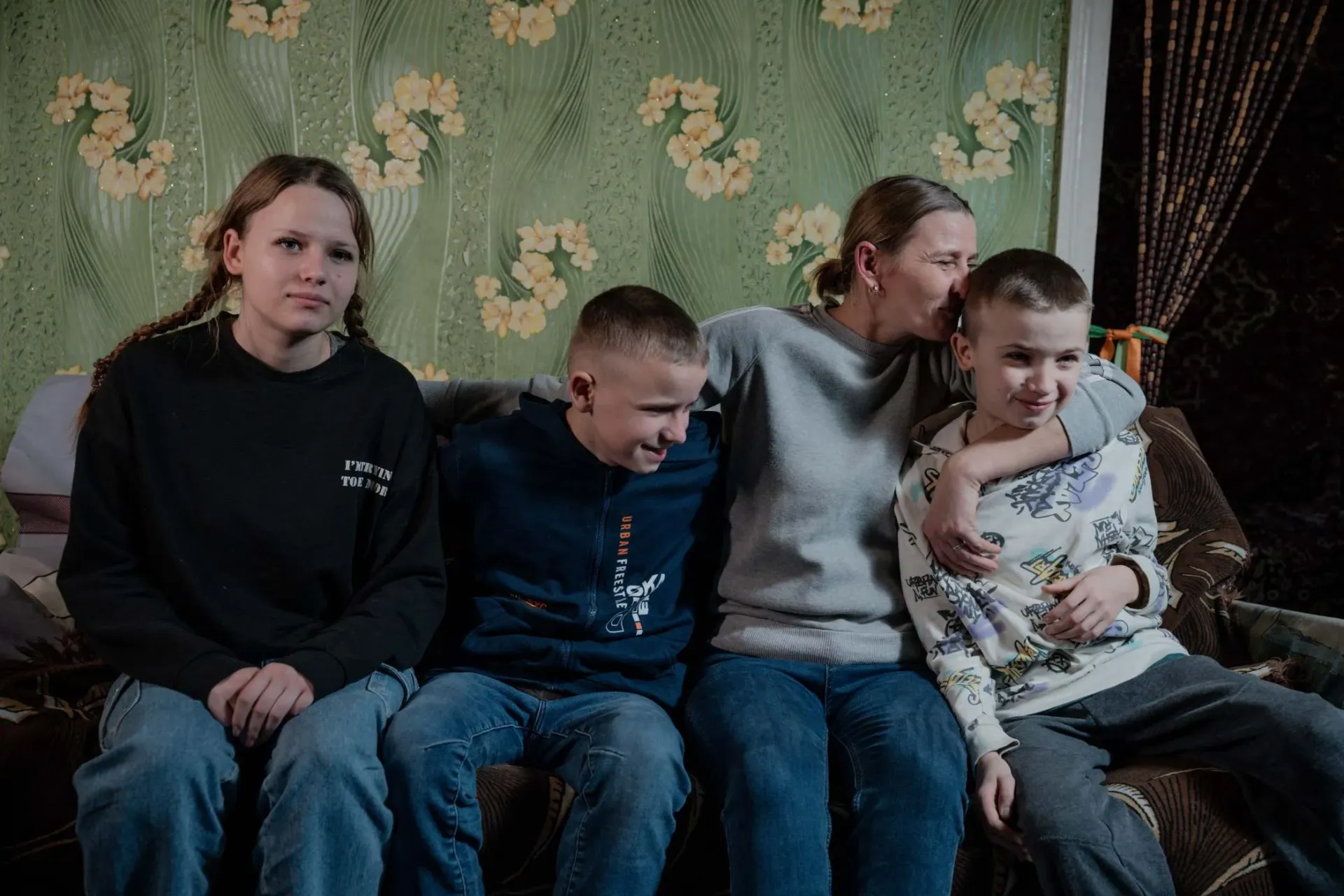
“The war has made things difficult for us both physically and psychologically,” says Tetiana, referring to her life today with four of her five children who live at home in their village in southern Kharkiv region.
“The children get nervous very easily. They hear a sound and are already on alert,” Tetiana says. It’s not unusual for her to get a call from the children telling her that missiles are flying overhead.

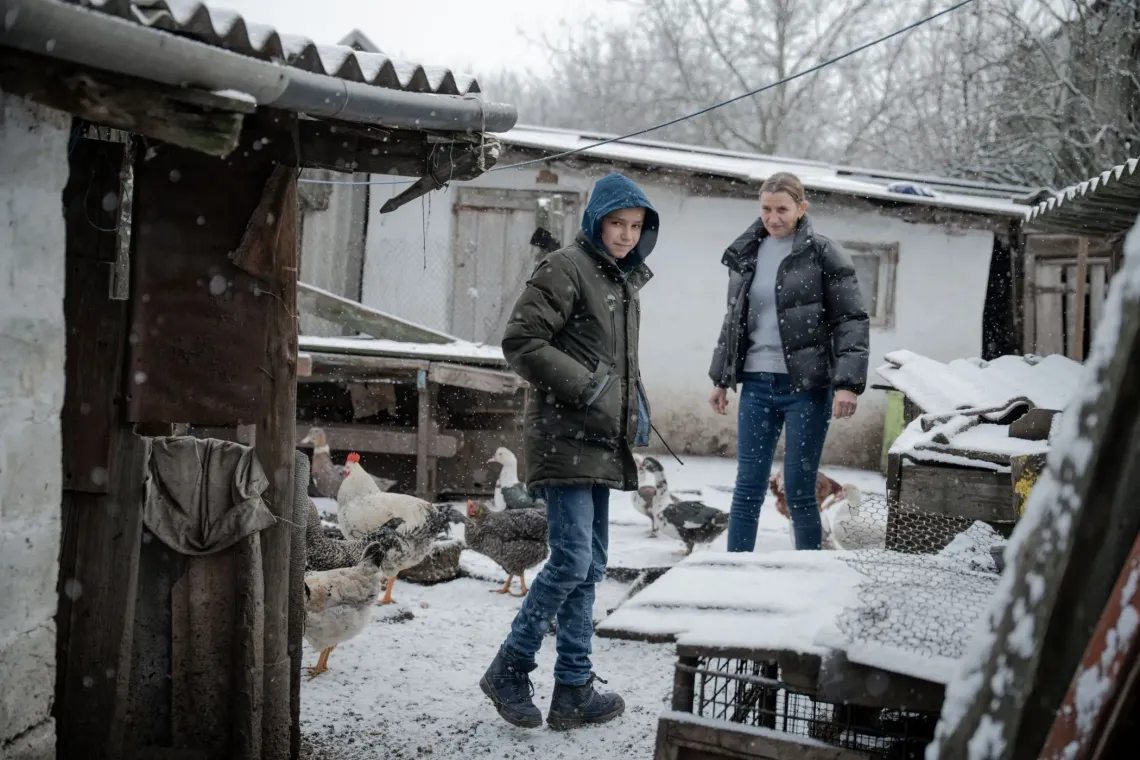

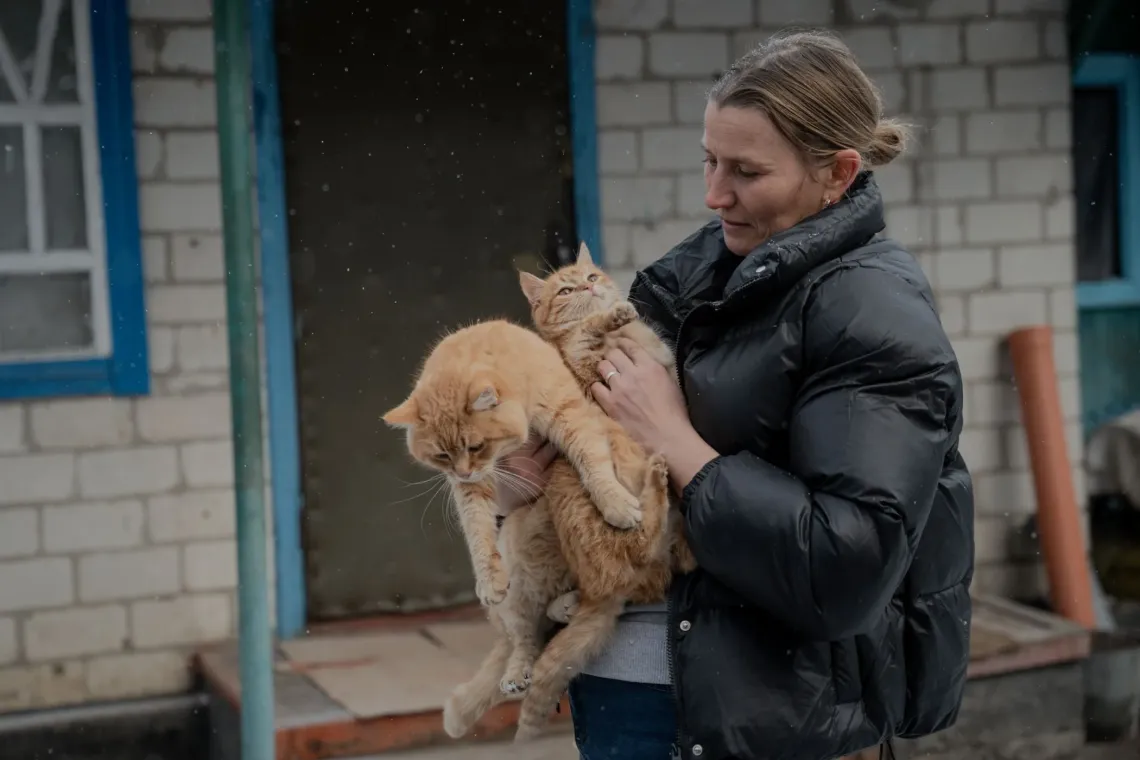

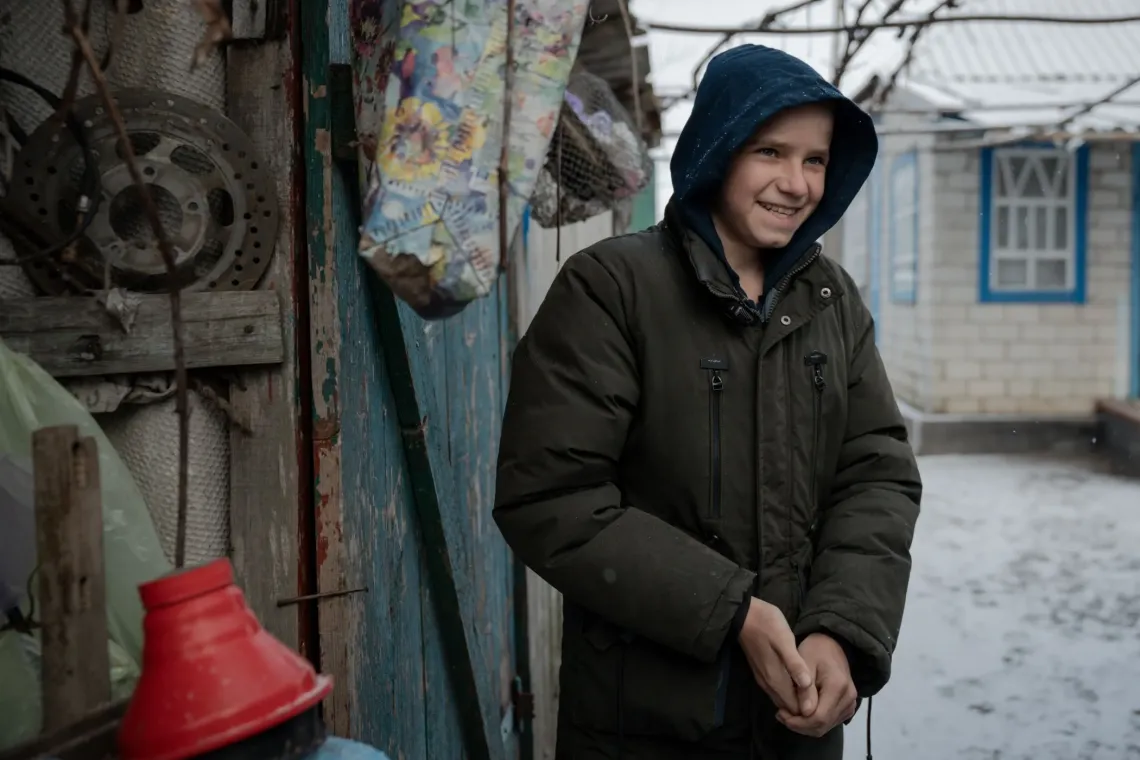

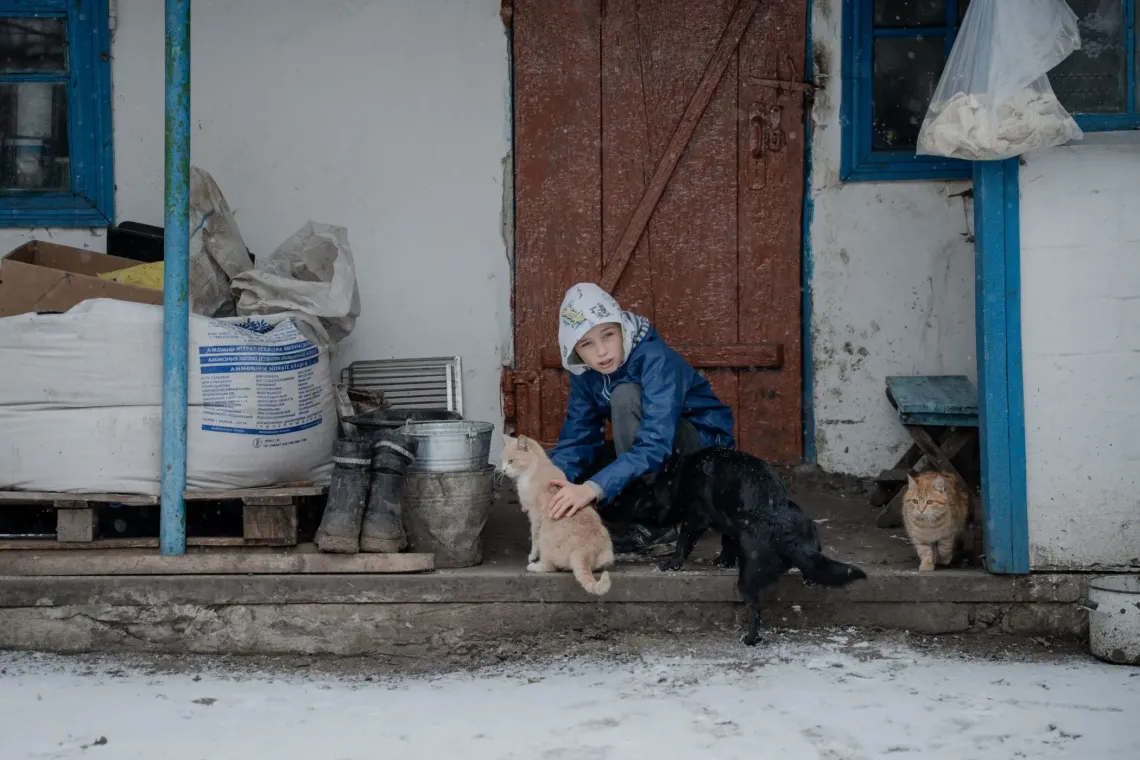
The stress of daily life also goes beyond the direct impact of the war. Tetiana says she’s barely making ends meet with her salary, as food prices have risen sharply. For the children, one of the biggest challenges during this harsh winter are power outages, which result in online lessons being canceled.
For almost four years, the children have been studying remotely from home. When lessons are on, they spread out into different rooms to avoid disturbing each other.
Yaroslav says he no longer remembers what it was like to attend school—they now see their teachers and classmates mostly on a screen.
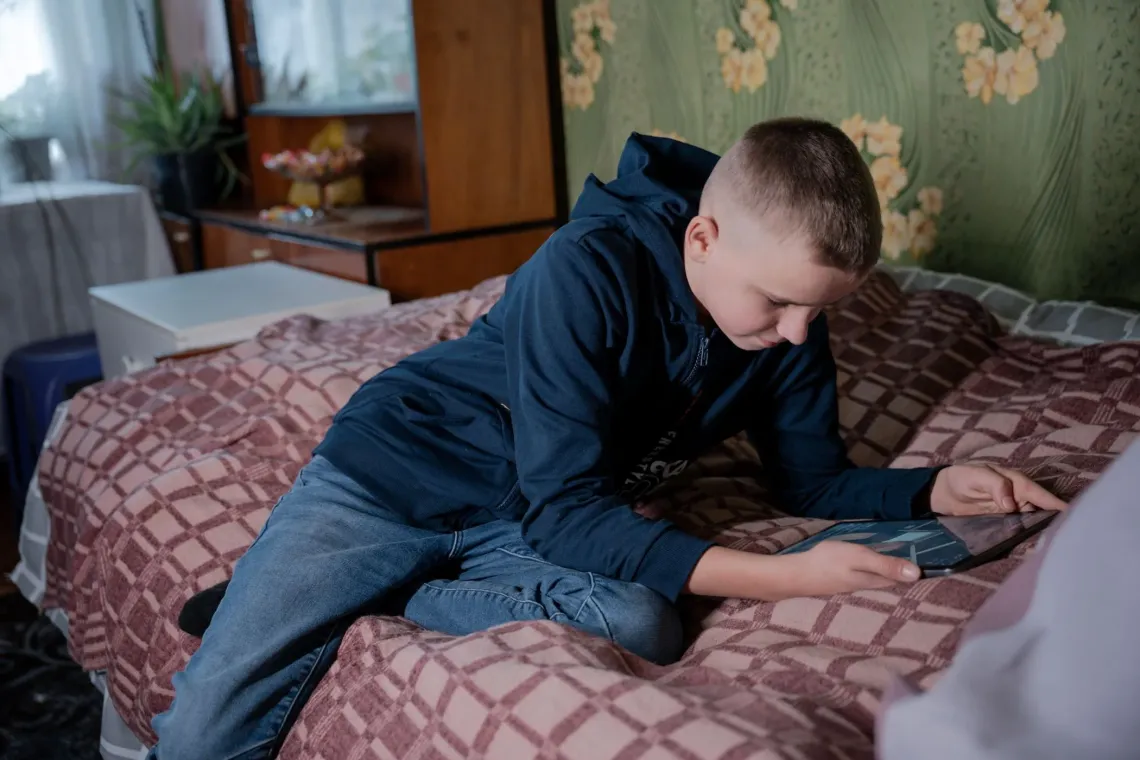
While the children struggle to keep learning and engaging with friends, Tetiana feels the stress daily, which contributed to her alcohol addiction.
Six months ago, though, her wellbeing and family life started to improve when she received support from the Social Services Centre of Blyzniuky village council. Their community-based services were enhanced following participation in a national ‘small grants programme’.
This initiative forms part of the Social Protection for Inclusion, Resilience, Innovation and Transformation (SPIRIT) project implemented under the UK–Ukraine 100-Year Partnership Agreement signed in January 2025.
The programme is led by the Ministry of Social Policy and Family Unity, with support from partners including UNICEF, the World Bank, the Fund for Social Protection of Persons with Disabilities and the UK Government.
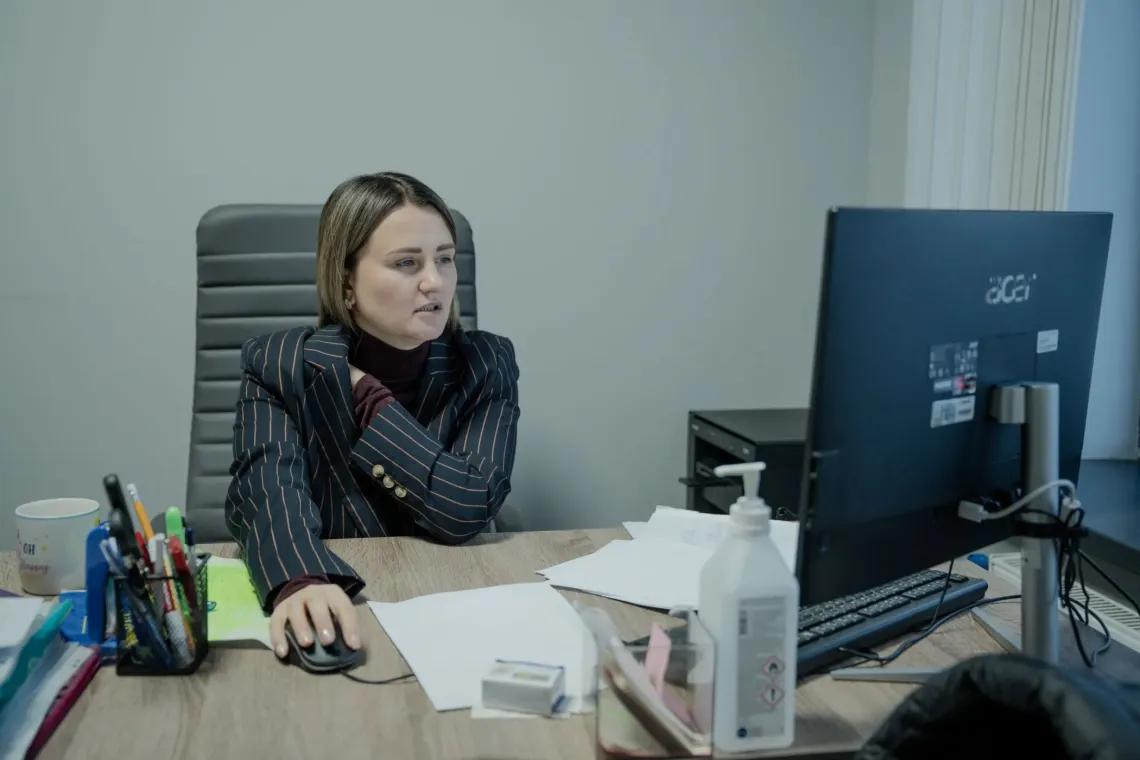
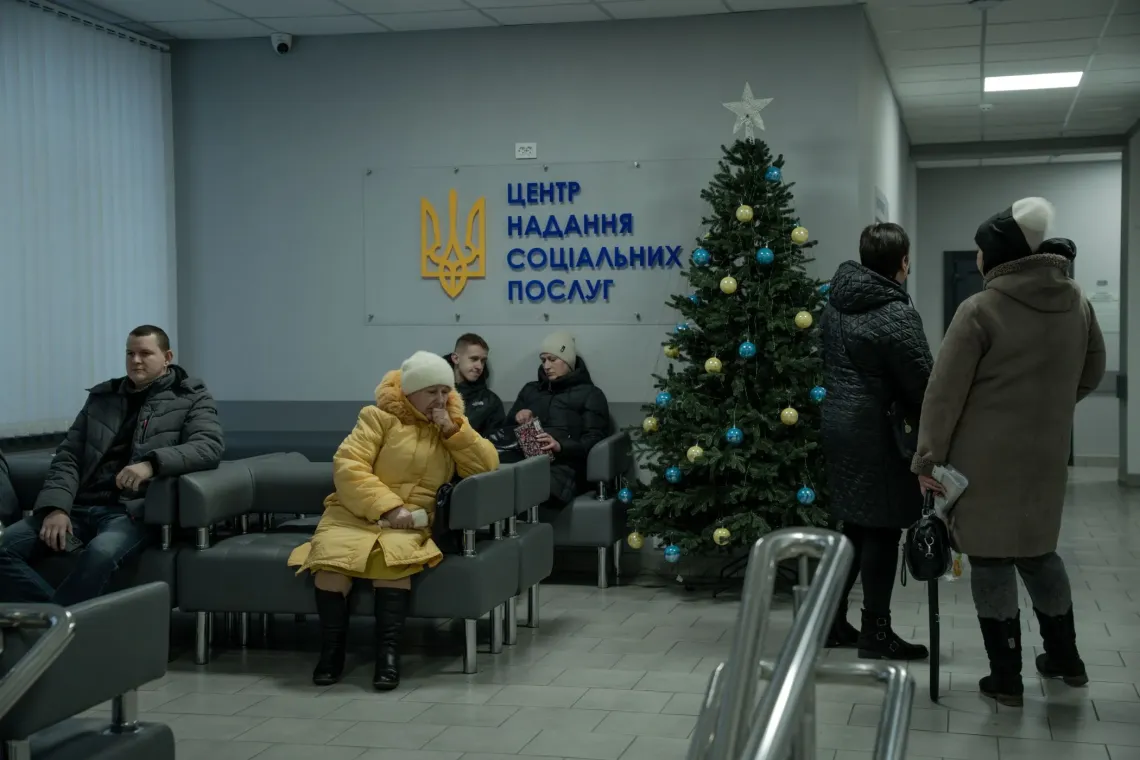
“Thanks to the small grants programme, we have been able to launch courses on responsible parenting and financial literacy and offer psychological support to families. We work with parents to build practical skills and teach non‑violent communication.”
Tetiana benefited from this comprehensive support. She was able to regain control of her life, develop family budget‑planning skills, improve communication with her teenage children, participate in training sessions with a psychologist, and secure a job.
“During the courses, I learned how to stay abstinent and avoid falling back into addiction, how to earn money, and how to spend it wisely. They supported me both psychologically and emotionally”, Tetiana says.
UNICEF Ukraine
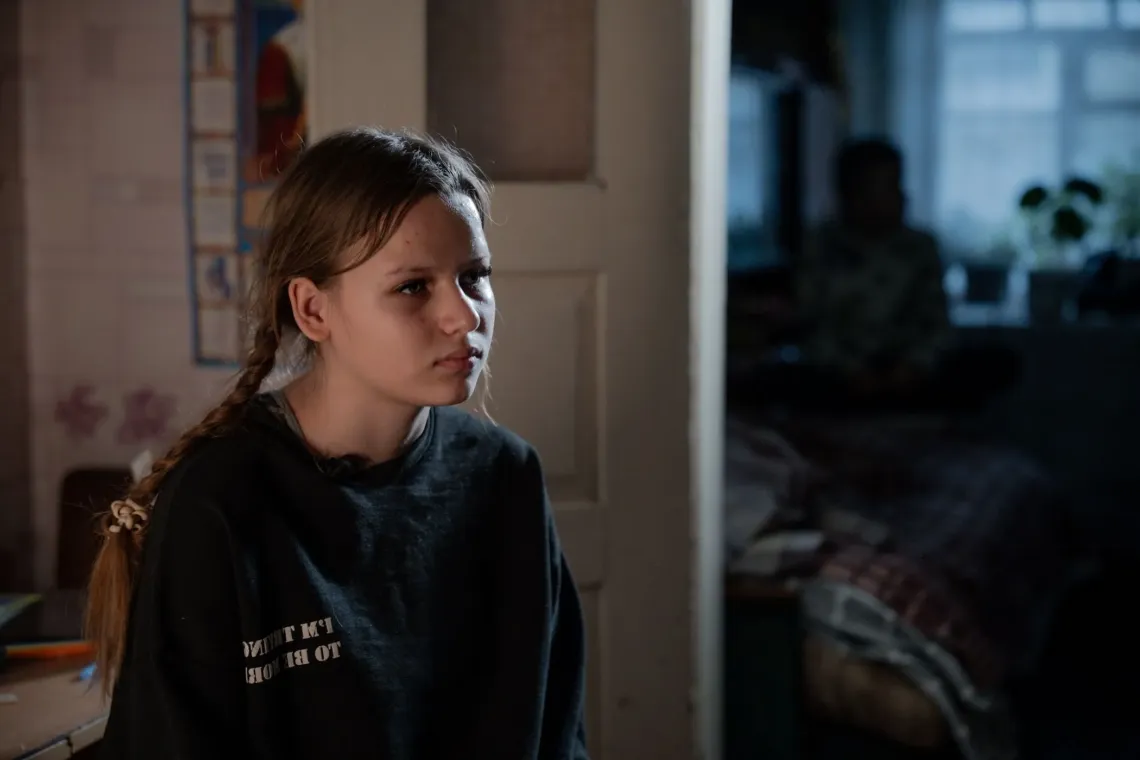
Her 13-year-old daughter Liubava says family relationships have improved.
“Before, we hardly talked to each other and often argued. She was frequently away from home. Now she has a job, and my relationship with my mother has changed a lot—we talk often.”
The village council is also helping the family to improve their living conditions by installing a warm, modern bathroom and providing beds for the younger children.
More than 20 local families in the community who are caring for and raising 65 children are receiving social support services.
“We teach them to overcome their challenges. This minimizes the risk of children being removed from their families and supports families,” Alina says.
The small grants programme has also enabled the social services centre to launch an early intervention service for children from birth up to four years. Alina explains that mothers do not always notice when a child has developmental delays, but specialists can identify any challenges early on.
“This new service is already gaining popularity in our community. We can see the needs of our children and our families, and we are beginning to meet them,” Alina says.
“We were able to engage an additional psychologist who travels to the small village communities and works individually with each family and each child,’ she adds.
The small grants programme is led by the Ministry of Social Policy, Family and Unity of Ukraine, in cooperation with UNICEF, the World Bank and the Fund for Social Protection of Persons with Disabilities and with funding from the UK Government. It is piloted in eleven regions, including Volyn, Dnipropetrovsk, Zhytomyr, Kyiv, Lviv, Mykolaiv, Poltava, Kharkiv, Khmelnytsky, Chernivtsi regions and the city of Kyiv.