A safer place to learn
How the kindergarten with a new shelter is operating in Zaporizhzhia

- Українська
- English
With support from the Government of Japan and UNICEF, a shelter at the Karamelka kindergarten in Zaporizhzhia has been renovated and equipped, allowing up to 98 children to continue learning, playing and spending time together despite the ongoing war.
Four-year-old Milena loves drawing, playing with dolls, singing and dancing. She has already made friends at kindergarten, and one of her most vivid memories from her first day was meeting her new teacher, whose hair she immediately decided to style.
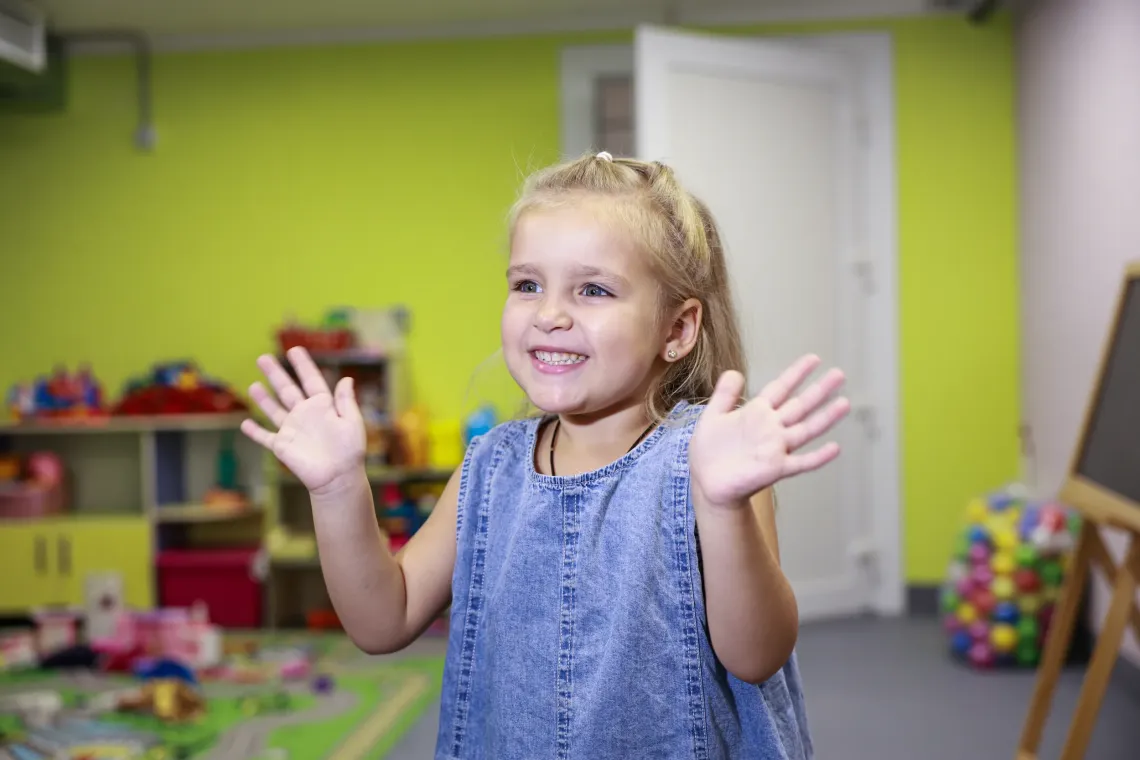
“I like drawing, listening to fairy tales and playing with dolls. I also like watching cartoons with my brother and dancing,” says Milena, showing off her dance moves.
She settled in quickly. Her parents say they never have to persuade their daughter to go to kindergarten. If anything, she finds it hard to stay at home for too long without other children around.
"She's a very sociable child. She loved it from the very first day and was excited to tell us how nice it is here, about the new toys and the other children," says her mother, Tetiana.
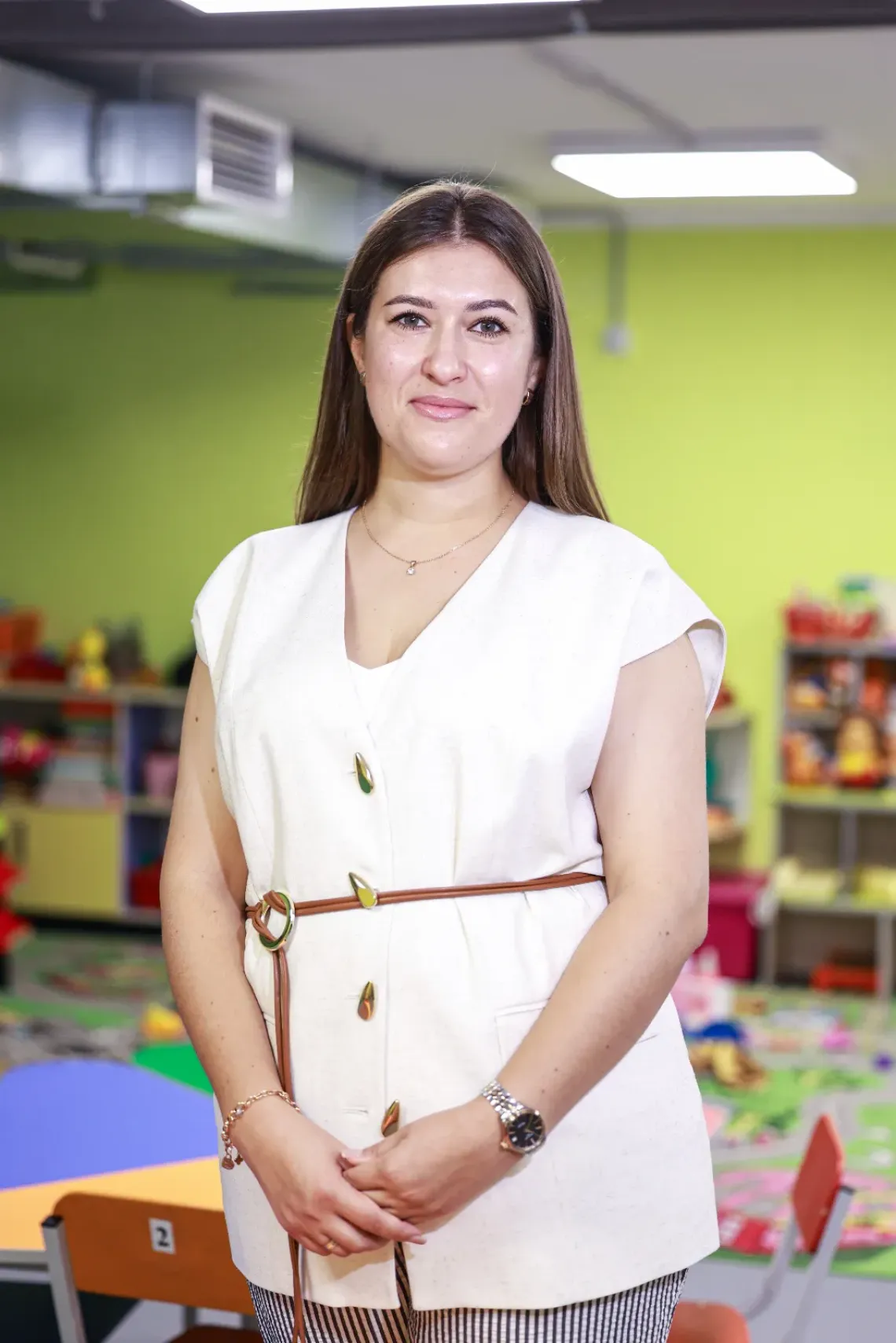
Tetiana and her husband Hennadii are raising two children. Their son Davyd is ten and goes to school, and Milena is four. Despite the war, the family tries to hold on to simple routines. On weekends they drive out of the city to visit the children’s grandma. In the evenings, they hug and talk about their day and the good things that happened.
Before the kindergarten shelter opened, Tetiana had to plan her days around making sure that her daughter was always with an adult. The family closely monitored air raid alerts and, when there was a threat, went down to the shelter in their apartment building or to a nearby school.
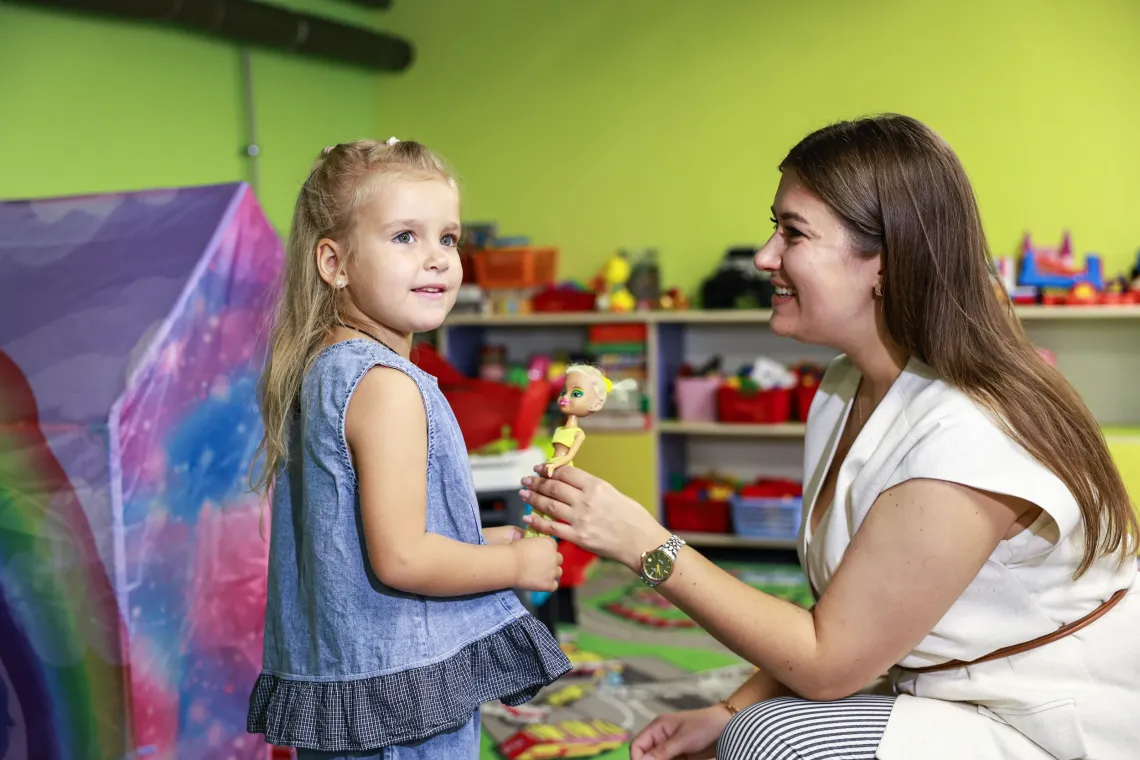
For many parents, the availability of a shelter was an important factor when choosing a kindergarten.
Alina’s son Artem also attends Karamelka. Although the family lives in another neighbourhood and the journey takes time, they chose the kindergarten because they knew a shelter was being prepared there.
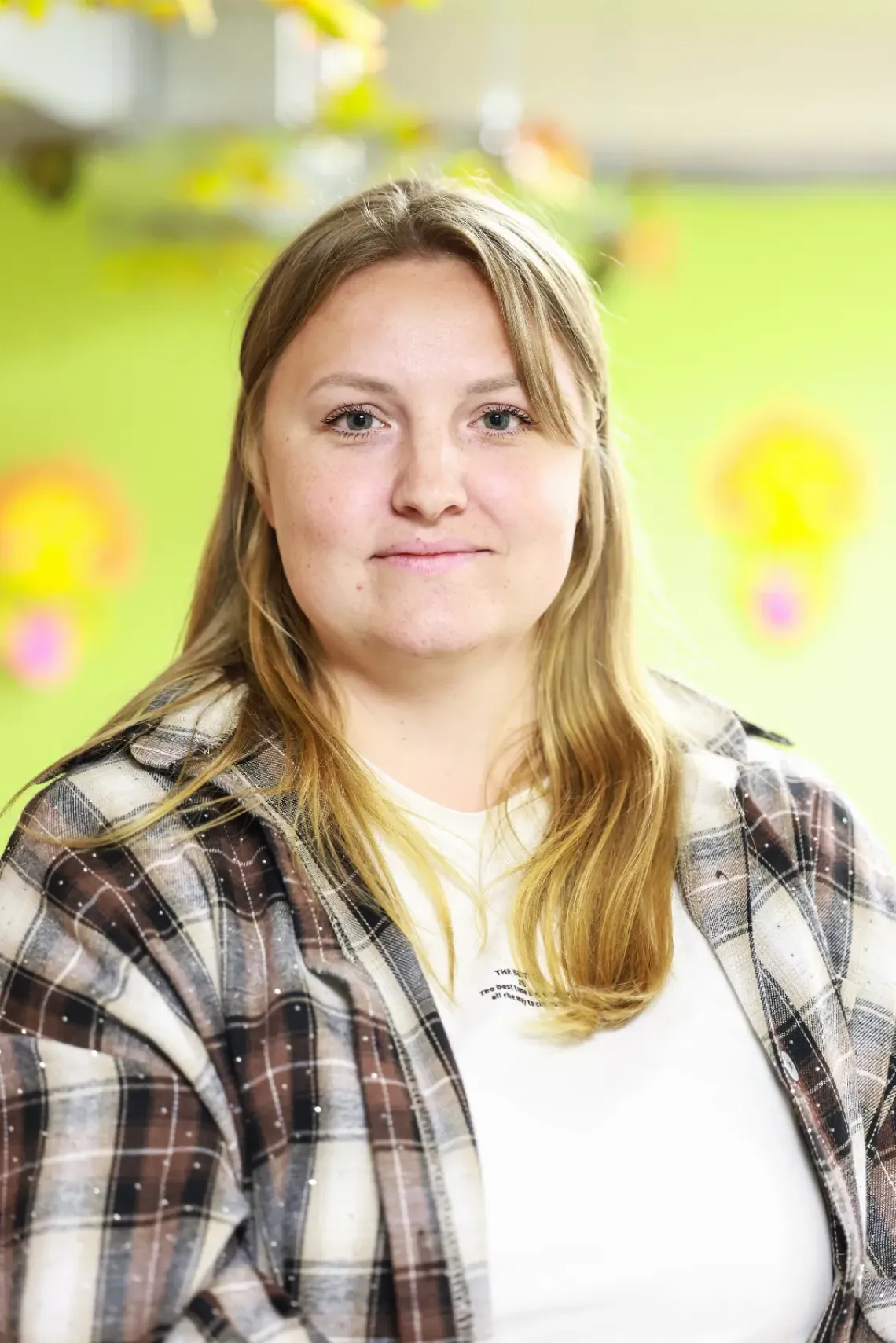
"We knew a shelter was being built here, so we decided to come here. We feel calmer now because we know Artem is safe. He can't hear anything here, he plays, he learns, he's happy," explains Alina.
Before the full-scale war, the kindergarten operated as usual. Later, in-person attendance became severely restricted. Last year, about 20 children were able to attend twice a week, using a renovated shelter at a neighbouring school.
That changed on 3 September, when the kindergarten opened its new shelter with support from the Government of Japan and UNICEF. Children can now spend the full kindergarten day there, continuing their learning and daily routines even during air raid alerts.

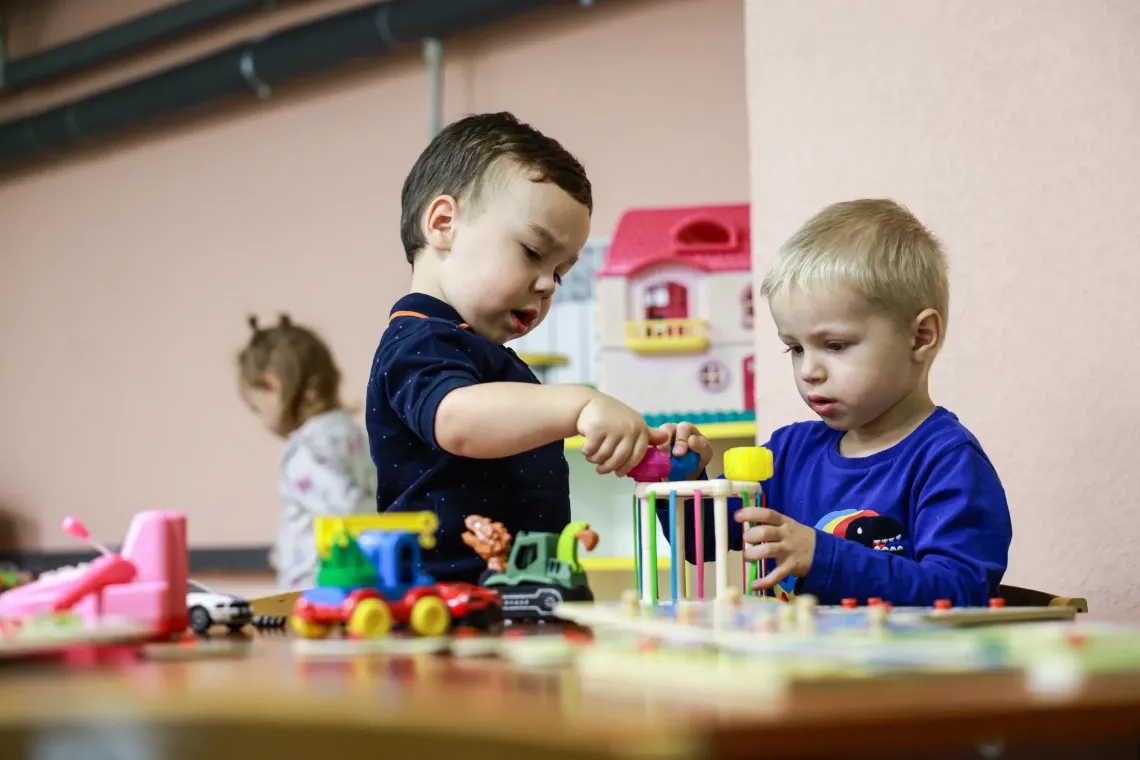

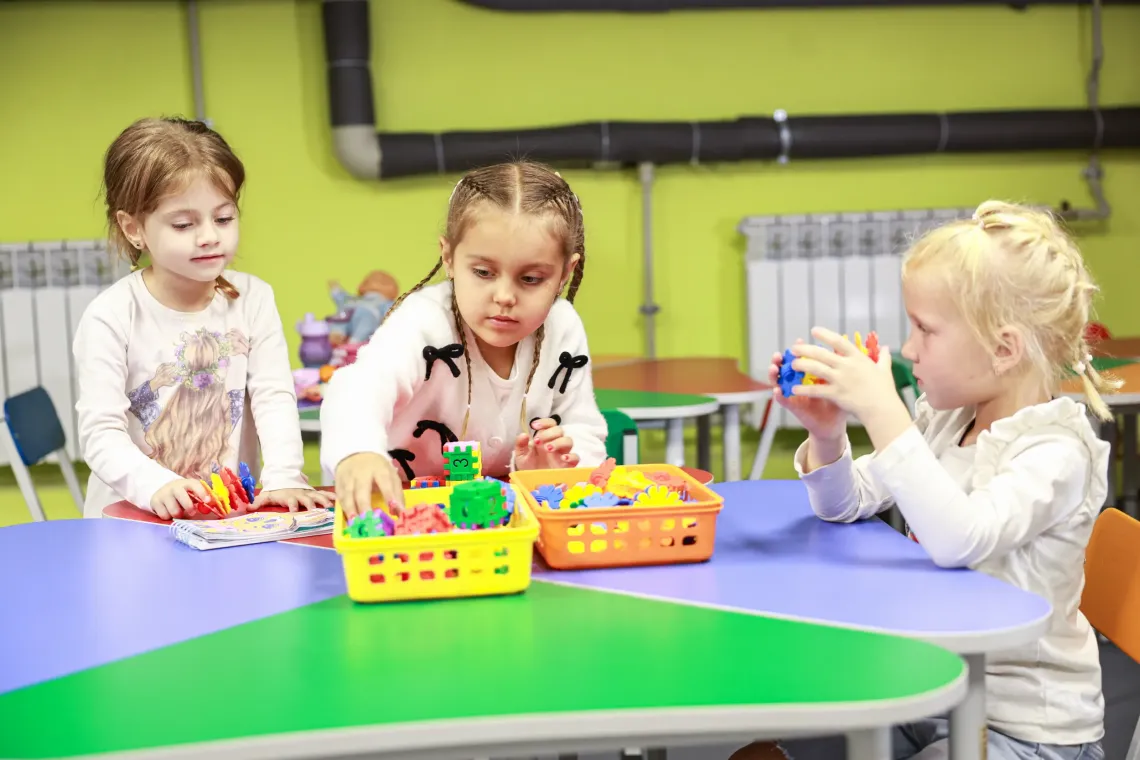

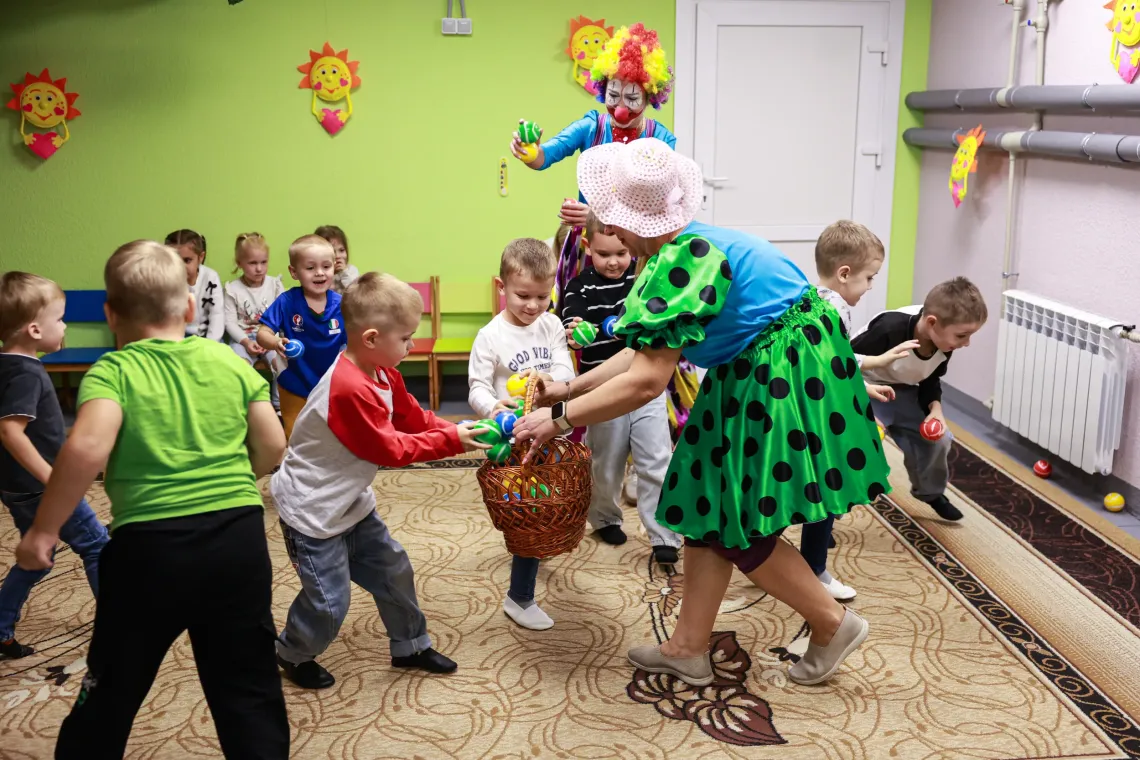
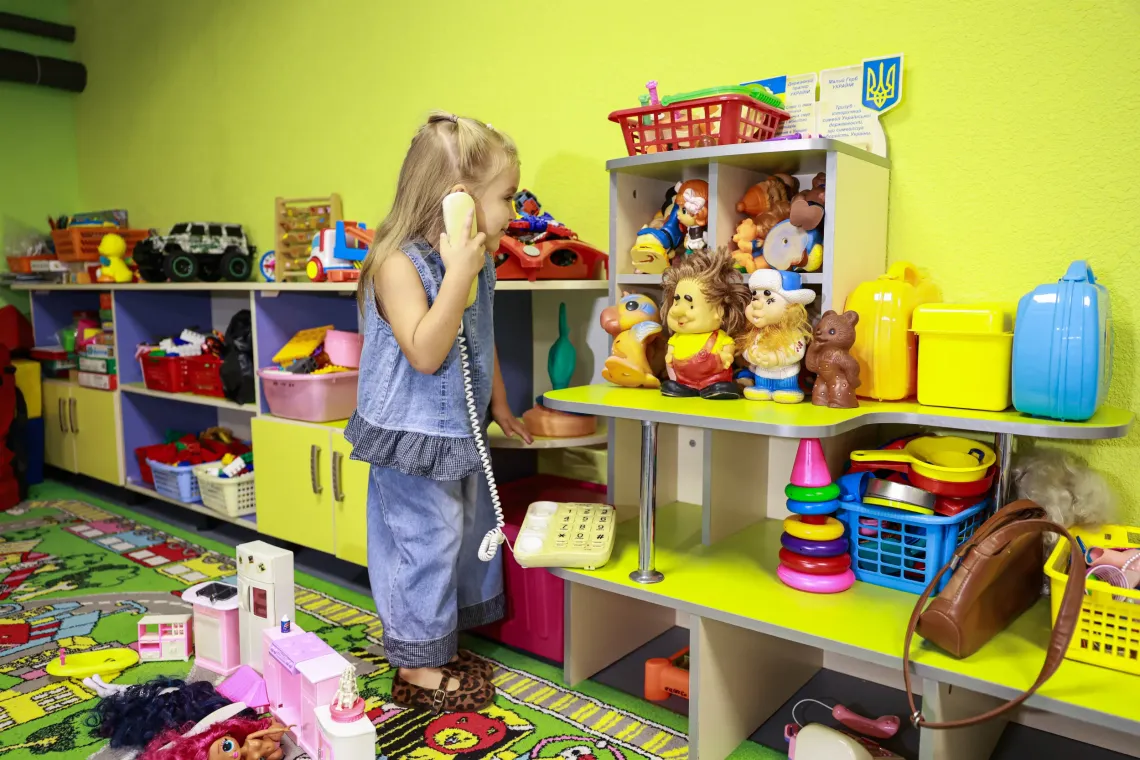
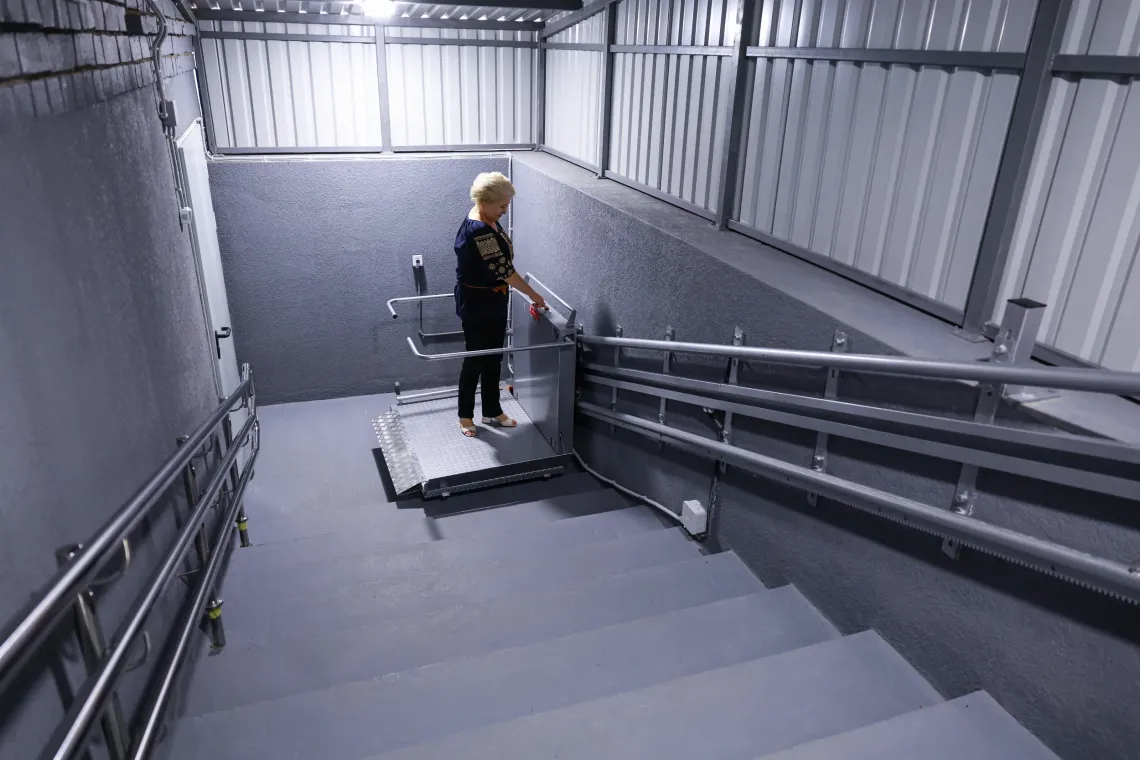
The 543-square-metre shelter can accommodate up to 98 children. It includes six separate areas for different age groups, a sleeping area, toilets and a shower room, as well as a medical room. A lift and accessible toilet help ensure the space can also be used by children and adults with disabilities.
Children can spend up to eight hours a day in the shelter. Rather than simply waiting for an air raid alert to end, they can continue with their regular activities, including art, language development, mathematics, music and physical education. A psychologist is also available to support them. Around 50 to 60 children attend the kindergarten each day.
"Every hour is planned: lessons, physical education, drawing, independent activities, games. On the very first day after the space opened, we were a little anxious because it was the first time we had welcomed the children there. But by the second day everything felt normal. And what's especially nice was that none of the children cried, not even the youngest," says the kindergarten's director, Olena.
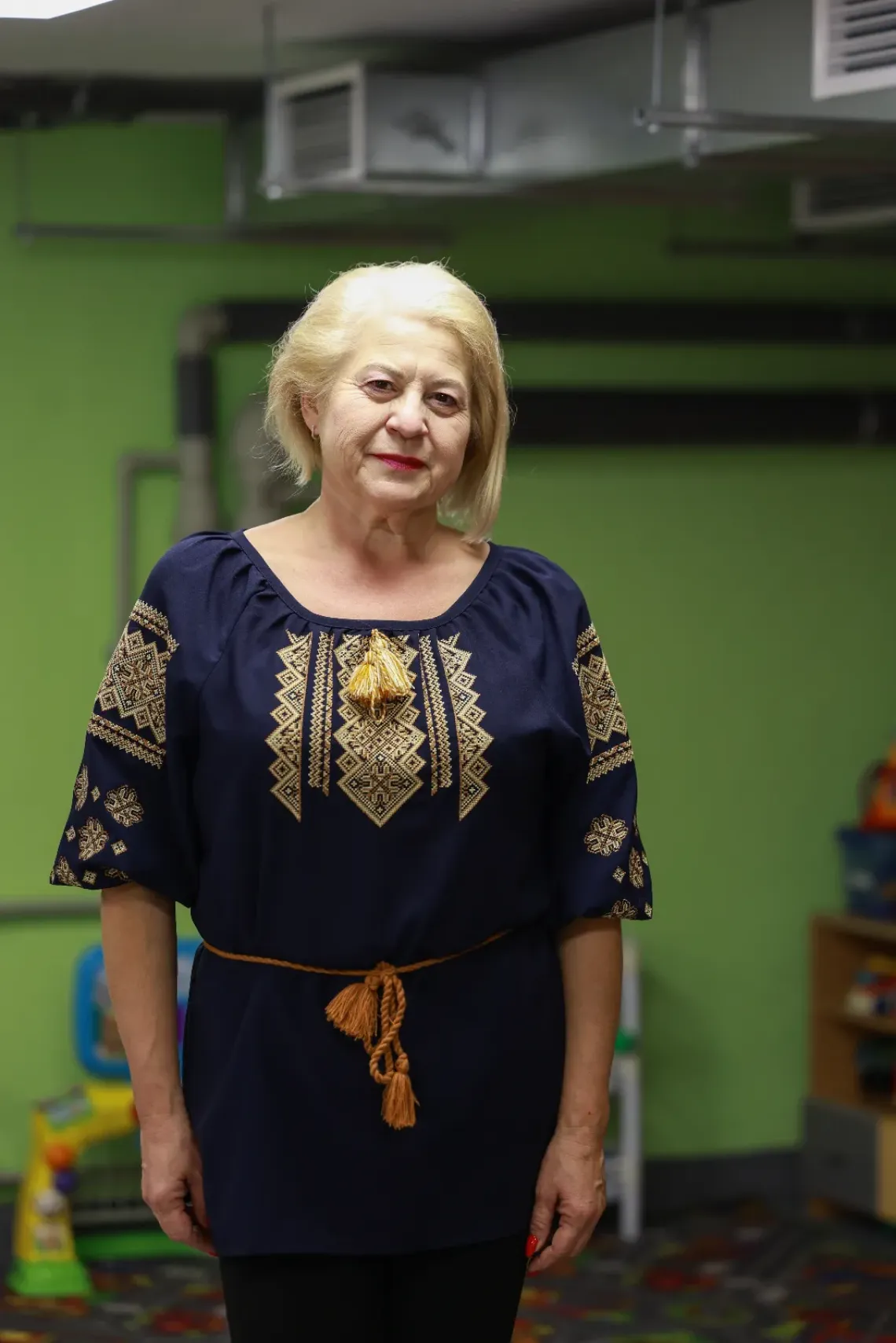
The kindergarten also runs two groups for children with special educational needs, supported by a special education teacher, speech therapist and psychologist. Since the shelter opened, children from all six age groups have been able to return to in-person learning.


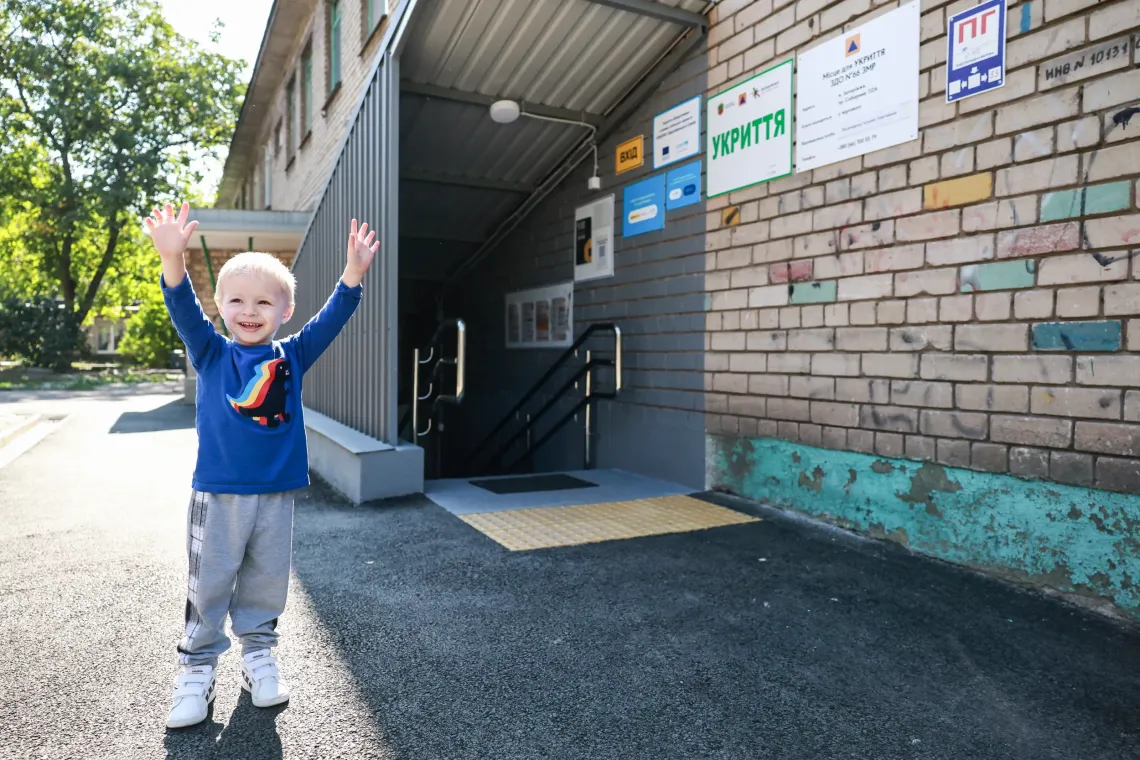

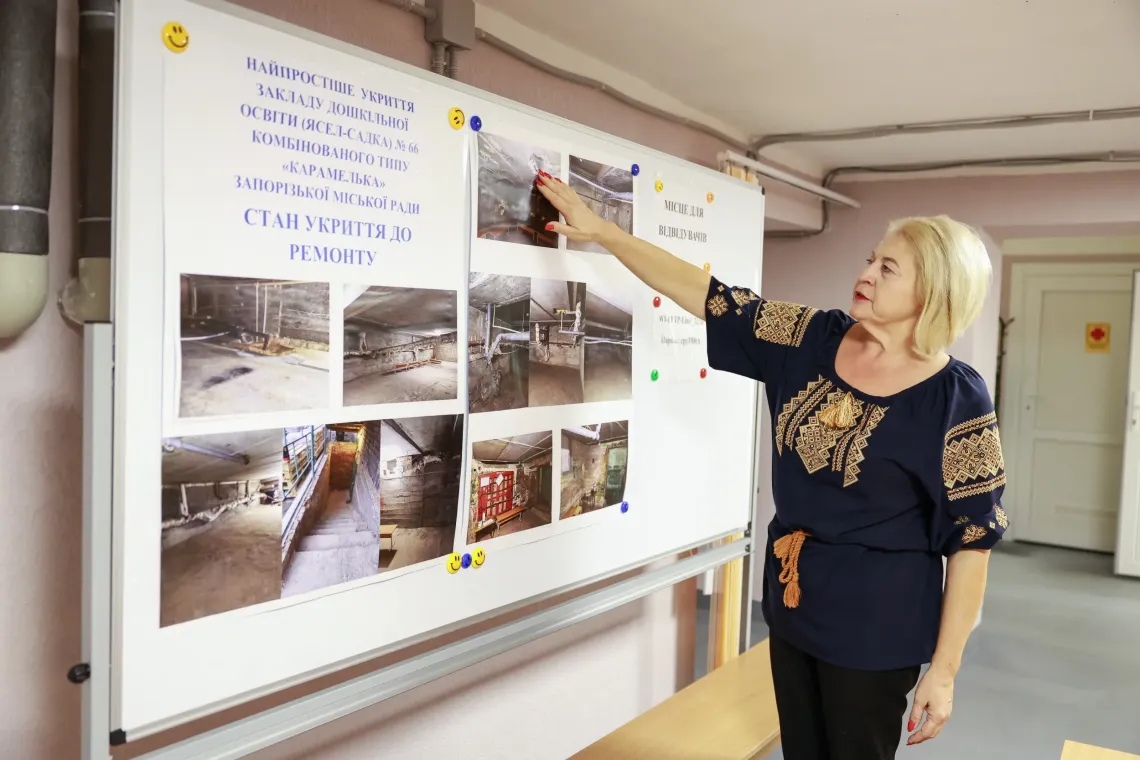
Demand was already high before the renovation was completed. According to the kindergarten administration, as soon as construction materials arrived and work began, families from nearby buildings started coming to enrol their children. By February, the groups had already been formed.
For parents like Tetiana, the shelter means that their children can spend time with their peers, learn and play while parents are able to work – with the reassurance that children have access to a protective space during air raid alerts.
"The opening of this space is a very important part of our lives because our children's safety is what matters most to us. Parents can work during the day, while the child is in a protective space, developing, learning and playing," says Tetiana.