UNICEF and partner efforts integrate former street children back into school
Hundreds of girls from Karamoja rescued and resettled thanks to the Spanish Committee for UNICEF
One morning in August 2023, Jane (not real name) was woken up by her mother and told she needed to prepare to travel to Kampala- Uganda’s capital city. Excited, she helped her mother in putting together and packing a few of their belongings.
Born to a father from Karamoja and a mother from Busia, Jane did not know what they were going to do or the life they were to live in the city. When they reached the taxi park in Busia, there were two other girls waiting for her mother, and together they embarked on the journey of four and a half hours that got them to Kampala.
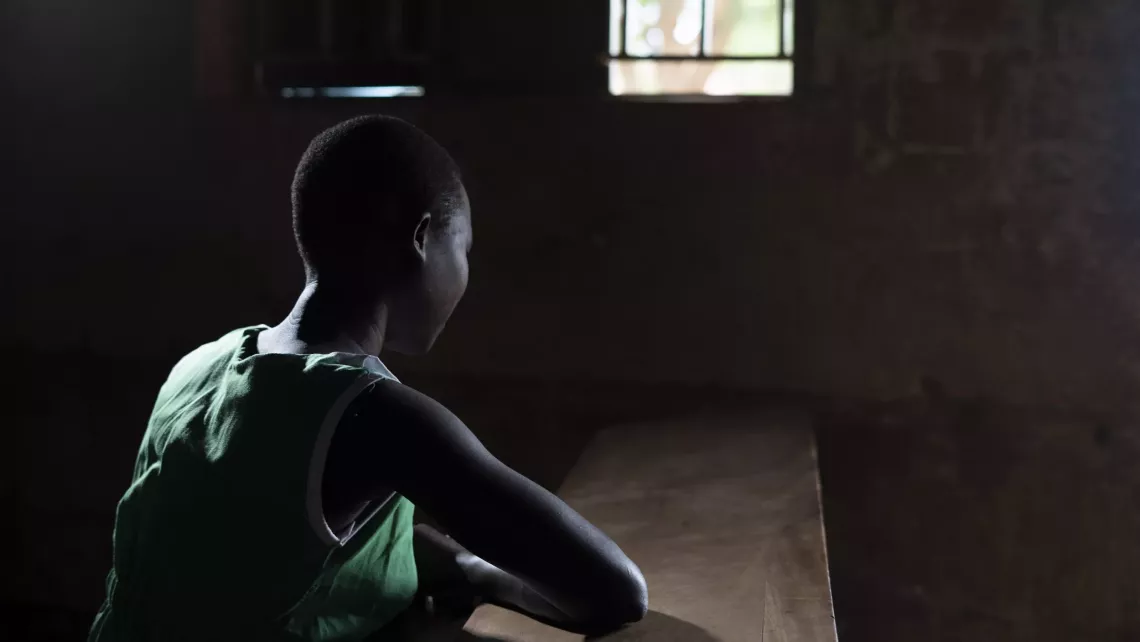
“When we got to Kampala, I thought we would be welcomed into a home but that was not the case. My mother led us to a veranda in the ghettos of Katwe, and that’s where we spent our first night.”
Katwe is a popular slum area in Kampala city.
She was 13 years at the time, and when Jane complained about being hungry, her mother asked her, and the other two girls to escort her and find work to support their survival.
That’s how she ended up in a home of Somalis where she was immediately initiated into house-help chores as a maid; she would wash clothes, utensils, baby-seat, cook and tide-up the house.
As she went about sizing up to doing the chores, Jane felt sad every time she saw girls her age going to school. She had stopped schooling in 2019, in Primary Three (P.3) when her mother told her she didn’t have the resources to further her pursuance of education.
Her right to education was momentarily suspended. The United Nations Children’s Fund (UNICEF) emphasizes that education is a fundamental right for every child, ensuring they have access to quality learning opportunities that equip them with the necessary knowledge and skills for a fulfilling life.
James Okumu Bedijo the Chief Administrative Officer (CAO) of Napak District observes that they continue to face challenges of both internal and external migrations that have led youngsters, like Jane, to be blindly trafficked.
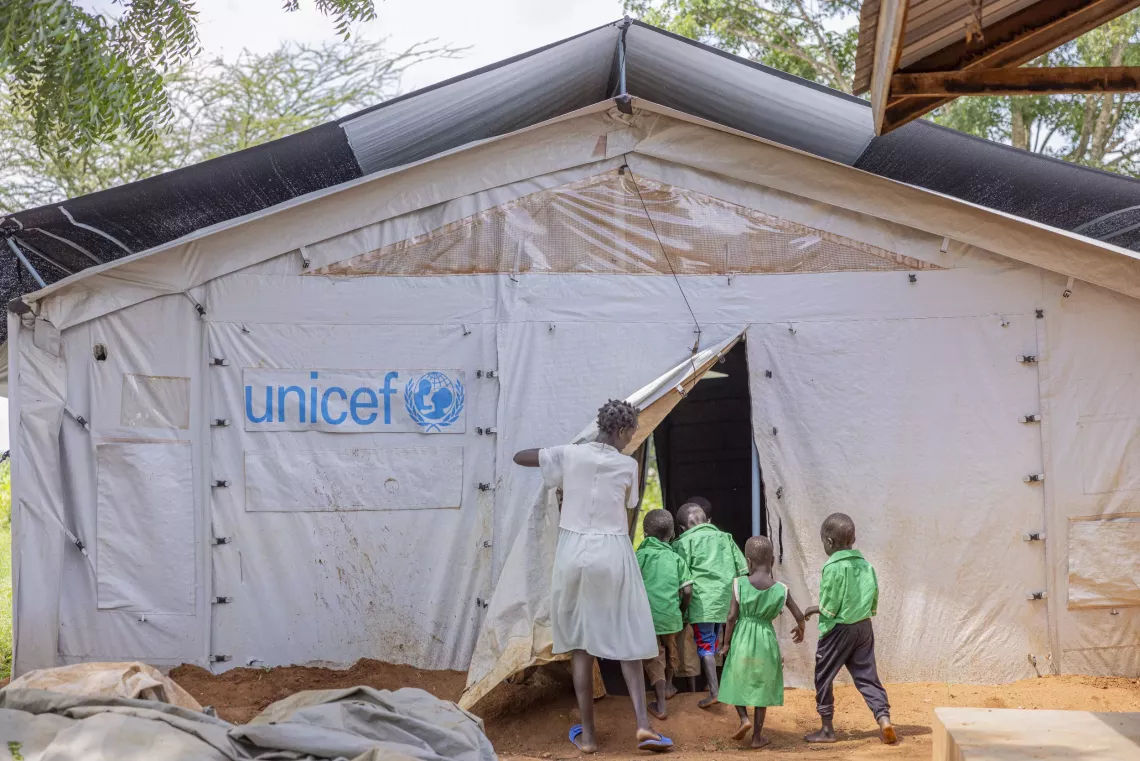
He explains, “We have been having our children leave the districts for obviously unclear reasons that are not very profitable. One: the challenge that we have had is that the children who were meant to be at school find themselves being trafficked out of the district by people who don't have good intentions for them, and this explains the high number of street children who are on the streets of Kampala. We have been having an engagement with Kampala City Council Authority (KCCA) where several children that are rounded up on the streets of Kampala turn out to be children coming from Napak and Karamoja and this trend has been going on for several years.”
Napak is using a homegrown solution together with UNICEF, KCCA, the Ministry of Gender, Labour and Social Development and other partners with funding from the Spanish National Committee for UNICEF where the children are rounded up and screened to ascertain their places of origin.
Okumu reveals that during the recent Non-Aligned Movement (NAM) conferences, some 1,000 children were rounded up, and 900 of them were from Napak. The District Chairperson, John Paul Kodet says that their solution has aptly dubbed the three Rs; Rescue, Resettle, and Recycle which seeks for the children to resettle and be re-integrated into schools as a way of cutting back on the number of children getting back onto the streets of Kampala.
Jane is one of the girls that have been rescued from the streets of Kampala and resettled back in school. She aspires to join an institute to be tutored in hairstyling which she can take up as a job for her economic sustenance and support her impoverished mother.
According to Kodet, the district’s approach is to pilot the Rescue, Resettle, and Recycle initiative for the next three years and has so far registered success with 637 children successfully integrated back in school. 30 of them have joined the Presidential Industrial (skilling) Hub.
“I want to appreciate UNICEF for ensuring the success of this initiative; they were the first agency who came to rescue and help the children to be integrated through their child protection office. Otherwise, we wouldn’t do this alone as a government,” Napak’s District chairperson further notes.
According to Christine Koli, UNICEF’s Child Protection Officer in Moroto, available statistics indicate that Napak District has the highest level of multi-dimensional child poverty in the country and that has also contributed to the high level of child trafficking.
She says that UNICEF, the district and the partners have agreed to rehabilitate children and ensure that they are in school to continue with education, which is their right, and will offer them brighter chances of attaining a more meaningful life and future unlike the streets where they were exposed to many risks including defilement, molestation and abuse.
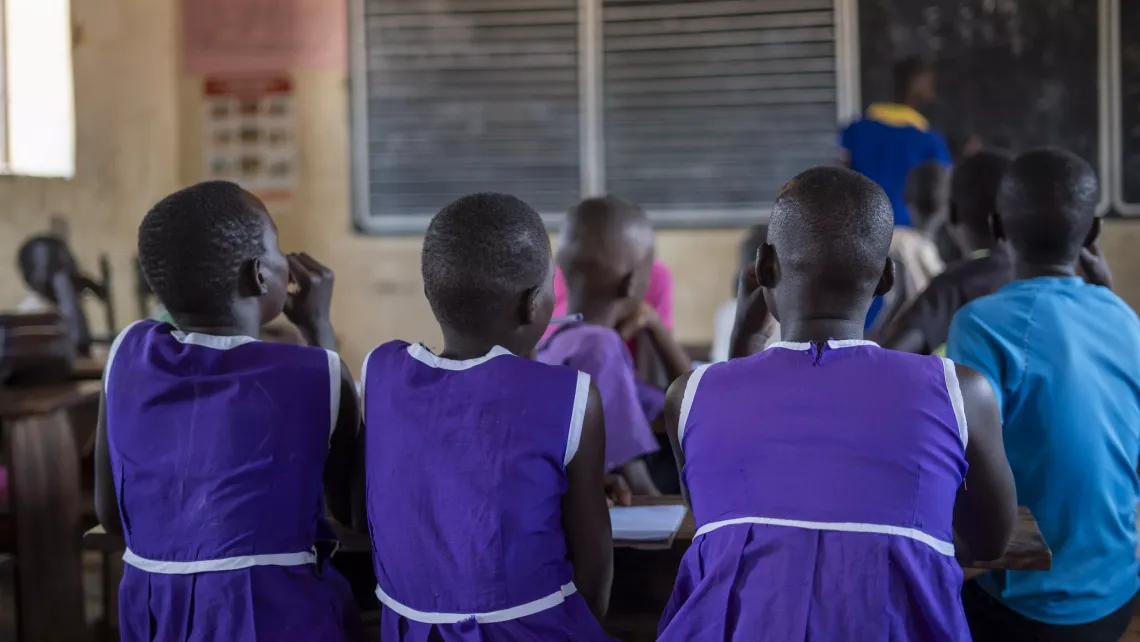
“From the time the children were resettled in school, we can testify that we have seen very positive results; these children are happy and they are healthier compared to the time when they came. They have integrated well, and you cannot differentiate whether the children who were on the streets and those they found in schools,” Koli adds.
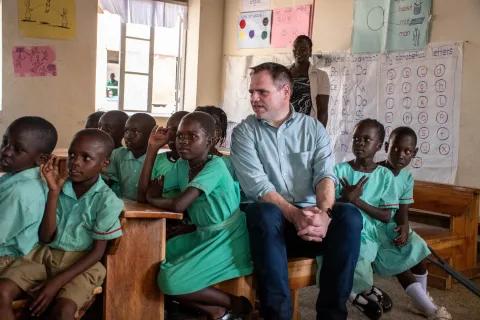
Martha Chamcham Nabok, Head Teacher of Lokodoidoi Primary School says out of 958 general pupil enrolment, 117 have been integrated with help from KCCA, the district, Ministry of Gender, Labour and Social Development and UNICEF, thanks to funding from the Spanish National Committee for UNICEF.
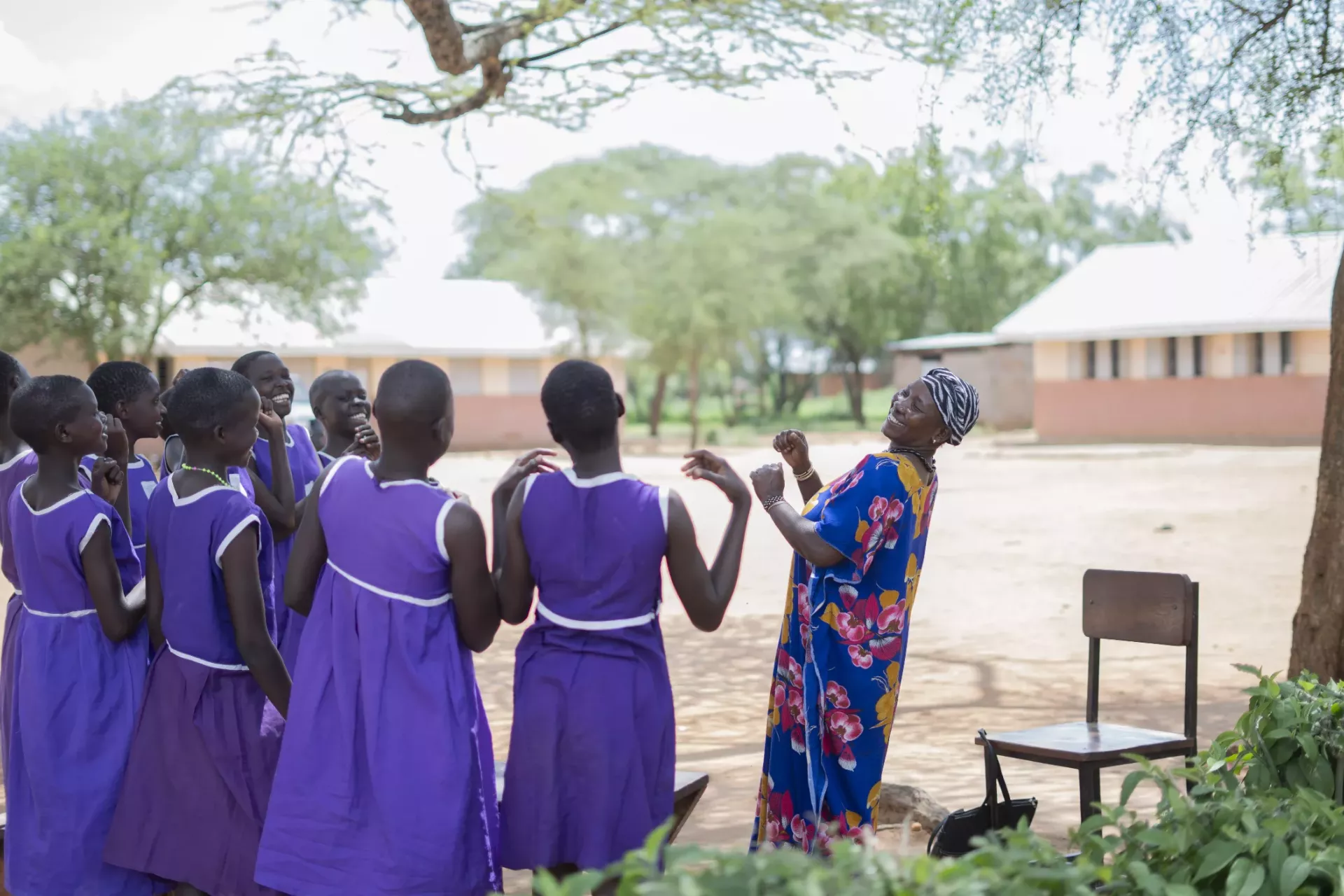
She says that the school administration counsels the children physically and spiritually as they guide them on socialization with other pupils and acclimatize with the school environment.
The 56-year-old head teacher says that support from UNICEF with basic needs as well as creating play areas and providing play items, helps the pupils appreciate the school environment more as they develop into learners with skills, talent and values.
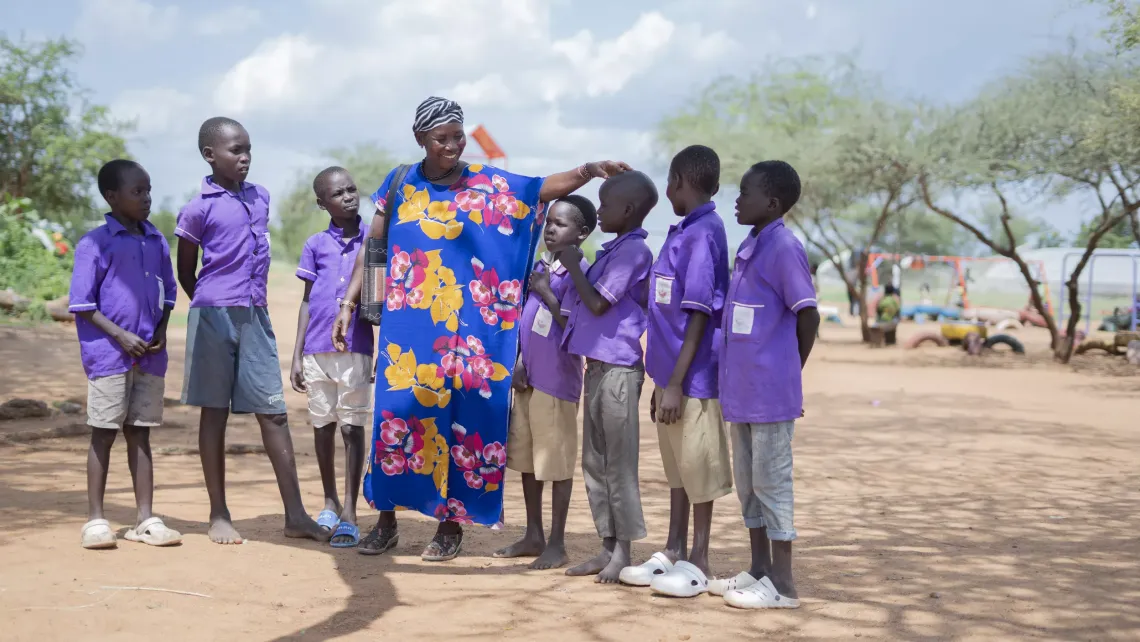
Napak District’s Senior Probation and Social Welfare Officer, Molly Nangiro notes that girls are trafficked more compared to boys because traffickers profit from selling them for child labour as baby seaters, sexual molestation and more vices.
She appreciates UNICEF for supporting the orientation of the district team to have parenting sessions at the village level geared towards embracing education of children, their rehabilitation and support on issues of mental health.
“When the children were just brought to Napak, and in the schools, some of them just wanted to escape because of the lifestyle that they were exposed to on the streets of Kampala. UNICEF and the district supported social welfare officers and the social workers to provide mental health and psycho-social support to these children, to provide counselling and a child-friendly space where they play and can relieve stress and bond with the other children within the school,” she narrates.
The Convention on the Rights of the Child states that when adults make decisions, they should think about how their decisions will affect children, thus do what is best for them.