Ntoroko District on the brink of a humanitarian crisis
Homes, schools, gardens, pasture for cows, roads affected

As people in Ntoroko District were smarting from the devastating flooding of 2019, the same disaster happened again, this time more severe than had ever been experienced in more than 50 years. The floods left 11 schools submerged and more than 24,000 people displaced from their homes. The floods have destroyed sources of livelihoods, damaged safe water sources, and latrines and made roads impassable.


“The floods destroyed my home completely. I lost almost all my household items. My chicken was not spared either. I am a mother of nine children so I now live in this tent and life is unbearable. We have no access to clean water. Firewood is very expensive, and we basically have no food,” Christine Kabarokole of Makindo Village in Masaka Parish explains.

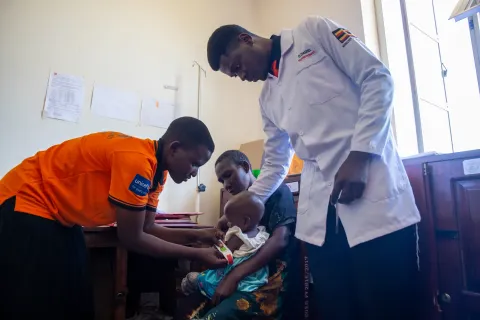
For 20-year-old Irene Kabasinguzi, the floods came at the worst time ever. “I am seven months pregnant with my second child. On the night my house flooded, I woke up at around midnight with water rising and spent the rest of the night standing,” she reveals. “I now have to walk through trenches of Rukoora Village filled with water to access antenatal care at the Bweramule Health Centre III.”


As her expected date of delivery nears, Kabasinguzi is worried whether the health centre will still be accessible for her to be able to deliver her baby safely.

Kabasinguzi’s story is corroborated by Goretti Komuhendo who, as a councilor of Rukoora Parish, has seen the devastating effect the floods have had on women and children. “We lost our gardens, pasture for cows, everything. It is becoming difficult to feed ourselves and our children. Pregnant mothers are facing a hard time to access health facilities. I am worried many may cease going for antenatal care,” Komuhendo explains.


Yet Komuhendo, as a leader, has to walk the breadth of Rukoora to encourage mothers not to give up on life. “We need timber bridges so that people can access their homes, fetch water from some of the safe sources that may not be completely destroyed. We need a lot of support to cope with the floods yet we are expecting more rains during the forthcoming rain season,” she adds.
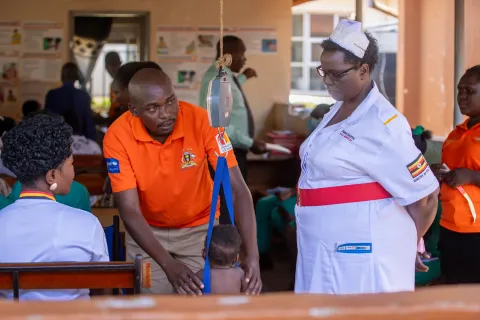
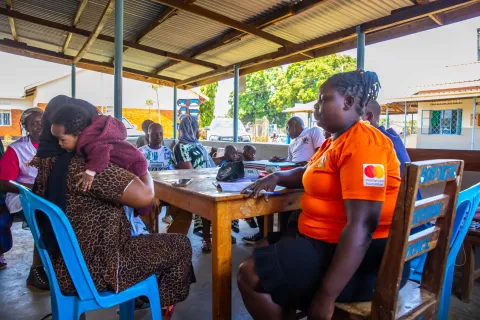
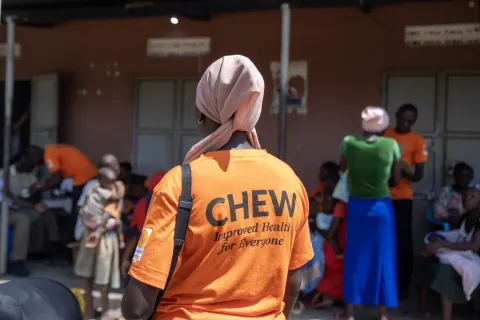
In Kanaara Sub County, one of the most affected areas in Ntoroko, Village Health Team (VHT) members like Stella Kabasinguzi are worried about the effects the floods will have on the community.

“We can’t easily follow up on people who need health services or children who need support. Whole villages have been cut off making access difficult. Where timber bridges exist, the people who constructed them charge a small fee and some of the water is invested with crocodiles,” Stella Kabasinguzi says. “In internally displaced people’s camps where people now live, the situation is terrible with children sharing the same tent with adults. We don’t have safe places for children to be children,” she adds.


As the third and final academic term of the year starts this September 2024, the people of Ntoroko are worried about how children will access schools. “Many learners won’t be able to access schools as 11 schools have been submerged. We need tents to make temporary shelters in safer spaces that the communities have identified so that learning can continue,” Maureen Kusemererwa, the acting Ntoroko District Education Officer says.

“Teachers’ residences have been destroyed. Furniture and learning materials are all destroyed. We have learners who are supposed to sit for their final national exams in a few months. If they don’t, their entire lives will be ruined,” says Vincent Asiimwe, the Head Teacher of Masaka Primary School.


“If we don’t re-open, some of the children will end up in unsafe activities like illegal fishing and girls will end up in early marriages. We must not fail them,” he adds.

UNICEF has since supported six of the submerged schools with 12 tents, benefitting 3,269 learners to enable the re-opening of some of the schools but more is still needed.


“A disease outbreak is on the horizon. We are already experiencing an upsurge in malaria cases as mosquitos now have many breeding places because of the flooding yet people are living in tents,” says William Kasoro, the Ntoroko District Local Government Chairperson. “People have also lost their livelihoods and our infrastructure, already poor, has been destroyed. Roads and bridges are destroyed. Food gardens and pasture for cattle are submerged. We need support to cope,” he appeals.