COVID-19 survivors in Masaka City share their stories
With funding from different donors, UNICEF has been supporting the Government of Uganda’s COVID-19 response and contributing to their healing
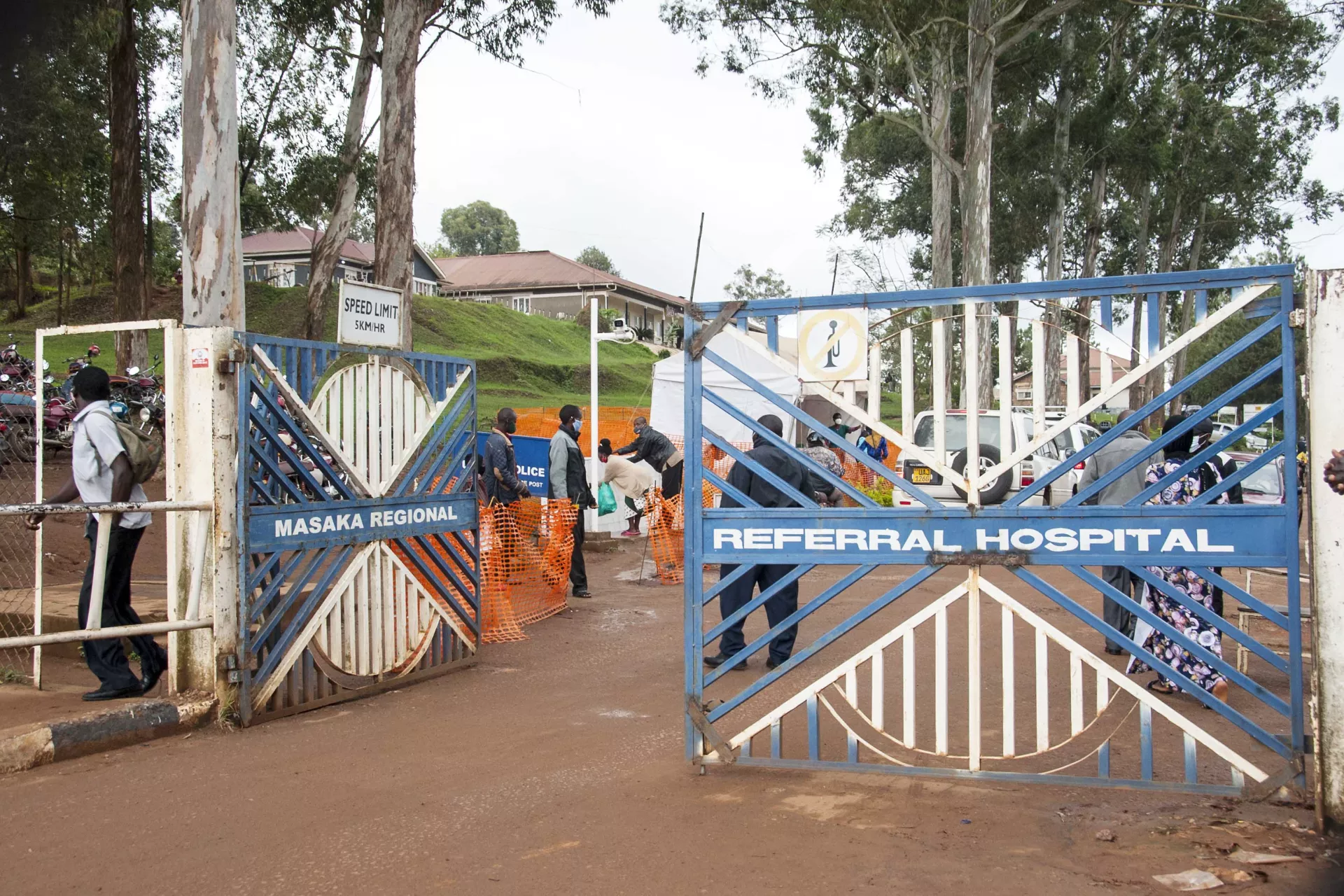
During a UNICEF visit to Masaka Regional Referral Hospital, Masaka City, COVID-19 survivors share their stories.
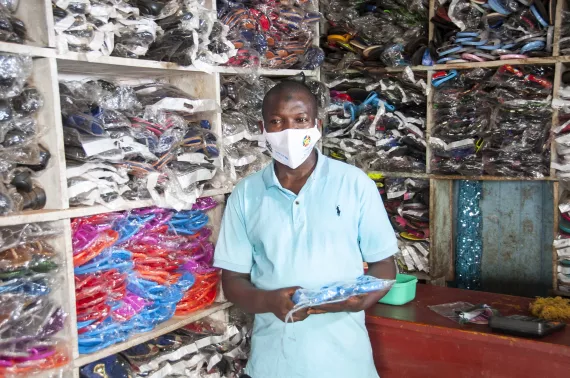
It is about 11:00 a.m., Abdul Kaweesi is in his shop in Nyendo, Masaka City in central Uganda. He sells crocs, gumboots and several plastic shoes including sandals. He is happy to see us especially Bonny Sentoogo, the In-charge of Home-Based Care at Masaka Regional Referral Hospital who together with committed health workers saved his life. He tested positive for COVID-19 and was admitted at the hospital which they refer to as Mulago Masaka Hospital to mean Masaka Regional Referral Hospital for 2 months. Mulago is Uganda’s National Referral Hospital located in Kampala.
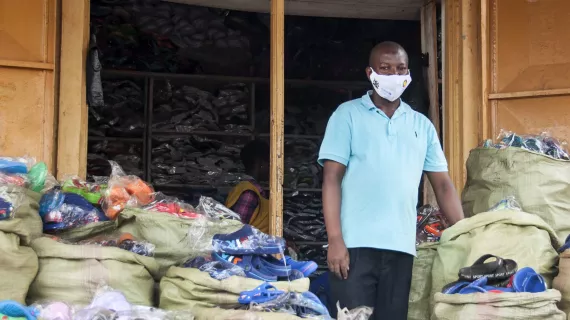
Kaweesi, 37, narrates that at first, many people in Nyendo thought there was no coronavirus and that it was a joke. His first symptom was fever which he treated with local herbs. Unfortunately, the herbs did not heal him. It was until he started losing his breath that he was referred to Masaka Regional Referral Hospital where he tested positive for COVID-19. He was unconscious for two days.
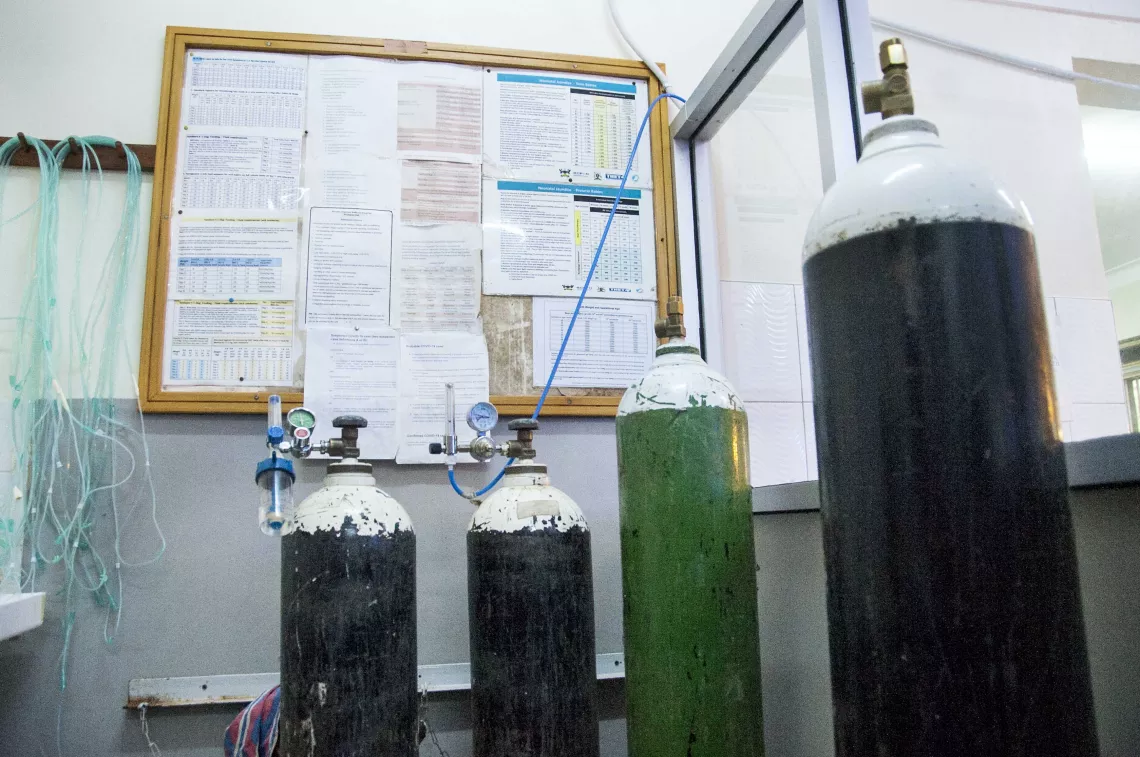
Throughout his two months admission, Kaweesi was on oxygen. He has since healed and has resumed his work.
“This was my first time to be admitted in a hospital. The hospital took good care of us. COVID-19 is very expensive to treat but the hospital did not charge us any money. I encourage people to test and seek treatment as soon as possible. When you treat this disease early enough, you recover quickly,” Kaweesi notes.
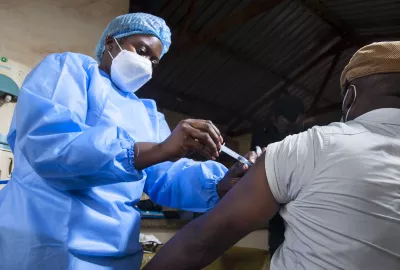
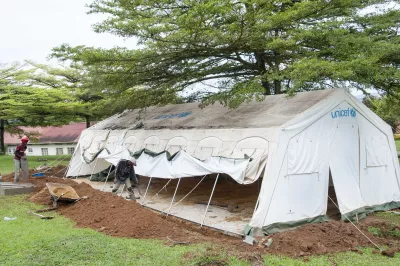
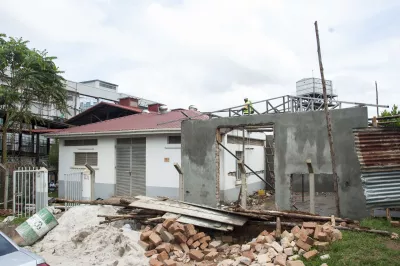
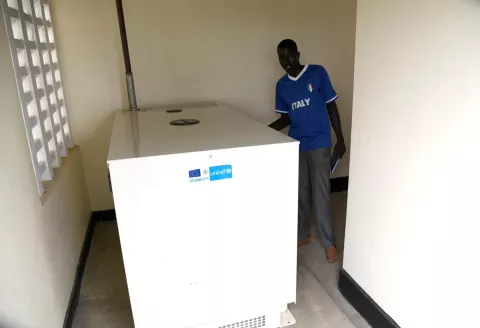
With funding from different donors, UNICEF has been supporting the Government of Uganda’s COVID-19 response in a number of areas including heighted awareness, risk communication and community engagement about the virus and the need to get vaccinated; increased uptake of COVID-19 vaccines; continuity of other health services at health facilities; access to oxygen for COVID-19 patients and other patients that need it like preterm babies, expectant mothers, patients involved in accidents and those admitted in medical wards; strengthening infection prevention and control; increasing access to COVID-19 supplies in schools, communities and health facilities.
In Masaka, central Uganda, the UK Government – UKaid, the US Bureau of Population, Refugees and Migration and Australian National Committee for UNICEF have funded different COVID-19 interventions through UNICEF.
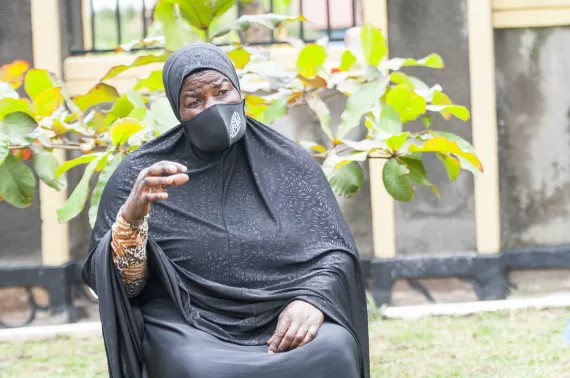
In Mpugwe Village, Masaka, 52-year-old Jemea Nakiyemba is all praises of health workers at the Masaka Regional Referral Hospital who saved her life. Whereas she did not spend a month or two, the three days she was admitted acted as a wake up call for her and her family to implement what the standard operating procedures say.
According to Nakiyemba, five patients died at the time she was admitted at the COVID-19 Treatment Unit. Luckily, she recovered within a short time and the health workers recommended that she recuperates from her home as she continues adhering to the treatment.
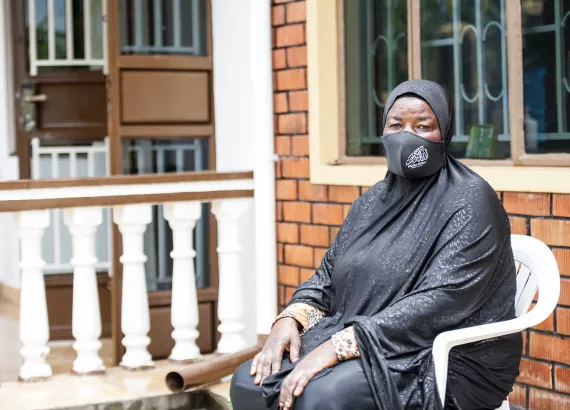
“I was worried that I could lose my breath from home. I was reluctant to return home without any oxygen cylinder. Looking at how the situation was in the unit, more patients coming and seeing some of them die, I was scared. I listened to the health workers who advised me to be positive and reassured me that once I adhere to the treatment, all will be good,” she explains.
Upon returning home, Nakiyemba declined to receive any visitors and printed posters which she placed at her house noting that she couldn’t receive visitors.
Eating fruits regularly, vegetables and reducing intake of sugar and salt as advised by the In-charge home-based care contributed to her total healing. Nakiyemba who has fully recovered can not stop praising the health workers and the home-based care hospital in charge for the guidance, care and regular follow up.
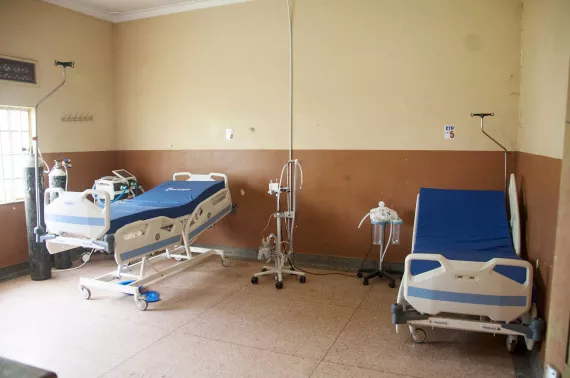
As of 21 October, the COVID-19 Treatment Unit (CTU) was empty and deserted. When you move around this unit, it is evident that the unit was a ‘war zone’ at some point equipped with all the necessary equipment to fight an unprecedented war. Formerly used to treat mental patients, the area was turned into a CTU to treat the increasing number of COVID-19 patients at the time, according to the Hospital Director Dr. Nathan Onyachi. In fact, the hospital established two more centres to respond to the demand.
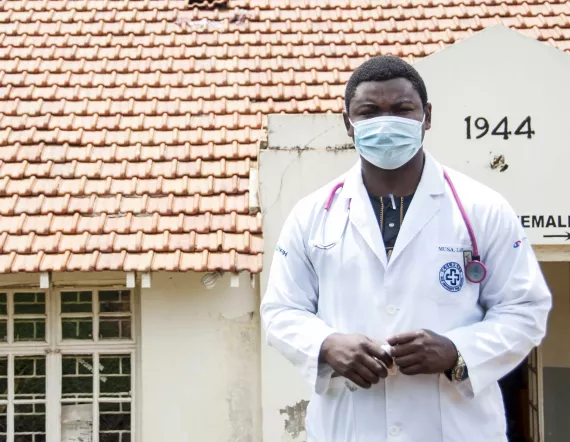
The Head of the CTU Dr. Lawrence Musanya explains that in the first wave, there was a big phobia of the pandemic adding that patients were reluctant to come to the hospital. Even among some hospital staff including health workers, there was fear to treat patients that would test positive. Once the Ministry of Health and other partners including UNICEF provided personal protective equipment for the health workers, the fear reduced. Musanya says that June and July were the worst months for the hospital as the number of COVID-19 positive patients soared.