We Cannot Solve It Alone—But Together, We Become the Solution
“Monitoring child rights is not just about gathering data. It’s about accountability—about giving voice to children and making sure duty bearers act.”
- Türkçe
- English
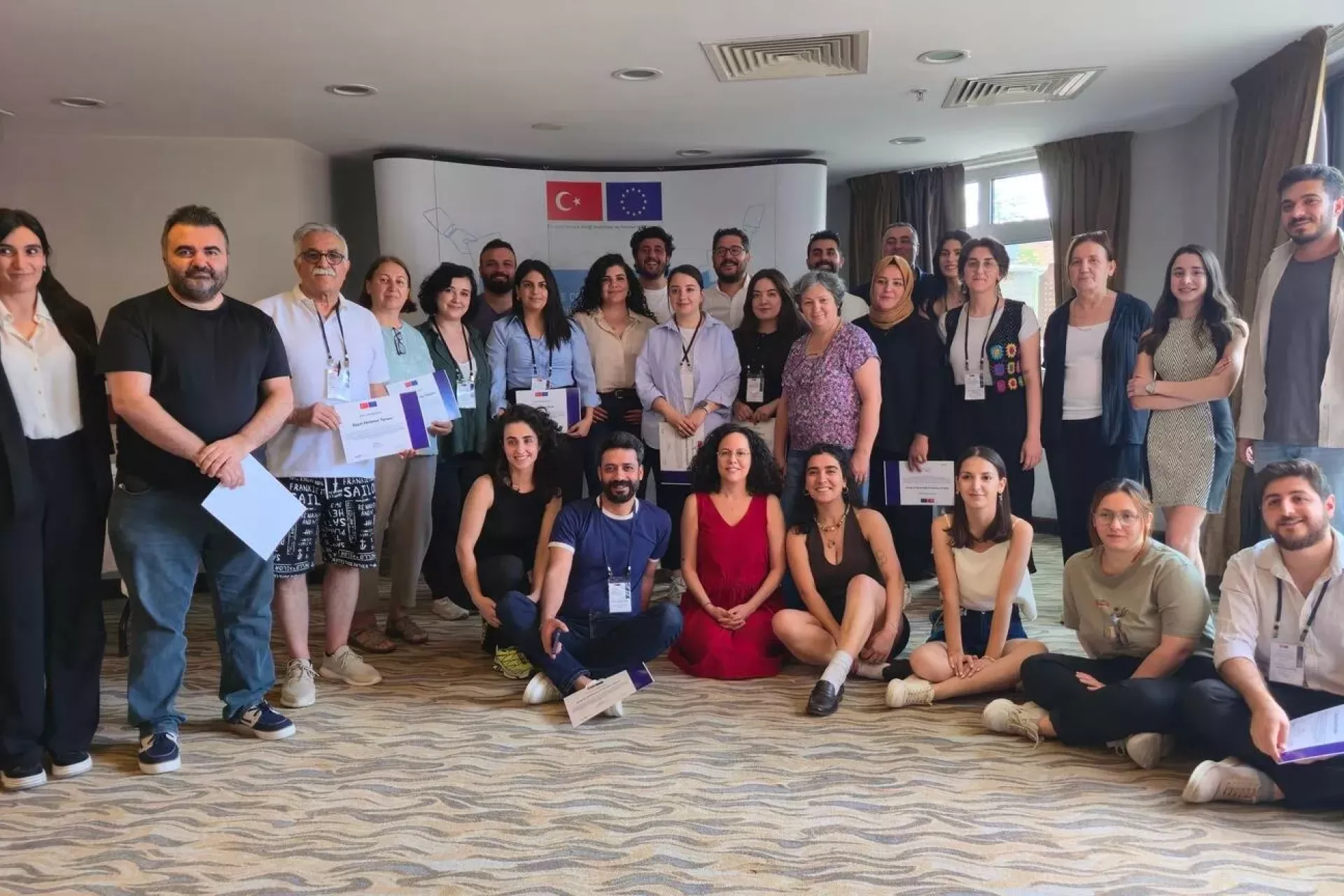
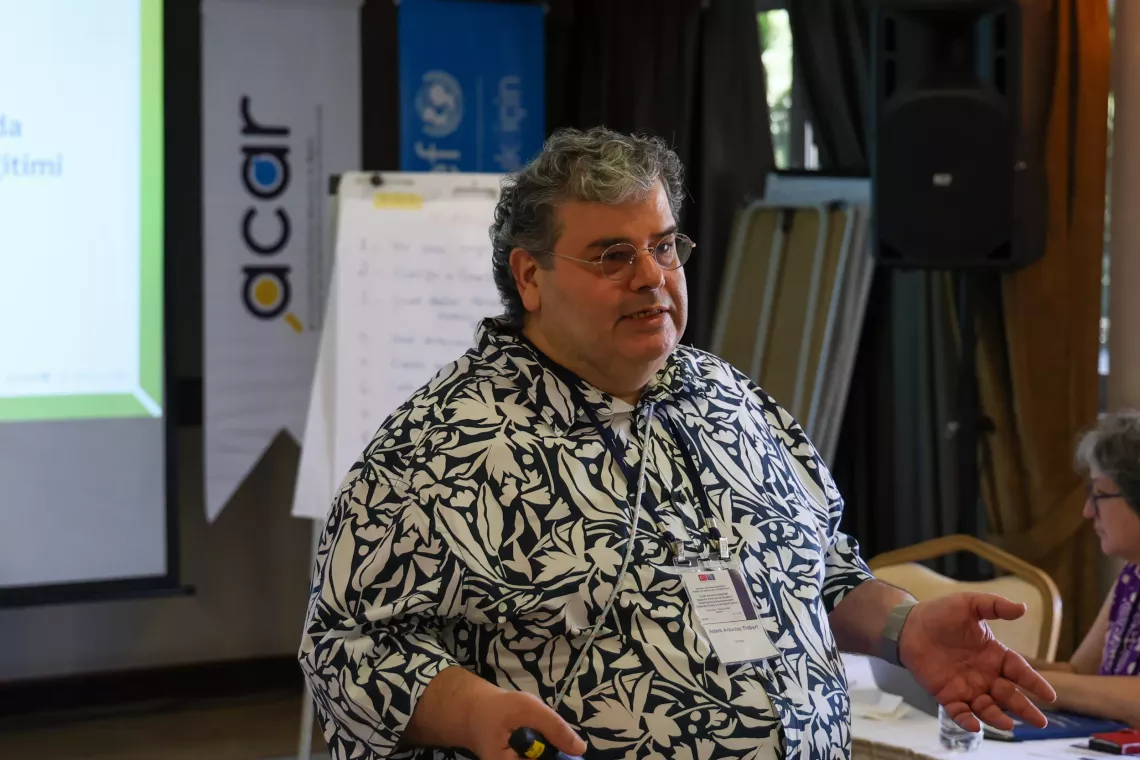
“Monitoring child rights is not just about gathering data. It’s about accountability—about giving voice to children and making sure duty bearers act.” With these words, Adem Arkadaş-Thibert—a seasoned human rights expert and lead moderator—opened a week-long training session held in Ankara in early July.
The training session brought together 51 representatives from 46 civil society organizations (CSOs) across 18 provinces under the umbrella of the Accountability for Children, Advocacy for Rights (ACAR) Programme—a UNICEF initiative funded by the European Union. Its goal is to empower CSOs to monitor and advocate for children’s rights more effectively, especially in the face of violence, exclusion, and discrimination in Türkiye.
From Data to Action
The training programme was developed in response to a national mapping study that revealed a critical gap: many CSOs lacked understanding, tools and frameworks to systematically monitor child rights violations or translate findings into meaningful advocacy.
To address this, the programme delivered an intensive three-module curriculum that integrates global child rights frameworks, practical monitoring and advocacy tools, and a training-of-trainers component designed to cascade knowledge into local communities.
“Our goal is to equip CSOs with skills, knowledge and tools to document violations,” said Adem Arkadaş-Thibert, “and also to empower them to demand the systemic changes that uphold democracy and the rule of law.”
A Shared Responsibility for Change
The ACAR Project is grounded in a simple yet powerful truth: no single actor can safeguard children’s rights alone. Civil society serves as a vital, independent voice—standing with children and pushing decision-makers to act.
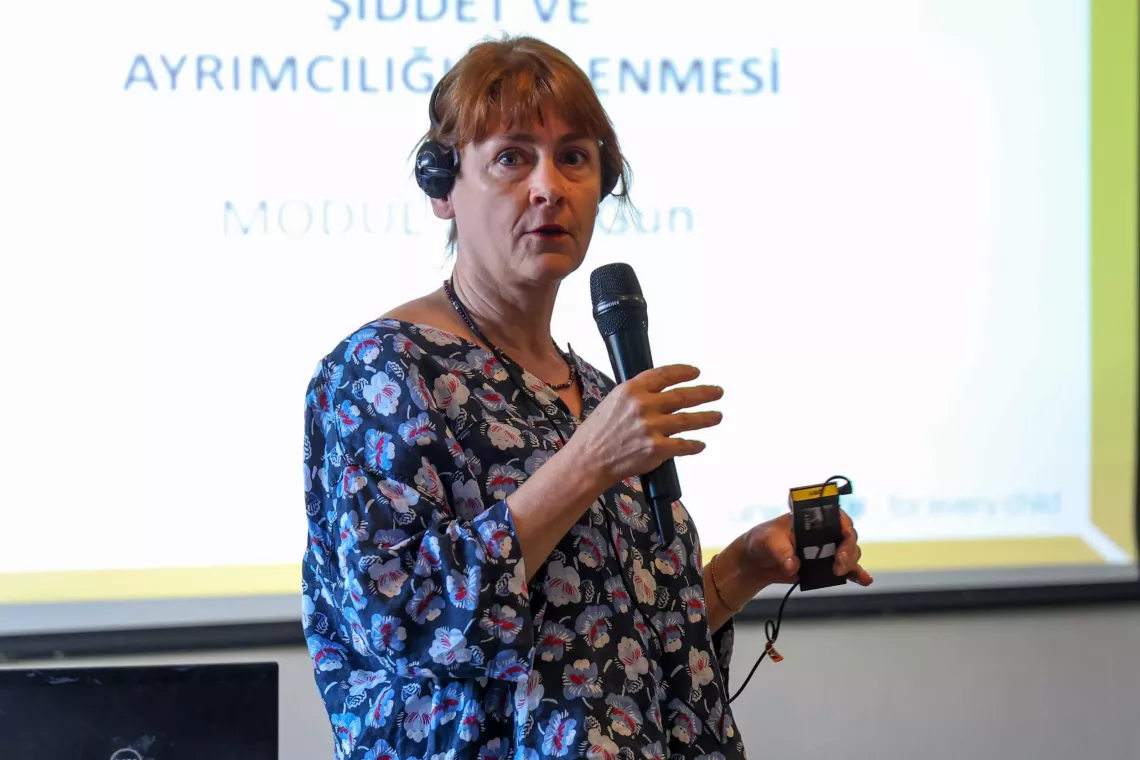
According to Séverine Jacomy-Vité, Senior Child Protection Consultant, it is vital that civil society continues to be a proud, independent voice. “This training is just one way we support CSOs to hold duty bearers accountable and advance social progress.”
Representing Diverse Voices
The participating organizations included youth-led groups, associations focused on the rights of Roma children, organizations working with and for children with disabilities, CSOs engaged in child justice, and those championing the empowerment of women and girls. Their presence reflected the diversity and intersectionality of child rights issues across the country, bringing rich perspectives and lived experience to the training room.
Voices from the Field
Participants came from diverse regions and communities, but all shared a common purpose: to better serve the children they work with every day.
“It helped us apply international standards locally. More importantly, it gave us tools to address the complex discrimination these children face.”
— Fatma Coşkun Caymaz, Dom Research Foundation
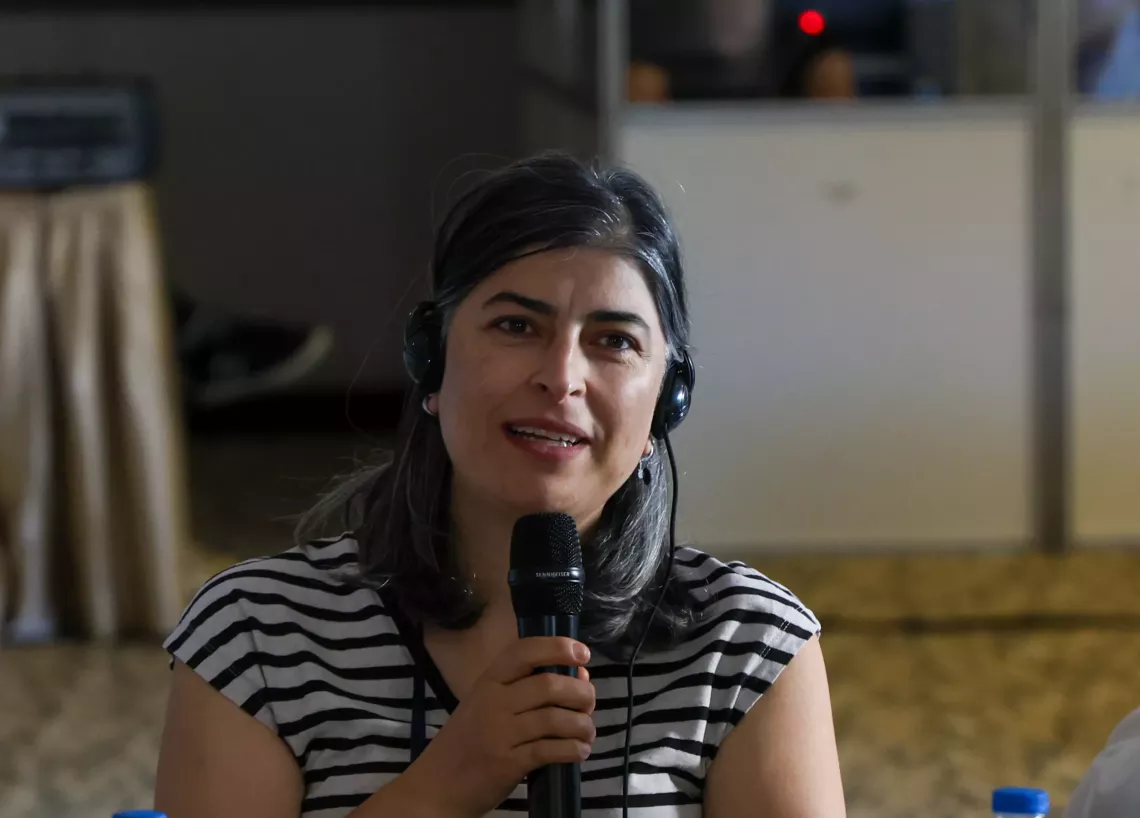
For Mehmet Tursun of the Baran Tursun Foundation, the ACAR Programme offers new ways to work with data and deepen collaboration with authorities.
“It strengthens our evidence-based advocacy and helped build better partnerships with key stakeholders.”
Voices of Strategy and Change
For younger participants like Dilan Orak—a lawyer and human rights defender—the training reinforced the importance of using strategic tools to defend children’s rights.
“Advocacy is not just about making your voice heard. It's about using the right language, gathering reliable information, and knowing how to navigate legal and social mechanisms effectively. That’s what makes change possible.”
— Dilan Orak, Programme Participant
Towards a Sustainable Impact
The ACAR Programme is designed not just to inform—but to transform. By training CSOs as both advocates and mentors, it creates a multiplier effect—spreading knowledge, strengthening coalitions, and fostering a more resilient civil society.
Already, trained CSOs are mentoring smaller organizations and facilitating knowledge-sharing networks that span across Türkiye. These efforts are laying a strong foundation for long-term, community-driven change.
Looking Ahead
Beyond strengthening individual capacity, the programme has fostered new synergies among participating organizations. CSOs now hold the tools and confidence not only to act locally with greater impact, but also to collaborate across regions—building a stronger, more cohesive child rights network in Türkiye.
Equipped with rights-based monitoring frameworks and deeply rooted in community realities, these organizations are emerging as a vital pool of expertise—ready to shape future efforts and partnerships for systemic change.
As UNICEF and the European Union continue their partnership, the ACAR Programme stands as a powerful testament to what is possible when communities, civil society, and institutions unite to protect and promote children’s rights. Because we cannot solve it alone—but together, we become the solution.