A New Step for Children's Rights: A Hopeful Start to 2026
On Human Rights Day 2025, UNICEF joined the Ombudsman Institution and key partners to close the year with a milestone—the launch of the new Child Rights Strategy

- Türkçe
- English
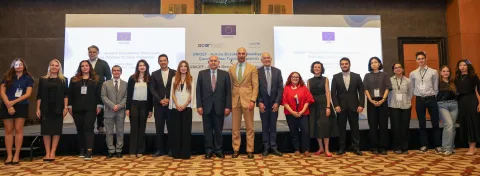
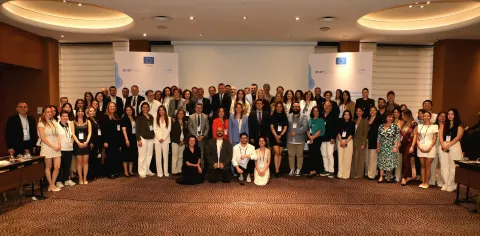
On December 10th, Human Rights Day, UNICEF Türkiye joined the Ombudsman Institution and civil society partners in Ankara to mark a new step for children’s rights: the launch of the Ombudsman Institution’s Child Rights Strategy. Held under the EU-supported Children’s Accountability and Rights Advocacy (ACAR) Project, the event brought together public institutions, civil society organisations and young people around a shared goal — strengthening accountability mechanisms for children.

The launch marked not only the close of the year, but a beginning. The new strategy aims to make children’s rights more visible within public oversight, while promoting child-friendly complaint mechanisms and structured dialogue with civil society and youth.
Throughout the day, participants explored how cooperation between independent institutions and civil society can help address violations of children’s rights more effectively. Discussions focused on national and international practices in monitoring children’s rights, handling complaints and ensuring that children can access justice in ways that are understandable, inclusive and responsive.
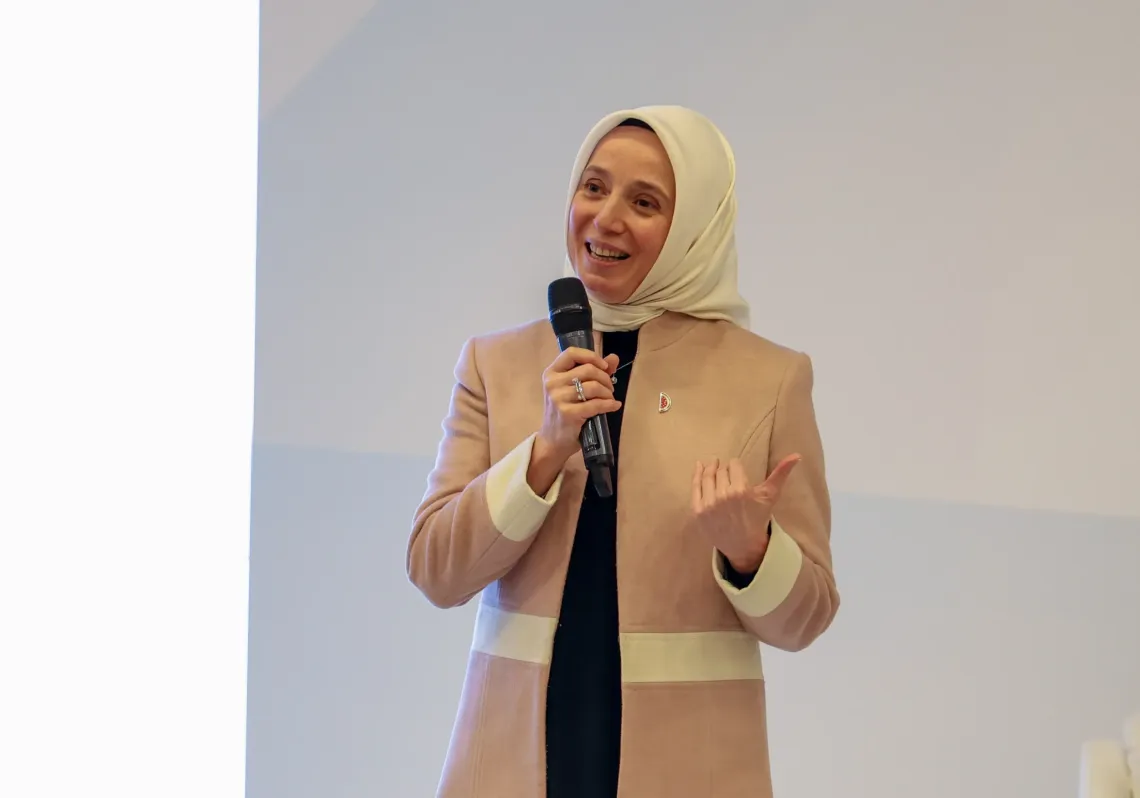
For Ombudsperson Fatma Benli Yalçın, direct access to such mechanisms is empowering for children. “Children learn how to seek justice, and they feel valued. Knowing there is a place they can turn to increases their trust,” she said, noting that child-friendly language and approaches help build trust and participation.
Civil society representatives highlighted how this cooperation is especially critical for children facing multiple forms of disadvantage. Challenges such as access to education for Roma, Dom and Abdal children, risks faced by children with disabilities, and discrimination affecting children in alternative care were raised as areas requiring sustained, collective action.

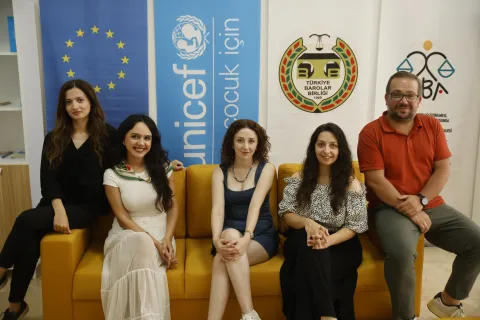
Young people played a central role in the event, sharing their experiences and expectations during panels and a dedicated youth workshop. As 16-year-old Eray, a member of a local children’s rights committee, put it, “We want our voices to be heard — but we also want our words to be taken into consideration.”

The event demonstrated the unique convening power of the ACAR project in uniting civil society, independent institutions and UNICEF around a common agenda: making children’s rights visible, actionable and accountable. It emphasized addressing intersecting challenges —justice, protection, discrimination and digital risks—requires coordinated action, independent monitoring and child-friendly mechanisms.
The event concluded with a renewed commitment to cooperation among public institutions, civil society and international partners. The launch of the Child Rights Strategy marked a hopeful starting point — towards a system where children’s rights are protected through shared responsibility, transparent oversight and inclusive, child-centred approaches across Türkiye.