Voices of the displaced
The mental health impact of Sudan's war on children
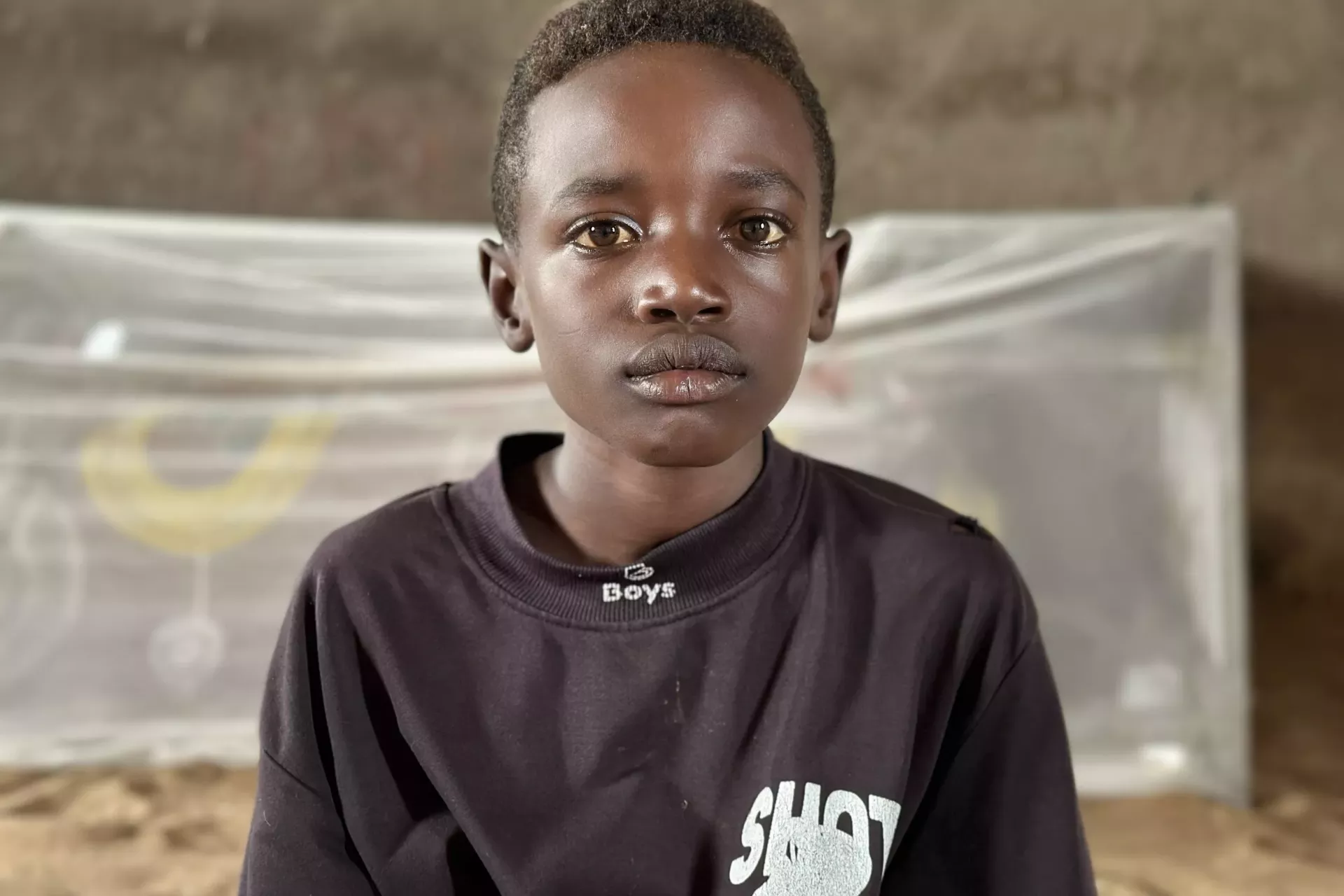
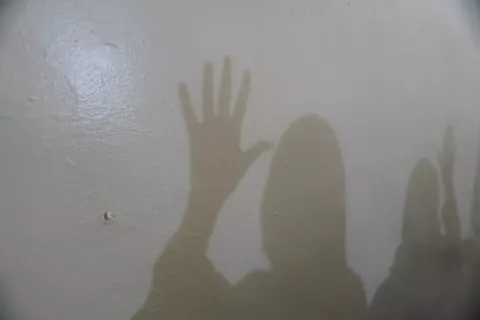
Today, sadness, fear, and hopelessness overwhelm most of the children in Sudan. For over a year, many have witnessed firsthand the devastating impact of the ongoing war, including violent scenes that no child should ever see.
This prolonged exposure to conflict is causing severe emotional stress, leading to lifelong mental health and psychosocial issues.
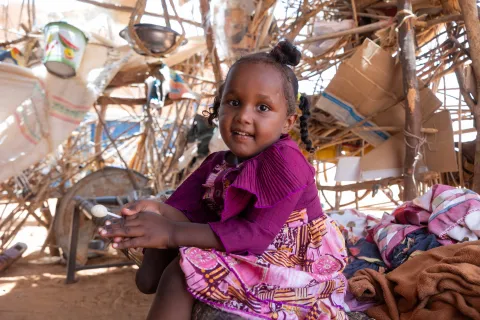
In Tawilla, displaced children from El Fasher share their stories and fears.

Mohamed, 10, stares into space as he recounts the impact this war has had on his life. Today, he is unsure where to call home and wonders how much more the war will take from him.
“How much more will I lose?” he asks.
“We’ve moved four times now after spending over a month on the road.”
But the greatest loss he will struggle with for the rest of his life is that of his loved ones. “I lost my mother, my sisters, and my friends in this war.”
In El Fasher, Mohamed witnessed it all: “I saw explosions, warplanes, and all kinds of weapons.”
Despite the pain, Mohamed continues to dream. He longs for a better, safer world where he can continue his studies.
“I know that education can change my life and help me become a better person.”

Adam, 9, is exhausted by the war and displacement. His family struggles daily to make ends meet.
“My family doesn’t have enough,” he says.
“We need mattresses, clothes, food, books, notebooks, and teachers so we can learn.”
Adam hopes the war will end soon and that the warplanes won’t find them. Despite their daily struggles, in Tawilla, they have found some peace and a break from the gunfire since they arrived.
“We want peace so we can become engineers or teachers,” he says with hope.
“I wish world leaders would come here, greet me and the people of Tawilla, and help us achieve peace and stop the war.”
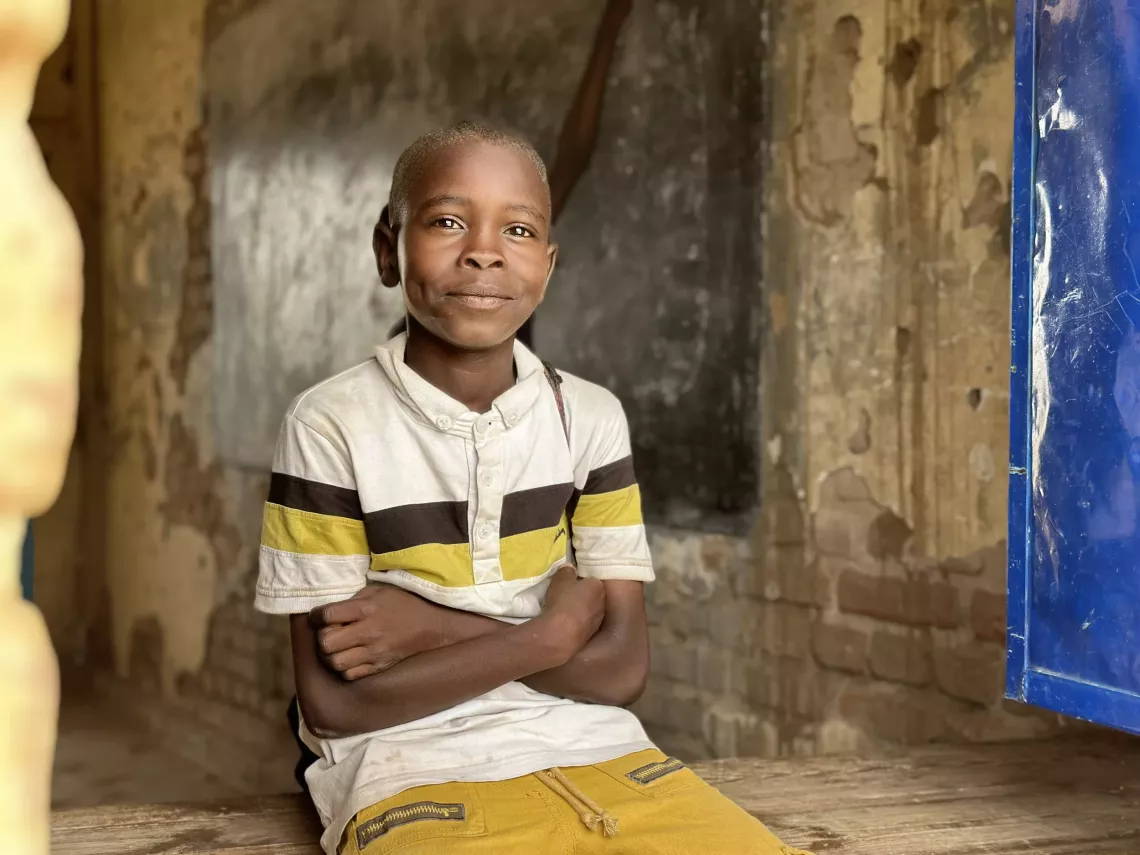
Becoming a teacher has always been Abubaker’s childhood dream.
“There is someone teaching me now, so if I become a teacher, I can teach children, and they can teach others.”
But as the fighting drags on, his dream is fading. His education has been repeatedly interrupted, and life’s daily challenges make him worry about tomorrow.
“Sometimes we have food, but many times we don’t. Everything around me is difficult.” Yet, amidst these challenges, he remains hopeful. “I will endure and be patient until we can return to my city and my home.”
Like many other children in Sudan, Abubaker has not only lost loved ones but also his most treasured possessions, including his home.
“I lost my friends and my grandmother in this war. We have nothing left,” he says.
“We need help.”
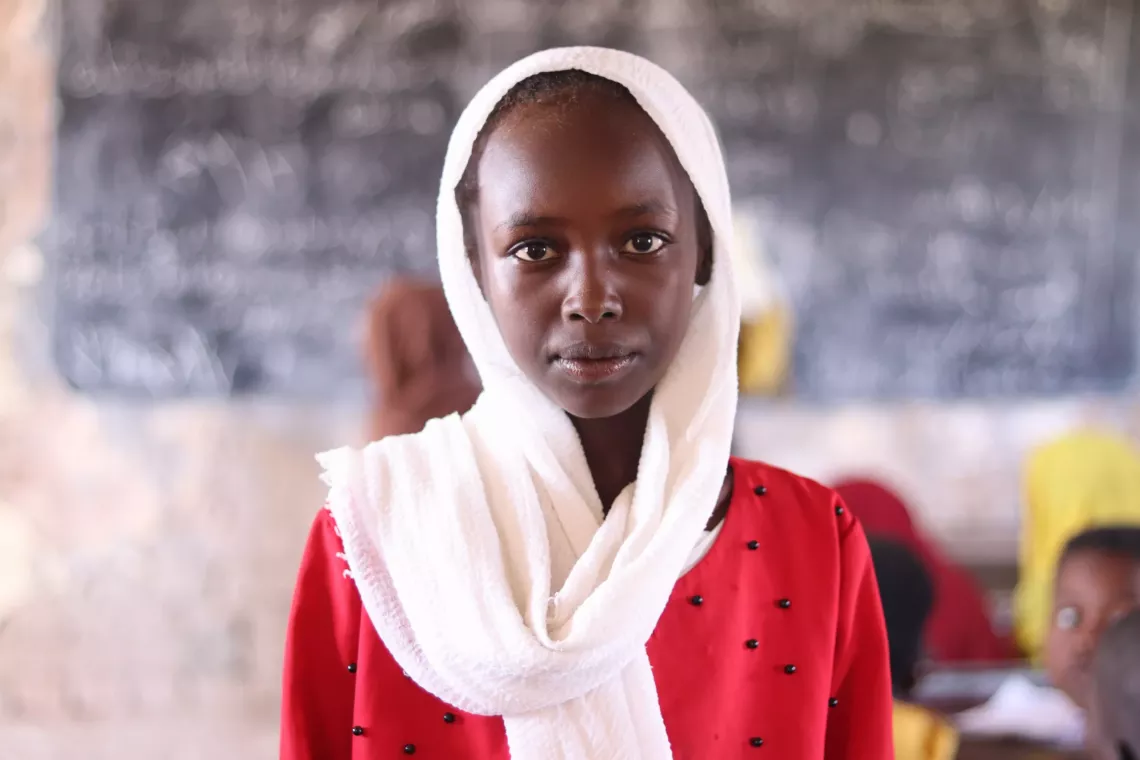
Waad, 10, is struggling with the pain of losing her father.
“I tried to forget the pain, but I couldn’t,” she says.
“The pain of loss grows for my siblings and me. Everyone here tries to help us, but it’s unbearable.”
Waad and her father used to talk about and plan for a bright future for her and her siblings. Today, instead, they focus on just surviving each day.
At school, Waad spends more time studying science, believing that it will pave the way to becoming a doctor, a profession she now admires.
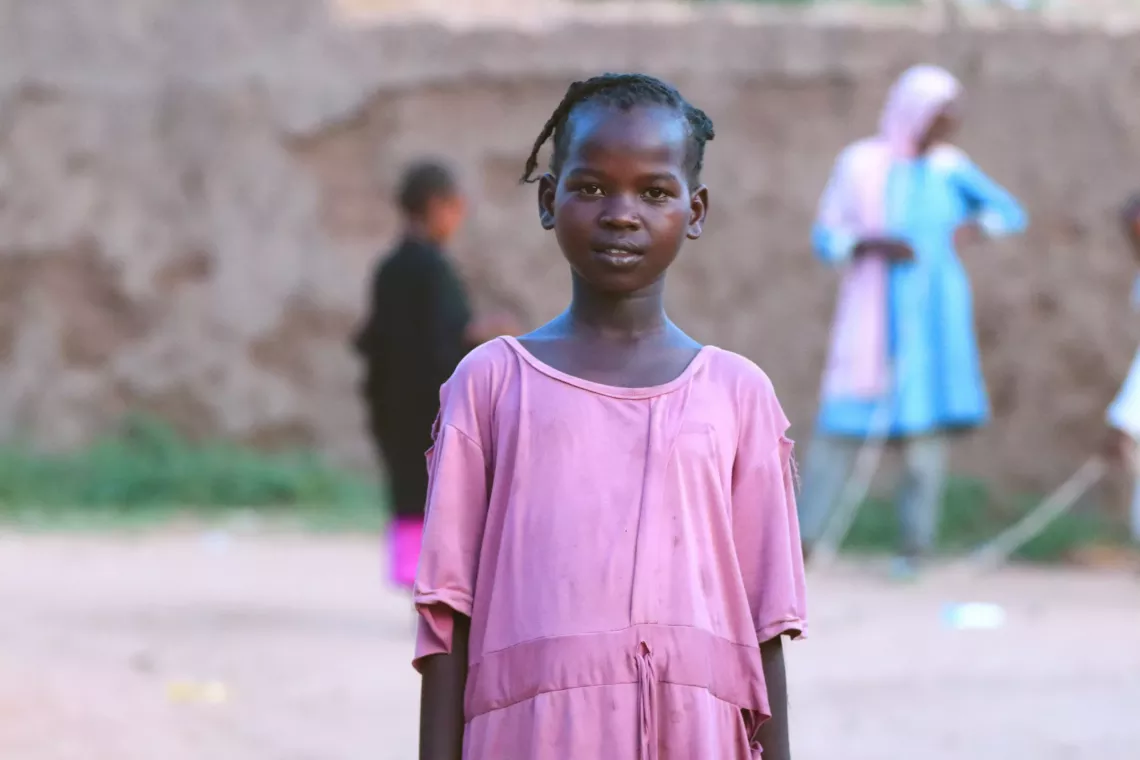
Ijlal, 12, fears the shelling will follow them wherever they go if the war doesn’t stop.
Every day, she reminisces about life before April 15, when the war started.
“We used to live happily, but now I miss my friends. I lost my uncle, too.”
Although Tawilla is safe, Ijlal looks forward to returning home to El Fasher and going back to school.
“My dream is to become a teacher. We need notebooks and pens so I can revise what I learned before,” she says.
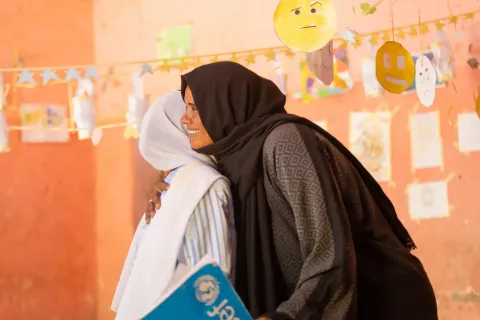
As part of its emergency response, UNICEF in Sudan is prioritizing psychosocial support to help strengthen the resilience of children and their families. Mental health and psychosocial support (MHPSS) are essential for improving the well-being of children affected by humanitarian emergencies, helping them cope with adversity during and after the crisis.