UNICEF and partners deliver lifesaving aid across conflict lines
Essential supplies reach children in need in South Kordofan

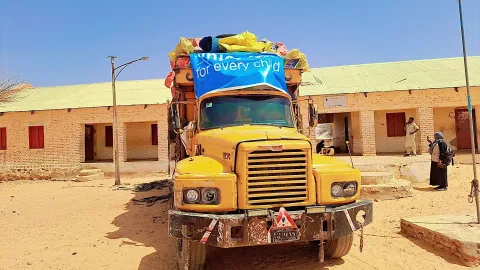
A UNICEF-led humanitarian aid convoy crossed four conflict lines for the first time and reached four towns in South Kordofan State, Sudan, yesterday. The seven trucks from UNICEF and its partners, Save the Children and LM International, delivered 210 metric tons of lifesaving health, nutrition, education, water and sanitation supplies to Dbeibat, Dilling, Kadugli, and Kurgul. These areas have been isolated for months due to the ongoing conflict.
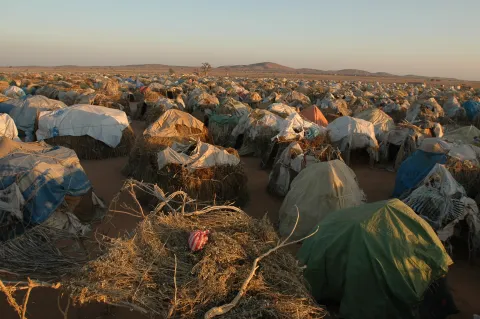
Movement across conflict lines has in many places been severely restricted and, in some cases, suspended. The limited safe and sustained movement of humanitarian supplies and personnel has severely hampered the ability of UNICEF and its partners to deliver essential supplies and services. This has worsened the general living conditions and put children’s lives, health, and wellbeing at grave risk.
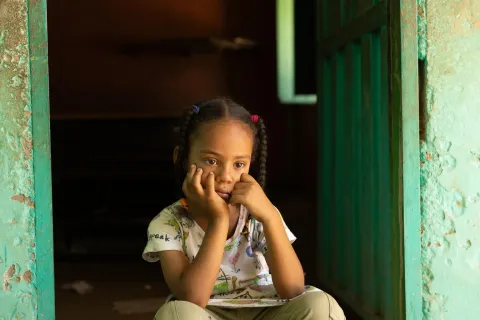
“Children pay the highest price when communities are cut off from lifesaving supplies and services,” said Sheldon Yett, UNICEF Representative to Sudan. “Limited or no access to clean water, sanitation, food and healthcare services creates a breeding ground for diseases and malnutrition.”
In South Kordofan, the nutrition situation has deteriorated to alarming levels. Parts of Dilling and Kadugli were listed among areas at risk of famine, according to the Integrated Food Security Phase Classification in June 2024.
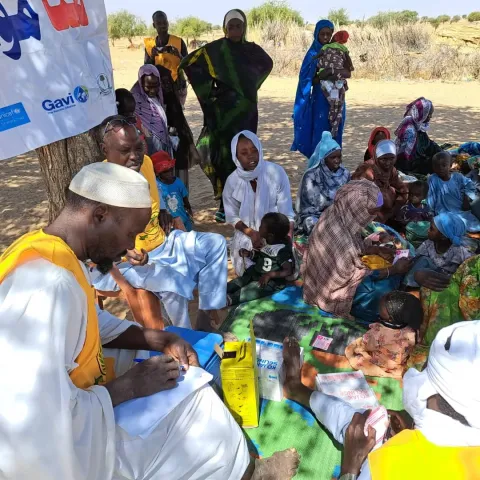
UNICEF and partners are ready scale up to respond to the worsening situation and provide more lifesaving support, including the delivery of critical vaccines and medicine, clean water, hygiene and sanitation supplies, and ready-to-use therapeutic food to treat malnourished children. An integrated response is critical to save children’s lives and strengthen the communities’ resilience.
“Our commitment to stay and deliver is unwavering, but we need sustained, safe and unimpeded access to reach children where they need us the most,” said Mr Yett.