Three years into a devastating conflict, there is a rare piece of good news for children in Sudan.
The country’s childhood immunization programme is recovering.
New data shows that coverage of the DTP3 vaccine, a key marker of immunization coverage, increased from 39 per cent in 2024 to 71 per cent in 2025. Coverage of the first dose of the measles vaccine also rose from 46 per cent to 68 per cent.
Behind these numbers are millions of children with a better chance of being protected from life-threatening diseases.
This progress is particularly meaningful because it comes at a time when so many children and families in Sudan continue to face unimaginable challenges. Conflict has displaced families, damaged health facilities and disrupted the services that communities rely on. For many parents, something as simple as taking a child for a routine vaccination became increasingly difficult.
When the conflict erupted in April 2023, Sudan's immunization system was deeply affected. Health workers were displaced, facilities closed or became inaccessible, and the routes used to transport vaccines across the country were disrupted.
By 2024, immunization coverage had fallen to some of its lowest levels. Behind every child who missed a vaccine was a family facing another layer of uncertainty and a child left vulnerable to diseases that we know how to prevent.
But Sudan's immunization programme did not stop.
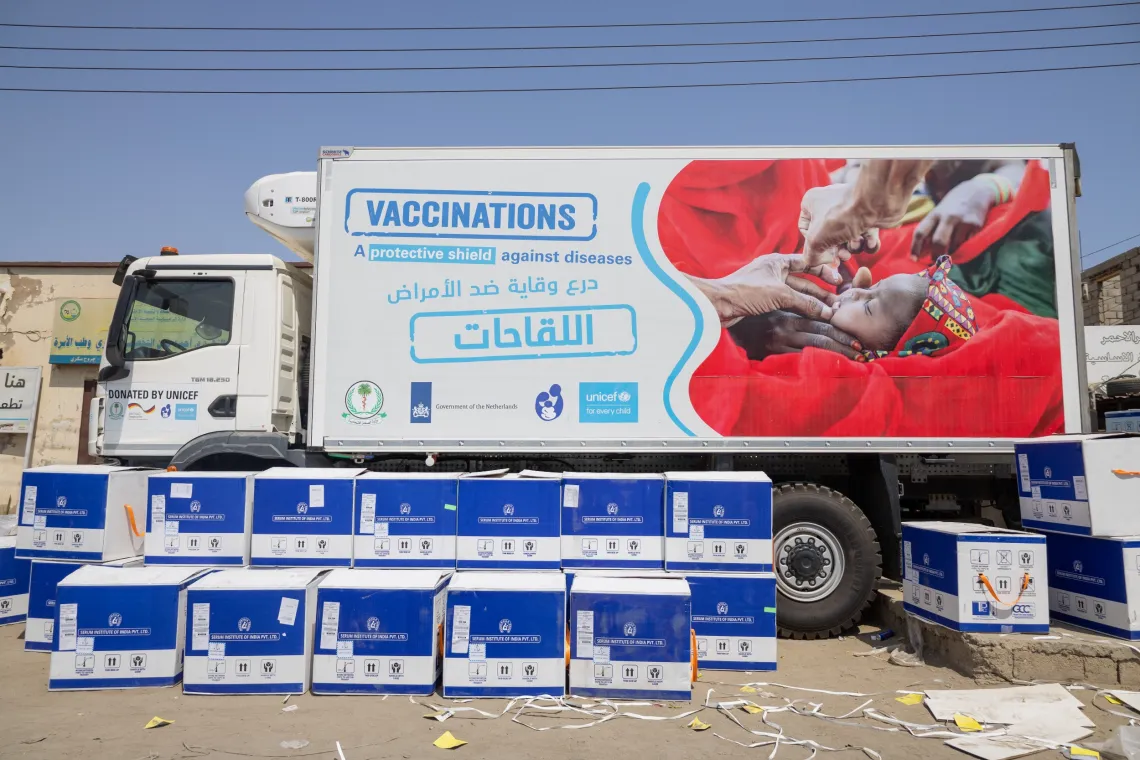
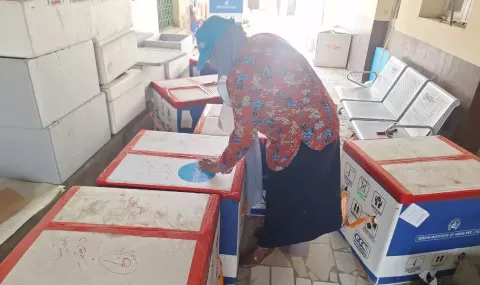
The recovery has been driven by Sudan's Expanded Programme on Immunization Emergency Plan, led by the Federal Ministry of Health with support from Gavi, the Vaccine Alliance, WHO, UNICEF, and other partners. Together, we have worked to restore routine vaccination services, strengthen vaccine supply systems and find new ways to reach children in hard-to-access and conflict-affected communities.
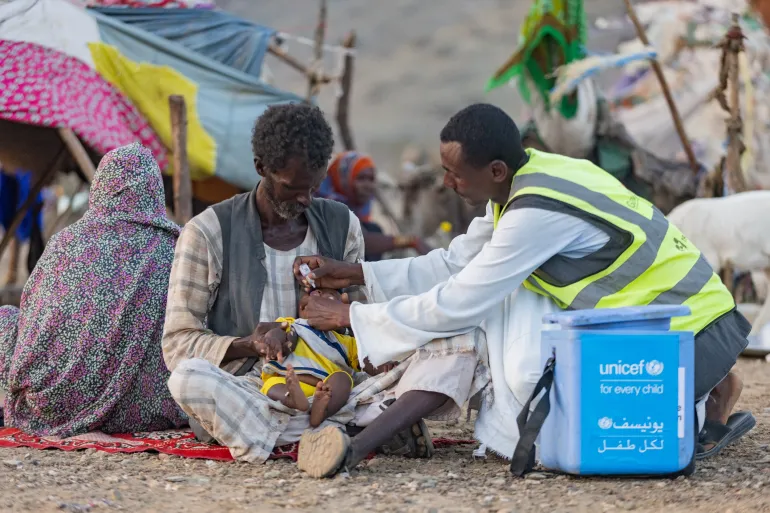
When traditional supply routes were disrupted, alternative routes had to be found. A cross-border mechanism through Chad helped deliver vaccines and immunization supplies to conflict-affected areas. Outreach and mobile teams brought services closer to communities where families could no longer easily reach health facilities.
But systems and plans alone do not vaccinate children.
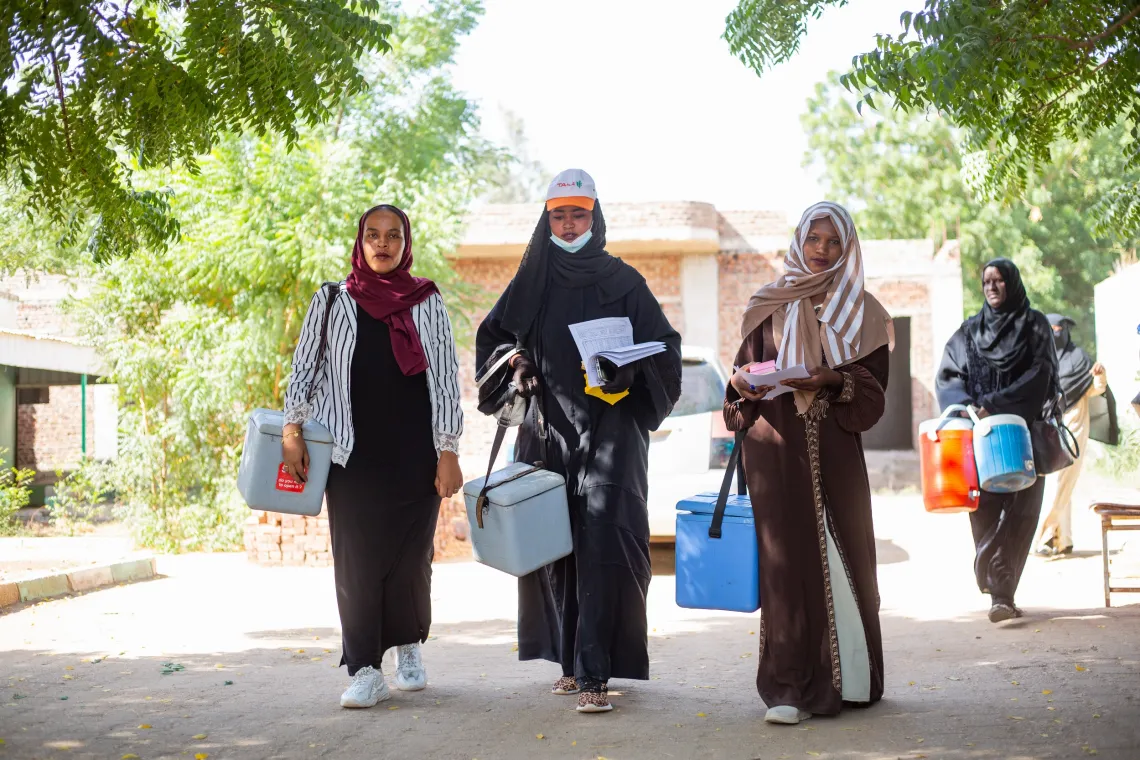
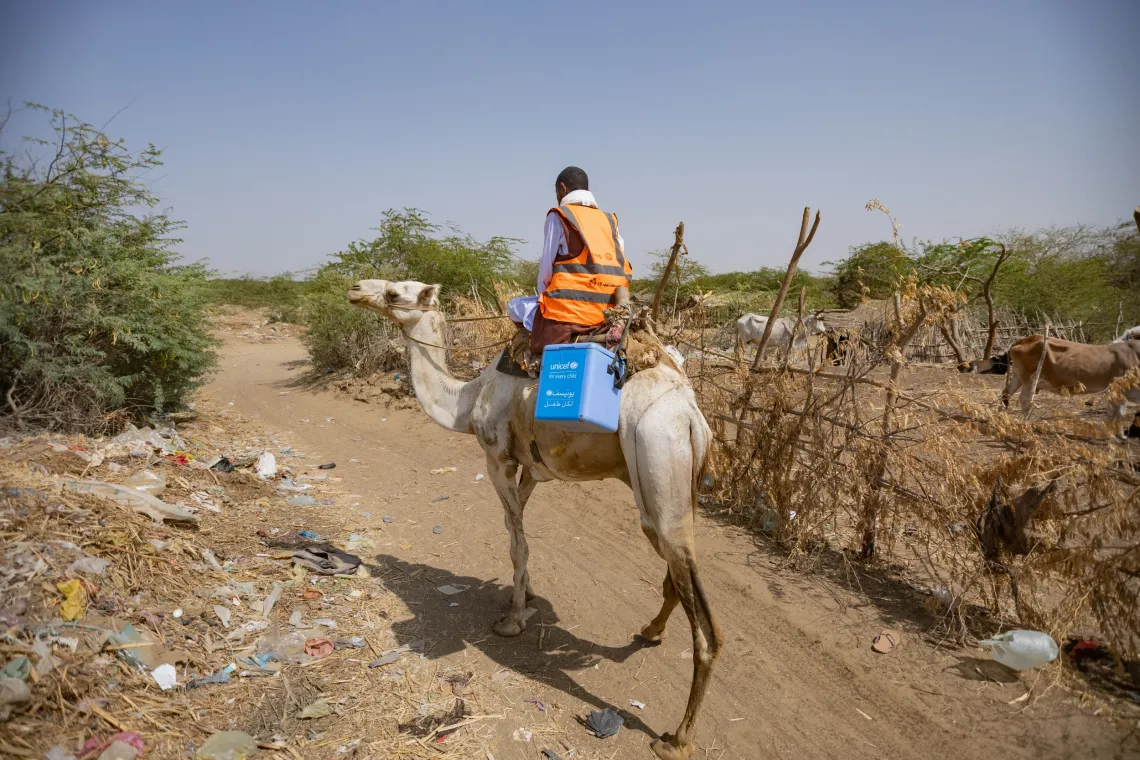
Behind this recovery are health workers who continue to serve their communities under extraordinarily difficult circumstances. There are supply teams finding ways to move vaccines across disrupted routes. There are local health authorities coordinating services in the midst of a crisis. And there are parents and caregivers who continue to bring their children for vaccination, despite the many challenges they face.
Every vaccine delivered tells a human story.
It is a child protected from a life-threatening disease. A parent who can feel reassured that their child is safer. A health worker who has not given up on the children in their community.
This progress is encouraging. But it is also fragile.
Millions of children continue to face barriers to essential health services due to insecurity, displacement and damaged health infrastructure. Many children remain unprotected or have missed some of the vaccines they need. Sustained humanitarian access and continued investment will be essential to build on the progress made and reach every child, particularly those living in conflict-affected and hard-to-reach communities.
Vaccination remains one of the simplest and most effective ways to protect a child. But the recovery of Sudan's immunization programme is about more than vaccines.
It is about rebuilding a connection between families and the health services they depend on. It is about restoring systems that protect children. And it is about showing that even in the midst of conflict, progress is still possible.
The task now is to sustain this momentum and ensure that every child in Sudan, wherever they live and whatever circumstances they face, has the opportunity to receive the vaccines they need to survive and thrive.