

Water is your right
Adequate access to water, sanitation and hygiene is essential for children’s wellbeing
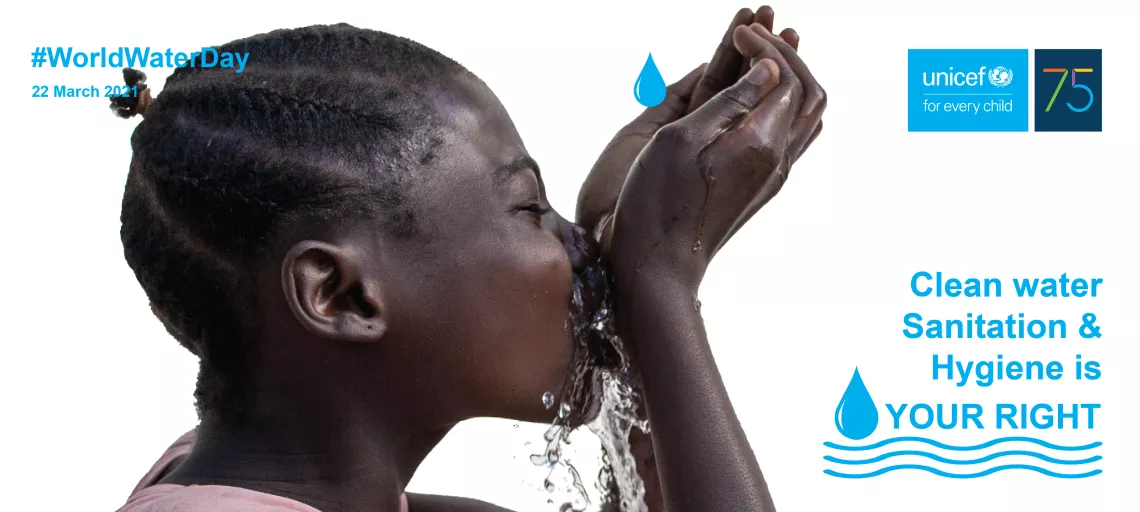
The world is in a water crisis, and children’s lives and futures are at risk.
As children spend a significant part of their day at school, it is essential for their health and their wellbeing to have access to water. A lack of safe water, sanitation and hygiene (WASH) affects more than just children’s health. It affects their physical development, education, and reduces livelihood opportunities for their families and communities, leading to migration, conflict and even child labour.
Access to water services allows children to spend full days at school, increases retention improves children’s health and secures dignity, especially for girls.
Safe water access in schools is good for cognitive functions and attention, improved health, more time in the classroom to learn, increased safety and dignity, better teacher retention, and improved access to education.
Messages from young women in South Sudan
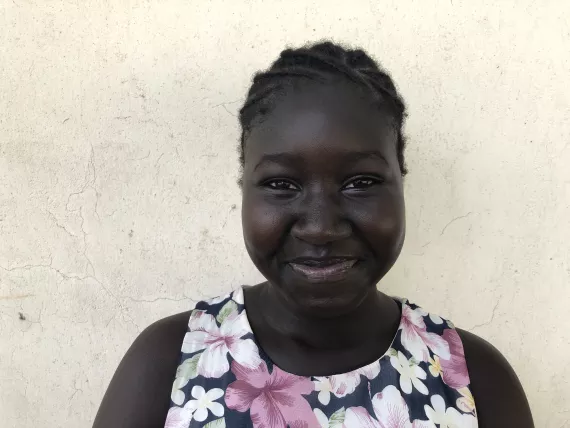
Water
By Yar Machar Aciek
Water is one of the most important resources in our daily life. And we do many things with water like drinking, cooking, washing etc.
But in South Sudan, we don't really have good clean water and most of the children fall sick because of dirty water. When we look at some sides of the river, we find wastes and garbage are being thrown in water. People also urinate and defecate on water. And I don't really see it right because it's making us get sick. And also in the issue, we need the help of the government to prevent people from destroying water in South Sudan.
Health is very important for everyone and if we work together, we can have healthy clean water.
Water, the gift of life
By Christine Saida
Water is a source of life. Water is our everything. Without it, we have nothing completely, no crops l, no food, no survival, no life. Together, we must protect it.
Water is the liquid of life. Water is a necessity of life. Without it, we have nothing completely; Famine, drought and diseases shall conquer our land and damage our soil, plants, animals and humans. All need water to survive. Save water, save lives, save the world.
However, water is not just there and pure, our water is quite limited. We must learn to conserve and take good care of it. Just start to be more aware, then everything will get better.
When water is polluted, life cannot be endured, because every drop holds a valve. Every drop holds life. Together, we must ensure water for the future, because water is the gift of life and a valuable drop that holds life and our planet Earth. Just start to be more aware, then everything will get better.
Save your water, save lives, save planet earth.
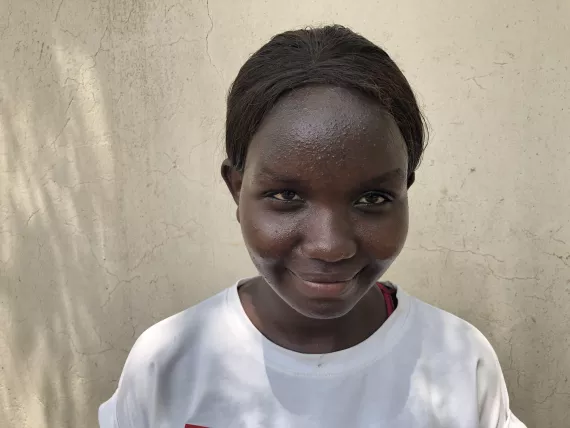
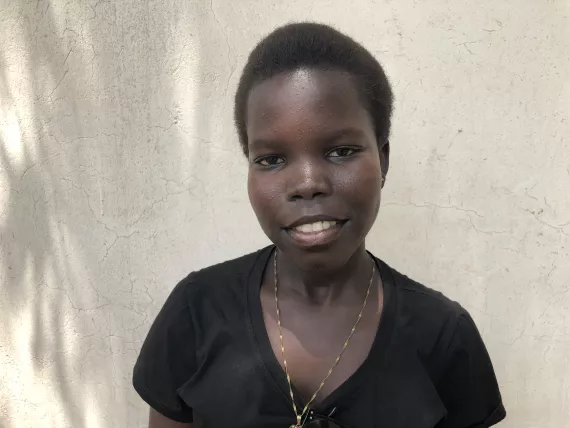
Water
By Zikra Gibriel
Oh, water people think you are just a liquid to drink when we are thirsty. Your advantages and importance are very plenty. Yeah, you are liquid, colorless and tasteless but necessary for life.
Water, water, water.
We get water from rain, rivers, streams and dams. Farmers, also you fend your young green plants. This blessing results in trees bearing fruits. Families use it for domestic purpose, we drink it when we are thirsty.
We use water to kill germs, but why do we keep it dirty?
Water, water, water.
In your absence, it's a must for every work to stop. People search for you just to get some drops. When we get nervous, angry, in trouble we take water. Almost everything we do, everything. We require water. Let us try to keep waters clean and free from garbage and anything that makes it harmful.
Let us make waters useful.
UNICEF brings water to schools in South Sudan
402 new boreholes have been established and 321 latrines have been rehabilitated or constructed in schools in the past five years. Access to water, sanitation and hygiene services allows them to stay in the classroom for the entire day and get the most out of their education.
Hygiene promotion is an integrated part of the UNICEF WASH in Schools programme. Also, hygiene clubs teach students how to stay healthy and helps take the stigma out of girls having a monthly cycle. These children become agents of change in their communities and teach their families and neighbours good hygiene practices.
Immerse yourself in WASH stories
Follow us on social media and help UNICEF advocate for political commitment and policy change for Water Security for All.