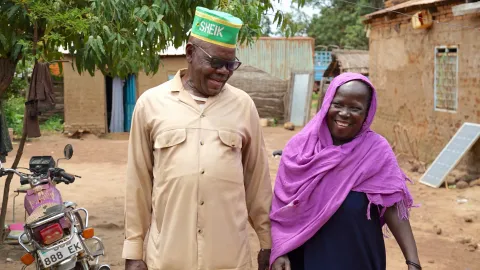
From Silence to Strength: How Lokoloko is building safer communities for women and girls
a community-led initiative is challenging harmful norms and building safer spaces for women and girls, one conversation at a time.

Wau, South Sudan – In the quiet neighborhood of Lokoloko, a powerful transformation is underway. For years, harmful social norms shaped how communities responded to gender‑based violence (GBV). Silence, shame, and stigma often surrounded survivors. But today, thanks to the Communities Care programme, supported by UNICEF and funded by UKAID from the UK Government, that silence is being broken.
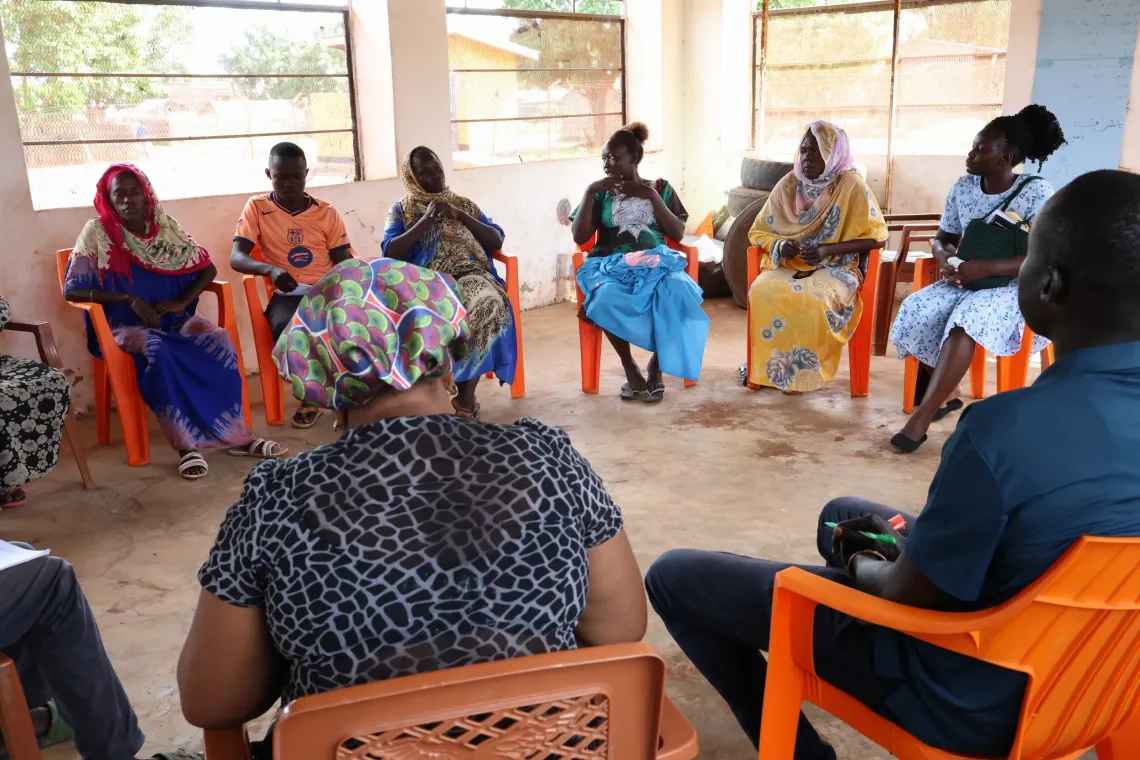
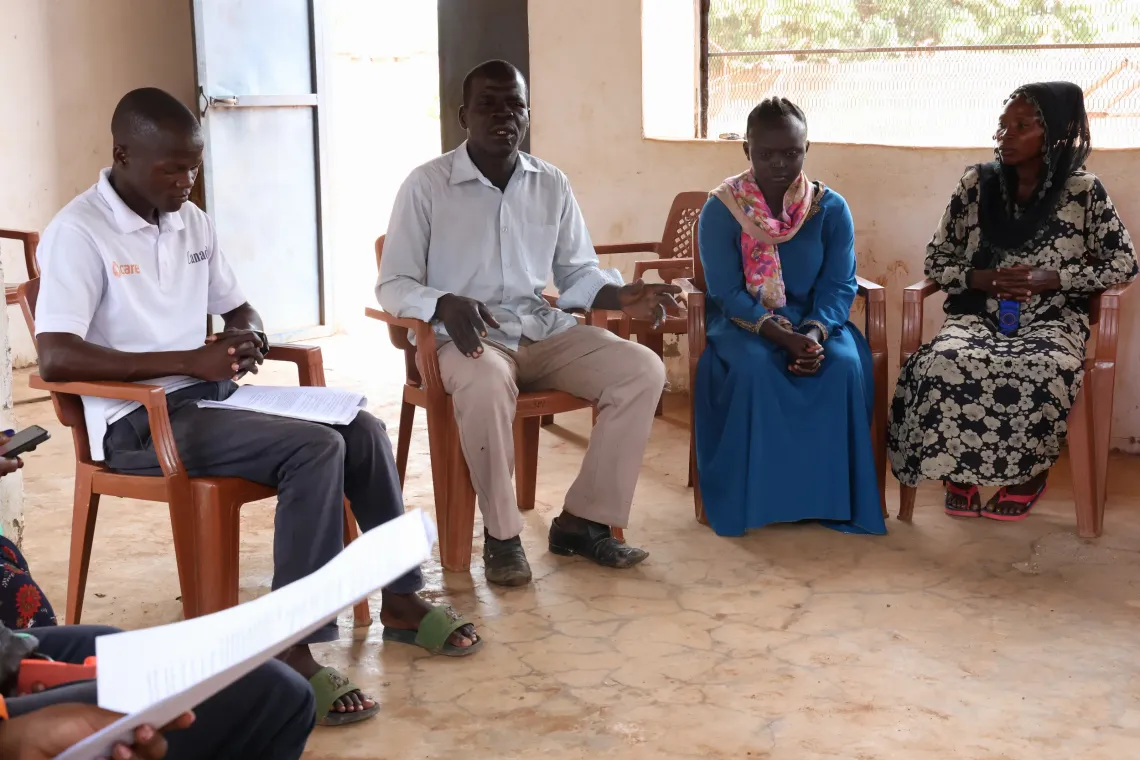
In shaded courtyards and community halls, neighbours gather not to mourn, but to mend. Relaunched in 2024 across nine locations in South Sudan, the programme engages local leaders, women leaders, teachers, police, youth, and religious figures in guided dialogues.
Over 13 weeks, 96 community members in Lokoloko participated in structured sessions led by trained Community Discussion Leaders (CDLs). These sessions combine dialogue with practical exercises:
- Exploring human rights and gender equality concepts
- Roleplays on how to respond to violence safely
- Collective problem‑solving to challenge harmful beliefs
- Developing Community Action Plans to address issues like early marriage, domestic violence, and gender inequality
This mix of theory and practice ensures communities don’t just talk—they act.
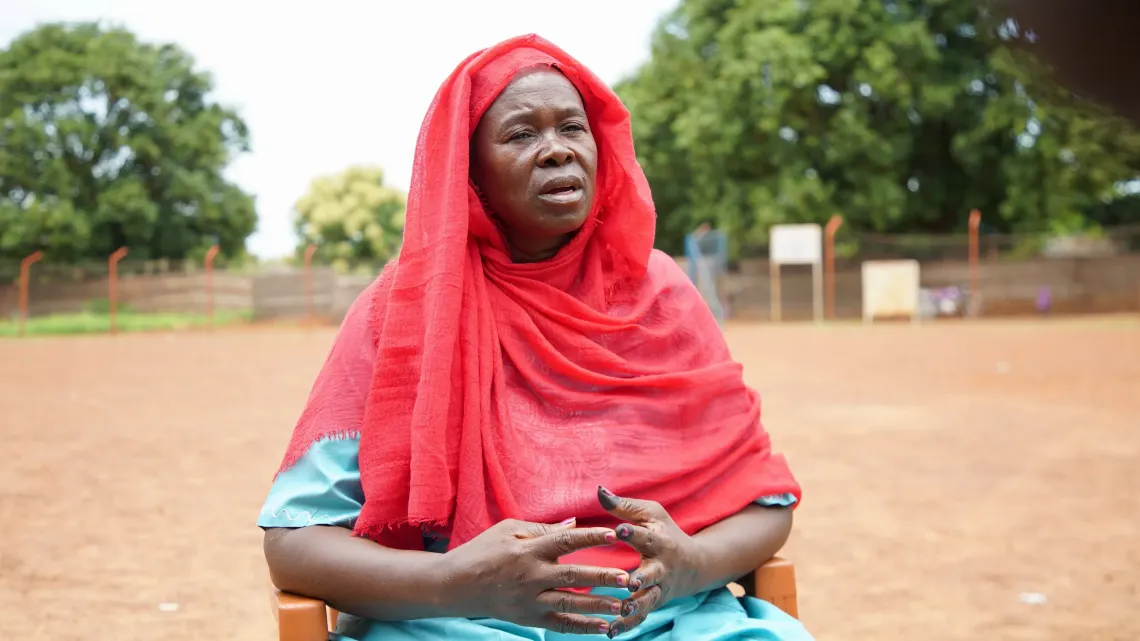
We used to think that if something bad happened, like rape, you just kept quiet. Now, I know I must sit with the victim, advise her, and help her seek justice. This programme opened our eyes.
Rebecca is one of many community members who have undergone a personal transformation. She now speaks openly with her children, especially her daughters, about health, independence, and education. Despite setbacks, her daughter dropping out of school and facing early pregnancy, Rebecca remains committed.
“I registered her again. I paid for her school. I took care of her children. I won’t give up.”
Across Lokoloko, eight groups, ranging from police to young people to educators, meet regularly to discuss issues like domestic violence, consent, and girls’ education. Each group is led by a Community Discussion Leader (CDL) trained by UNICEF and partners.
“There’s no difference between men and women,” says Pasco Peter Paul, a teacher and CDL. “We all have roles. We all deserve respect.”
Before, I might have reacted with anger. Now, I know how to help without causing more harm.

Pasco, once unsure how to respond to violence, now guides others through calm, informed steps: connecting survivors to GBV services, reporting to police, and offering counseling.
His journey began when the local Sultan invited him to join the programme. Today, he is becoming a trusted figure in his community. “People come to me with problems like disputes between families, domestic violence, or questions about girls’ education,” he shares. “They see me as a role model. I help find solutions, not just in my family, but in the neighbourhood.”
The programme’s strength is visible both in personal stories and in baseline survey data collected through community interviews and questionnaires. Which revealed that while many harmful social norms such as: wife inheritance or the belief that survivors must show physical injuries to report rape, still appear widely accepted, most individuals personally reject them. This gap between personal beliefs and perceived community norms is where change begins. By making rejection of violence public, communities shift what is seen as “normal.”
We start from home. If someone says: girls shouldn’t go to school, I tell them: educate your daughters. They will build a healthy society.

Rahmtala’s own sister was denied education by their father. That memory fuels his commitment to change. “We say it’s too late, but it’s not,” he adds. “We ask for this initiative to expand, especially to villages where girls suffer most.”
Each discussion group moves from dialogue to action—challenging harmful beliefs and promoting safer, more inclusive practices.
“This isn’t just a project,” says Rania Albino Michael, a UNICEF personnel supporting the programme in Wau. “It’s a movement. And it’s growing.”


As Communities Care continues through 2025, its impact is already clear, in changed minds, empowered voices, and stronger families. “If our batch finishes, another should come,” Pasco says. “The message will spread from Lokoloko to the whole town.”