From 500 to 700 pupils: New school structure drives enrollment
UNICEF’s construction of Aguath Primary School encourages students to enroll even before completion
In South Sudan, a country with one of the world’s highest proportions of out-of-school children where nearly three in five have never set foot in a classroom or have dropped out, accessing education remains a major challenge.
The young nation has approximately 8,000 primary schools, 120 secondary schools, and 12 universities, following a competency-based curriculum as outlined in the General Education Act of 2012. However, with an estimated 4.75 million school-aged children, including 472,452 internally displaced children, the education system faces immense pressure.
According to the 2023 Education Cluster Mid-Year Report, 3.4 million children aged 3–17 require educational support, with over 42,000 teachers needed to meet the demand. Years of conflict, displacement, and the COVID-19 pandemic have further exacerbated the situation. School closures in 2020 alone forced 2.8 million learners to stay at home, disrupting education on a massive scale.
With these challenges in mind, UNICEF and its partners continue to rebuild and strengthen education systems, ensuring children can access quality learning opportunities. One notable success is Aguath Primary School in Baac Payam, Aweil County, Northern Bahr el Ghazal State.
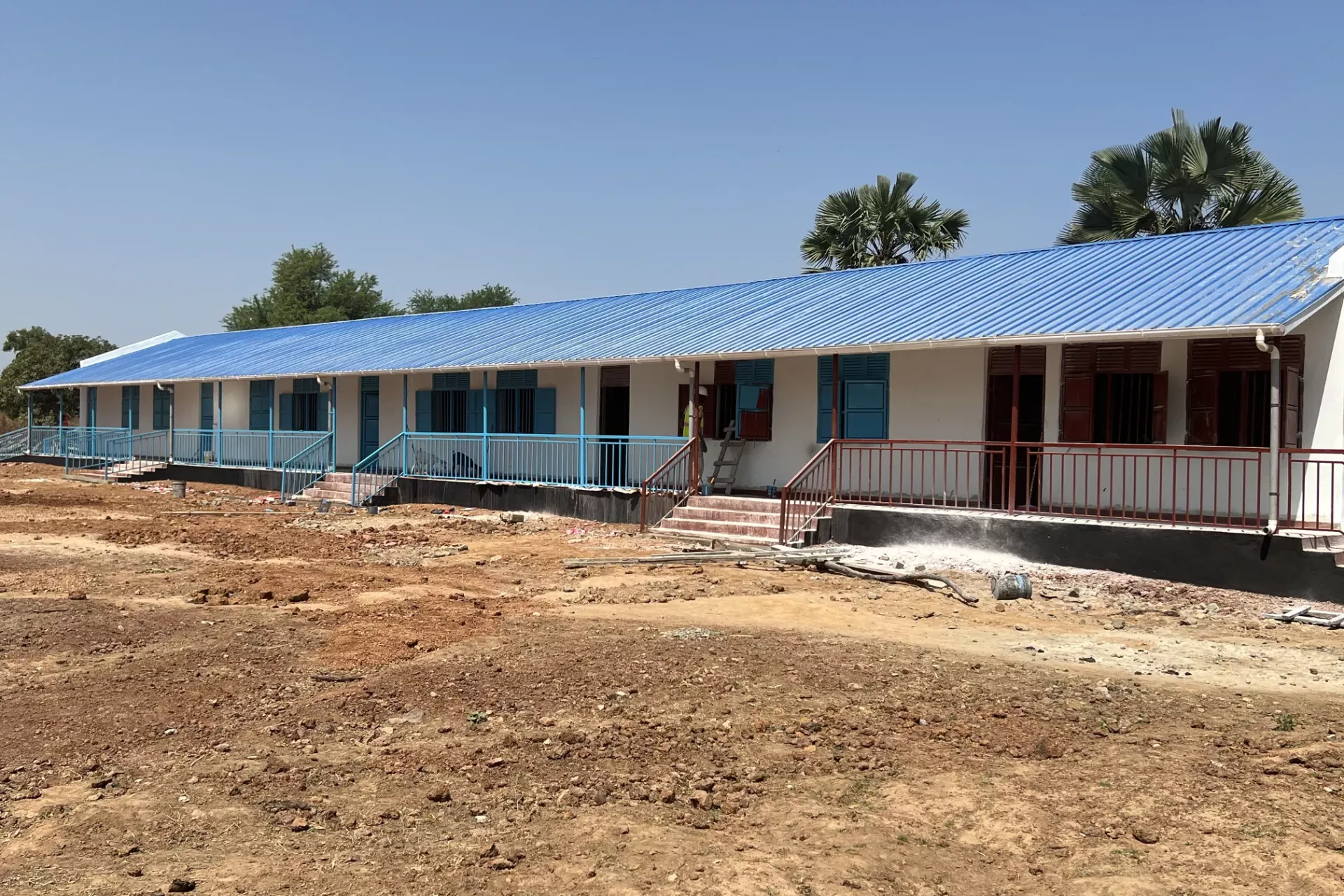
Previously, pupils at Aguath Primary School, now home to 724 pupils (156 girls and the rest boys) studied under trees, exposed to extreme weather conditions that led to school dropouts.
The school, which operates from Primary 1 to Primary 8, relies heavily on volunteer teachers, some of whom have gone nearly a year without salaries.
However, this situation has changed, thanks to UNICEF’s construction of eight classroom blocks under the Joint Resilience Project, generously funded by Germany through the KfW Development Bank.
James Garang Diing, Chairperson of the Parent-Teacher Association (PTA), expressed gratitude for the project.
before construction, we used to cut trees and mobilize women to gather grass to build makeshift classrooms. But these structures were weak and unsustainable. Now, with the new school blocks, this place looks like a town.
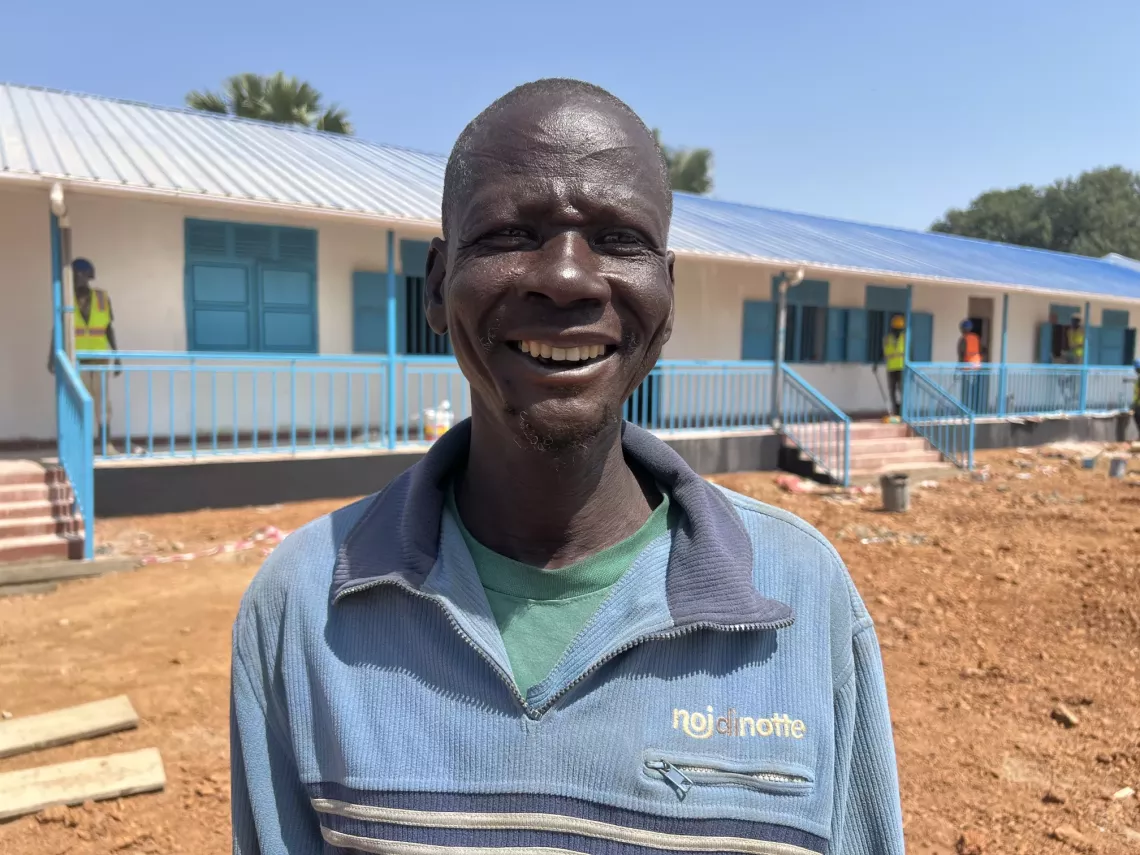
He emphasized that the new school infrastructure will promote education and create lasting impact for the community.
"This school’s completion will aid learning, raise awareness about the importance of education, and produce future professionals who will contribute not only to South Sudan but also to other countries in need" Garang added.
Recognizing the need for proper sanitation, Diing pledged community support in constructing latrines.
We understand the budget couldn’t cover latrines, but as a community, we will take responsibility for building them. I promise that when you return in the future, you will find them fully operational.
For 15-year-old Luat Athian, a Primary 6 pupil aspiring to become a humanitarian, the new classrooms mark a turning point in her education.
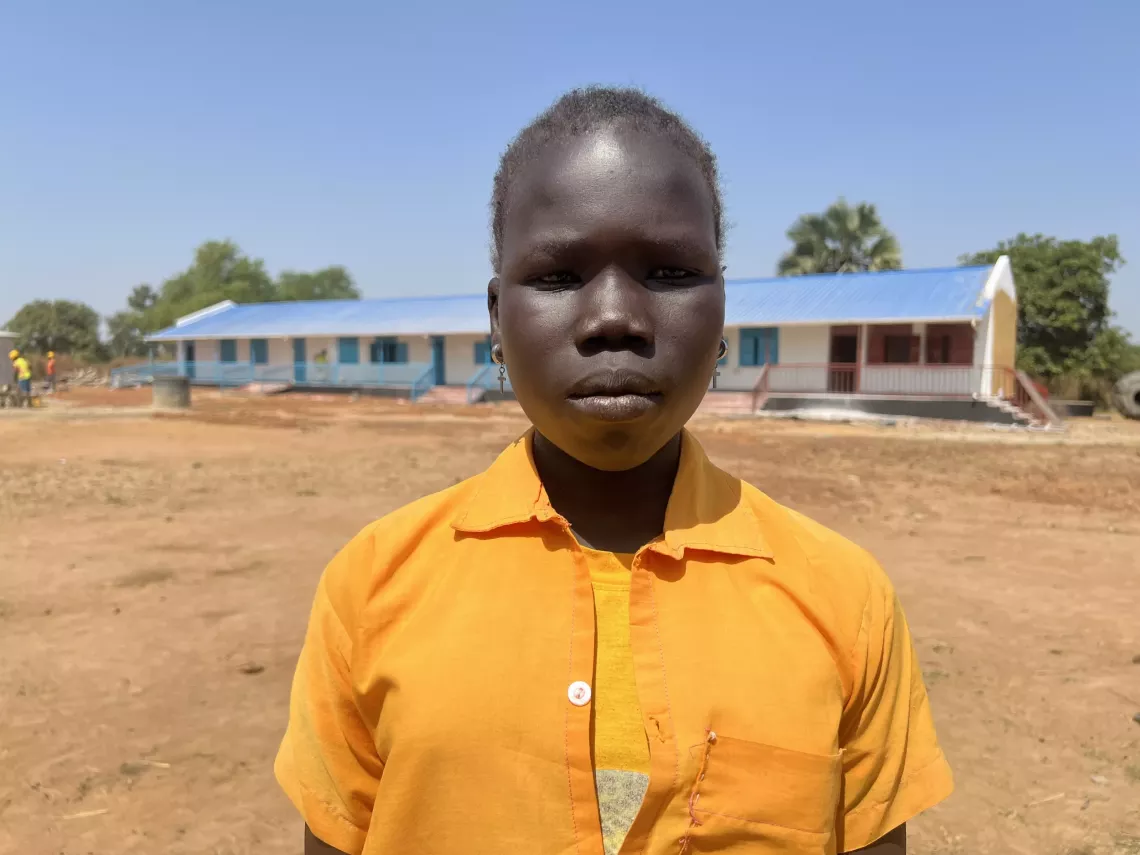
Before these classrooms were built, we used to sit in two rows under that tree. Do you see that tree next to the new classroom? That’s where I studied for three years. Now, I am so happy because we won’t have to worry about the rain anymore, and this will motivate us to come to school every day.
Simon Athian, a senior teacher at Aguath Primary School, highlighted how the new classrooms will improve learning conditions.
What’s amazing about this construction is its inclusivity. The buildings are designed to accommodate students with disabilities, and the staircases are accessible — something new for us.
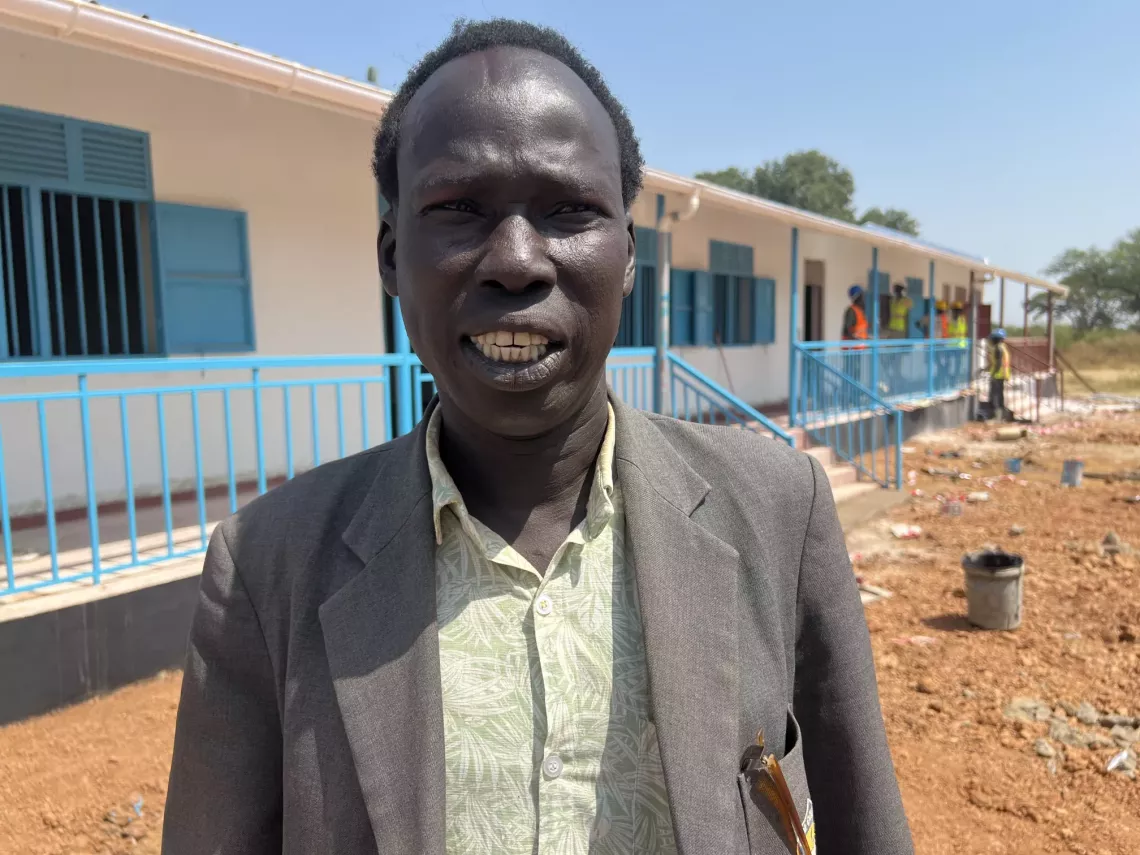
“In the past, whenever it rained, both teachers and students had to run for cover, disrupting learning. Now, our students can study in a safe, stable environment without their books getting destroyed by the rain" Simon stated.
Echoing Simon’s sentiment, Pa Ousman, UNICEF Chief of Field Office – Greater Bahr el Ghazal Zonal Office, praised the construction of Aguath Primary School as an indication of UNICEF’s commitment to safe, quality education and community transformation.
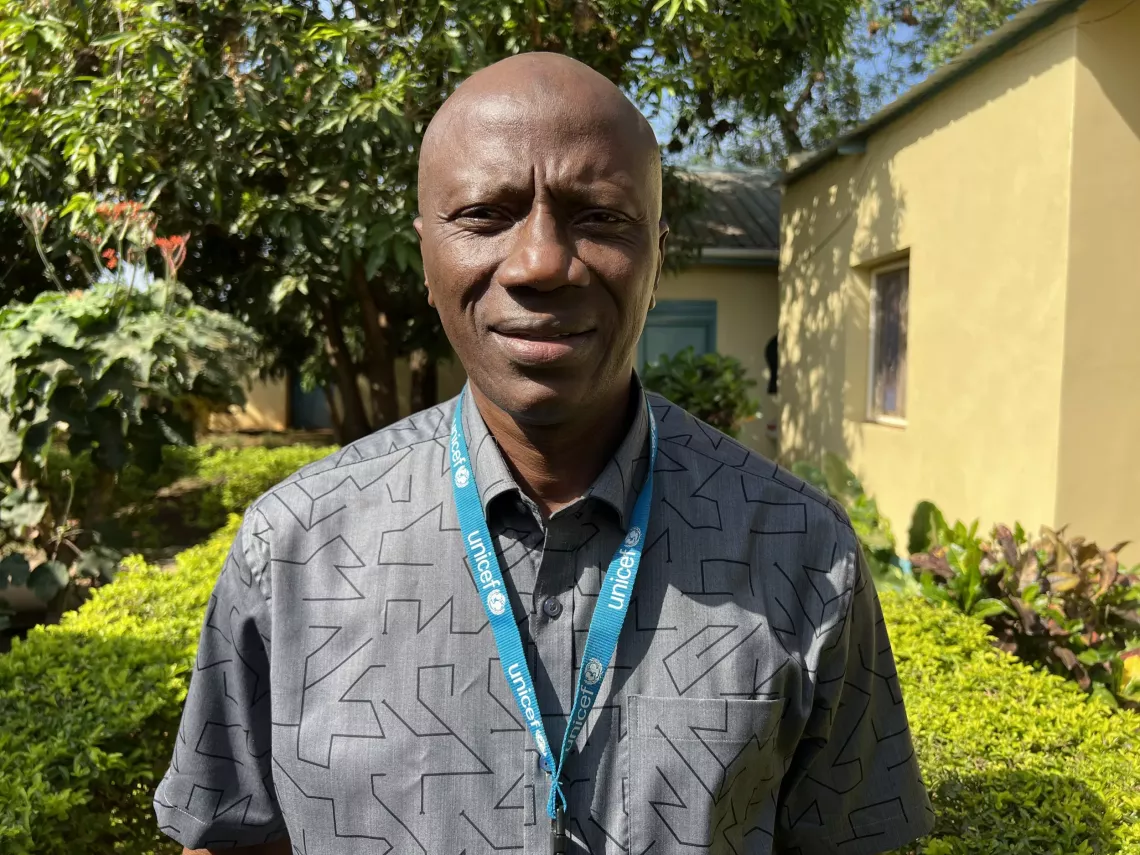
Education is the foundation of a brighter future, and every child deserves a safe learning environment. This project, made possible with our partners, ensures children in South Sudan can access quality education despite the challenges
“Seeing students eager to enroll even before completion proves the transformative power of education. We are grateful to our donors and the local community for making this dream a reality,” said Pa.
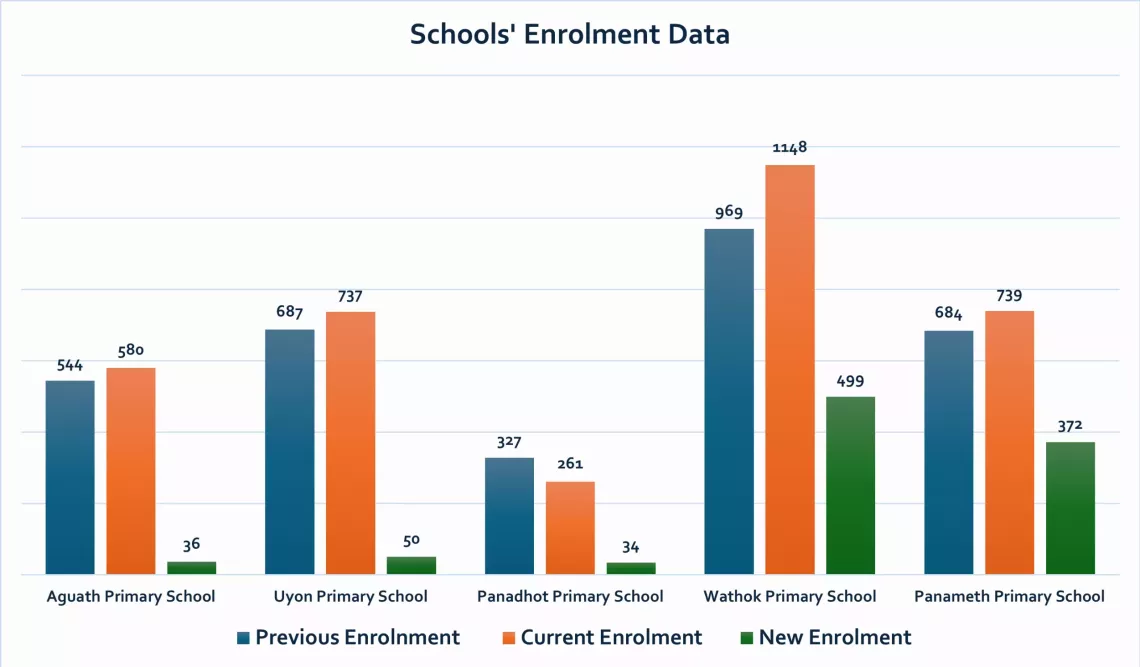
Under Germany’s KfW Resilient Project, UNICEF has constructed five schools in Northern Bahr el Ghazal, providing nearly 1,000 pupils with access to quality education. Through collaboration with implementing partners and donors, UNICEF remains committed to strengthening South Sudan’s education system by offering essential resources, technical expertise, and infrastructure to address persistent challenges.
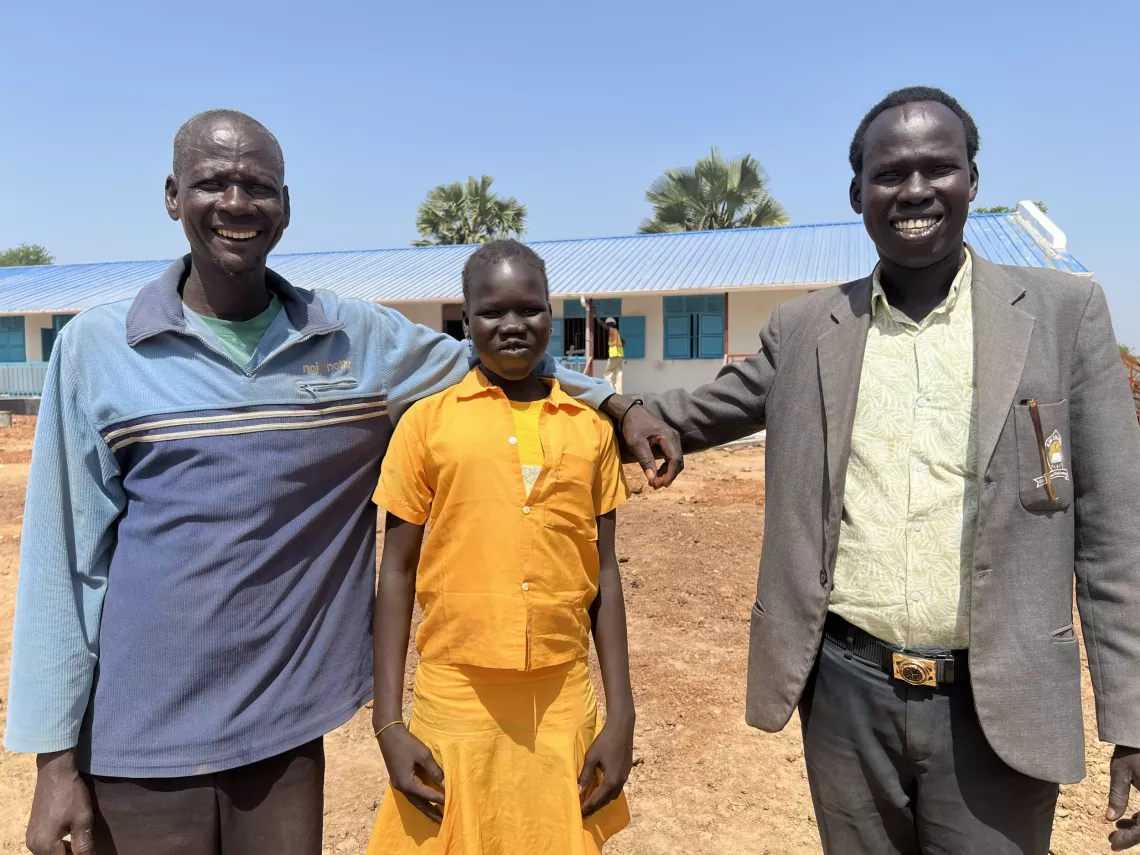
With continued investment and collaboration, initiatives like Aguath, Uyon, Wathok, Panameth, and Panadhot Primary Schools led by UNICEF are paving the way for a brighter future where every child can learn, grow, and thrive.