Gaza’s Malnourished Children Can’t Afford to Wait
The entire population of the Gaza Strip is food insecure, while all children under 5 – or over 320,000 children – are at risk of becoming acutely malnourished.
The entire population of the Gaza Strip is food insecure, while all children under 5 – or over 320,000 children – are at risk of becoming acutely malnourished. Little humanitarian assistance has entered the Gaza Strip since 19 May, when limited quantities of select aid items were allowed into Gaza again, after a total blockade on humanitarian and commercial supplies started on 2 March. As a result, food items have been extremely scarce and unaffordable at a time when most Palestinians have no income.
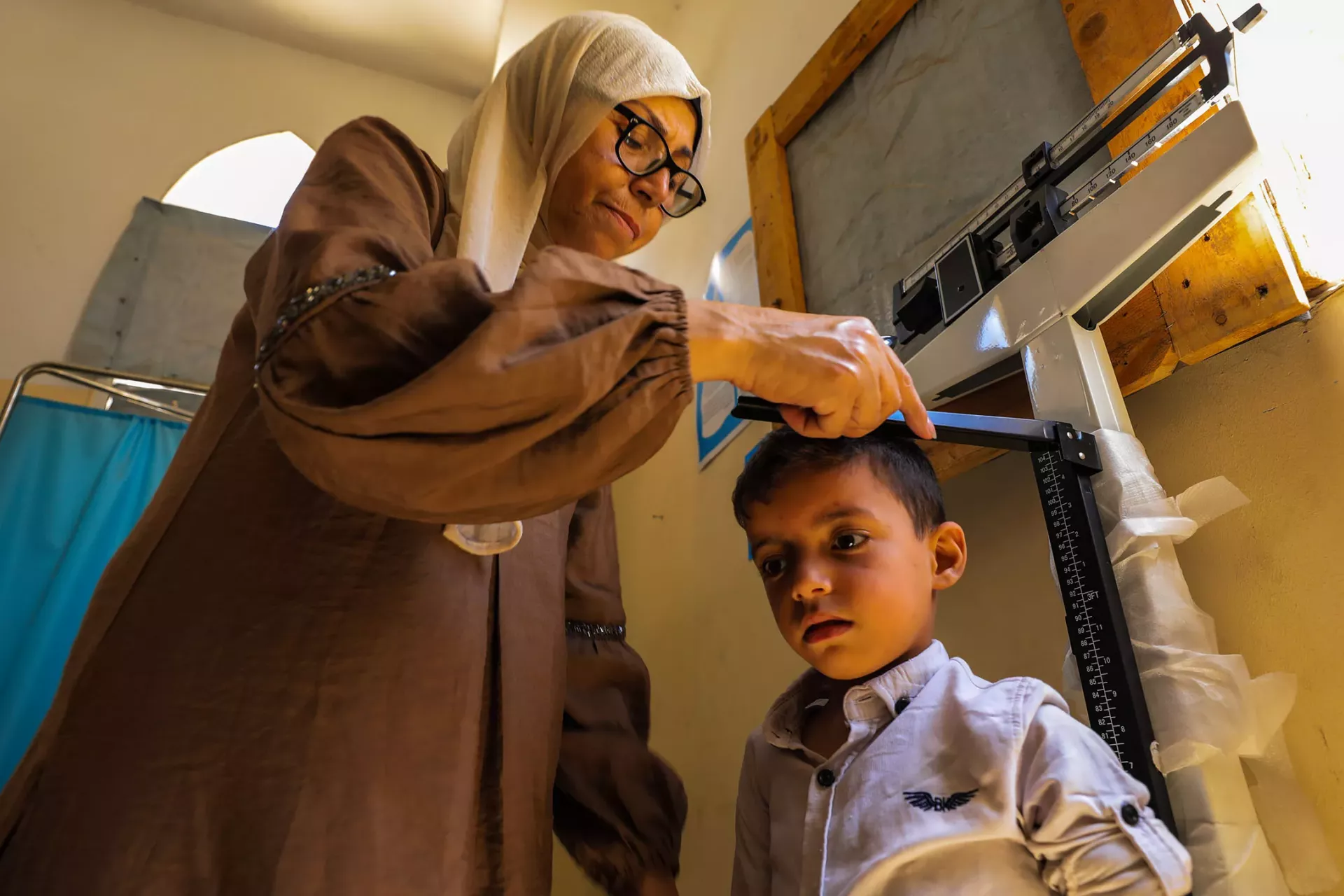
“Since we have been displaced, we’ve been struggling to find food, which has badly affected Abdul Kareem’s health,” said Enan, mother of a nine-year-old boy. “His body became weak, and we have no money to get nutritional supplements for him.”
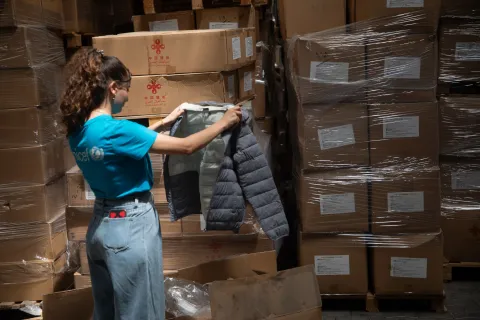
With the support of donors like the European Union (ECHO), the Governments of France, Norway, Netherlands and Japan, and the Flexible Humanitarian Funding, UNICEF continues to deliver vital nutrition services and supplies but its stocks for preventing malnutrition have run out and supplies for the therapeutic treatment of acute malnutrition are critically low.
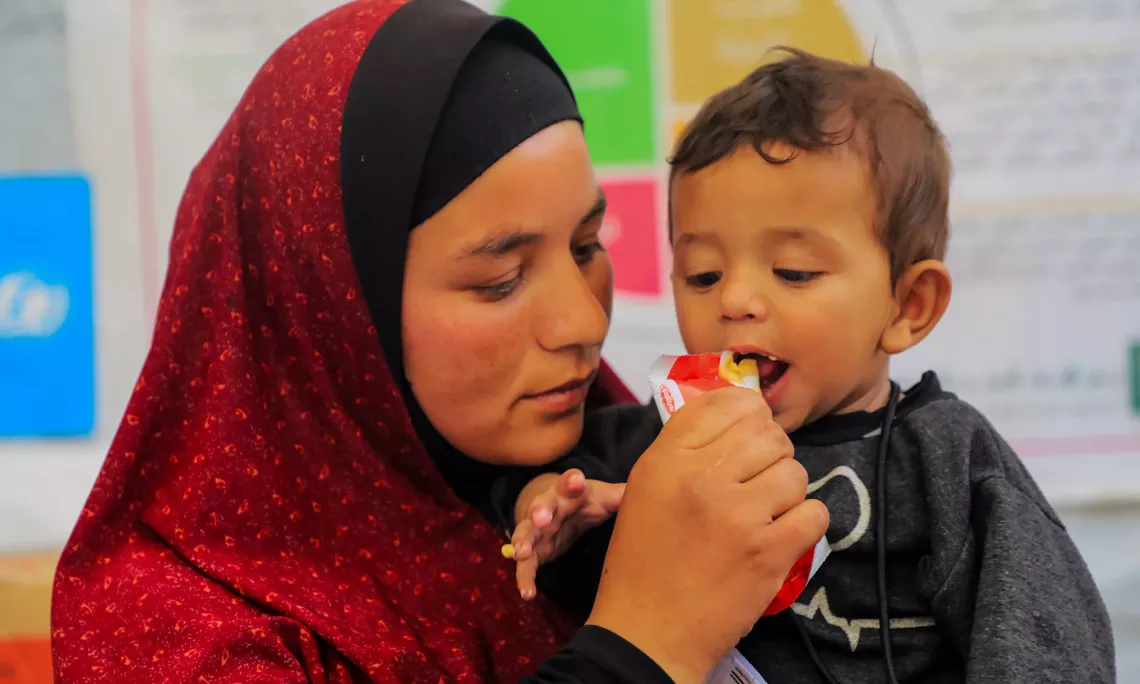
From the start of the year until May, an average of 112 children a day were diagnosed with acute malnutrition. Over 6,500 children were diagnosed as acutely malnourished in June, and 5,000 children were diagnosed with acute malnutrition in the first two weeks of July alone.
Evidence has shown that children with poor nutrition are more vulnerable to serious disease like acute diarrhea, while acute and prolonged diarrhea seriously exacerbates poor health and malnutrition in children, putting them at high risk of death. Taken together and left untreated, malnutrition and disease create a deadly cycle. In Gaza, 80 per cent of all reported deaths by starvation are children.

Vital Screening and Treatment
During the ceasefire in February, a total of 105,658 children under the age of five were screened for malnutrition across the Gaza Strip. Then, UNICEF delivered a essential nutrition supplies to 19,686 children aged 6-23 months.

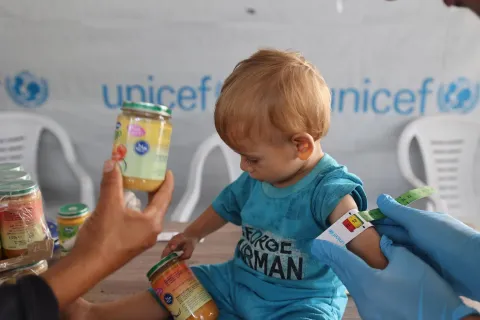
Children diagnosed with malnutrition through mid-upper-arm circumference (MUAC)-measurement, received sachets of fortified paste—called Lipid-based Nutrient Supplement paste—as well as jars of baby food. The paste can be mixed with other foods or eaten straight from the sachet, and the baby food is ready for immediate use.
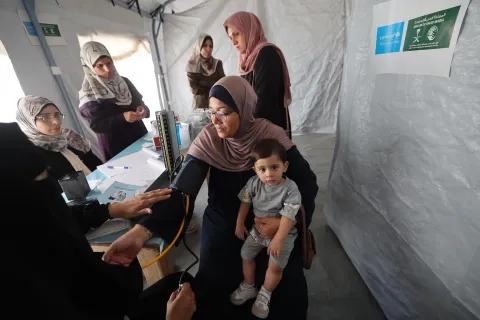
In total, 57,973 children aged 6–59 months received Small Quantity Lipid-based Nutritional Supplements (SQ-LNS), critical in preventing further deterioration among the most vulnerable. UNICEF also provided infant and young child feeding counselling to 25,653 pregnant and breastfeeding women. To address service disruption and reach children in the most underserved areas, UNICEF deployed Mobile Nutrition Teams that also diagnosed and treated malnourished children.

“Mohammed was suffering from malnutrition, low immunity, and weight loss,” says Nisreen, of her one-year-old. “Through the UNICEF team, we received help in the form of nutritional supplements for two months, as well as guidance on how to properly administer the supplements to my child.”
That all ended when aid deliveries into Gaza were halted. “The suspension of aid meant we couldn’t get the supplements anymore,” says Nisreen, “and that affected my child significantly. The supplement had become a vital part of his life in the absence of regular food, and his health deteriorated again. His body grew weaker.”

Acute malnutrition requires consistent treatment over time with special supplements, like the paste and baby food distributed by UNICEF. Many health facilities remain overwhelmed, with several damaged or inaccessible due to ongoing hostilities, further exacerbating children’s vulnerabilities and dependency on humanitarian nutrition support.
Urgent action is immediately needed to prevent further deterioration among Gaza’s children—every hour counts. If the situation does not change immediately, cases of acute malnutrition are likely to continue to rise – with lethal consequences.