Report
Hebron Humanitarian Situation Update
30 October 2026

Highlights
- On 23 October 2026, a major escalation began in Hebron following a shooting near the Telem settlement in which two Israeli soldiers were killed and others injured; two Palestinians suspected of carrying out the attack were subsequently killed by Israeli forces.
- Israeli forces subsequently launched a large-scale militarized operation accompanied by severe movement restrictions and a siege across Hebron, with reported home raids, arrests, demolitions, forced evictions and the conversion of residential homes into military outposts.
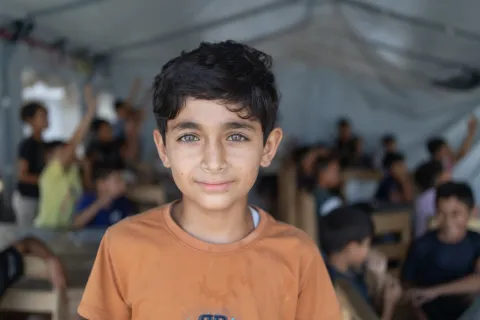
- As of 29 October, Hebron Municipality reported 483 displaced families comprising 4,304 people, including 1,845 children. Those displaced include infants, older people, people with chronic medical conditions, persons with disabilities and pregnant women. More than 300 families reported having no access to safe shelter. Municipal shelters have opened, but displaced families continue to stay with relatives across Hebron Governorate. Displacement from Al-Jalada and Ein Deir Bahha largely followed militarized operations and evacuation demands issued by Israeli forces; in Farsh Al-Hawa, it was linked to demolitions.
- Hebron Municipality and the Governor’s Office launched an online household registration portal collecting contact details, household composition and information on children, pregnant women and persons with disabilities.
- Displacement and restrictions on access continue to affect families’ access to essential services and supplies. Prolonged displacement, colder weather and disruption to livelihoods and supply chains risk increasing household vulnerability, particularly for infants, pregnant women and families requiring additional support.
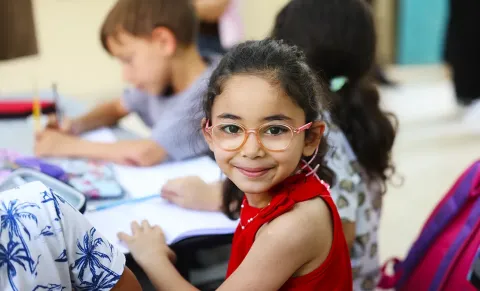
- According to the Ministry of Education, the shift to remote learning has affected more than 251,000 students across 691 schools in Hebron Governorate. Remote learning was introduced on 25 October, affecting approximately 15,000 education personnel. Eleven schools serving approximately 4,700 students are located within or near the directly affected areas.
Publication date
Languages
English