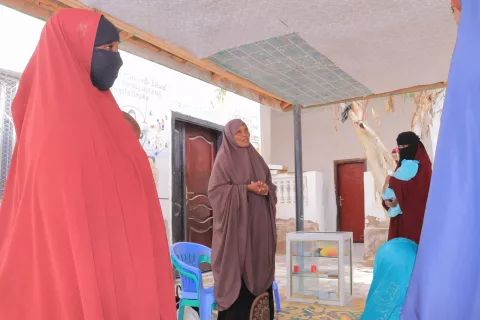
Redefining fatherhood through care and health at home
Mohamed Warsame is demonstrating how informed fathers can improve health outcomes for mothers and children.
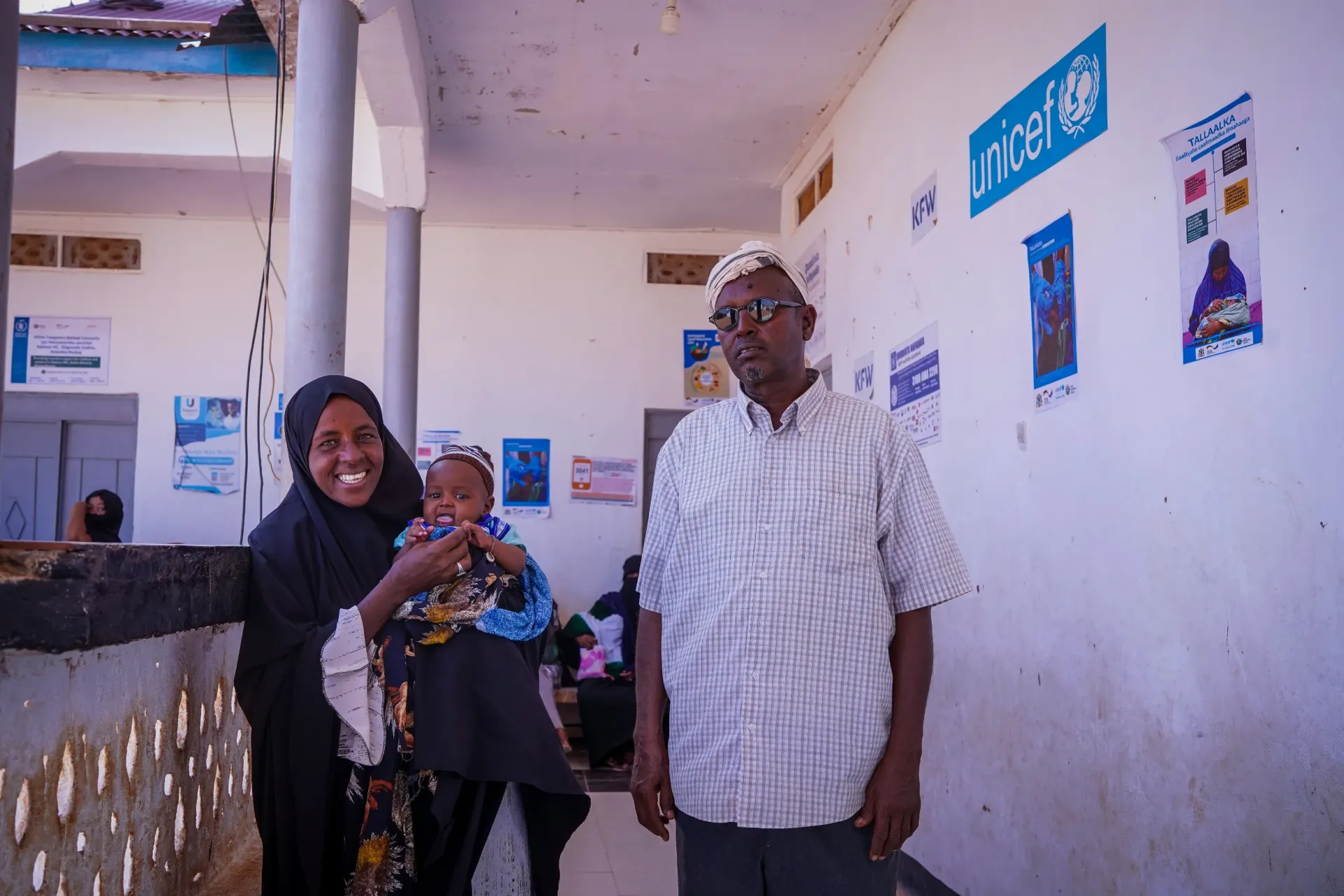
In a modest household where daily life is shaped by limited resources and longstanding traditions, Mohamed Warsame is quietly redefining what it means to be a father.
Mohamed lives with his wife, Kafiya Xasan, and their three children, including their youngest, a six-month-old baby, in Salama IDP camp in Galkayo. With a household income of about $100, every decision carries weight, especially those related to the health and wellbeing of his family.
For years, like many in his community, Mohamed followed traditional Somali practices in caring for his family. Health decisions, especially those related to pregnancy, childbirth, and child care, were often left to mothers or guided by customary beliefs. This meant his wife gave birth at home without skilled assistance, at times facing complications. Essential services like antenatal care and tetanus vaccination were not always accessed, and their children missed timely immunization and faced risks linked to malnutrition and preventable illness.
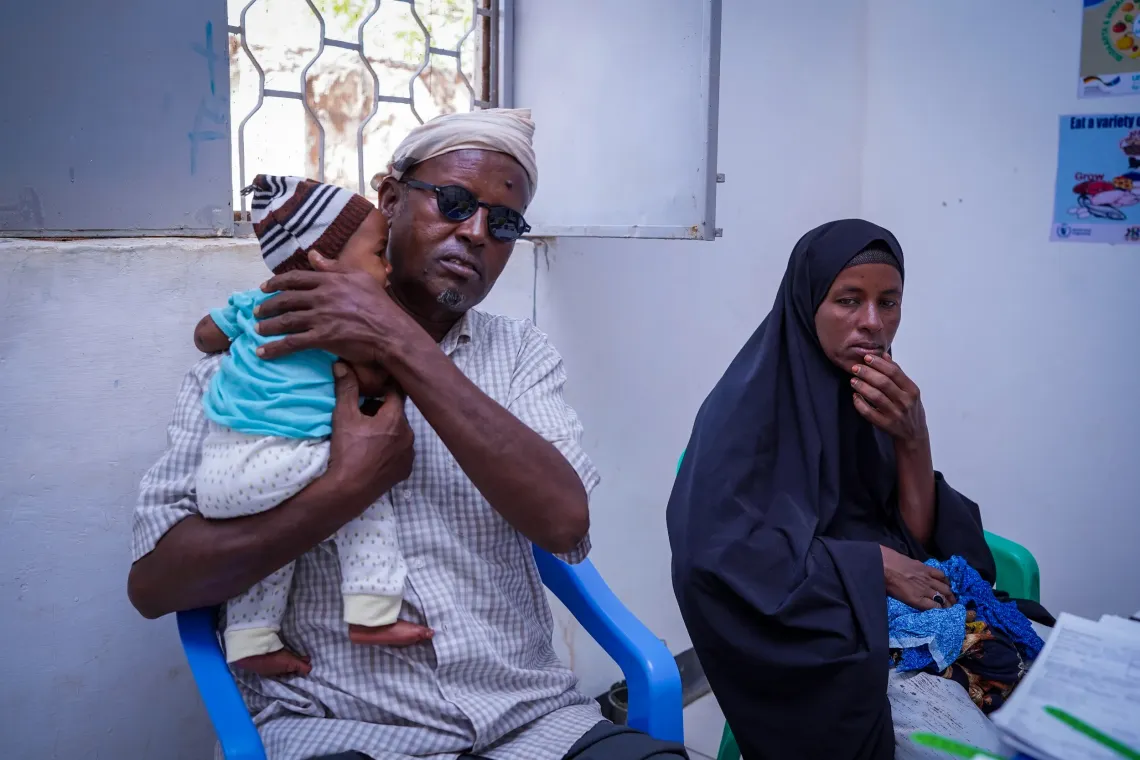
But things began to change when Mohamed was introduced to health awareness messages and engaged through community discussions. What started as exposure to information gradually became a personal commitment.
“I used to think health care was only a woman’s responsibility,” Mohamed reflects. “But I learned that I have a role to play in protecting my children and supporting my wife.”
That shift marked a turning point, not only for his household, but for how he sees fatherhood itself.
Today, Mohamed ensures his children are vaccinated on time, including his youngest baby. He actively supports exclusive breastfeeding during the first six months of life and encourages regular visits to the health facility. He also reminds his wife of clinic appointments and follows the guidance of health workers, recognizing that early care and prevention are key to keeping his family safe.
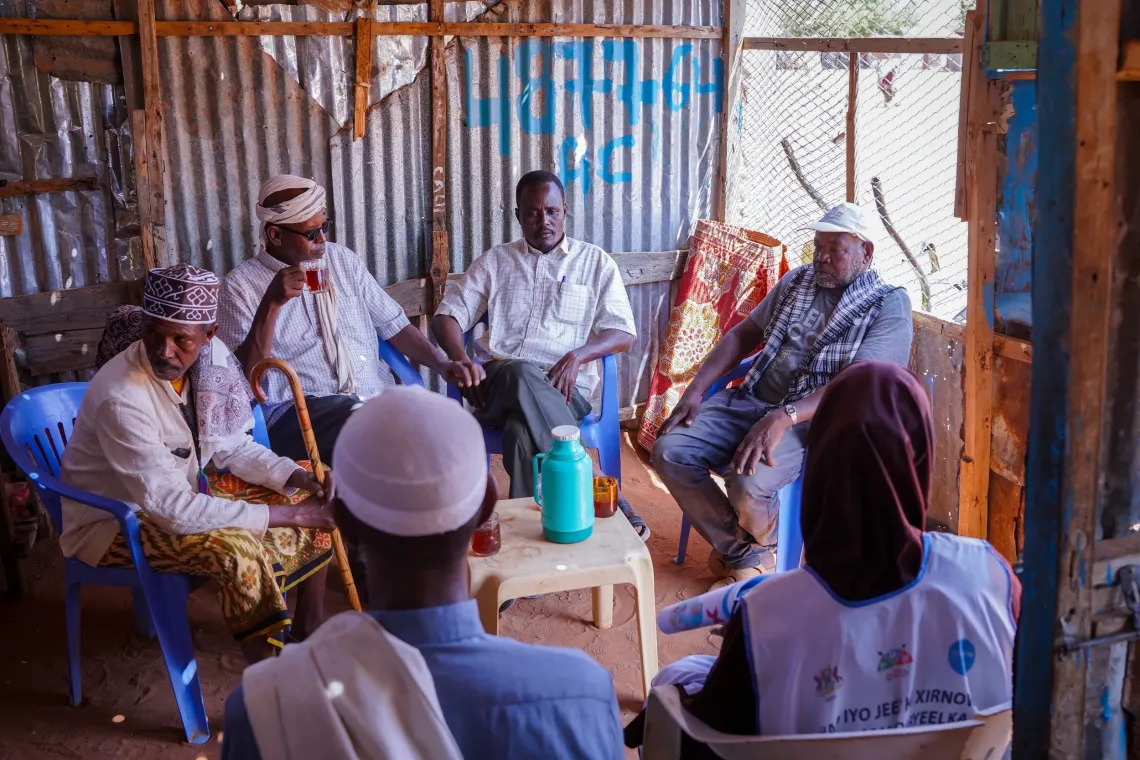
What makes Mohamed’s journey especially powerful is that he has not kept this knowledge to himself. He has become a father champion in his community, sharing his experience with other men and encouraging them to take an active role in their families’ health.
In spaces where father-to-father discussions are held, Mohamed speaks openly about responsibility, care, and shared decision-making. His message is simple but impactful: fathers are not just providers of income, they are also protectors of health, partners in caregiving, and role models for change.
His example is gradually helping to shift deeply rooted norms. Other fathers now see that supporting their wives during pregnancy, ensuring children are vaccinated, and seeking timely health care are not signs of weakness, but acts of responsibility and love.
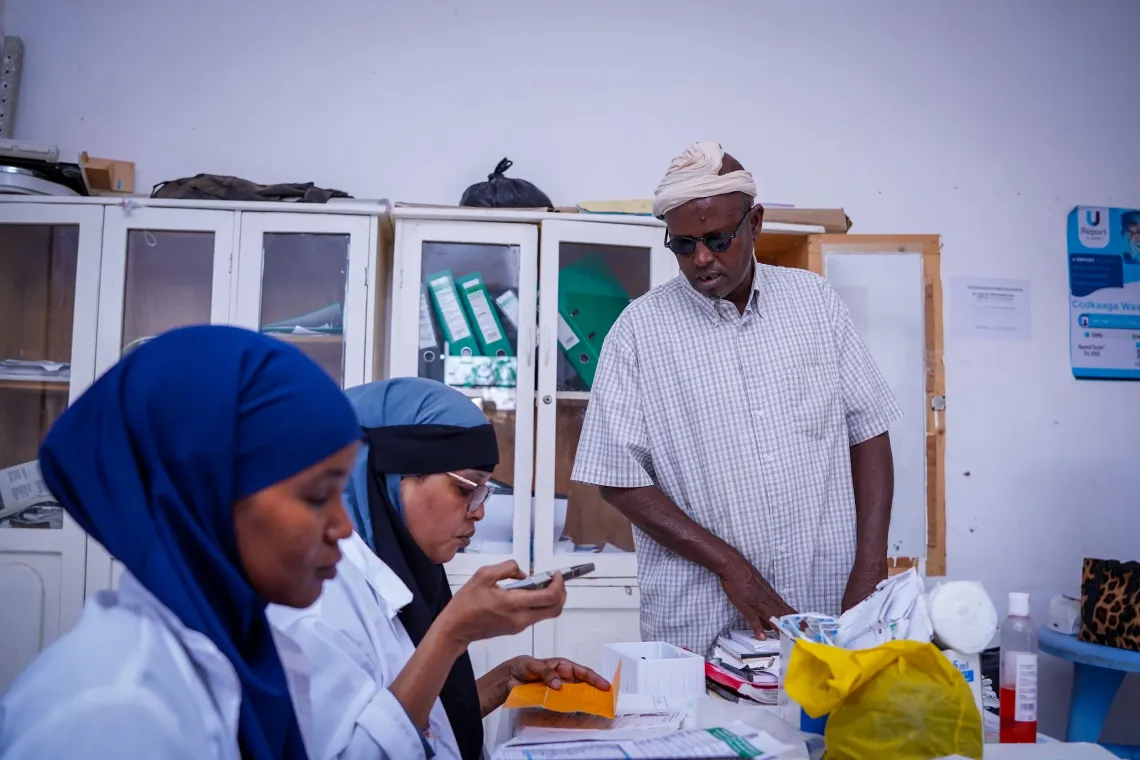
From a home once guided mainly by tradition and limited access to services, Mohamed’s family is now navigating a healthier path, one shaped by knowledge, shared responsibility, and proactive care.
And in doing so, Mohamed Warsame is not only changing the future of his own children, he is helping to redefine fatherhood for others around him. Mohamed’s efforts are part of the Joint Resilient Programme, funded by the German Government, which supports health promotion and community awareness activities across Puntland.