

School Quality Assurance Officers Help Create Safe and Violence-Free Schools for Better Learning
Through strengthened monitoring and support, schools are becoming safer spaces where children can learn without fear
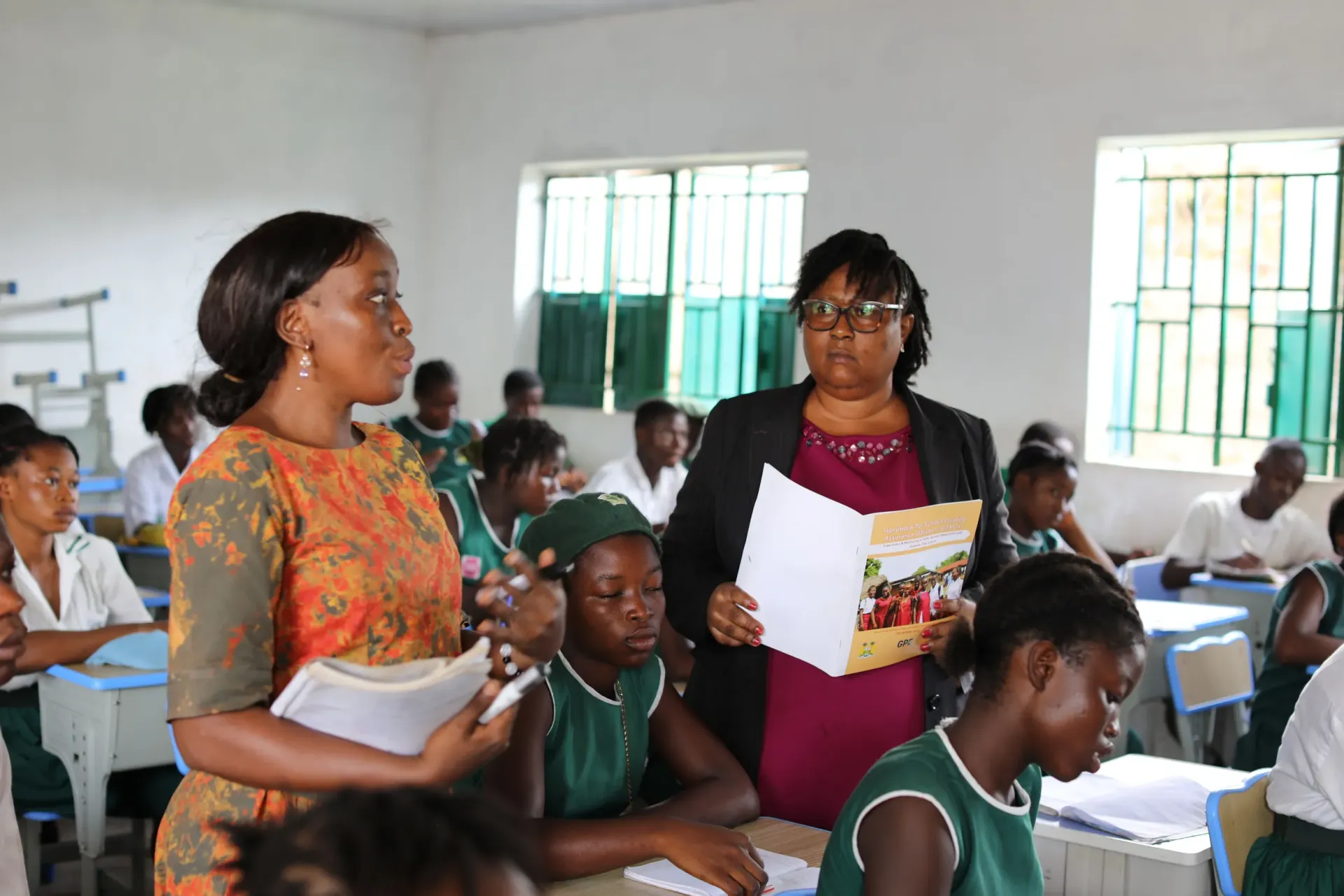
Freetown – For more than a decade, Jattu Otterbein worked as a School Quality Assurance Officer in Freetown, Sierra Leone, regularly observing teaching, supporting school improvement and monitoring schools’ compliance with education standards to support quality learning.
Yet, despite serving in the role for 12 years, she had never received formal training on how to identify, respond to, or report cases of violence against children in schools.
“Before now, I possessed little or no knowledge and skills on how to respond to and deal with cases involving violence against children in school,” Jattu recalled.
This initiative contributes to the Safe to Learn Call to Action, which supports the government to prevent violence in and out of school, strengthen reporting and response systems, and create safe learning environments where every child can learn and thrive.
Addressing a Widespread Challenge
Violence against children remains a significant barrier to learning and well-being in Sierra Leone. Corporal punishment and other forms of violent discipline have historically been used by some teachers to enforce discipline, while children also experience violence from their peers. More than eight in ten children have experienced violent discipline at home, and nearly every school-going child has encountered some form of violence, with more than one in ten reporting feeling unsafe at school.
The challenge has been compounded by weak reporting mechanisms, limited institutional capacity to respond to abuse, and deeply entrenched social and gender norms that often normalize violence and discourage children from speaking out. Although corporal punishment is prohibited in schools, cases continue to occur, with dozens of teachers found culpable each year for acts of violence against children, including sexual violence.
Strengthening Systems to Protect Children
To address these challenges, UNICEF Sierra Leone, with support from the Global Partnership for Education (GPE) and in collaboration with the Government of Sierra Leone, trained 146 School Quality Assurance Officers across all districts of Sierra Leone last June.
The training focused on strengthening officers’ ability to identify, document, and respond to cases of violence against children, while promoting the use of established referral pathways and child protection protocols. Equipped with the new handbook and practical supervision tools, School Quality Assurance Officers now coach teachers on positive discipline, identify harmful gender norms, monitor school safety committees, detect early warning signs of violence, and ensure survivors are referred through national child protection systems.
For Jattu, the training was transformative.
“I have received skills on identifying and handling cases involving violence against children in school, and this has greatly improved my knowledge and equipped me with the skills to deal with them,” she said during one of her routine school monitoring visits in Freetown.
The training also challenged long-held practices within the education system.
“Prior to this training, we, the School Quality Assurance Officers, were often protecting teachers while leaving children vulnerable because we lacked the knowledge and skills to address these cases appropriately,” Jattu explained. “Today, practices such as naming and shaming children in class are discouraged because they negatively affect children’s confidence, participation, and motivation to learn.”
As a result, School Quality Assurance Officers are now working more closely with school leaders and teachers to prevent violence and promote positive discipline methods that support children’s learning and well-being.
Early Signs of Change
The impact of the training is already being felt in classrooms. Through regular monitoring and coaching by School Quality Assurance Officers, many teachers are adopting non-violent approaches to discipline.
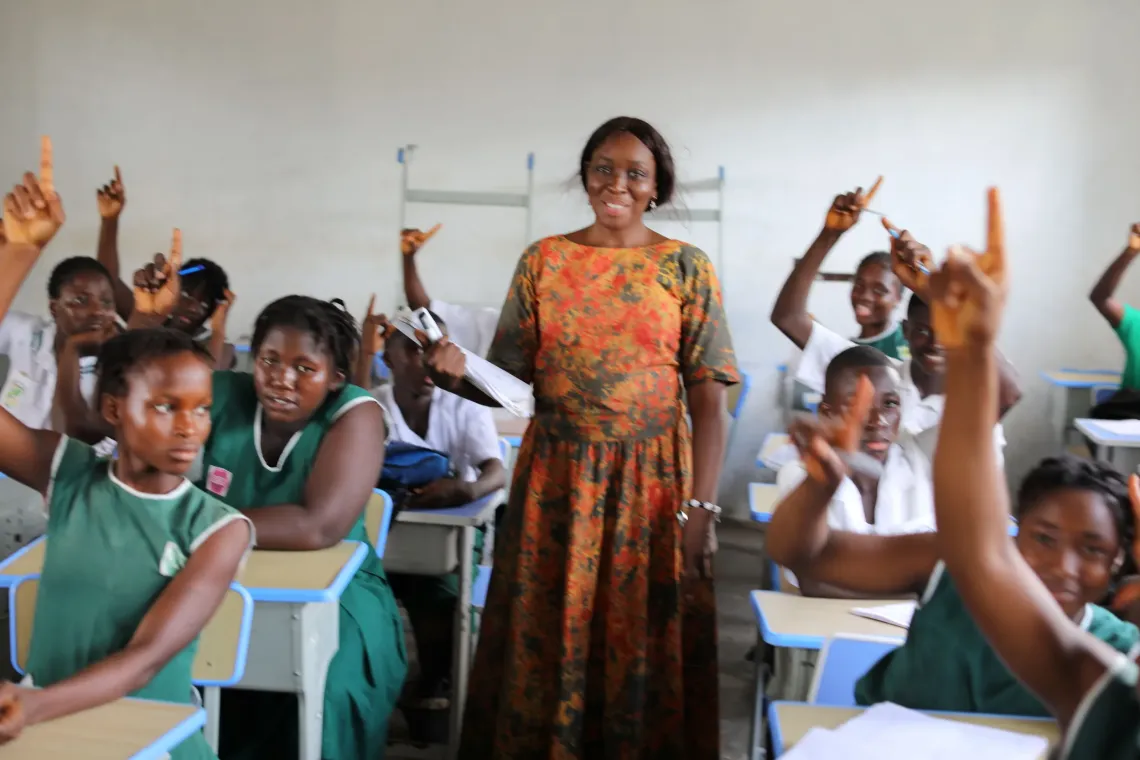
Lucia Tucker, a teacher at Fattah Rahman Secondary Municipal School in Freetown, is one such example. Like many teachers, Lucia Tucker once believed that corporal punishment was the most effective way to maintain discipline. With support from School Quality Assurance Officers, she gradually adopted positive disciplinary methods and classroom management techniques that encourage learning without fear.
“We no longer use the stick to enforce discipline,” Lucia said. “Instead, we use alternative measures such as asking pupils to write essays and compositions. At first, it was difficult to accept this new approach, but over time we have come to understand that violence is not the best way to enforce discipline in schools.”
According to Ann Konneh, Deputy Director of Gender at the Ministry of Basic and Senior Secondary Education, these efforts are helping to strengthen the education system’s ability to safeguard children.
“We are strengthening the system to better respond to the needs of children because when schools are safe, children are more likely to attend regularly, participate actively in lessons, and achieve better learning outcomes,” she said.
A Safer Learning Environment for Children
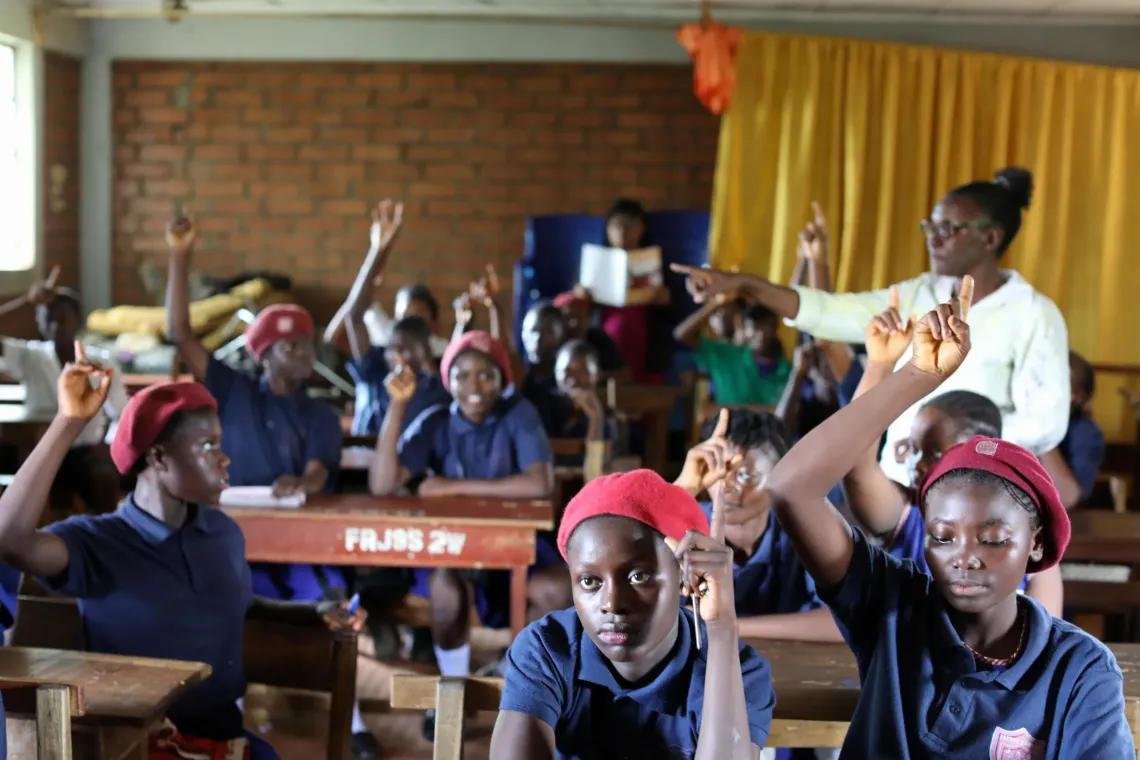
As trained School Quality Assurance Officers like Jattu continue to support schools across the country, safer and more child-friendly learning environments are beginning to emerge. Teachers are increasingly embracing positive discipline practices, school monitoring systems are becoming stronger, and children are feeling more protected in the classroom.
During a recent school visit, Jattu observed Lucia’s lesson and noted the positive interactions between teacher and students. As the lesson ended, the children responded with enthusiasm and confidence—an encouraging sign that they are learning in a school environment where they feel safe, respected, and ready to thrive.
“Before this time seeing my teacher with a cane in front of the class scared me from coming to school and participate in class; now I feel safe and my confidence level has improved a lot,” added 14-year-old Fatmata Sesay, a junior secondary school pupil in Freetown.
Through strengthened institutional capacity, improved accountability, and the promotion of non-violent discipline, the initiative is helping ensure that more children in Sierra Leone can learn and succeed in schools free from violence.
Through the Global Partnership for Education (GPE) Safe Learning Technical Assistance Initiative (TAI), UNICEF and the Government of Sierra Leone are strengthening the country's education system and embedding Child Protection systems to ensure every child can learn in a safe, inclusive and violence-free school. As part of this initiative, School Quality Assurance Officers now play a critical role in helping schools prevent violence, promote positive discipline and protect children.


