

In Kpatema, a community health worker’s timely advice helps save a mother’s life
Across rural Sierra Leone, Community Health Workers are bringing lifesaving care closer to home. Supported by the Republic of Korea through UNICEF and the Ministry of Health, they connect families to essential health services.

Kpatema, Sierra Leone - In Kpatema community, Moyamba District, 36-year-old Hawa remembers the fear and uncertainty that followed the birth of her baby on 5 July 2026.
After delivering her baby at the Gbangbatoke Community Health Centre, Hawa developed complications shortly after childbirth. Her condition became critical, and she lost consciousness. Health workers immediately provided oxygen support using an oxygen concentrator supplied through funding from the Republic of Korea, helping stabilize her condition and provide the urgent care she needed.
Today, as she cares for her newborn, Hawa reflects on the advice that helped ensure she delivered at a health facility rather than at home.
“I am grateful that Yusuf encouraged me to go to the health centre to give birth,” Hawa said. “If I had delivered at home, I don’t know what could have happened to me. The situation could have been much worse.”
That encouragement came from Yusuf Musa, a CHW serving Kpatema and three other surrounding villages. Through regular household visits, Yusuf provides health education, identifies health concerns early, and encourages pregnant women to seek skilled care during childbirth.
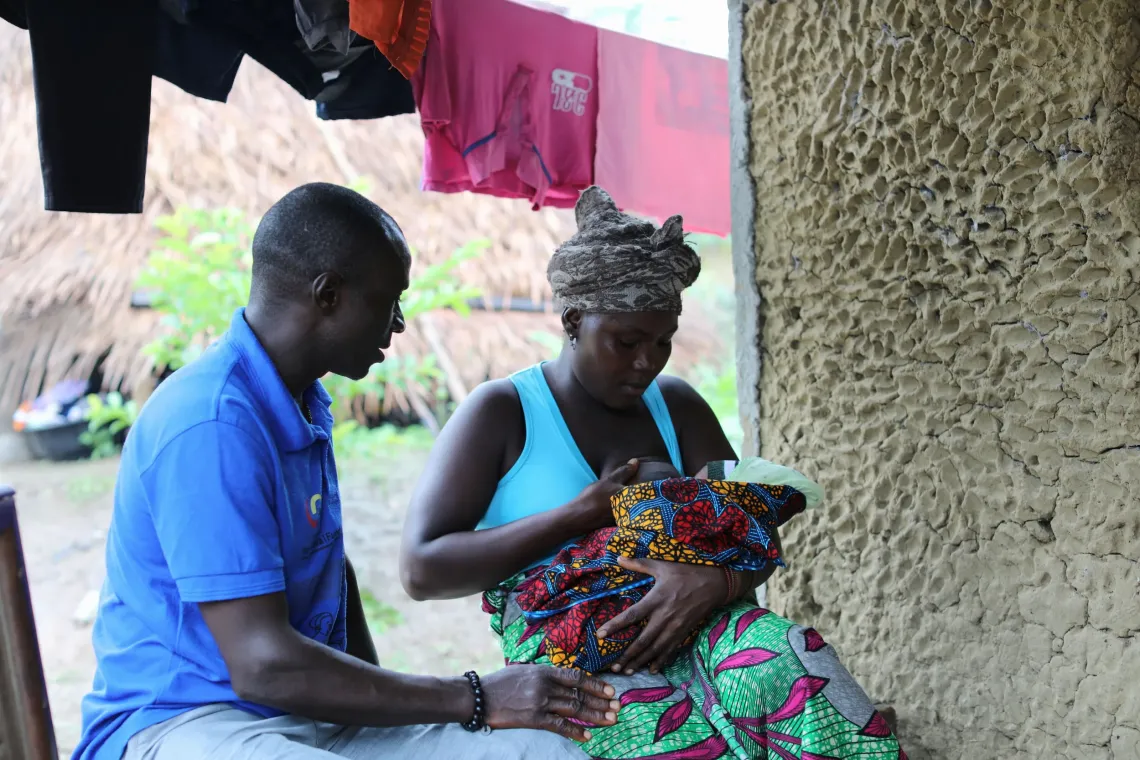
For Yusuf, encouraging mothers to deliver at health facilities is a key part of protecting women and newborns in his community.
In our villages, many women used to give birth at home because that was what our mothers and grandmothers did, But I have seen how quickly things can change during childbirth. A mother who looks healthy in the morning can face serious complications by evening. That is why I walk from house to house, encouraging every pregnant woman to deliver at the health centre, where skilled health workers are ready to help if anything goes wrong. Nothing is more important than bringing both mother and baby home safely.”,” Yusuf explained.
Community health workers like Yusuf are an important part of Sierra Leone’s primary health care system. Through the Ministry of Health CHW programme, implemented through District Health Management Teams and funded by the Republic of Korea through UNICEF, trained CHWs s support families with essential basic health services, including health education and counselling.
The programme also strengthens the capacity of CHWs through quarterly training, mentorship, and supportive supervision from health workers at Peripheral Health Units, ensuring they have the knowledge and support needed to serve as a trusted link between communities and the formal health system.
From December 2025 to date, CHWs have reached over 136,992 people in Moyamba district with essential health and nutrition services. Moses Cowan, UNICEF Community Health Specialist, emphasizes strengthening community health begins with empowering the people who serv on the frontlines. Working alongside the Ministry of Health, he has seen how trained Community Health Workers are changing lives whereas access to health care is often difficult. "A healthy community starts with trusted people who are willing to serve their neighbours," says Cowan. "When we invest in Community Health Workers, we are investing in stronger primary health care and healthier families. They are often the first person a mother turns to when a child is sick, the first to recognize danger signs during pregnancy, and the first to respond when disease outbreaks threaten their communities."
"But they cannot do this alone. Through continuous training, coaching, supportive supervision, and mentorship, we equip them with the skills and confidence to provide quality care and link families to health facilities. In Sierra Leone, we believe it takes a community to save a life. By strengthening CHWs, we are bringing health care closer to every home and moving one step closer to achieving universal health coverage."
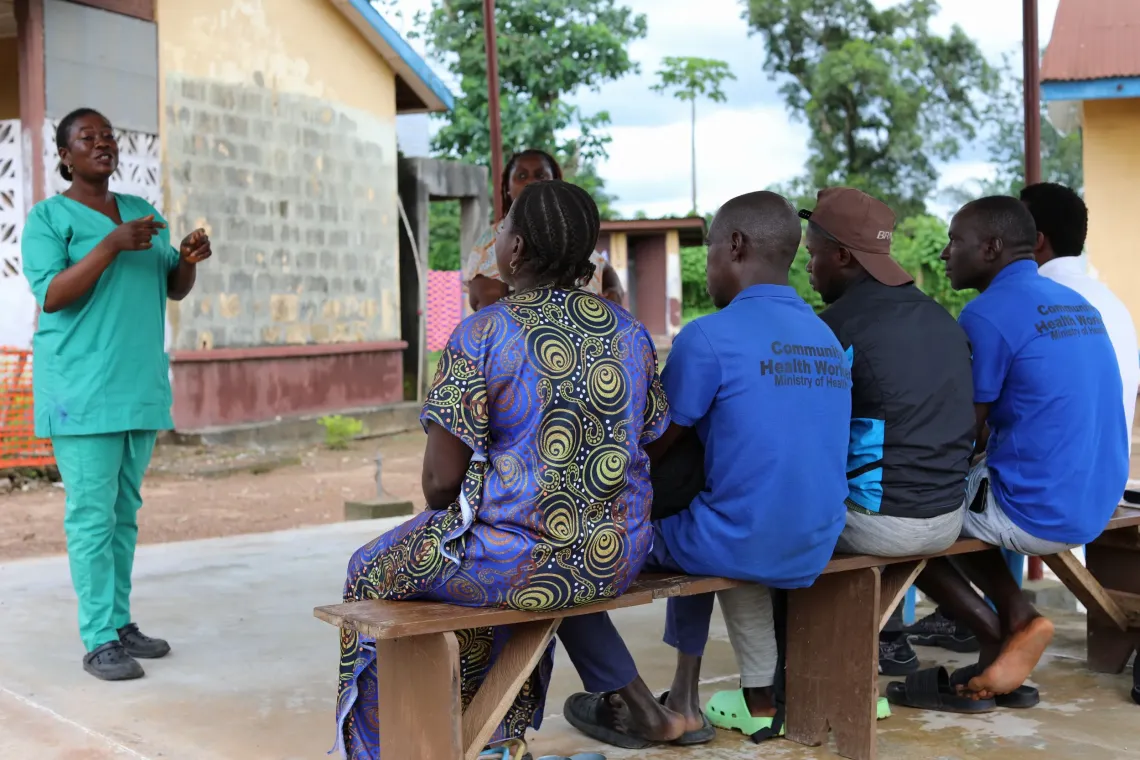
Yusuf’s ability to support families is strengthened through regular training, coaching, and mentoring provided by health workers at Peripheral Health Units. These sessions help CHWs continuously improve their knowledge and skills, enabling them to identify health risks, provide appropriate community-level support, and make timely referrals when patients need further care.
“I have received training and guidance from health workers that help me do my work better and support families in my community,” Yusuf said.
Yusuf’s work is closely connected to the services provided at the Gbangbatoke Community Health Centre. Fatmata Kamara, a Community Health Officer at the facility, says this collaboration helps ensure families receive timely care when they need it most.
“CHWs are an important extension of the health facility. They help us reach families in communities, identify health problems and outbreaks early, and refer patients to us when they need additional care. The work Yusuf and other CHWs do helps us respond faster and provide better support to mothers and children,” she says.
Through household visits and community outreach, Yusuf screens children for signs of illness and malnutrition and provides treatment for common childhood illnesses, including malaria, diarrhoea, and pneumonia, while referring more severe cases to the health facility.
“I screen children because early identification helps them get the support they need before their condition becomes more serious,” he said.
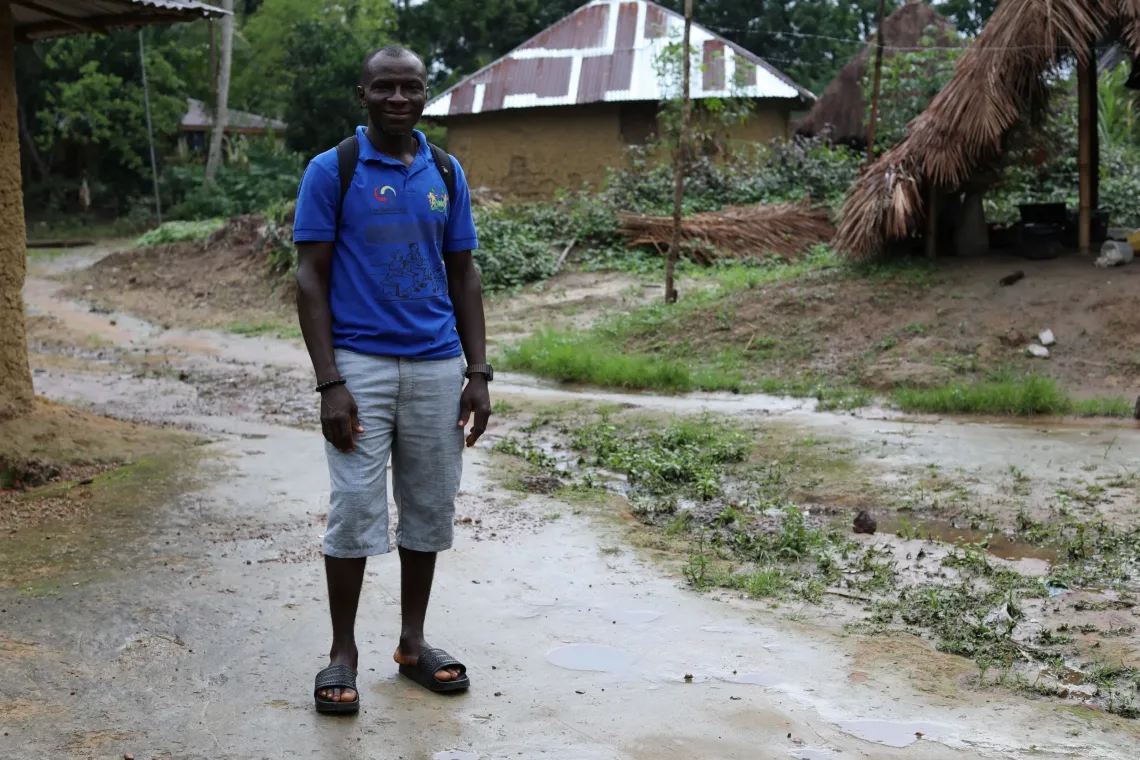
Serving over 600 people in four villages, Yusuf understands the importance of bringing health information and basic services closer to families who may face challenges accessing care.
“Many families need someone within the community who can guide them and connect them to the health facility, when necessary,” he said.
For Hawa, Yusuf’s encouragement came at a moment when the right decision mattered most.
“I am thankful because Yusuf helped me understand why I needed to go to the health centre,” she said. “I believe that decision helped save my life and allowed me to be here with my baby.”


